
The mimosa is a timeless, effervescent cocktail, a staple of brunches and celebrations worldwide. Its charm lies in its simplicity: just two ingredients. Yet, the choice of sparkling wine can dramatically transform this classic drink from good to truly exceptional. If you’re wondering how to craft the perfect mimosa, or which bubbly best complements that fresh orange juice, you’ve come to the right place. This ultimate guide will walk you through the top Champagne and sparkling wine picks, explain what to look for, and share tips to ensure your mimosas sparkle brighter than ever.
The Art of the Mimosa: Finding Your Perfect Bubbly
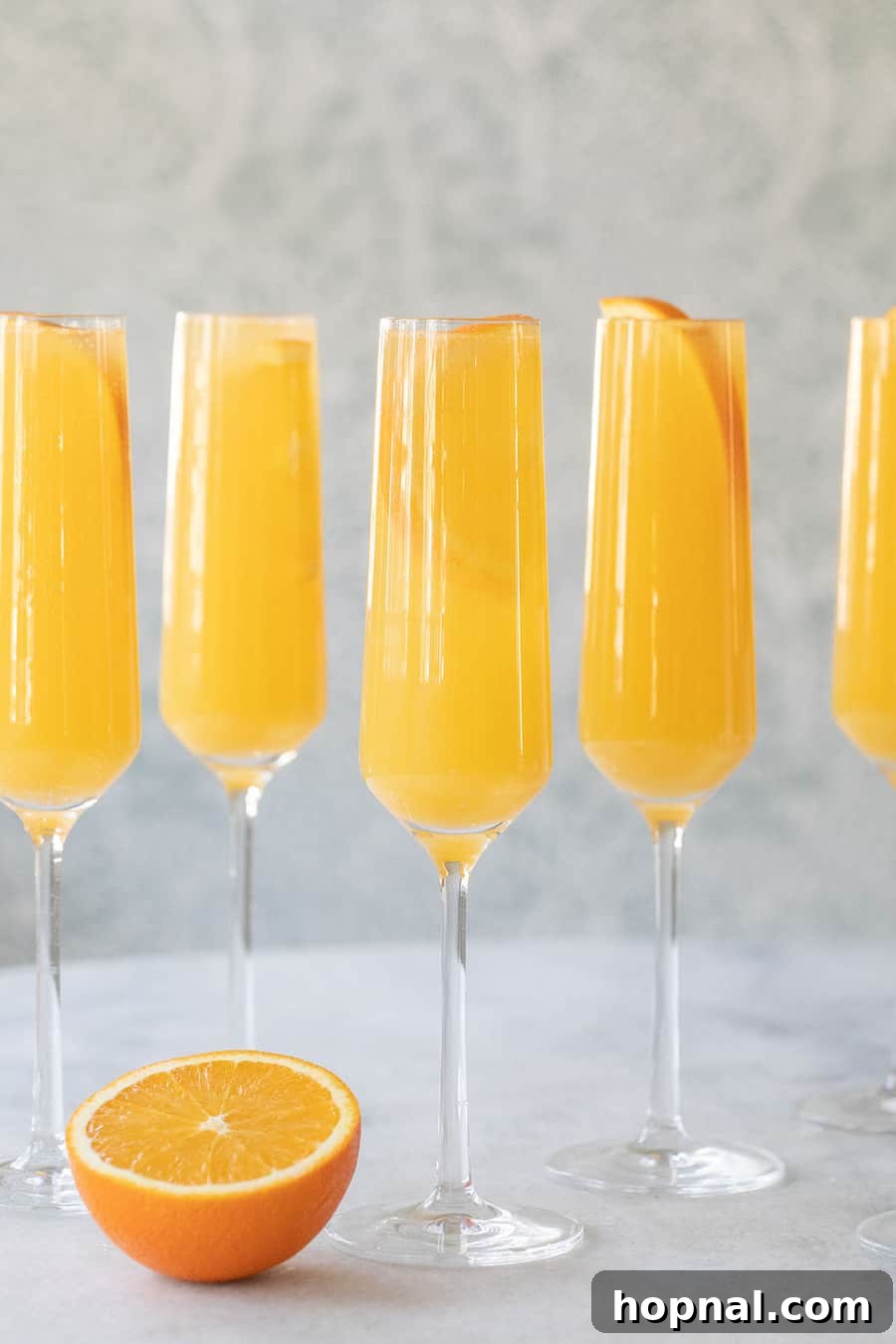
A classic mimosa calls for equal parts fresh orange juice and sparkling wine, traditionally served in an elegant Champagne flute. However, this ratio is merely a starting point. Some prefer a stronger, wine-forward drink with just a splash of orange juice, while others enjoy a lighter, sweeter concoction more akin to a Bucks Fizz (a British variation with a higher juice-to-wine ratio). Regardless of your preferred proportion, the cornerstone of an excellent mimosa is the quality of its two simple components.
While the word “Champagne” is often used broadly to describe any sparkling wine, it’s crucial to understand the distinction. True Champagne is a sparkling wine produced exclusively from grapes grown in the Champagne region of France, following specific methods. It often carries a higher price tag due to its unique terroir and rigorous production process. However, many outstanding sparkling wines from other regions – such as Prosecco from Italy, Cava from Spain, or American sparkling wines – offer superb quality and value, making them equally fantastic choices for your mimosas. The key is to select a sparkling wine that provides a beautiful balance to the sweetness and acidity of your chosen juice.
Premium Champagne Options for an Elevated Mimosa Experience
For those occasions that call for a touch of luxury, or when you simply want to savor the authentic taste of France, using genuine Champagne for your mimosas is a splendid choice. The complex notes, fine bubbles, and crisp acidity of traditional Champagne can elevate the simple mimosa into an affair of refined elegance. When selecting true Champagne, a “Brut” (dry) style is almost always recommended to prevent the cocktail from becoming overly sweet, allowing the nuanced flavors of both the wine and the orange juice to shine through.
Here are some of the finest Champagne brands that are celebrated for their quality and make exceptional mimosas, ideal for special celebrations or when you desire a truly sophisticated drink:
- Bruno Paillard Première Cuvée: Renowned for its delicate mousse, freshness, and elegant complexity. A superb choice for a discerning palate.
- Taittinger Brut La Française: Offers a delicate balance of fresh fruit and honeyed notes, with a crisp, persistent finish.
- Champagne André Clouet Grande Réserve Brut: A Grower Champagne known for its richness, depth, and a wonderful expression of Pinot Noir.
- Piper-Heidsieck Cuvée Brut: A lively and vibrant Champagne, consistent in its quality, featuring notes of citrus and fresh pear.
- Collet Brut: An expressive and balanced Champagne that perfectly captures the diversity and richness of its origins.
- De Margerie Grand Cru Brut: Sourced from Grand Cru vineyards, delivering exceptional finesse, structure, and depth of flavor.
- Champagne Marie De Moy Premier Cru: Showcases the exquisite character of Premier Cru grapes, offering a harmonious blend of fruit and elegance.
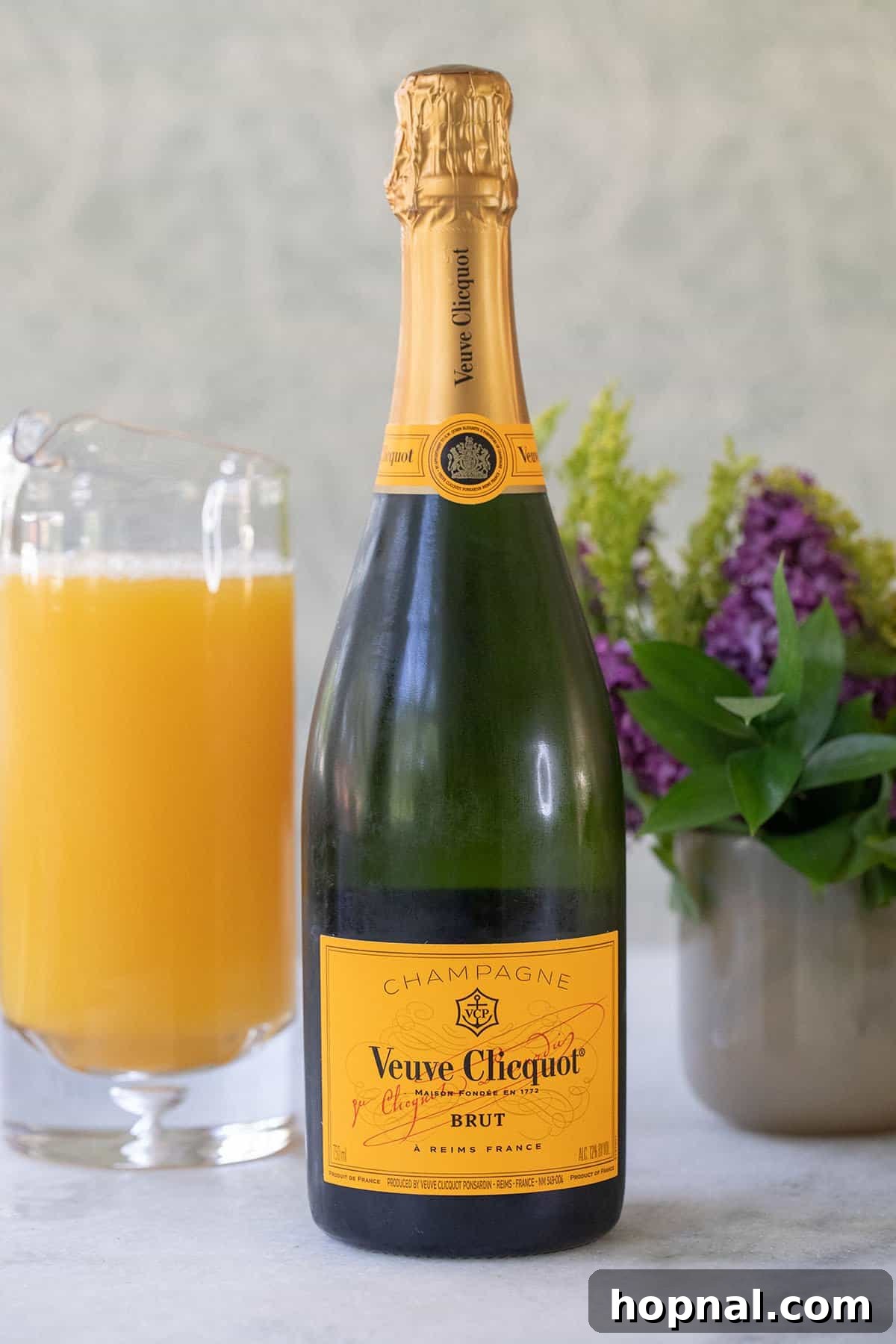
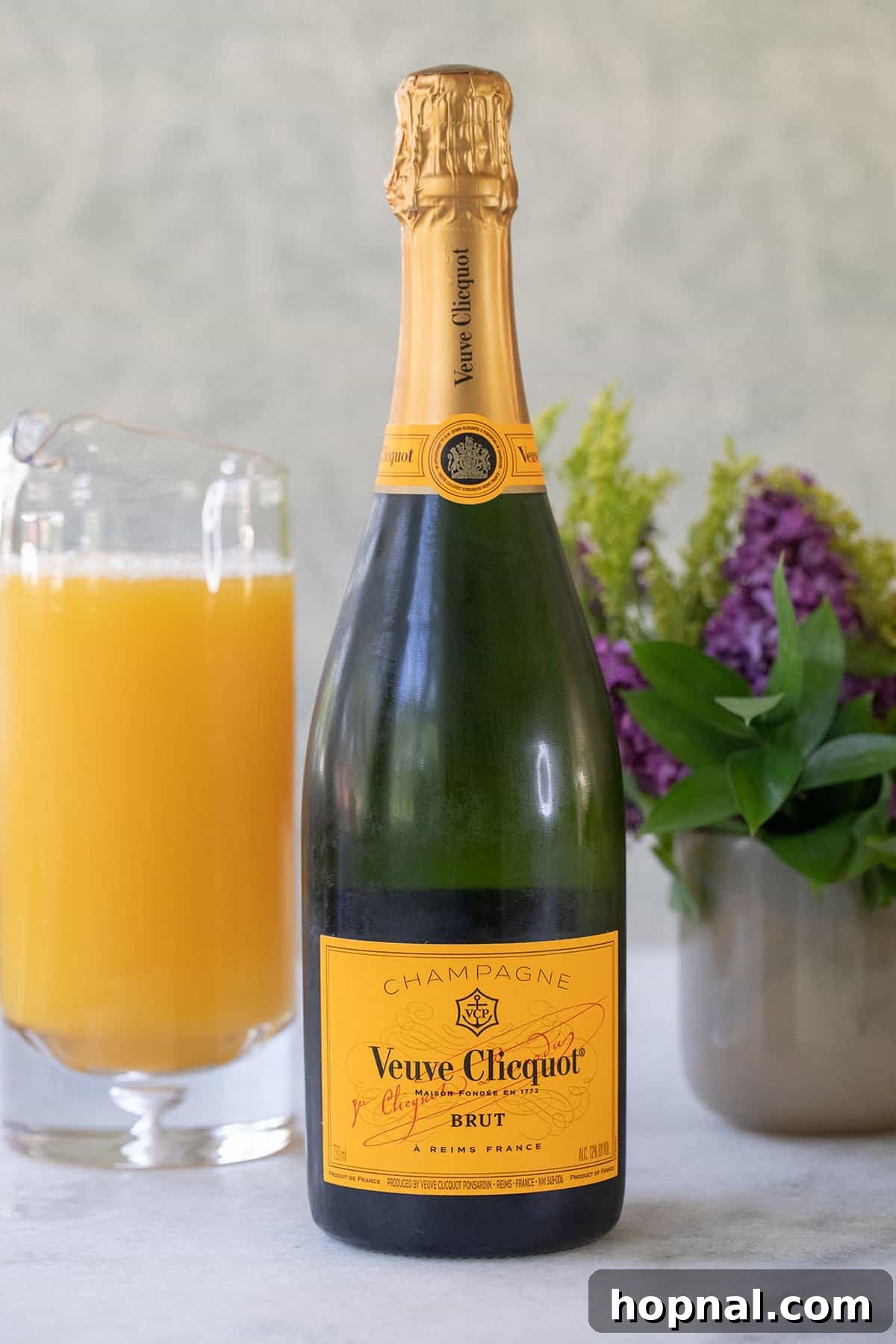
- Veuve Clicquot Yellow Label Brut Champagne: An iconic and widely recognized Champagne, famous for its golden hue, fine bubbles, and balanced toasted notes. A consistently excellent choice.
Investing in one of these bottles guarantees a mimosa that is not just a drink, but an experience, reflecting the craftsmanship and heritage of the Champagne region.
Budget-Friendly Brilliance: Accessible Sparkling Wines for Mimosas
While true Champagne often comes with a premium price tag, you don’t need to splurge to create a delicious mimosa. There’s an abundance of excellent, affordable sparkling wines that are perfectly suited for this beloved cocktail. These options provide fantastic value and consistent quality, making them ideal for larger gatherings, casual brunches, or simply when you want a delightful bubbly without the high cost of authentic French Champagne.
When searching for value, expand your horizons beyond Champagne to explore diverse sparkling wine regions. Many of these alternatives can be found for under $30, and some even closer to the $15-$20 range, offering great taste without compromising your budget:
- Feuillatte Brut Blue Label: While it’s a genuine Champagne, it occasionally appears at more accessible price points, especially during promotions, offering classic elegance for less.
- Perrier-Jouët Grand Brut: Another renowned Champagne that, when available in smaller formats or on sale, can be a delightful treat for budget-conscious connoisseurs.
- Moët & Chandon Impérial Brut: One of the world’s most famous Champagnes, often available in half-bottles which make it more affordable for a smaller batch of mimosas while still delivering recognizable quality.
- Veuve Clicquot Yellow Label Brut Champagne – Half Bottle: The smaller format of this iconic Champagne is a brilliant way to enjoy its renowned taste without the full expense, perfect for intimate brunches.
Excellent Sparkling Wine Alternatives (Not Champagne)
For truly outstanding value and delicious results, consider these sparkling wine types:
- Prosecco (Italy): Hailing from Italy, Prosecco is known for its light body, fresh fruit flavors (green apple, pear, melon), and often a slightly sweeter profile compared to Champagne. Most Proseccos are made using the Charmat method, which results in larger, fruitier bubbles. Look for “Brut” or “Extra Dry” Prosecco to strike a good balance with orange juice, ensuring your mimosa isn’t overly sugary.
- Cava (Spain): Spain’s answer to Champagne, Cava is produced using the traditional method, just like its French counterpart. This gives it a similar complexity, with notes of citrus, green apple, and sometimes a yeasty, biscuity character. Cava is typically dry and savory, making it an exceptional and often more affordable stand-in for Champagne in mimosas.
- Crémant (France, outside Champagne): Produced in various French regions (e.g., Crémant de Bourgogne, Crémant d’Alsace) outside of Champagne, Crémants also use the traditional method. They offer high quality, often with fine bubbles and nuanced flavors, at a fraction of Champagne’s cost. Most Crémants are dry and versatile.
- American Sparkling Wine: Wineries across the United States, particularly in California and Oregon, produce fantastic sparkling wines. Many use traditional methods and can offer a wide range of styles, from crisp Brut to fruit-forward options, often at very competitive prices. Brands like Chandon or Gloria Ferrer are reliable choices.
When selecting any sparkling wine for mimosas, the general rule of thumb is to opt for a “Brut” or “Extra Dry” label. This ensures the wine provides a refreshing counterpoint to the sweetness of the orange juice, resulting in a perfectly balanced and invigorating cocktail.
Dry vs. Sweet Champagne: The Ideal Match for Mimosas
When it comes to crafting the quintessential mimosa, the consensus among connoisseurs points to dry Champagne or sparkling wine as the superior choice. But why is dryness so important?
Dry sparkling wines, such as those labeled “Brut,” “Extra Brut,” or “Brut Nature,” contain minimal residual sugar. This inherent dryness provides a crisp, refreshing quality and a higher acidity that beautifully contrasts with the natural sweetness of fresh orange juice. The result is a balanced mimosa that is vibrant, invigorating, and not cloyingly sweet. A dry bubbly allows the citrus notes of the orange juice to shine, while its own subtle complexities add depth without overpowering the fruit.
Conversely, if you choose a sparkling wine that is too sweet (like a Demi-Sec or Doux), the mimosa can become unbalanced and sugary, losing its refreshing edge. The sweetness from the wine, when combined with the sweetness of the juice, can create a heavy, syrupy drink. Therefore, for a classic, sophisticated, and perfectly balanced mimosa, always reach for a dry sparkling wine.
Is Riesling Good for Mimosas? An Unexpected Delight
Yes, Riesling can be a wonderfully surprising and delicious choice for mimosas, especially if you opt for a sparkling Riesling. Known for its high acidity and distinct aromatic profile—ranging from crisp green apple and citrus to floral and sometimes petrol notes—Riesling brings a unique character to the cocktail. A dry or off-dry (slightly sweet) sparkling Riesling can introduce an intriguing complexity and zestiness that complements orange juice beautifully.
For the best results, look for German Rieslings, particularly those labeled “Sekt,” which denotes German sparkling wine. These often boast bright, zesty flavors and a refreshing effervescence that pairs exceptionally well with citrus. The inherent acidity of Riesling ensures that even a slightly sweeter varietal maintains balance within the mimosa, offering a delightful twist on the traditional recipe and showcasing the versatility of this grape.
Moscato for Mimosas: A Sweeter Celebration
If your palate prefers a mimosa with a pronounced sweetness, then Moscato is an excellent sparkling wine choice. Moscato wines, particularly the lightly effervescent Moscato d’Asti, are renowned for their aromatic bouquet, low alcohol content, and delightful sweetness, often featuring enticing notes of peach, apricot, and orange blossom. Its gentle fizz and vibrant fruitiness make it an incredibly approachable and enjoyable base for a sweeter style of mimosa.
The beauty of the mimosa truly lies in its incredible adaptability. Using Moscato allows you to transform the classic brunch drink into a more dessert-like or fruit-forward cocktail. This makes it a perfect option for those with a sweet tooth or for themed parties where a sweeter profile is desired. You can further enhance a Moscato mimosa by experimenting with various fruit juices that harmonize with its inherent sweetness, such as peach nectar (for a Bellini-style drink), pineapple juice, or even a blend of tropical fruits for an exotic and sweet concoction.
Decoding Champagne Sweetness Levels: Demi-Sec and Doux
Beyond the popular “Brut” classification, Champagne and sparkling wines are categorized by their sweetness level, determined by the amount of dosage (a mixture of wine and sugar) added after disgorgement. Understanding these terms is vital for choosing the perfect bubbly for your mimosa, especially if you’re looking to deviate from the classic dry style or want to learn about different Champagne profiles:
- Brut Nature / Zero Dosage: The driest style, with no added sugar. Extremely crisp and often intensely mineral.
- Extra Brut: Very dry, with minimal residual sugar (less than 6 grams per liter).
- Brut: The most common and popular dry style, containing up to 12 grams of sugar per liter. This is generally the go-to for traditional mimosas.
- Extra Dry / Extra Sec: Despite its name, this style is slightly sweeter than Brut, with 12-17 grams of sugar per liter. It can still work well for mimosas if you prefer a hint more sweetness.
- Sec: “Dry” in French, but in Champagne terms, it means noticeably sweet, with 17-32 grams of sugar per liter. Typically served with desserts.
- Demi-Sec: Meaning “half-dry,” this Champagne is significantly sweet, containing 32-50 grams of sugar per liter. It’s often paired with fruit tarts or lighter desserts. While unconventional for mimosas, it could be used with very tart juices for a unique balance.
- Doux: The sweetest category of Champagne, with over 50 grams of sugar per liter. It’s rare and almost exclusively served with rich desserts.
For most mimosa recipes, sticking to Brut is your safest bet for a balanced and refreshing drink. However, if you enjoy sweeter cocktails or are experimenting with extremely tart juices, understanding Demi-Sec and Doux can open up new possibilities for your mimosa creations.
Barefoot Bubbly for Mimosas: A Convenient Choice?
Barefoot Bubbly is a widely recognized and budget-friendly brand of sparkling wine produced in the United States. It’s important to note that Barefoot Bubbly is a sparkling wine, not a true Champagne, as it does not originate from the Champagne region of France. However, its accessibility and variety of styles make it a popular choice for many casual celebrations and mixed drinks, including mimosas.
Barefoot Bubbly offers several variations, including Brut Cuvée (dry), Extra Dry (slightly sweet), and Moscato (sweet). For a classic mimosa, selecting their Brut Cuvée would be the most suitable option, as its dryness helps to balance the sweetness of the orange juice. If you prefer a sweeter drink, their Moscato variant could also be used. While Barefoot Bubbly may not possess the intricate complexity of traditional Champagne, it serves as a perfectly acceptable and enjoyable base for a simple, refreshing mimosa, especially when hosting larger groups or when convenience and cost are primary considerations.
Top Sparkling Wine Brands to Elevate Your Next Mimosa
Beyond specific Champagne houses, many high-quality sparkling wine brands offer excellent choices for mimosas, often delivering remarkable value. These selections come from various wine-producing regions, each bringing its unique characteristics to your glass. This list provides diverse options, from traditional method sparklers to non-alcoholic alternatives, ensuring you can craft the perfect mimosa for any preference or occasion:
- Veuve Clicquot Demi-Sec (Champagne): While still a true Champagne, this Demi-Sec is on the sweeter side, making it a distinctive choice. It’s ideal for those who prefer a mimosa with a more pronounced sweetness, or for pairing with tart juices like cranberry or grapefruit to create a harmonious balance.
- Bodegas Naveran Brut Cava (Spain): An exceptional Cava, celebrated for its crispness, persistent fine bubbles, and delightful notes of green apple and citrus. Produced using the traditional method, it offers Champagne-like complexity at a fraction of the cost, making it an outstanding value.
- Cupcake Prosecco NV (Italy): A popular and readily available Prosecco that delivers a light, fruity, and refreshing experience. Expect bright notes of peach, pear, and honey. Its “NV” (Non-Vintage) designation assures consistent quality year after year, perfect for reliable mimosas.
- Mercat Brut Nature Cava (Spain): “Brut Nature” signifies a very dry style with no added sugar after fermentation (zero dosage). This Cava is incredibly crisp, clean, and refreshing, allowing the quality of the grapes and the purity of the wine to shine. It’s an excellent choice for a truly balanced and sophisticated mimosa.
- Poema Brut Cava (Spain): Another fantastic and affordable Cava option, widely praised for its vibrant acidity, bright citrus flavors, and lively bubbles. It’s a dependable choice that performs beautifully in any mimosa, offering great quality for its price point.
- TÖST Sparkling Non-Alcoholic Beverage (Non-Alcoholic): For guests who prefer to abstain from alcohol, or simply for a refreshing daytime alternative, TÖST provides an elegant non-alcoholic sparkling option. With its dry, crisp profile and notes of white tea, cranberry, and ginger, it’s an excellent base for a sophisticated “mock-mosa” or to diversify a mimosa bar.
The beauty of mimosas is their versatility. Feel encouraged to experiment with these different brands and styles to discover your ultimate favorite. The best sparkling wine for your mimosa is ultimately the one that brings you the most joy!
Perfect Occasions for Champagne Mimosas
Mimosas are far more than just a brunch cocktail; their light, refreshing, and festive nature makes them a perfect addition to a wide array of gatherings and celebrations. This simple yet elegant mixed drink effortlessly adds a touch of sparkle and joy to any event, making guests feel pampered and cherished. Here are some ideal occasions where mimosas truly shine:
- Brunch Parties: The classic pairing! Mimosas complement a diverse spread of sweet and savory brunch recipes, from fluffy pancakes and French toast to savory quiches, eggs Benedict, and fresh fruit platters.
- Birthday Celebrations: Whether it’s an intimate gathering or a lively party, mimosas instantly inject a celebratory mood. They’re a fantastic choice for charming adult birthday ideas, adding a touch of elegance without being overly formal.
- Bridal Showers & Baby Showers: These special daytime events benefit from a light, sophisticated, and universally appealing drink. Mimosas are perfect for a delightful bridal shower tea party or a chic modern baby shower.
- Holiday Gatherings: From Christmas morning festivities and Easter brunches to Mother’s Day celebrations and New Year’s Day toasts, mimosas add a festive and celebratory sparkle to holiday traditions.
- Graduation Parties: Commemorate academic achievements with a bubbly and joyful toast. Mimosas are a wonderful complement to charming graduation party ideas, symbolizing new beginnings.
- Casual Get-Togethers & Outdoor Events: Easy to prepare and even easier to enjoy, mimosas are ideal for laid-back outdoor events. Think a colorful backyard carnival party, a relaxing outdoor movie night, or a vibrant tropical summer party.
- Any Last-Minute Celebration: Thanks to their simple two-ingredient formula, mimosas are a perfect go-to for throwing a last-minute birthday party or any spontaneous occasion that calls for a quick, impressive toast.
Their sheer versatility and ease of preparation make mimosas a stress-free yet impressively elegant drink option for any host, ensuring your guests always feel special and celebrated.
Setting Up the Ultimate Mimosa Bar
A mimosa bar is an incredibly fun, interactive, and visually appealing way to entertain guests, allowing everyone to become their own mixologist. It elevates a simple brunch into a memorable, personalized experience. Here’s a detailed guide on how to set up an unforgettable mimosa bar that will delight all your attendees:
Essential Components for Your Mimosa Bar:
- A Diverse Sparkling Wine Selection: Offer at least two distinct options. A classic Brut Champagne or dry sparkling wine is essential. Complement this with a slightly sweeter Prosecco or a non-alcoholic sparkling beverage like TÖST, catering to all preferences. Ensure all bottles are thoroughly chilled before display.
- An Array of Fresh Juices: While fresh-squeezed orange juice is mandatory, expand your offerings with 2-3 additional juice varieties. This allows for exciting flavor combinations:
- Classic Orange Juice: Always have plenty, preferably freshly squeezed for superior taste.
- Grapefruit Juice: For a refreshing, slightly tart “Mega Mimosa.”
- Cranberry Juice: Adds a beautiful crimson color and tartness, perfect for holiday-themed “Poinsettia” mimosas.
- Pineapple Juice: Brings a sweet, tropical flair.
- Peach Nectar or Purée: For elegant Bellinis, offering a smooth, fruity texture.
- Blood Orange Juice: Offers a stunning color and a unique, slightly berry-like flavor.
- Fresh Fruit Garnishes: These are crucial for visual appeal, added flavor, and a touch of gourmet flair. Arrange them in small, attractive bowls:
- Sliced citrus (oranges, lemons, limes, grapefruit wheels)
- Fresh berries (strawberries, raspberries, blueberries, blackberries)
- Pomegranate seeds (for a burst of color and slight tartness)
- Fresh herb sprigs (mint, rosemary)
- Optional Liqueurs and Syrups for Customization: For an extra layer of sophistication and flavor, consider adding a few small bottles of liqueurs:
- Orange Liqueur (e.g., Grand Marnier, Cointreau): Deepens the orange flavor and adds complexity.
- Peach Schnapps: Enhances the Bellini experience with extra peachiness.
- Elderflower Liqueur (e.g., St-Germain): Imparts a delicate, fragrant floral note.
- Flavored Simple Syrups: Homemade or store-bought syrups like raspberry, lavender, or ginger can add subtle sweetness and unique aromas.
Presentation and Setup Tips for a Stunning Mimosa Bar:
- Elegant Glassware: Provide an ample supply of clean Champagne flutes or attractive wine glasses.
- Clear Labeling: Label each juice, sparkling wine, and liqueur clearly. This guides guests and adds to the aesthetic.
- Keep Everything Chilled: Use stylish ice buckets for sparkling wines and ensure juices are kept cold, perhaps in attractive carafes or pitchers.
- Small Bowls for Garnishes: Use various decorative bowls, ramekins, or small serving dishes for fruits and herbs.
- Serving Utensils: Include tongs for garnishes and small spoons for purées or syrups.
- Guidance for Guests: A small, tasteful sign with suggested mimosa ratios (e.g., “Start with 2 parts bubbly, 1 part juice, then customize!”) can be helpful for first-time mimosa bar visitors.
- Decorations: Integrate your mimosa bar into your overall party theme with flowers, signage, or decorative linens.
A thoughtfully arranged and well-stocked mimosa bar is more than just a drink station; it becomes a vibrant focal point of your event, encouraging interaction, conversation, and ensuring every guest can craft their ideal bubbly concoction. It’s a sure way to add flair and fun to any celebration!
For those eager to expand their wine knowledge, explore our comprehensive wine serving guide and discover various types of wine with our detailed chart. And if you’re looking for more delightful orange juice cocktails, we’ve compiled a wealth of the best orange juice cocktail recipes that are perfect for any brunch occasion!
Creative Mimosa Variations to Explore
The classic orange juice mimosa is a beloved staple, but its simple, two-ingredient structure makes it incredibly versatile for creative twists. By experimenting with different juices, purées, and even a splash of liqueur, you can unlock a whole new spectrum of mimosa experiences. These variations are perfect for adding a unique touch to your brunch spread or catering to diverse tastes:
- Carrot and Blood Orange Mimosa: A surprisingly delightful and vibrant variation. Combining the earthy sweetness of fresh carrot juice with the distinct tartness and beautiful color of blood orange juice, topped with sparkling wine, creates a visually stunning and complex drink.
- Grapefruit Mimosa (Mega Mimosa): For those who appreciate a zestier, slightly bitter profile, swapping orange juice for grapefruit juice offers a wonderfully refreshing and sophisticated alternative. Often called a “Mega Mimosa” or “Blushing Mimosa” if using pink grapefruit, it’s invigorating and less sweet.
- Lemonade Mimosa with Blood Orange: This bright and zesty variation combines the tangy freshness of lemonade with the unique, slightly berry-like flavor and rich hue of blood orange juice, all finished with sparkling wine. It’s incredibly refreshing and perfect for warm weather or a lively gathering.
- Cranberry Mimosa (Poinsettia): A festive favorite, particularly popular during the holiday season. The tartness of cranberry juice, often with a hint of lime or orange liqueur, creates a beautiful red cocktail that is both balanced and visually striking.
- Pineapple Mimosa: Transport your guests to a tropical paradise with this sweet and tangy variation. Pineapple juice offers a juicy, vibrant base that pairs wonderfully with a dry sparkling wine, creating an exotic and refreshing drink.
- Bellini (Peach Mimosa): While technically a Bellini, this elegant, peach-based sparkling cocktail is a close cousin to the mimosa and equally adored. Made with fresh peach purée or high-quality peach nectar, it offers a smooth, sweet, and luxurious experience, especially with a dry Prosecco or sparkling wine.
The secret to successful mimosa variations lies in finding the perfect harmony between the sweetness and acidity of your chosen juice or purée and the dryness of your sparkling wine. Don’t shy away from experimenting with different fruit combinations, a dash of liqueur, or fresh herbs to create a signature mimosa that truly expresses your creativity.
Easy Classic Mimosa Recipe
Crafting a perfect classic mimosa is delightfully simple, requiring minimal effort for maximum enjoyment. This recipe is designed for a single serving but can be easily scaled to accommodate any number of guests. Enjoy the crisp, refreshing taste of this brunch favorite!
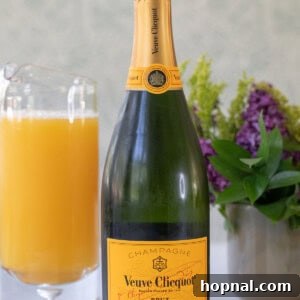
Best Champagne for Mimosas – Classic Mimosa Recipe
By: Eden
A simple yet elegant recipe covering everything you need to know for the best Champagne for mimosas.
Ingredients
- 3 ounces Chilled Champagne or Sparkling Wine (Brut recommended)
- 3 ounces Freshly Squeezed Orange Juice (chilled)
Instructions
-
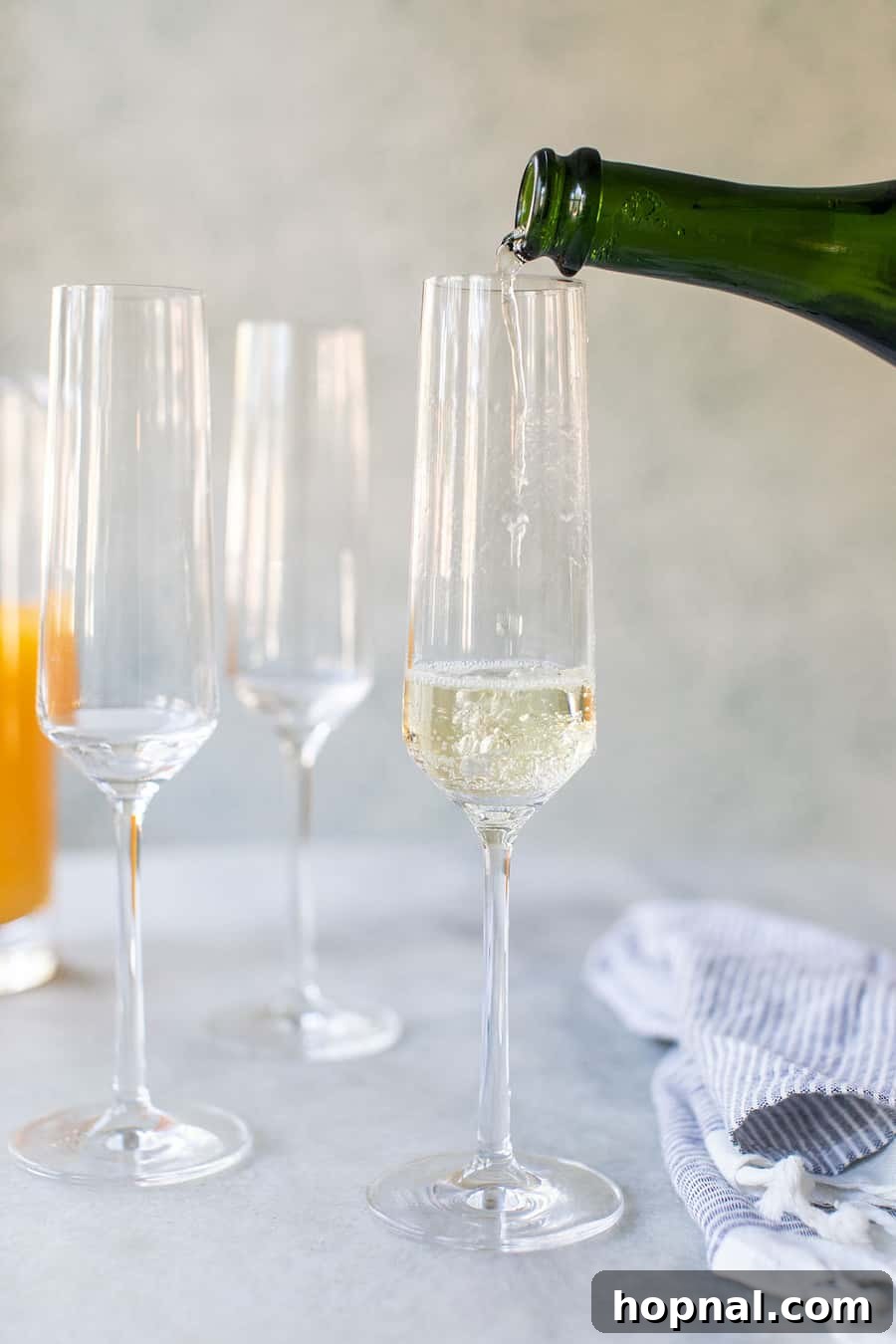
Gently pour the chilled Champagne or sparkling wine into a Champagne flute, filling it halfway or three-quarters, depending on your preferred ratio.
-
Slowly top with an equal amount (or your desired ratio) of freshly squeezed, chilled orange juice. Pouring gently helps to preserve the delicate bubbles.
-
Serve immediately and savor! For an optional touch, garnish with a thin orange slice or a fresh berry.
Nutrition (Approximate per serving)
Carbohydrates: 10 g
Protein: 1 g
Fat: 1 g
Saturated Fat: 1 g
Polyunsaturated Fat: 1 g
Monounsaturated Fat: 1 g
Sodium: 7 mg
Potassium: 245 mg
Fiber: 1 g
Sugar: 8 g
Vitamin A: 170 IU
Vitamin C: 43 mg
Calcium: 17 mg
Iron: 1 mg
Nutrition information is automatically calculated, so should only be used as an approximation.
We’d love to hear your thoughts on the best Champagne or sparkling wine for mimosas! What’s your favorite bottle for crafting this delightful drink, and do you have any secret tips for elevating your mimosa game or unique variations you love?
You can also FOLLOW US on FACEBOOK, INSTAGRAM, and PINTEREST to see more delicious recipes, cocktails, desserts, and party ideas!