

Delicious & Compliant Whole30 Desserts: Satisfy Your Sweet Tooth Naturally
Embarking on a Whole30 journey signifies a powerful commitment to a complete dietary reset. This immersive program meticulously guides participants to remove added sugar, dairy, legumes, and grains from their diet for a full 30 days. While the core philosophy of Whole30 centers on whole, unprocessed foods and resetting your relationship with eating, let’s be honest: the craving for something sweet is a common human experience that can be incredibly difficult to ignore.
We’ve certainly heard the buzz about “Whole30 dessert” recipes, and while the program’s official stance often discourages recreating traditional treats, we firmly believe you don’t need to completely deprive yourself of a little natural sweetness. With a remarkable 5% of Americans participating in the Whole30 diet, it’s clear that countless individuals are seeking a healthier, more mindful approach to food. This widespread popularity naturally leads to numerous frequently asked questions about Whole30 rules, approved foods, and how to successfully navigate the program’s challenges – especially when a sweet tooth strikes. This comprehensive guide aims to illuminate your path, offering clear answers to your burning Whole30 questions and introducing you to nine absolutely delicious, compliant Whole30 sweet treats that will inspire you to stick to your healthy eating plan, happily and healthily, without feeling deprived.
What Exactly is Whole30? Understanding the Program’s Philosophy
Whole30 is far more than just another diet; it’s a 30-day nutritional program meticulously designed to transform your relationship with food, cravings, and overall health. Launched in 2009 by Melissa Hartwig Urban and Dallas Hartwig, this increasingly popular lifestyle encourages participants to eliminate potentially inflammatory and problematic food groups for an entire month. The core culprits to remove are added sugar (both real and artificial), alcohol, grains (even gluten-free ones), most legumes (including beans, lentils, and peanuts), all dairy products, and any highly processed additives like MSG, carrageenan, or sulfites.
The beauty of Whole30 lies in its emphasis on real, natural ingredients, rather than promoting tasteless “substitute” foods or requiring the purchase of specific brands. Participants are encouraged to explore their palate, get creative in the kitchen, and cook with fresh, wholesome components. The program’s biggest goal extends significantly beyond mere weight loss. The true objective is to identify any potential food sensitivities or intolerances you might have that contribute to discomfort, pain, fatigue, digestive issues, or other chronic health concerns. By systematically removing common triggers like dairy, gluten, and sugar, you establish a baseline to truly understand how your body feels without them. The profound insights gained during the crucial reintroduction phase, where you gradually bring back food groups and observe your body’s reactions, can lead to sustainable, long-term healthy eating habits and a deeper understanding of what truly nourishes you.
The Whole30 Sweet Treat Dilemma: Finding Balance Without Derailing Progress
Officially, the Whole30 program advises against creating “desserts” or “treats,” even if meticulously crafted with compliant ingredients. This strict guideline is rooted in what the program creators term the “Sex With Your Pants On” (SWYPO) philosophy. The idea is that by attempting to replicate unhealthy habits (like eating brownies or ice cream) using Whole30-approved ingredients, you risk failing to truly break your psychological dependence and emotional associations with those foods. The program aims for a fundamental shift in your relationship with food, fostering true food freedom rather than simply finding compliant alternatives to old cravings.
However, for many participants, especially those new to such rigorous dietary changes, completely abstaining from any form of sweet indulgence can feel incredibly challenging and sometimes unsustainable. In such cases, occasional, naturally sweet, Whole30-compliant options can prove to be a valuable tool for maintaining motivation and mental well-being throughout the program. These aren’t intended to be daily indulgences or replacements for every meal, but rather mindful choices for those moments when a genuine craving for sweetness arises, or to celebrate a small milestone.
The key distinction lies in differentiating between genuinely replicating a non-compliant treat (which might indeed trigger old habits) and simply enjoying naturally sweet whole foods in a new and exciting way. Our curated list of Whole30 sweet treats embraces this nuanced philosophy. These recipes focus on highlighting the inherent deliciousness of approved ingredients, providing satisfying flavor and texture without relying on processed sugars or mimicking traditional desserts in a way that compromises the spirit of your reset. They offer a moment of compliant enjoyment without derailing your progress.
As you explore healthier eating, you might find yourself interested in other dietary approaches. Check out these delicious Keto cake recipes too! While distinct from Whole30, they offer another avenue for mindful, low-carb indulgence and expanding your repertoire of healthy sweets.
9 Whole30 Compliant Sweet Treats You’ll Love
Craving something sweet but determined to stick to your Whole30 commitments? You don’t have to suffer through 30 days of deprivation! We’ve rounded up nine delightful, Whole30-approved sweet treat recipes that will inspire and satisfy your cravings using only wholesome, compliant ingredients. Get ready to discover a happier, healthier way to indulge your sweet tooth!
1. Chocolate and Coconut Almond Joy Bars by 40 Aprons
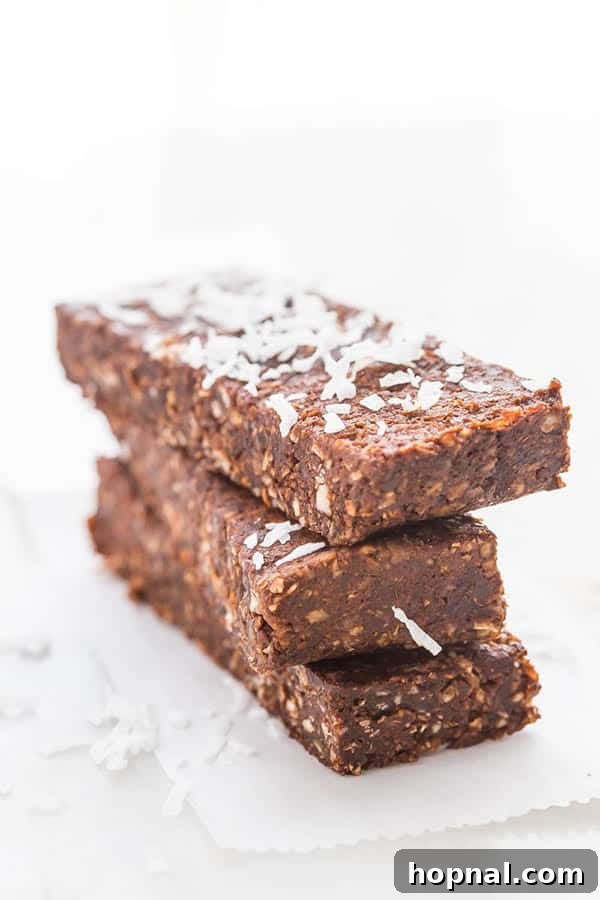
Forget store-bought candy bars laden with refined sugars and additives; these Chocolate and Coconut Almond Joy Bars are an absolute game-changer for anyone on Whole30. Similar in their satisfying chewiness and portability to popular Lara Bars, they deliver a rich, deeply satisfying burst of flavor. Crafted with simple, whole ingredients like dates for natural sweetness, unsweetened cocoa powder for a rich chocolate depth, shredded coconut for texture, and crunchy almonds, they are incredibly easy to prepare. These bars serve as a fantastic on-the-go snack, a pre-workout fuel, or a perfectly portioned bite when you need a mindful touch of sweetness. The natural sugars from dates beautifully balance the intense chocolate and nutty almond notes, making this a truly delightful and compliant indulgence that won’t leave you feeling guilty.
2. Roasted Strawberries and Coconut Cream by Brooklyn Supper

Imagine the vibrant, inherent sweetness of fresh strawberries, profoundly enhanced and deepened by a gentle roast, then perfectly paired with a dollop of airy, homemade whipped coconut cream. Sounds like an absolute dream, doesn’t it? This elegant yet incredibly simple recipe elevates natural fruit to a sophisticated Whole30 sweet treat that feels luxurious but is entirely compliant. Roasting the strawberries not only brings out their natural sugars, concentrating their flavor, but also creates a wonderfully tender, almost jammy texture. The rich, velvety, and subtly sweet coconut cream provides a decadent, cooling contrast that makes this a perfect “dessert” for a special occasion, a comforting evening indulgence, or a healthy breakfast topping. It’s proof that sometimes, the simplest ingredients yield the most extraordinary flavors.
3. Coconut Almond Butter Truffles by Running to the Kitchen

When time is of the essence but your sweet tooth absolutely demands attention, these Coconut Almond Butter Truffles are your ultimate Whole30 savior. This incredibly simple, no-bake recipe typically requires just three core ingredients: creamy, unsweetened almond butter, finely shredded unsweetened coconut, and often a natural binder/sweetener like a small amount of date paste (ensuring it’s 100% Whole30 compliant without any added sugars). They come together in mere minutes, requiring minimal effort and no cooking. The result is a rich, nutty, subtly sweet bite that’s perfect for a quick energy boost, a discreetly indulgent treat on the go, or a satisfying ending to a meal. These truffles powerfully demonstrate that satisfying your cravings on Whole30 can be both effortless and utterly delicious, without compromising your commitment to whole foods.
4. Caramelized Banana Pecan Coconut Milk Ice Cream by My Natural Family

For those who thought genuine ice cream was strictly off-limits on Whole30, prepare to have your preconceptions delightfully shattered! This Caramelized Banana Pecan Coconut Milk Ice Cream offers an incredible flavor combination that is pure perfection in a bowl. The deep, mellow sweetness of caramelized bananas, the satisfying crunch and earthy notes of pecans, and the rich, creamy texture imparted by full-fat coconut milk come together to create a truly luxurious and indulgent frozen treat. This recipe is an ingenious way to satisfy a deep sweet tooth craving without a single non-compliant ingredient. It serves as compelling proof that you can indeed enjoy a decadent, frozen “dessert” experience while still adhering to your Whole30 goals and embracing naturally delicious ingredients. It’s a sweet-tooth satisfying delight that you’ll want to make again and again.
5. Sautéed Apples and Pears with Coconut Butter by Paleo Running Momma
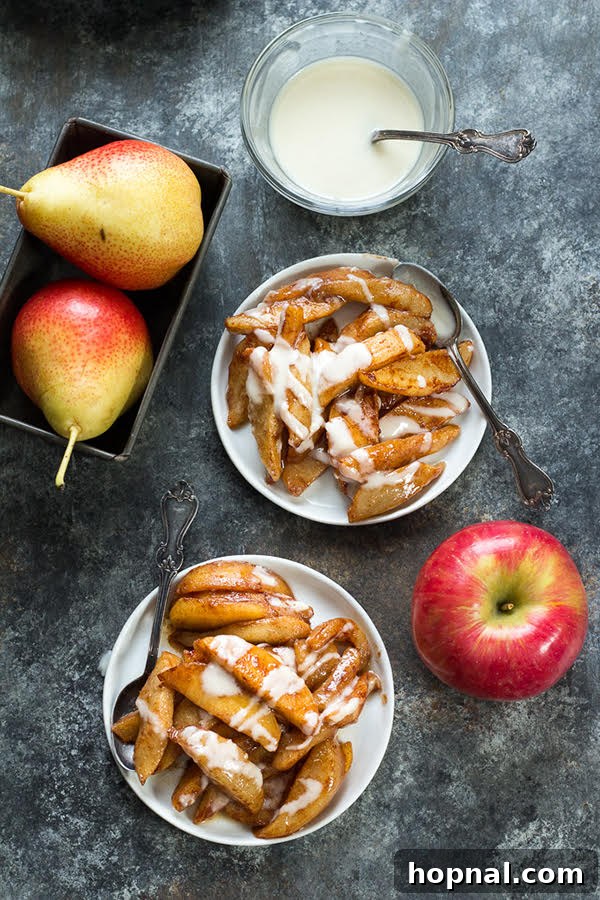
It truly doesn’t get much simpler, more wholesome, or more comforting than this humble yet elegant dish. Sautéed Apples and Pears with Coconut Butter is a wonderfully easy, warm, and deeply satisfying Whole30 compliant treat that feels like a hug in a bowl. By gently cooking slices of apples and pears, their natural sugars caramelize beautifully, intensifying their inherent sweetness and softening their texture to a tender perfection. A generous swirl of creamy, rich coconut butter melts enticingly over the warm fruit, adding a luxurious mouthfeel, healthy fats, and a subtle hint of tropical flavor. This wholesome “dessert” is a testament to how incredible simple, real ingredients can be when thoughtfully prepared, making it an ideal choice when you crave something sweet, warm, and nurturing without any fuss or complicated steps.
6. Clean Chocolate Cupcakes by Monika Hibbs

For many, the mere thought of living without chocolate cupcakes for 30 days is simply unbearable, making adherence to Whole30 feel like a monumental sacrifice. Monika Hibbs steps in with an ingenious solution: these “Clean Chocolate Cupcakes.” While the term “cupcake” might raise an eyebrow from Whole30 purists, this recipe ingeniously uses compliant ingredients to deliver a deeply satisfying chocolate flavor and a remarkably similar texture. Expect to find ingredients like unsweetened cocoa powder, natural fruit purees (like dates or bananas for sweetness), and wholesome flour alternatives (such as almond or coconut flour to ensure no grains). These are truly well-deserved treats for those moments when only the rich, comforting taste of chocolate will suffice, offering a mindful and delicious way to enjoy a classic sweet while staying true to your commitment to healthier eating and the Whole30 framework.
7. Banana Almond Chia Seed Pudding by Simply Veganista
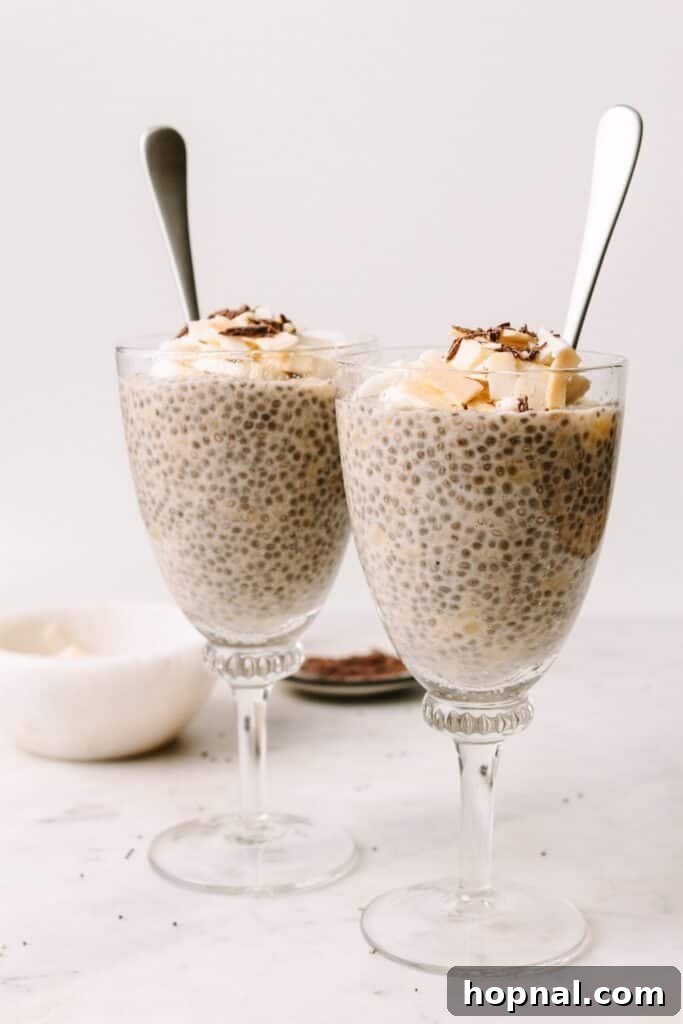
If you’re a huge fan of anything with chia seeds, especially the wonderfully versatile chia seed pudding, then this Banana Almond Chia Seed Pudding will quickly become your new Whole30 favorite. This recipe brilliantly combines the creamy texture and natural sweetness of ripe bananas with the nutty goodness of unsweetened almond milk and the incredible thickening, nutrient-dense power of chia seeds. It’s a powerhouse packed with fiber, healthy omega-3 fatty acids, and natural sweetness, making it a fantastic option for a satisfying, make-ahead breakfast or a light, refreshing sweet treat. The sheer simplicity of preparation – often just a quick mix and chilling overnight – makes it a perfect grab-and-go solution that keeps you fueled, happy, and fully adherent to your Whole30 guidelines. Garnish with a few fresh berries for an added burst of flavor and antioxidants.
8. Cantaloupe Nice Cream Bowls by Get Inspired Everyday
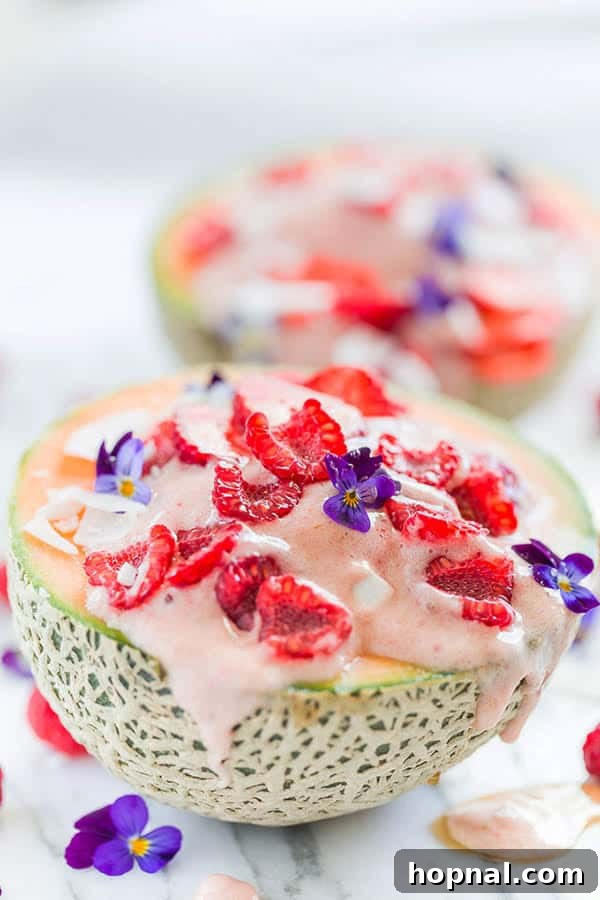
Nice cream is incredibly fun to make and even more delicious to eat, offering a guilt-free way to enjoy a frozen treat. These Cantaloupe Nice Cream Bowls offer a brilliantly unique and refreshing twist on the classic banana-based frozen dessert. While traditional nice cream often relies heavily on bananas (which are Whole30 compliant, though officially discouraged for “mock desserts” due to the SWYPO rule), this recipe innovates by harnessing the naturally sweet and incredibly refreshing flavor of frozen cantaloupe. It’s a vibrant, subtly sweet, and wonderfully cooling option that’s absolutely perfect for warmer days, a post-workout cool-down, or simply when you crave a light, fruity “dessert.” If you appreciate and embrace the natural flavors of fruit as your sweet indulgence, then this cantaloupe nice cream bowl is an absolute must-try. You can also explore our general nice cream recipe here for other compliant variations and inspiration.
9. Three Ingredient Brownies by PopSugar
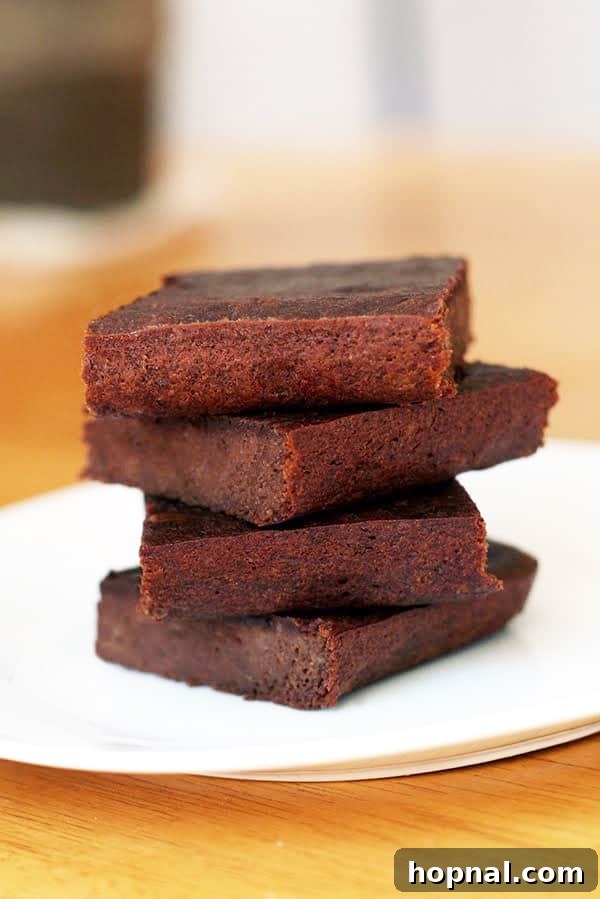
Just like the challenge of giving up chocolate cupcakes, the idea of forgoing fudgy brownies for 30 days can be a truly daunting prospect for many. Thankfully, PopSugar delivers with an ingenious and surprisingly simple recipe for “Three Ingredient Brownies” that remarkably aligns with Whole30 principles. While the exact trio of ingredients may vary, they typically involve ripe bananas for natural sweetness and binding, unsweetened cocoa powder for that deep chocolate flavor, and a creamy, compliant nut butter like almond butter for richness and texture. The magic of this recipe lies in its sheer simplicity and its impressive ability to deliver that coveted fudgy, intensely chocolatey goodness without any added sugars, grains, or dairy. These compliant brownies are a delightful and truly satisfying way to appease your most intense chocolate cravings, proving definitively that you don’t have to sacrifice flavor or indulgence to adhere to a healthy eating plan. You absolutely have to try this surprisingly good recipe!
Frequently Asked Whole30 Questions: Your Guide to Success
Navigating the Whole30 program can initially feel overwhelming, especially with its extensive set of rules and guidelines. To empower you on your journey, we’ve compiled clear and concise answers to some of the most frequently asked questions about Whole30, ensuring you have the clarity and confidence you need to succeed and embrace this transformative program.
What Can You Eat on Whole30? The Approved Food List for Your Reset
Strictly adhering to the Whole30 food list is paramount for the program’s intended success. A foundational rule dictates: if you “break” the diet by consuming even a single non-compliant item, you are strongly encouraged to reset your calendar back to Day 1. This rigorous approach is designed to reinforce commitment and allow your body to fully experience the reset without interruption, leading to more accurate insights during the reintroduction phase.
Here’s a detailed breakdown of what you *can* and should be eating in abundance on Whole30:
- Protein: Prioritize ample amounts of high-quality animal proteins such as meat (beef, pork, lamb), poultry (chicken, turkey, duck), seafood (salmon, cod, shrimp, scallops), and eggs. Opt for pasture-raised, grass-fed, and wild-caught options whenever possible for optimal nutrition.
- Vegetables: All vegetables are not just allowed, but enthusiastically encouraged! Fill your plate with a diverse array, including leafy greens (spinach, kale, collards), cruciferous vegetables (broccoli, cauliflower, Brussels sprouts), root vegetables (sweet potatoes, carrots, parsnips), and colorful produce like bell peppers, zucchini, and asparagus.
- Fruit: Enjoy fruits in moderation, focusing on whole, unprocessed options. Berries (strawberries, blueberries, raspberries), apples, bananas, oranges, and melons are all excellent choices. Remember, the focus is on eating whole fruits, not fruit juices, which lack fiber and can spike blood sugar.
- Healthy Fats: Incorporate natural, unrefined fats into your cooking and meals. Excellent choices include olive oil, coconut oil, avocado oil, and ghee (clarified butter, as milk solids are removed). Whole, unprocessed nuts and seeds (with the crucial exception of peanuts, which are legumes) like almonds, cashews, walnuts, chia seeds, and flax seeds are also fantastic sources of healthy fats. Avocados are another stellar choice!
- Herbs & Seasonings: Don’t shy away from using a generous amount of fresh and dried herbs and spices to flavor your food. Always read labels meticulously to ensure there are no hidden added sugars, MSG, sulfites, or other non-compliant ingredients.
There are also a few specific Whole30-approved exceptions worth knowing about that might initially surprise you, but are permitted due to their nutritional profile or processing:
- Ghee or Clarified Butter: While all other forms of dairy are strictly eliminated, ghee is allowed because the milk solids (which contain lactose and casein, common digestive irritants) have been carefully removed, leaving only the pure, flavorful butterfat.
- Specific Legumes: Green beans and sugar snap peas are botanically classified as legumes, but nutritionally, they behave more like vegetables due to their low lectin content and are therefore allowed. However, all other beans, lentils, chickpeas, and peanuts remain strictly off-limits.
- Natural Flavor Enhancers: Common pantry staples like salt, coconut aminos (a soy sauce alternative), various vinegars (such as apple cider vinegar, balsamic, red wine vinegar – always double-check labels for added sugar!), and natural fruit juice (when used as an ingredient, not consumed as a beverage) are all approved for adding depth to your dishes.
If you’re interested in making your own delicious and compliant meals or snacks, like a yogurt-inspired bowl (using coconut cream as a dairy-free base!), check our post here for creative and wholesome inspiration.
Are Bananas Whole30 Foods? Addressing the “SWYPO” Rule and Fruit Consumption
The simple and definitive answer is yes, bananas are absolutely allowed under the Whole30 rules! As a natural, unprocessed fruit, they are a fantastic source of quick energy, potassium, and other essential vitamins and minerals. The most recommended and safest way to enjoy a banana on Whole30 is whole, either fresh or frozen, as a quick snack, blended into a compliant smoothie with other fruits and vegetables, or as part of a balanced meal. This approach aligns perfectly with the program’s guidelines for fruit consumption.
However, it’s crucial to understand the nuances, especially concerning the program’s official stance on “mock foods.” The official Whole30 rules *do* strongly discourage the use of bananas in recipes specifically designed to mimic non-compliant treats, such as “mock ice cream” (like many “nice cream” recipes that are purely banana-based) or healthy pancakes. This is precisely where the concept of “SWYPO” (Sex With Your Pants On) comes into play. The philosophical thinking behind this rule is that by creating compliant versions of old comfort foods or indulgent treats, you’re not truly “unlearning” to enjoy those foods or breaking the deep-seated psychological habits and emotional associations connected to them. The program fundamentally aims to reset your mindset around cravings, emotional eating, and sugar dependency, rather than simply finding healthy substitutes that perpetuate similar behavioral patterns.
While the spirit of the SWYPO rule holds significant validity and is vital for many to achieve a true reset, many Whole30 participants find that occasionally enjoying a naturally sweet, fruit-based treat made with compliant ingredients – like a banana “nice cream” – can be a practical and necessary way to sustain motivation throughout the program and prevent feelings of extreme deprivation. The key is moderation and mindfulness: ensuring these types of treats remain the exception, not a daily habit, and that they don’t trigger old, unhealthy patterns of emotional eating or sugar cravings. Ultimately, it’s about finding what works best for *your* individual journey towards a healthier and more balanced relationship with food, integrating these compliant options thoughtfully into your overall Whole30 experience.
Are Whole30 and Keto Similar? Understanding the Key Differences in Approach
While both Whole30 and the Ketogenic (Keto) diet are popular dietary approaches that advocate for the removal of certain food groups, their underlying objectives, core philosophies, and specific meal plans are quite distinctly different. The only fundamental commonality Whole30 and Keto truly share is that they are both structured eating plans designed to promote health and well-being, albeit through very different mechanisms.
- Whole30’s Objective: Whole30 is primarily an elimination and reintroduction diet focused on identifying food sensitivities, resetting cravings, improving gut health, and fostering a healthier, more intuitive relationship with whole, unprocessed foods. It is designed as a short-term reset (30 days) with a crucial, systematic reintroduction phase to pinpoint individual food triggers and build sustainable eating habits. Its emphasis is on food *quality*, *ingredient integrity*, and the *effect* food has on the body.
- Keto’s Objective: In contrast, the Ketogenic diet is specifically designed to push your body into a metabolic state called ketosis, where it primarily burns fat for energy instead of carbohydrates. This metabolic state is typically achieved through a very high-fat, moderate-protein, and very low-carbohydrate intake, often maintained for extended periods. Keto’s emphasis is on *macronutrient ratios* to achieve and sustain a specific metabolic state, primarily for weight loss, improved energy, or therapeutic purposes.
Here’s a clearer, more detailed comparison of key dietary components:
- Carbohydrates: On Keto, you are required to severely restrict carbohydrate intake, often to a mere 20-50 grams per day. This limitation extends even to natural carbohydrates found in many healthy whole foods like a wide variety of fruits and starchy vegetables. On Whole30, all fruits and non-starchy and starchy vegetables are not only allowed but enthusiastically encouraged as sources of fiber, vitamins, and minerals, without strict carbohydrate limits.
- Fats: Keto emphasizes a very high fat intake from specific sources (e.g., full-fat dairy, avocados, nuts, butter, various oils) to maintain the state of ketosis. Whole30 encourages the consumption of healthy, natural fats, but it does not mandate a specific high-fat macronutrient ratio; its focus is on the *quality* and source of fats rather than a precise quantity to induce ketosis.
- Dairy & Legumes: Whole30 strictly eliminates all forms of dairy and most legumes (with the exception of specific items like green beans and sugar snap peas). Keto, however, allows full-fat dairy products (such as cheese, heavy cream, butter) because of their high-fat, low-carb profile, and some legumes may be consumed if they fit within the stringent daily carbohydrate limits.
- Sugar & Sweeteners: Both diets rigorously eliminate added sugars, whether refined or natural. However, Whole30 also prohibits all artificial sweeteners and natural caloric sweeteners like maple syrup, honey, and agave. On the other hand, certain keto-friendly artificial or natural non-caloric sweeteners (like erythritol, stevia, monk fruit) are typically permitted on the Keto diet.
Are you a dessert lover but leaning towards Keto for your health goals? These guilt-free keto cake recipes offer delicious and satisfying alternatives that won’t compromise your ketogenic goals, providing a different set of compliant indulgences.
Embrace Your Journey: Pick the Plan That Works for You
Whether you’re committing fully to the strict, transformative guidelines of the Whole30 program, or thoughtfully incorporating Whole30 foods and core principles that resonate most effectively with your individual health goals and lifestyle, we wholeheartedly support your unique journey. The most crucial aspect of any dietary change or healthy eating approach is that you are consistently making choices that make you feel vibrant, energetic, and optimally healthy. It’s fundamentally about learning to listen intently to your body, understanding its unique needs, and making informed, sustainable choices that genuinely contribute to your overall well-being and long-term health.
If you find yourself needing a little something sweet and satisfying during your Whole30 journey, please don’t hesitate to explore and try one of these carefully curated, compliant sweet treat recipes! The ingredients in each recipe are all Whole30 approved, so ultimately, the distinction between a “dessert” and a “snack” becomes a personal interpretation within the program’s framework. What truly matters is that you are consistently choosing wholesome, natural ingredients that nourish your body, manage your cravings in a healthy, mindful way, and support your broader health objectives. These recipes offer a fantastic, practical bridge between strict adherence and sustainable enjoyment, proving that healthy eating doesn’t have to be bland, boring, or devoid of delightful moments.
We’d absolutely love to hear from you! If you have tried any of these Whole30 compliant sweet treat recipes or any other DIYs and culinary experiments from our blog, please take a moment to rate it and share your experience and how it turned out in the comments section below! Your valuable feedback not only helps our community grow but also inspires other individuals on their health and wellness journeys.
You can also FOLLOW ME on FACEBOOK, INSTAGRAM, and PINTEREST to discover even more delicious, healthy, family-friendly food ideas, lifestyle tips, and daily inspiration!