
For any home baker, understanding the subtle yet significant differences between baking soda vs. baking powder is not just important – it’s absolutely crucial for culinary success. These two seemingly similar white powders are the unsung heroes of countless recipes, each playing a distinct role in creating the light, airy, and perfectly risen baked goods we all love. But how exactly do they work, and when should you use one over the other? Let’s dive deep into the fascinating world of leavening agents.
It’s a scenario many bakers know all too well: you’re excited to whip up a fantastic recipe, only to realize you’ve grabbed the wrong leavening agent. Accidentally substituting baking powder for baking soda (or vice versa) can lead to disastrous results, turning a potentially fluffy cake into a dense brick or a perfectly chewy cookie into a bitter, flat disk. Nearly every cookie or cake recipe calls for one or both of these powerful ingredients. So, what exactly do they do, and how can you ensure your baked masterpieces always turn out perfectly?
A successful recipe hinges on your grasp of these fundamental ingredients. If you’ve ever felt confused by their roles, you’re not alone! This comprehensive guide is designed to clarify the science and practical application of baking soda and baking powder, empowering you to bake with confidence and achieve consistent, delicious results. Keep reading to unravel the secrets behind these baking staples!
What Exactly Is Baking Soda?
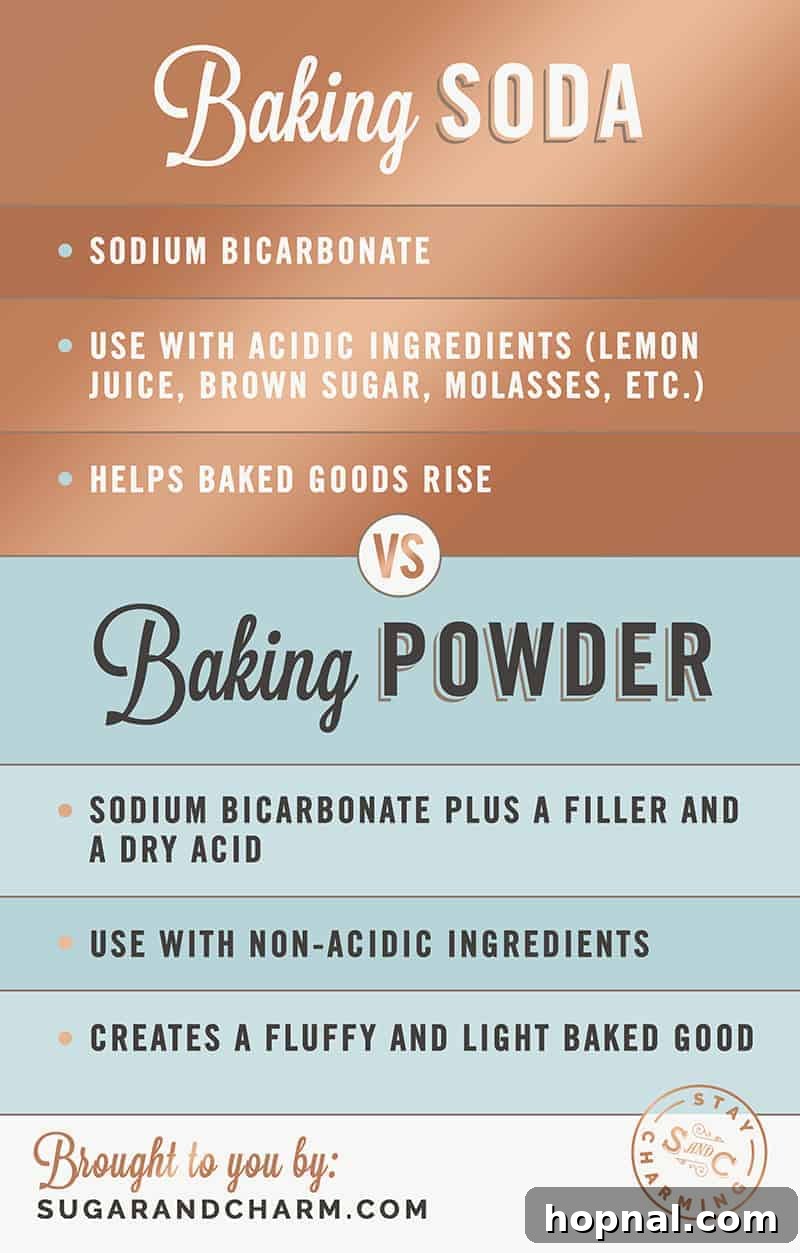
Baking soda, chemically known as sodium bicarbonate (NaHCO₃), is a pure leavening agent that is alkaline, or basic, in nature. For it to produce carbon dioxide gas and create rise in your baked goods, it absolutely requires an acidic ingredient to activate. Without an acid, baking soda will not react, leaving your concoction dense and often with an unpleasant soapy or metallic aftertaste.
When baking soda encounters an acid in a recipe, a chemical reaction occurs almost instantly. This reaction generates carbon dioxide gas bubbles, which get trapped within the batter or dough. As the mixture bakes, these tiny gas bubbles expand, causing the dough or batter to rise and resulting in a tender, airy texture. This immediate reaction is why recipes relying solely on baking soda often require prompt baking once the wet and dry ingredients are combined.
You’ll typically find baking soda in recipes that already contain naturally acidic ingredients. Common examples include buttermilk, yogurt, sour cream, lemon juice, vinegar, molasses, brown sugar, honey, applesauce, and even natural cocoa powder (not Dutch-processed, which is neutralized). These acidic components are essential partners to baking soda, creating the perfect environment for it to work its magic. Think of classic chocolate chip cookies with brown sugar, buttermilk pancakes, or quick breads made with molasses – these all leverage baking soda’s power.
Is Baking Soda the Same as Bicarbonate of Soda?
Yes, baking soda and bicarbonate of soda are indeed the exact same product! These are simply two different names for sodium bicarbonate, a chemical compound used primarily as a leavening agent in baking. In North America, “baking soda” is the more common term, while in the UK, Australia, and New Zealand, “bicarbonate of soda” (often shortened to “bicarb soda”) is generally used. So, if your recipe calls for one and you only have the other, rest assured you’re holding the same ingredient.
Both function identically: they are alkaline and require an acid to activate, producing carbon dioxide and facilitating rise. The name difference is purely a regional linguistic variation, not a distinction in chemical composition or function.
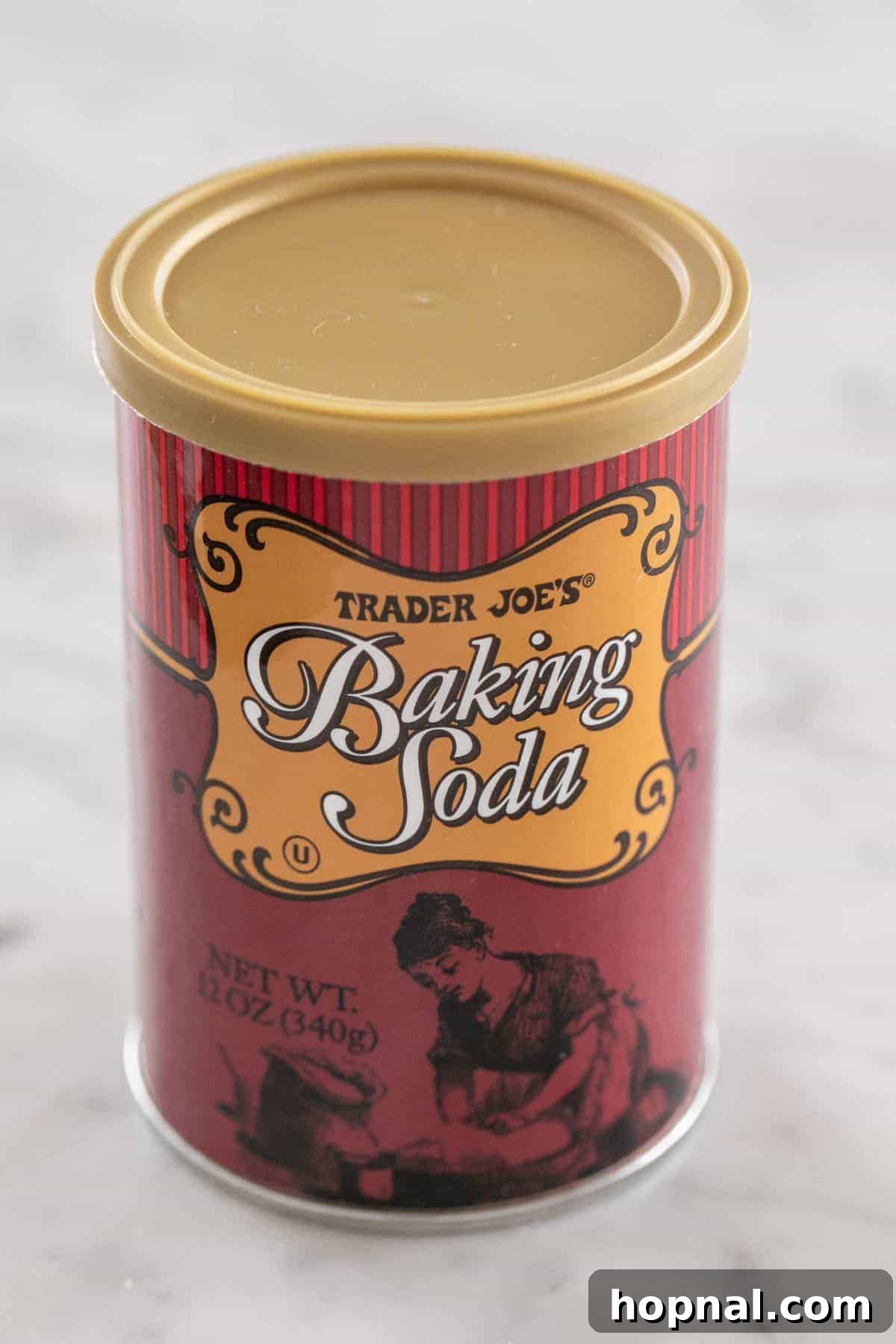
What Happens If You Accidentally Use Baking Soda Instead of Baking Powder?
Mistaking baking soda for baking powder can lead to disappointing results in your baking, precisely because they operate differently. As we’ve established, baking soda is a pure base and needs an acid to activate. Baking powder, on the other hand, is a complete leavening system in itself.
If you use baking soda in a recipe that calls for baking powder, and the recipe doesn’t contain enough acidic ingredients to neutralize the baking soda, several issues will arise:
- Lack of Rise: Your baked goods will turn out flat and dense. Without sufficient acid, the baking soda won’t produce enough carbon dioxide gas to create the desired lift and aeration.
- Unpleasant Flavor: The unreacted baking soda will leave a distinct soapy, metallic, or bitter taste. This is because the alkaline nature of the baking soda isn’t balanced by acids, leading to an off-putting flavor profile.
- Discolored Baked Goods: In some cases, excess alkalinity can also affect the color of your baked goods, leading to a duller or greener hue, particularly in recipes containing ingredients like chocolate.
In essence, baking soda is not a direct substitute for baking powder in most recipes unless you adjust other ingredients to introduce the necessary acidity. This highlights why understanding their distinct properties is so crucial for successful baking.
What Is Baking Powder Used For?
Baking powder is a more complex leavening agent than baking soda. It’s essentially a pre-mixed combination that includes baking soda (an alkali), one or more dry acids (like cream of tartar or sodium aluminum sulfate), and a starch (such as cornstarch) to absorb moisture and prevent premature reaction. This ingenious combination means baking powder is a complete leavening agent that doesn’t rely on additional acidic ingredients in your recipe to work.
The magic of baking powder unfolds in two stages, particularly with “double-acting” baking powder, which is the most common type found in grocery stores:
- First Reaction (Moisture Activation): When liquid is added to the dry ingredients containing baking powder, the first acid reacts with the baking soda, producing an initial burst of carbon dioxide bubbles. This immediate reaction provides lift as soon as the batter is mixed.
- Second Reaction (Heat Activation): The second acid in double-acting baking powder only reacts when exposed to heat, typically in the oven. This means your baked goods get a second boost of leavening, ensuring a consistent and impressive rise during baking.
This dual action is why baking powder is commonly used in baked goods recipes where a light, fluffy, and tender texture is desired, but where the recipe itself may not contain many acidic ingredients. Think of classic white cakes, most muffins, scones, biscuits, and pancakes. It ensures a reliable and robust rise, contributing significantly to the airy crumb and appealing volume of your treats.
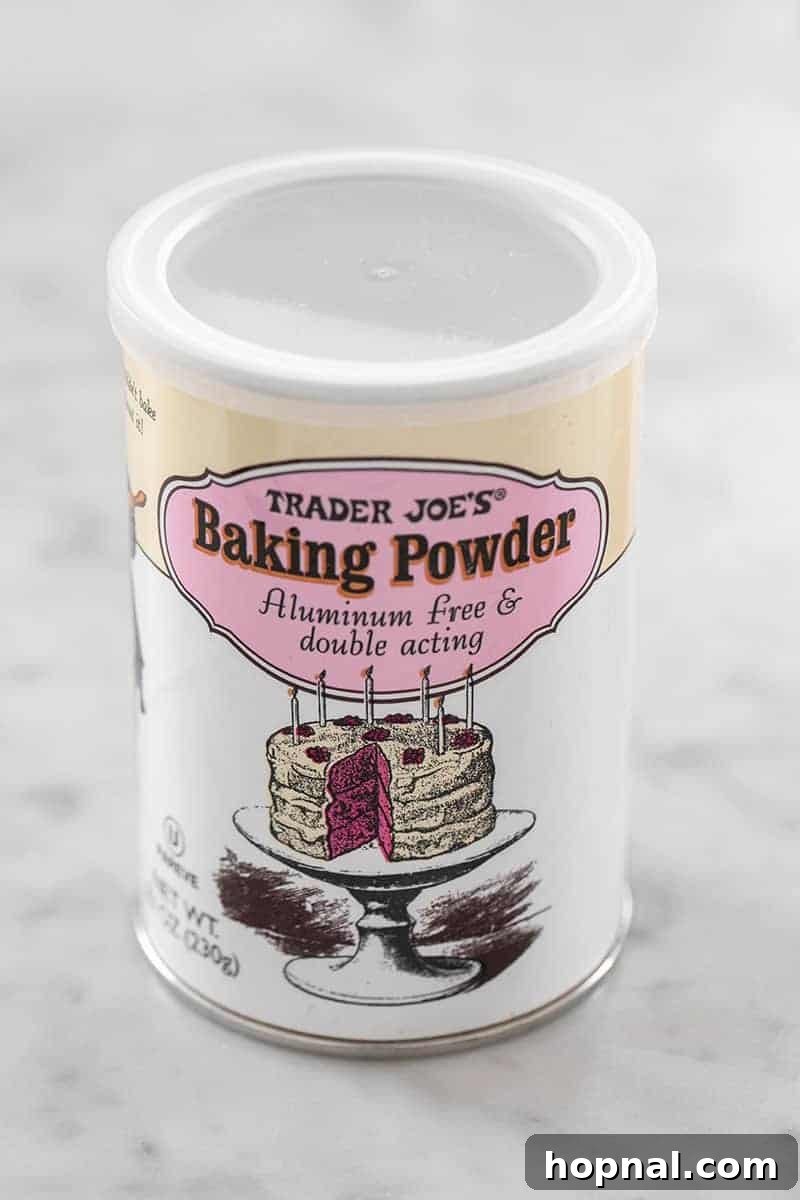
Baking Soda vs. Baking Powder: Key Differences at a Glance
To summarize, while both baking soda and baking powder are leavening agents designed to make your baked goods rise, they achieve this through distinct chemical pathways. Here’s a quick comparison:
- Composition: Baking soda is pure sodium bicarbonate (an alkali). Baking powder is a mixture of baking soda, one or more dry acids, and a starch.
- Activation: Baking soda needs a separate acidic ingredient (like buttermilk, lemon juice) to react and produce carbon dioxide. Baking powder is self-contained; its acids react with its baking soda when moistened (and often again with heat).
- Reaction Speed: Baking soda’s reaction with acid is immediate once wet, so batters should be baked quickly. Baking powder, especially double-acting, has an initial reaction with moisture and a second reaction with heat in the oven, providing a more sustained rise.
- Best Uses: Baking soda is ideal for recipes that already contain acidic ingredients, contributing to both leavening and flavor balance. Baking powder is perfect for recipes that lack sufficient acidity but still need significant rise, such as most cakes, muffins, and quick breads.
- Flavor Impact: Too much unreacted baking soda can leave a bitter, soapy taste. Baking powder, when used correctly, has a more neutral flavor profile in the final product.
By keeping these distinctions in mind, you’ll be well on your way to mastering the art of baking, ensuring your creations have the perfect texture and flavor every time!
Why Checking Expiration Dates is Crucial
The effectiveness of both baking soda and baking powder diminishes over time, even if they’re stored properly. Using expired leavening agents is a common cause of dense, flat, or poorly risen baked goods, regardless of how perfectly you followed the recipe. While they don’t spoil in a way that makes them harmful, they simply lose their potency and ability to produce the necessary carbon dioxide gas. Both are relatively inexpensive, so it’s always best to replace them every few months, or at least annually, especially if you bake frequently.
Fortunately, there are simple tests you can perform at home to check if your baking soda and baking powder are still fresh and active. This quick check can save you from a baking disaster!
Testing Baking Soda’s Freshness
To test baking soda, you need to simulate its required acidic environment:
- Take a small bowl or cup.
- Add about a quarter cup of hot water.
- Stir in 1/2 teaspoon of baking soda.
- Immediately add a splash (about 1 teaspoon) of an acidic liquid like lemon juice or vinegar.
If your baking soda is still good, it will immediately bubble and fizz vigorously. If you see only a faint fizz or no reaction at all, it’s time to discard it and purchase a fresh box. An inactive baking soda simply won’t work in your recipes, leading to a heavy, dense product.
Testing Baking Powder’s Freshness
Testing baking powder is even simpler, as it contains its own acid:
- Grab a small cup.
- Add a teaspoon of baking powder.
- Pour in about half a cup of hot water over the baking powder.
If your baking powder is still fresh, it should bubble and fizz immediately and enthusiastically as it releases carbon dioxide gas upon contact with the water. A weak fizz or no reaction indicates that its potency has significantly decreased, and it should be replaced. This quick test ensures that the “double action” you’re relying on in your recipes is still viable.
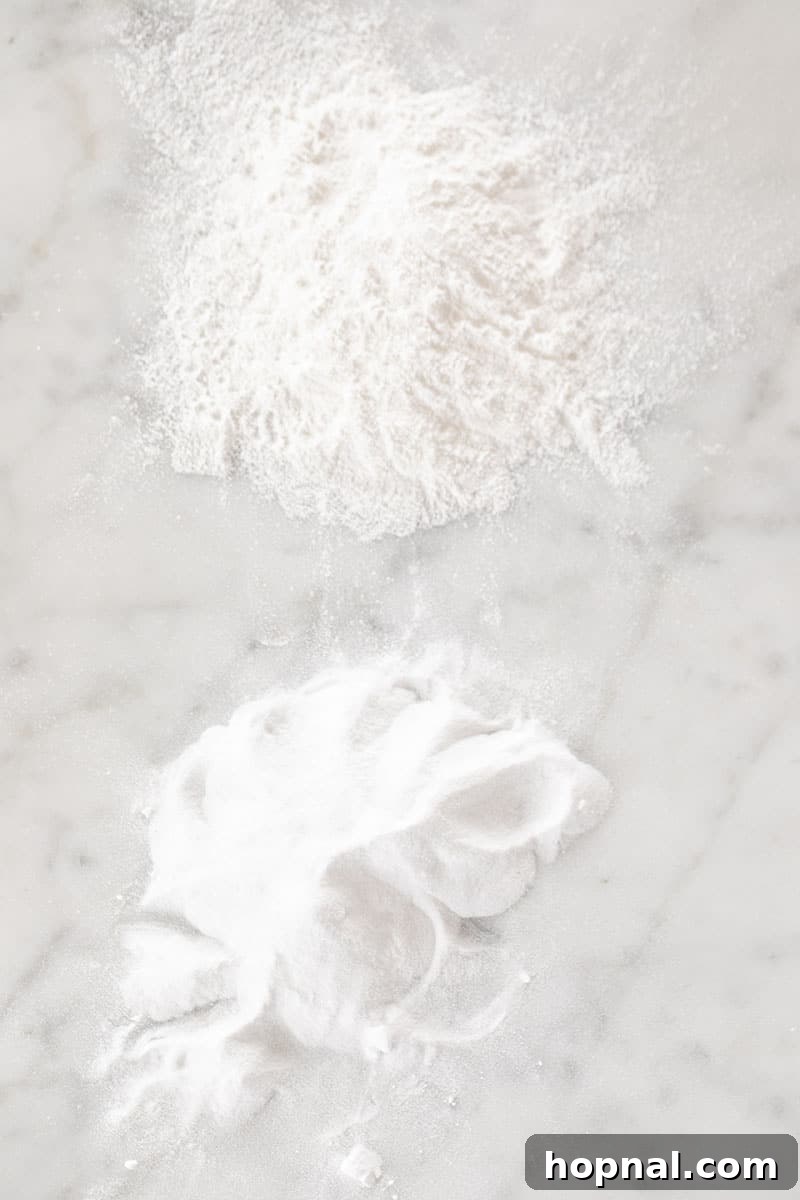
Common Baking Mistakes and Troubleshooting
Even with a clear understanding, mistakes can happen. Here are some common pitfalls and how to troubleshoot them:
- Flat Cakes/Cookies: Often a sign of expired leavening agents or incorrect measurements. Always test freshness and measure accurately using proper techniques (e.g., spoon and level for flour).
- Soapy/Bitter Taste: Almost always indicates too much baking soda or unreacted baking soda due to insufficient acid in the recipe. Double-check your recipe’s ingredient list and proportions.
- Crumbly Texture: While not directly related to leavening, an imbalance can contribute. Ensure your wet-to-dry ingredient ratio is correct.
- Over-Mixed Batter: Excessive mixing can deflate the air bubbles created by leavening agents. Mix only until just combined.
Beyond Baking: Unexpected Uses for Baking Soda
While invaluable in the kitchen, baking soda’s versatility extends far beyond baking. Its mild abrasive and deodorizing properties make it an eco-friendly powerhouse for various household tasks:
- Natural Cleaner: Use it as a gentle scrub for sinks, countertops, and even tough stains in pots and pans.
- Odor Absorber: A small open box in your refrigerator, freezer, or even shoes can absorb unwanted smells.
- Gentle Exfoliant: Mixed with water, it can form a paste for a mild facial or body scrub.
- Antacid: A small amount mixed in water can help neutralize stomach acid for heartburn relief.
It’s truly an incredibly versatile product that deserves a permanent spot in every home!
Expand Your Baking Knowledge
Ready to further enhance your baking skills? Explore these helpful resources:
- Essential Kitchen Conversion Chart
- The Right Way to Measure Flour
- How to Make Buttermilk from Scratch
- Create Your Own Self-Rising Flour
Indulge in Our Favorite Cookie and Cake Recipes!
Put your newfound leavening knowledge to the test with some of our most beloved recipes:
- Orange Rum Cake With Meringue Buttercream
- Momofuku Milk Bar’s 4th of July Cake
- Elegant Marble Drip Cake
- Decadent Pink Velvet Cake
- Homemade Funfetti Cake Recipe
- Rich Chocolate Cherry Chunk Cookies
We sincerely hope this detailed guide has clarified the roles of baking soda and baking powder in your kitchen. With this understanding, you should now approach your baking with more confidence, ready to create beautifully risen and delicious treats!
Baking Soda vs. Baking Powder
Eden
1
0
1
2 tsp
Print Recipe
Ingredients
- 1 tsp baking soda
- 1 tsp baking powder
Instructions
-
Baking soda and bicarbonate of soda are different names to identify the same product. They are both leavening agents. However, the reaction that they give when mixed with other ingredients offers a unique outcome.
-
Baking powder is a mixture of baking soda, a filler, and a dry acid. When a liquid is added to it, it creates a reaction, which causes bubbles to form in your batter. This causes the batter to expand, creating a fluffy baked good!
Nutrition
Carbohydrates: 1g,
Fat: 1g,
Sodium: 549mg,
Potassium: 202mg,
Fiber: 1g,
Calcium: 87mg,
Iron: 1mg
Nutrition information is automatically calculated, so should only be used as an approximation.
Like this? Leave a comment below!