
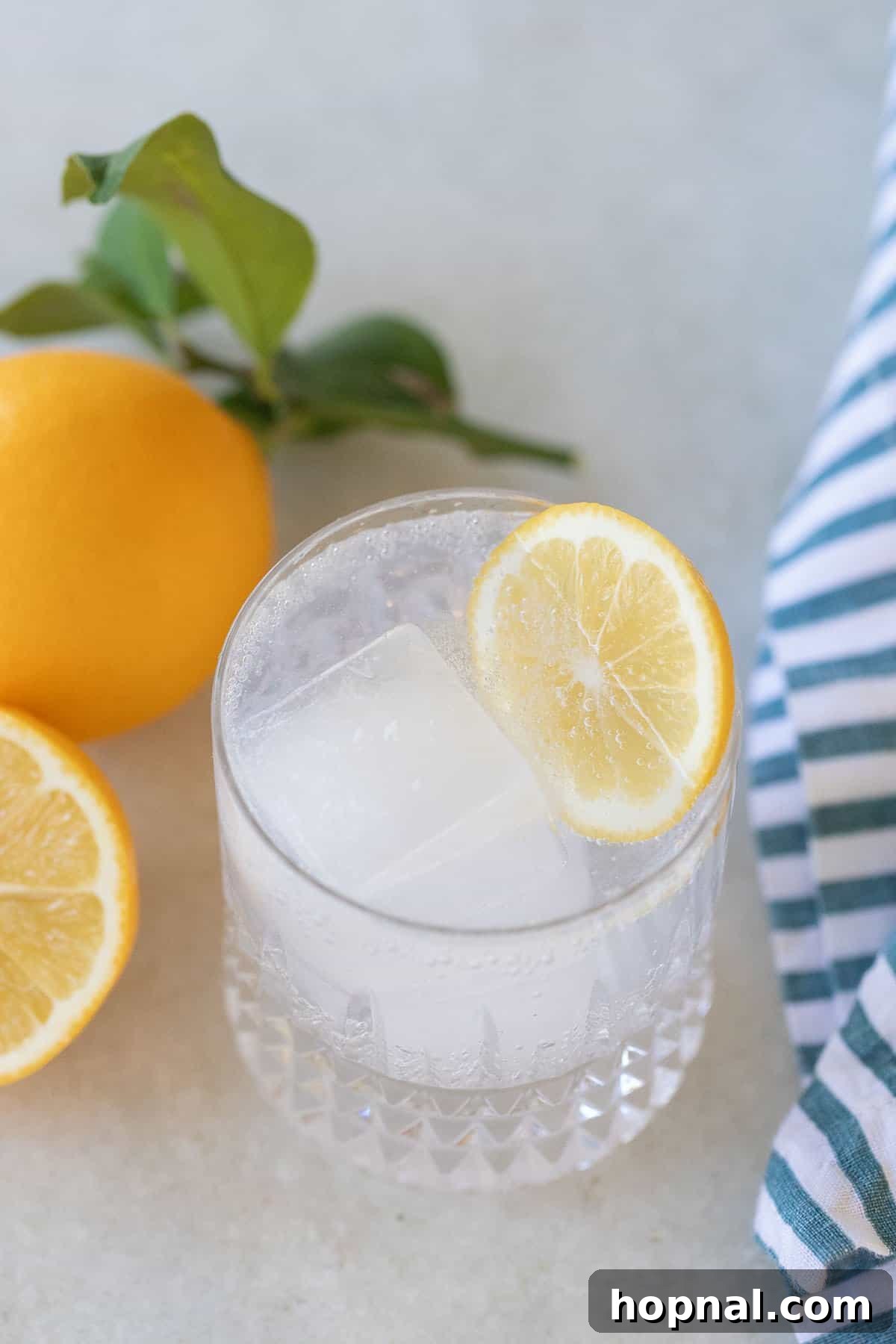
Embark on a refreshing journey to explore the captivating world of tonic water, an indispensable component in many beloved cocktail recipes. Most famously, it’s the star alongside gin in the timeless Gin and Tonic. Yet, tonic water is far more than just carbonated water; it’s a meticulously crafted beverage offering a unique balance of sweetness and a distinctive bitterness, primarily attributed to the inclusion of quinine.
This effervescent drink boasts a rich historical narrative and a dynamic presence in modern mixology. Its versatility makes it a perfect base for a wide array of mixed drinks, from simple refreshments to sophisticated, easy-to-craft cocktails. The market today is brimming with options, ranging from well-established mainstream brands to innovative artisanal producers. Many now offer lower sugar and calorie alternatives, catering to diverse dietary preferences without compromising on flavor. Continue reading to uncover everything there is to know about this widely popular and invigorating bubbly water, ensuring your next drink is perfectly prepared and deeply appreciated.
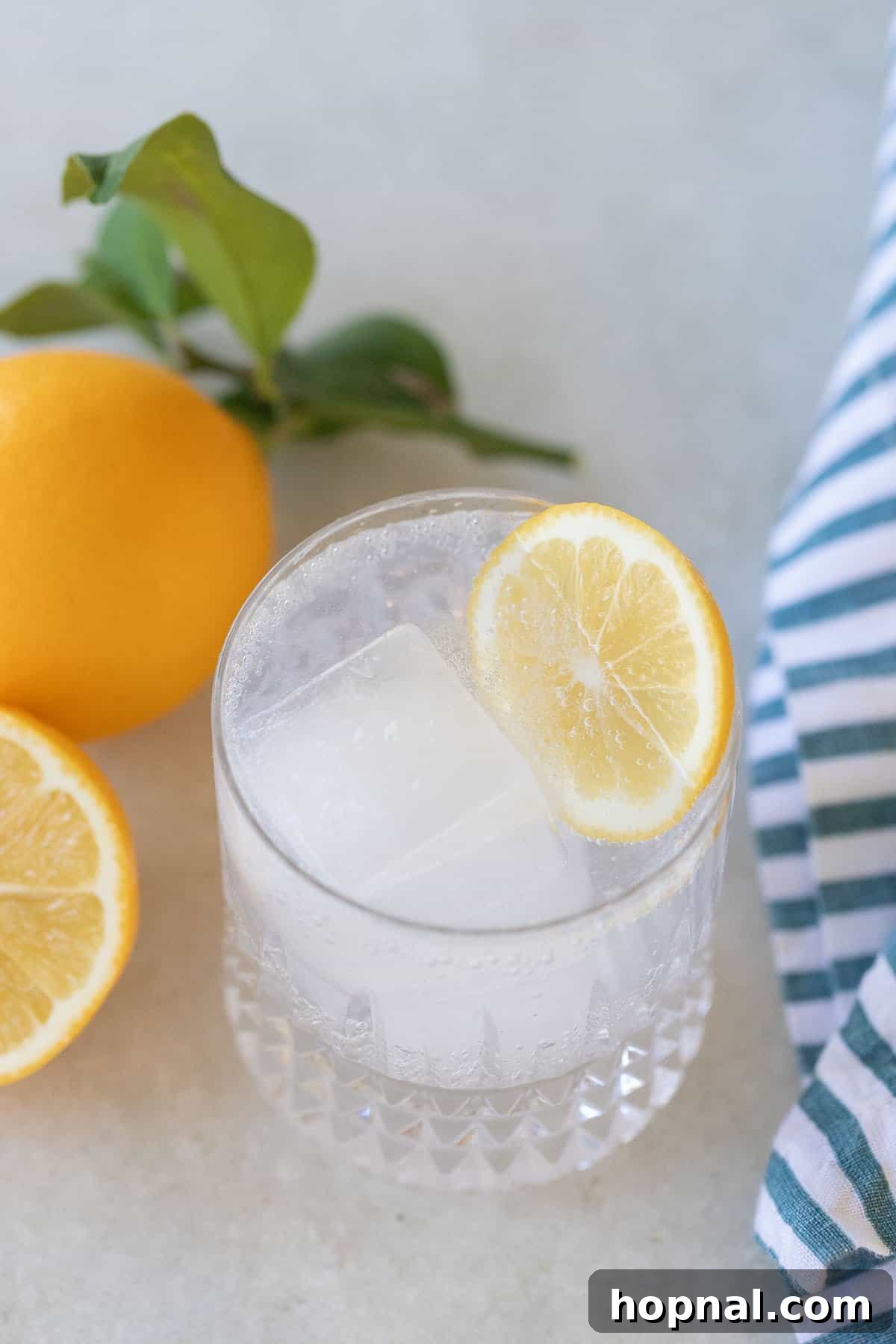
Whether you prefer to sip it straight for a crisp, low-calorie refreshment or utilize its unique profile as the dynamic partner in your next craft cocktail, delving into the intricacies of tonic water will undoubtedly elevate your drinking experience. Beyond the realm of tonic, you might also find inspiration in our comprehensive guides to other refreshing beverages such as Topo Chico, sparkling water, and cucumber lemon water.
What Exactly is Tonic Water? A Deep Dive into its Composition
For those curious about the specifics, what is tonic water beyond its common usage? At its core, tonic water is a type of carbonated soft drink that stands apart from other fizzy waters due to a distinctive blend of ingredients contributing to its signature taste. The fundamental components are straightforward, yet their combination creates a uniquely complex profile:
- Carbonated Water: This is the foundation of tonic water, providing the crisp effervescence that makes it so refreshing. The bubbles not only create a pleasant mouthfeel but also enhance the aromatics of any added flavorings or spirits.
- Quinine: This is the defining ingredient of tonic water. Quinine is an alkaloid that imparts tonic water with its characteristic bitter taste. It’s present in small, safe quantities, primarily for flavor rather than medicinal effect. This bitter note is crucial for balancing sweetness and complementing spirits.
- Sweeteners: To counteract quinine’s natural bitterness, a sweetener is always included. Traditionally, this has been sugar or high-fructose corn syrup. However, with growing health consciousness, many brands now offer “light” or “diet” versions utilizing artificial sweeteners or natural alternatives like stevia, significantly reducing calorie and sugar content.
In addition to these core ingredients, many contemporary tonic water brands are pushing the boundaries of flavor by incorporating various natural botanical extracts and fruit essences. These can include vibrant citrus notes from lime, lemon, or grapefruit, herbaceous undertones from lemongrass or rosemary, and delicate floral aromas from elderflower. These additions don’t just add a hint of flavor; they create sophisticated and nuanced profiles, making premium tonic waters an exciting ingredient for modern mixology and a delightful drink on their own.
Tonic Water and Quinine: A Story of Bitterness, Medicine, and Mixology
When you consider tonic water’s unique taste, the conversation invariably turns to quinine. It’s this specific compound that truly differentiates tonic water from its carbonated cousins like club soda or seltzer. Quinine is the magical element that bestows upon tonic water its signature, slightly bitter, yet utterly refreshing flavor that has captivated palates for generations.
But where does quinine come from? It is a naturally occurring alkaloid, traditionally extracted from the bark of the cinchona tree. This remarkable tree, often referred to as the ‘fever tree,’ flourishes in specific tropical climates across the globe, primarily in:
- The lush regions of the Caribbean
- Extensive areas of South America, particularly in the Andean mountain ranges where its discovery originated
- Parts of Central America
- Various countries in Africa and Southeast Asia where it was later introduced
The history of quinine is deeply rooted in medicine, long before it became a popular mixer. For centuries, the bark of the cinchona tree was highly prized by indigenous communities for its potent therapeutic properties. Its most significant use was in the fight against malaria, a parasitic disease that was (and tragically, still is) rampant in many of these tropical locales. European explorers and colonists quickly recognized its efficacy, and quinine became a vital tool in combating the disease, especially for soldiers and travelers in malaria-prone areas.
The famed link between quinine and cocktails began in British colonial India. British officers, seeking a way to make their daily anti-malarial quinine dose more palatable, began mixing it with soda water, sugar, and crucially, gin. This ingenious combination transformed a bitter medicine into a delightful, refreshing drink – and thus, the legendary Gin & Tonic was born, forever intertwining the history of medicine with the art of mixology. Today, the amount of quinine in commercial tonic water is strictly regulated and significantly lower than medicinal doses, ensuring it serves as a flavor agent rather than a treatment. Nevertheless, its fascinating origins as a life-saving drug add a unique historical depth to every bubbly sip.
Tonic Water: Exploring its Potential Benefits and Important Considerations
While modern tonic water is predominantly cherished for its distinctive flavor profile and refreshing qualities, its storied past as a medicinal remedy continues to spark discussions about its potential benefits. Historically, quinine, the active ingredient in tonic water, was an invaluable treatment for malaria, a role that shaped its very existence.
In contemporary contexts, and in the significantly lower doses found in commercial tonic water, some individuals report a few anecdotal benefits. One of the most frequently mentioned is its potential to alleviate nocturnal leg cramps. Although scientific evidence supporting this use for tonic water specifically is limited, and quinine is no longer a first-line medical treatment for cramps due to concerns about side effects at higher dosages, some people still find relief. If you suffer from persistent leg cramps, always consult a healthcare professional for appropriate diagnosis and treatment.
Furthermore, some proponents suggest that the unique bitter notes imparted by quinine might contribute to a subtle sense of relaxation or even stress alleviation. While this calming effect may be more psychological, stemming from the enjoyable ritual of a refreshing drink, rather than a direct pharmacological action, it’s a pleasant aspect for many tonic water enthusiasts. However, it’s vital to maintain a balanced perspective, especially if you plan to consume tonic water regularly. Traditional tonic waters often contain a considerable amount of sugar. Consistent, high sugar intake can have adverse health effects. Therefore, opting for diet, low-sugar, or naturally sweetened varieties can be a wise choice for those monitoring their caloric and sugar consumption. Always consider the nutritional information of your chosen brand.
Tonic Water vs. Soda Water vs. Club Soda: Demystifying the Fizz
Navigating the seemingly similar but distinctly different world of carbonated waters can often be a source of confusion. Tonic water, soda water, and club soda are frequently, yet mistakenly, used interchangeably. Understanding their core differences is key to mastering their use in beverages and appreciating their unique characteristics:
- Tonic Water: This stands out as the most unique of the trio. It begins as carbonated water but is fundamentally defined by the addition of quinine, which imparts its signature bitter taste. To create a balanced and palatable beverage, significant amounts of sugar or high-fructose corn syrup are also added. This combination results in a distinct bitter-sweet flavor profile that makes tonic water suitable not only as a mixer but also as a standalone refreshing drink. Its complex taste makes it a star in classic cocktails like the Gin & Tonic.
- Soda Water (also known as Seltzer Water): In its simplest form, soda water is plain water that has been infused with carbon dioxide under pressure, creating bubbles. Crucially, it contains no added minerals, salts, or flavorings. This neutrality gives soda water a clean, pure taste, making it an excellent choice when you want to add effervescence to a drink without altering its existing flavor profile. It’s a calorie-free, straightforward way to add fizz to juices, spirits, or enjoy on its own.
- Club Soda: While also carbonated water, club soda differentiates itself from plain soda water by containing added minerals. These typically include sodium bicarbonate (baking soda), sodium citrate, potassium sulfate, and sometimes disodium phosphate. These added minerals give club soda a slightly saltier or more mineral-forward taste, which some find enhances the flavors of certain spirits and cocktails. It’s often preferred by those who desire a subtle mineral tang and a slightly more “rounded” mouthfeel compared to the pure neutrality of seltzer water.
In essence, if you’re seeking a distinct bitter-sweet flavor with effervescence, tonic water is your go-to. If pure, unadulterated bubbles are your goal, opt for soda water (seltzer). And if you prefer a subtle mineral note to your fizz, club soda provides that nuanced touch.
Is Tonic Water Alcoholic? Debunking a Common Beverage Myth
A frequently asked question, particularly by those who are exploring the world of mixers or seeking delicious non-alcoholic drink options, is whether tonic water contains alcohol. It’s a common misconception, often arising from its pervasive presence in classic alcoholic cocktails like the Gin and Tonic. However, to clarify definitively, the answer is a resounding **no, tonic water is not alcoholic**.
Tonic water is fundamentally a non-alcoholic carbonated beverage. Its composition is limited to water, quinine (for that characteristic bitter taste), and a sweetener (typically sugar or high-fructose corn syrup, though diet versions exist). Sometimes, additional natural flavorings or botanicals are added, but never alcohol.
The association with alcohol stems entirely from its role as a mixer. In a Gin and Tonic, for instance, the alcohol content comes solely from the gin. The tonic water’s job is to complement the spirit, dilute it to a more palatable strength, and add its signature bitter-sweet effervescence, creating a balanced and refreshing drink. You can confidently enjoy tonic water on its own, chilled with a slice of citrus, or as a key ingredient in a wide variety of delightful mocktails, without consuming any alcohol whatsoever.
Exploring the Best Tonic Water Brands for Every Palate
The landscape of tonic water has transformed considerably over the years, moving beyond just a handful of staple options to a vibrant marketplace boasting a diverse array of brands. This evolution offers consumers a spectrum of unique flavor profiles, ingredient choices, and sweetness levels, catering to every imaginable preference. From traditionalists who appreciate a strong quinine kick to those seeking delicate botanical infusions, there’s a tonic water for everyone. Here’s a closer look at some of our favorite and highly recommended brands, each bringing its own distinct character to your glass:
- Canada Dry and Schweppes: These brands represent the cornerstone of the tonic water market. Widely available and instantly recognizable, they are the standard-bearers for classic tonic water. Both offer a reliable and consistent profile, characterized by a pronounced, slightly bitter quinine taste that is well-balanced by a noticeable sweetness. They are the ideal, versatile choice for your everyday Gin and Tonics and other straightforward mixed drinks, delivering that quintessential tonic experience that many have grown to love.
- Fever-Tree: A true trailblazer in the premium tonic water segment, Fever-Tree single-handedly revolutionized the mixer industry by emphasizing the use of high-quality, natural ingredients. Their tonics are generally crafted to be less sweet than traditional brands, a design choice that allows the intricate botanical notes of the gin (or any other spirit) to truly shine. Fever-Tree offers an impressive range of variations, including their original Indian Tonic Water, the subtly floral Elderflower Tonic, the herbaceous Mediterranean Tonic (infused with rosemary and lemon thyme), and aromatic tonics, each meticulously developed to pair with specific spirits or to create bespoke flavor experiences.
- Fentiman’s: Renowned for their commitment to botanically brewed beverages, Fentiman’s presents a sophisticated collection of tonics. Their unique brewing process incorporates a variety of botanical infusions, resulting in tonic waters with a notably more complex, deep, and herbaceous flavor profile. Varieties often feature earthy notes of lemongrass, the spicy warmth of juniper, and other carefully selected natural botanicals. This intricate flavor makes Fentiman’s tonics perfect for savoring on their own or for elevating a premium, complex cocktail.
- Betty Buzz: As a relatively newer entrant, Betty Buzz has quickly gained popularity for its approach to creating light and perfectly balanced American-style mixers. Their tonic water is distinctively characterized by its approachable profile, designed to be neither overly sweet nor excessively bitter. This balanced nature makes it an excellent choice for those who might find more traditional tonics too intense, and it proves to be a highly adaptable partner for a wide range of spirits and mocktails.
- Love Tonic (Quinine-Free Option): For individuals who appreciate the delightful effervescence and balanced sweetness commonly associated with tonic water but prefer to avoid quinine, Love Tonic offers an innovative solution. This brand provides a unique, naturally sweetened, and quinine-free mixer. It aims to capture the refreshing essence and versatility of tonic without its characteristic bitterness. Often lower in calories, it serves as an excellent and thoughtful alternative for those with specific dietary preferences or sensitivities to quinine.
When making your selection, consider the spirit you intend to pair it with, as well as your personal preference for sweetness, bitterness, and botanical notes. Experimenting with different brands and their exciting variations can truly unlock a whole new dimension of cocktail possibilities and personal enjoyment.
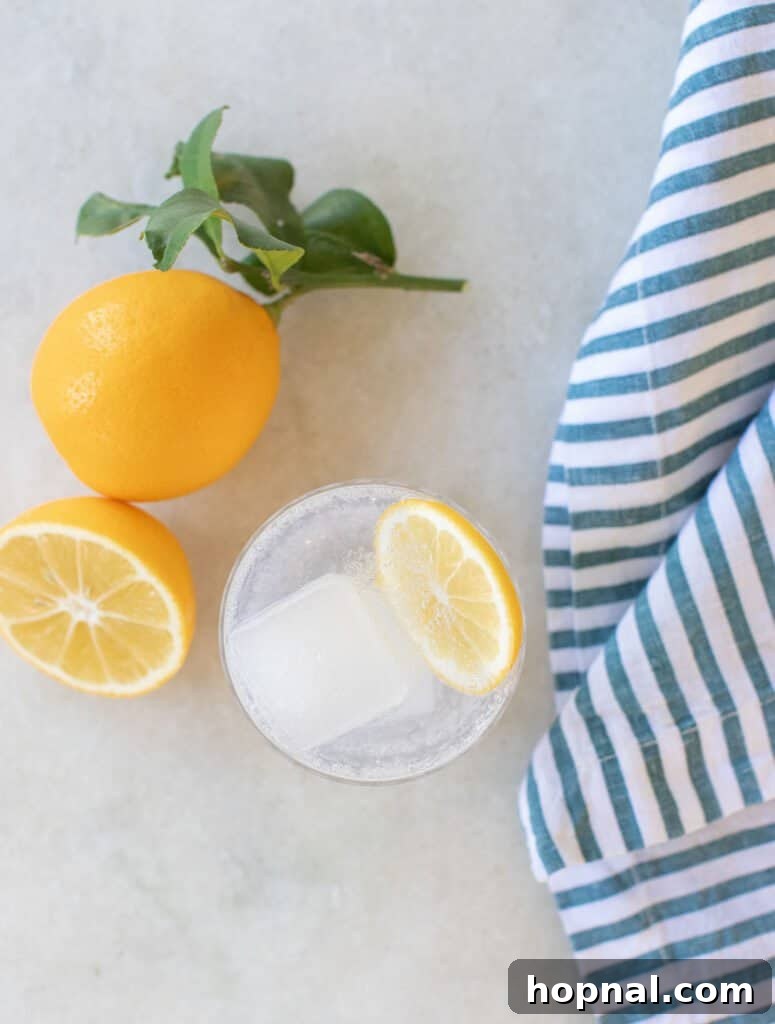
Crafting Delicious Drinks and Cocktails with Tonic Water: Beyond the Classic G&T
Tonic water’s harmonious blend of balanced bitterness and sweetness, coupled with its invigorating carbonation, establishes it as an extraordinarily versatile mixer. While the Gin and Tonic undoubtedly holds the crown as its most famous application, the potential for concocting countless other creative and delicious drinks with this bubbly elixir is virtually limitless. Here are some fantastic ideas to inspire your next libation, ranging from beloved classics to innovative twists that will tantalize your taste buds:
- Coffee Tonic: An intriguingly delightful and unexpectedly harmonious combination. The robust bitterness of quality coffee finds an invigorating counterpart in the bitter-sweet effervescence of tonic water, resulting in a stimulating and uniquely refreshing pick-me-up perfect for any time of day.
- Lavender Gin and Tonic Punch: Elevate your entertaining with this sophisticated and aromatic twist on the classic G&T. The subtle, fragrant notes of lavender introduce a calming and elegant dimension that beautifully complements both the botanical complexities of gin and the crispness of tonic. Ideal for garden parties or special occasions.
- Cranberry Thyme Gin and Tonic: A visually stunning and herbaceous G&T variation that’s perfect for seasonal celebrations. The tart, vibrant fruitiness of cranberry pairs wonderfully with the earthy, slightly peppery aroma of fresh thyme, creating a complex and refreshing drink.
- How to Make a Classic Gin and Tonic: Master the timeless favorite with our essential guide. Learn the perfect ratios of gin to tonic, the importance of high-quality ice, and the best garnishes to achieve a consistently balanced, crisp, and exquisitely refreshing G&T every single time.
- Frozen Gin and Tonic: An utterly delightful, slushy rendition of the beloved cocktail, this is the ultimate cool-down for sweltering summer days. It’s incredibly icy, wonderfully refreshing, and bursting with all the familiar flavors of a traditional G&T, but with a fun, frosty texture.
- Fruit Infused Gin and Tonics: Unleash your inner mixologist by infusing your G&T with a medley of fresh fruits. Experiment with succulent berries, crisp cucumber slices, bright orange wheels, or tangy grapefruit wedges. Each fruit addition brings a unique layer of natural flavor, vibrant color, and enticing aroma to your drink.
- Empress Purple Gin and Tonic: Prepare for a truly magical and visually spectacular cocktail experience. This drink utilizes Empress 1908 Gin, which, due to its butterfly pea flower infusion, astonishingly changes color from deep indigo to a vibrant lavender or pink when mixed with the acidic tonic water, creating an enchanting display as delicious as it is beautiful.
Expand Your Mixology Horizons: Beyond Gin with Tonic Water
While gin holds a cherished place as tonic water’s traditional partner, the versatility of tonic extends far beyond, making it an excellent companion for a diverse array of other spirits. Its crispness and unique bitter-sweet profile offer a refreshing, bubbly counterpoint to the distinctive characteristics of various liquors. Here’s a simple, adaptable formula to effortlessly create quick and delicious tonic-based cocktails: combine approximately 2 ounces of your chosen liquor with about 5 ounces of tonic water, then adjust the ratio to suit your taste preference and garnish as desired.
- Vodka Tonic: A wonderfully clean, crisp, and often lighter alternative to the Gin and Tonic. Vodka’s neutral profile allows the tonic water’s signature bitter-sweet and effervescent notes to take center stage, resulting in an exceptionally smooth and easy-drinking cocktail. A fresh lemon or lime wedge serves as the perfect zesty garnish.
- Whiskey Tonic: For a surprisingly sophisticated and incredibly refreshing beverage, venture into the world of whiskey with tonic. The complex, often caramel or oak-infused notes of whiskey – whether it’s a smooth bourbon or a peaty Scotch – are beautifully softened and brightened by the tonic’s effervescence and subtle bitterness. An orange peel or a sprig of fresh mint makes for an excellent aromatic garnish.
- Tequila and Tonic: Expand your tequila horizons beyond margaritas and discover how its bright, earthy, and sometimes peppery agave flavors are wonderfully enhanced by tonic water. The quinine in tonic creates a vibrant and unexpectedly zesty drink that’s both invigorating and flavorful. A lime wedge is not just a garnish here; it’s an essential flavor enhancer.
- St. Germain and Tonic: This offers a wonderfully aromatic, elegant, and lighter cocktail option. The elderflower liqueur’s distinct floral and subtly sweet profile harmonizes exquisitely with the crispness of tonic, yielding a delicate and incredibly refreshing spritz. Garnish with a fresh lemon twist or a few fresh berries for an added touch of charm.
- Lillet and Tonic: Lillet Blanc, a renowned French aperitif wine, brings forth delightful fruity and gently bitter notes that are truly elevated when combined with tonic water. This pairing creates a light, utterly refreshing, and undeniably sophisticated spritz, making it an ideal choice for an afternoon gathering or a light pre-dinner drink. A thin slice of orange or a cucumber ribbon serves as a beautiful and complementary garnish.
Now that you are equipped with a wealth of information and inspiring ideas, you are perfectly ready to craft your next refreshing drink! For an instant classic, simply fill a glass with ice, add fresh lemon or lime juice to your tonic water, and if desired, a shot of your favorite gin for an easy and invigorating cocktail. We invite you to explore even more great cocktail recipes on our site, including our favorite brunch cocktails, vibrant tequila cocktails, sophisticated gin cocktails, versatile vodka cocktails, and a collection of cheap drinks perfect for making at home!
Stay connected with us to discover more delicious recipes, exciting cocktails, delightful desserts, and inspiring party ideas! FOLLOW US on FACEBOOK, INSTAGRAM, and PINTEREST.

Tonic Water and Lemon Juice
By: Eden
A simple, yet exquisitely refreshing non-alcoholic drink crafted from crisp tonic water and a burst of fresh lemon juice. This invigorating beverage is perfect for a quick pick-me-up or a light, effervescent sip at any time of day.
Prep Time: 3 minutes
Cook Time: 0 minutes
Total Time: 3 minutes
Servings: 1 cocktail
Print Recipe
Ingredients
- 5 ounces tonic water (chilled)
- 1 ounce fresh lemon juice
- Ice cubes
- Lemon wheel for garnish (optional)
Instructions
-
Begin by filling a glass generously with fresh ice cubes to ensure your drink stays perfectly chilled.

-
Carefully pour 5 ounces of cold tonic water over the ice, ensuring the effervescence is maintained.
-
Next, add 1 ounce of freshly squeezed lemon juice to the glass. Fresh juice will provide the best flavor.
-
Stir the mixture gently to combine the ingredients without losing too much fizz. If desired, garnish with a vibrant lemon wheel or a fresh lemon wedge for an appealing finish. Serve immediately and savor the crisp, zesty flavors!

Nutrition (Approximate per Serving)
- Calories: 6kcal
- Carbohydrates: 2g
- Protein: 1g
- Fat: 1g
- Saturated Fat: 1g
- Polyunsaturated Fat: 1g
- Sodium: 30mg
- Potassium: 32mg
- Fiber: 1g
- Sugar: 1g
- Vitamin A: 2IU
- Vitamin C: 11mg
- Calcium: 9mg
- Iron: 1mg
Disclaimer: Nutrition information provided is automatically calculated and should be considered an approximation. Actual values may vary based on specific brands of ingredients used and exact preparation methods.
We hope you thoroughly enjoyed this comprehensive guide to tonic water and found inspiration for your next refreshing drink! Have a favorite tonic water brand, a beloved recipe, or a clever mixology tip? We’d absolutely love to hear from you in the comments below!
Whether you prefer your tonic water sparkling on the rocks, infused with a slice of fresh citrus, or perfectly mixed with a dash of gin, its unique tangy notes and invigorating bubbles are sure to awaken and delight your taste buds. For even more fantastic recipe ideas, including a wide array of cocktails and delicious meal inspirations, be sure to sign up for our exclusive newsletter here. Don’t miss out on our latest culinary creations and beverage innovations!