
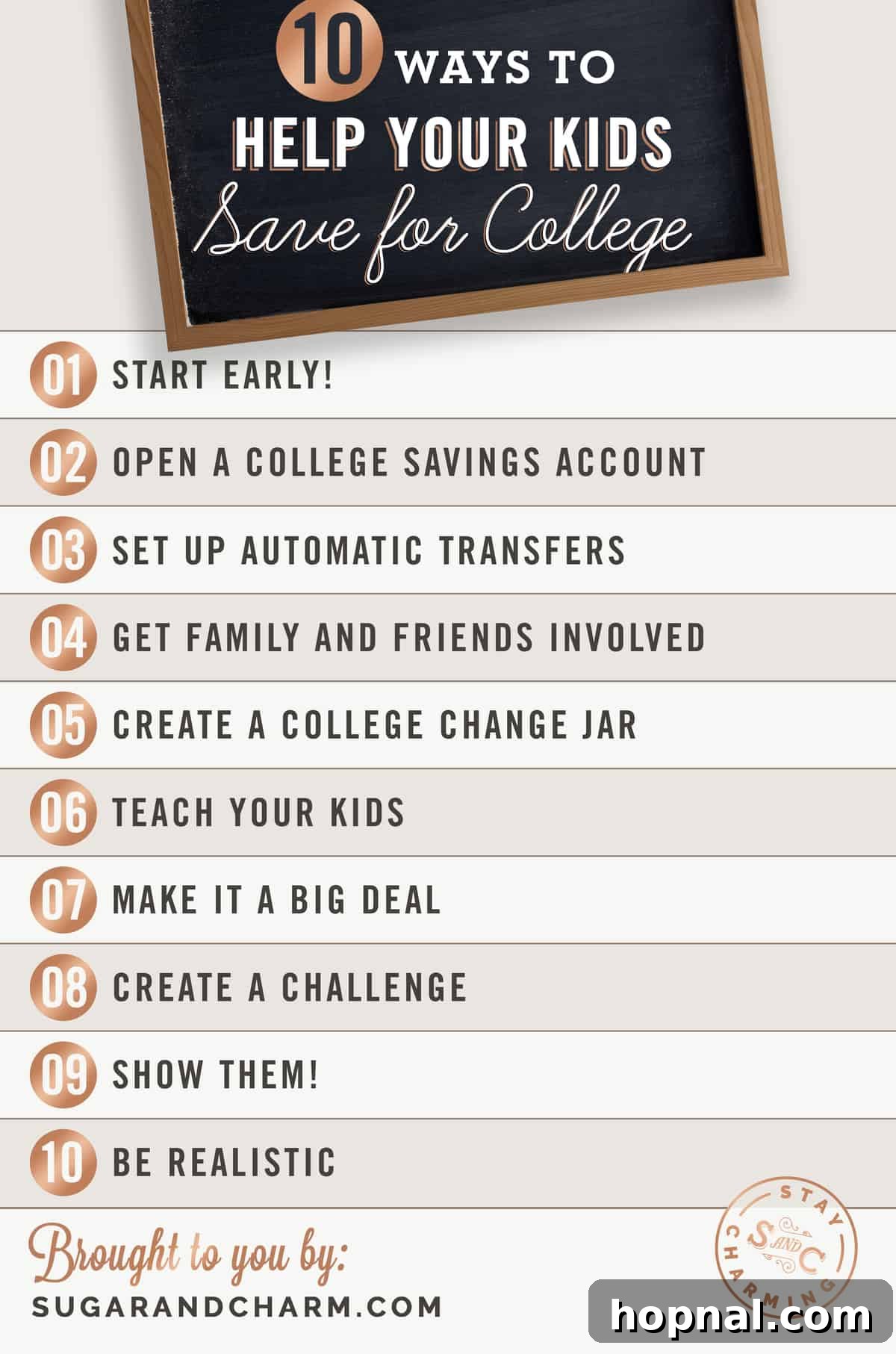
Empowering Future Scholars: 10 Effective Ways to Save for College with ScholarShare 529
Embarking on the journey of parenthood comes with a myriad of responsibilities, and preparing for your child’s educational future is undoubtedly one of the most significant. As part of our ongoing college savings series, we are thrilled to collaborate with ScholarShare 529 to bring you an insightful guide. This comprehensive article delves into 10 effective ways to save for college, emphasizing the crucial role of involving your children in this vital financial endeavor. We believe that empowering them with financial literacy from a young age is just as important as the funds themselves.
Building on our previous discussions about how our family personally utilizes our ScholarShare 529 savings plan, we are excited to expand further. This installment focuses on actionable strategies designed not just for parents, but also to engage and educate your children about the value of saving for their future. The goal is to instill a sense of ownership and understanding, transforming what might seem like a daunting task into a rewarding family project.

Why Early College Savings and Financial Literacy Matter
As parents, our primary responsibility extends beyond providing immediate needs; it encompasses laying a strong foundation for our children’s future success and independence. This includes the essential task of opening a college savings account, establishing automatic transfers, and diligently managing their savings over time. However, our role doesn’t stop at mere financial management. It’s equally important, if not more so, to involve and teach them the fundamental principles of saving. By doing so, we equip them with the confidence, security, and financial acumen they will need to navigate the complexities of adulthood.
In today’s economic landscape, the cost of higher education continues to rise, making early and consistent saving more critical than ever. The power of compounding interest means that every dollar saved today has significantly more potential to grow than a dollar saved a decade from now. Starting early lessens the burden on future earnings and allows for more flexible investment strategies. Moreover, the peace of mind that comes from knowing you are actively working towards funding your child’s education is invaluable, reducing stress and opening up a wider range of academic opportunities for them.
While the financial aspect is crucial, the educational component is equally transformative. For instance, our son Romeo, now approaching six years old, is fully capable of grasping the rudimentary importance of saving for his education. From his weekly allowance to money earned from small chores, and even birthday gifts, he conscientiously allocates a portion of his funds into his college account. While his individual contributions may seem small in isolation, the cumulative impact of these actions is profound. The true payoff lies not just in the growing balance, but in the immense confidence he is building in his own future and the invaluable didactic lessons he is learning about financial planning, delayed gratification, and the direct link between effort and long-term goals. This early exposure to financial responsibility sets the stage for a lifetime of prudent decision-making.
ScholarShare 529: Your Partner in Educational Savings
Before diving into our 10 practical strategies, let’s briefly highlight why a 529 plan, particularly ScholarShare 529, is an excellent vehicle for college savings. A 529 plan is an education savings plan operated by a state or educational institution designed to help families save for future education costs. Key benefits include tax-deferred growth on investments and tax-free withdrawals when used for qualified education expenses. ScholarShare 529 offers a variety of investment options to suit different risk tolerances and timelines, making it a flexible and powerful tool for families across California and beyond. It’s an efficient way to make your money work harder for your child’s future, safeguarding their educational aspirations against the ever-increasing cost of tuition, books, and living expenses.
10 Ways to Help Your Kids Save for College and Build Financial Savvy
Below, we outline 10 actionable strategies to foster a savings mindset in your children and actively contribute to their college fund. While all tips are valuable, number one is undoubtedly the most foundational for parents.
1. The Parent’s Cornerstone: Open a 529 Plan and Automate Contributions
This is the single most impactful step you can take. Opening a 529 plan, like ScholarShare 529, provides a dedicated, tax-advantaged account for education savings. Once established, set up automatic, recurring contributions. Even small, consistent amounts—like $50 or $100 per month—can accumulate significantly over time thanks to the power of compounding interest. Automation ensures consistency, removes the temptation to skip contributions, and makes saving a seamless part of your family budget. It’s the ultimate “set it and forget it” strategy that builds a robust foundation for your child’s future.
2. Teach the Value of Allowance and Chores
Connect earning money directly to effort. Establish a system where your children earn an allowance by completing age-appropriate chores. This teaches them that money is earned through work. Once they receive their allowance, guide them to allocate a portion to their college fund, another portion for immediate spending, and a portion for charity or other long-term goals. This “pay yourself first” principle, applied even to a small allowance, instills invaluable habits for future financial success and shows them the tangible outcome of their efforts.
3. Implement the Birthday and Holiday Gift Strategy
Instead of solely receiving toys and material possessions, encourage family and friends to contribute to your child’s college fund for birthdays, holidays, and other special occasions. You can make this easy by providing direct links or instructions for contributing to their 529 plan. Many families find this a meaningful alternative to accumulating clutter, and it sends a clear message to children that their education is a highly valued gift. It transforms celebratory events into opportunities for future investment.
4. Introduce Matching Contributions to Motivate Savings
Create an incentive program by matching a portion of what your child saves from their allowance, birthday money, or small earnings. For example, for every dollar they put into their “college jar” or savings account, you match it with fifty cents or a dollar that goes into their 529 plan. This strategy significantly motivates children, as they see their efforts doubled or amplified. It also provides a practical demonstration of how investments grow and the benefits of shared financial goals.
5. Transition from a “Money Jar” to the “College Fund”
Start with a simple, transparent money jar at home where children can visually see their savings grow. This is especially effective for younger kids. As the jar fills up, make a family event of transferring the accumulated money into their actual 529 college savings account. This tangible transition reinforces the concept that small, consistent savings contribute to a larger, more significant goal. It demystifies the idea of a college fund and makes it a concrete part of their financial journey.
6. Embrace Educational and Experience-Based Gifts
Encourage gifts that indirectly support future learning and personal growth. Instead of always opting for toys, suggest gifts like books, magazine subscriptions, museum memberships, educational kits, or passes to scientific centers. These types of gifts foster curiosity, critical thinking, and a love for learning, which are foundational for higher education. Furthermore, experiences such as family trips or courses can broaden their horizons and deepen their understanding of the world, making college seem like a natural progression of their educational journey.
7. Nurture the Entrepreneurial Spirit with Small Ventures
Encourage your children to earn money through small entrepreneurial endeavors. Whether it’s a classic lemonade stand, selling crafts, helping neighbors with small tasks (like pet sitting or watering plants), or even starting a small online venture (with appropriate supervision), these activities teach valuable lessons in business, customer service, and the effort required to earn money. Guide them to allocate a percentage of their profits directly into their college fund, demonstrating the real-world application of their efforts.
8. Set Goals and Visualize the Future Together
Help your children understand what college means for their future. Talk about different career paths, the knowledge they can gain, and the experiences they can have. Visit local college campuses (virtually or in person) to make the idea of higher education more concrete and exciting. Set small, achievable savings goals within their college fund journey, celebrating milestones along the way. Visualization and goal-setting make the abstract concept of college more real and motivating, encouraging consistent saving habits.
9. Engage Grandparents and Extended Family in the Effort
Inform your extended family, especially grandparents, about your child’s 529 college savings plan. Many relatives are eager to contribute to a child’s future and may appreciate the option to give a meaningful gift that goes beyond toys. Provide them with easy ways to contribute, perhaps through a gift contribution portal if your 529 plan offers one. This creates a powerful collective effort, showing your child that a wider network of loved ones is invested in their educational success.
10. Foster Regular Family Financial Discussions
Make financial discussions a regular and open part of family life. Talk about budgeting, the cost of living, the value of saving, and how different financial decisions impact future opportunities. Explain bills and investments at an age-appropriate level, demystifying money matters. When children understand the bigger financial picture, they are more likely to appreciate the importance of their college savings and develop a responsible attitude towards money. These conversations build trust and empower them with practical life skills.
Benefits Beyond Financials: Cultivating Responsibility and Confidence
The journey of saving for college with your children offers benefits far beyond the financial sum accumulated. It instills crucial life skills such as discipline, delayed gratification, and a strong sense of responsibility. When children actively participate in the saving process, they develop a profound sense of ownership over their future education. This involvement translates into increased confidence and a deeper understanding of the value of hard work and foresight. Ultimately, by reducing the potential burden of future student loan debt, you are providing them with a freedom and a head start that will positively impact their entire adult life.
Start Saving Today, Secure Tomorrow
We hope these 10 strategies inspire you to kickstart or enhance your college savings plan and, more importantly, to involve your children in this empowering journey. Starting early, being consistent, and educating your kids along the way are the cornerstones of successful educational financial planning. Consider exploring ScholarShare 529 as your trusted partner in securing a bright and financially sound future for your scholars.
We would love to hear your thoughts and experiences! Please let us know if you use any of these tips for helping your kids save for college in the comments below. Your insights could inspire other families to begin their own savings journey.
This post is sponsored by ScholarShare 529.