
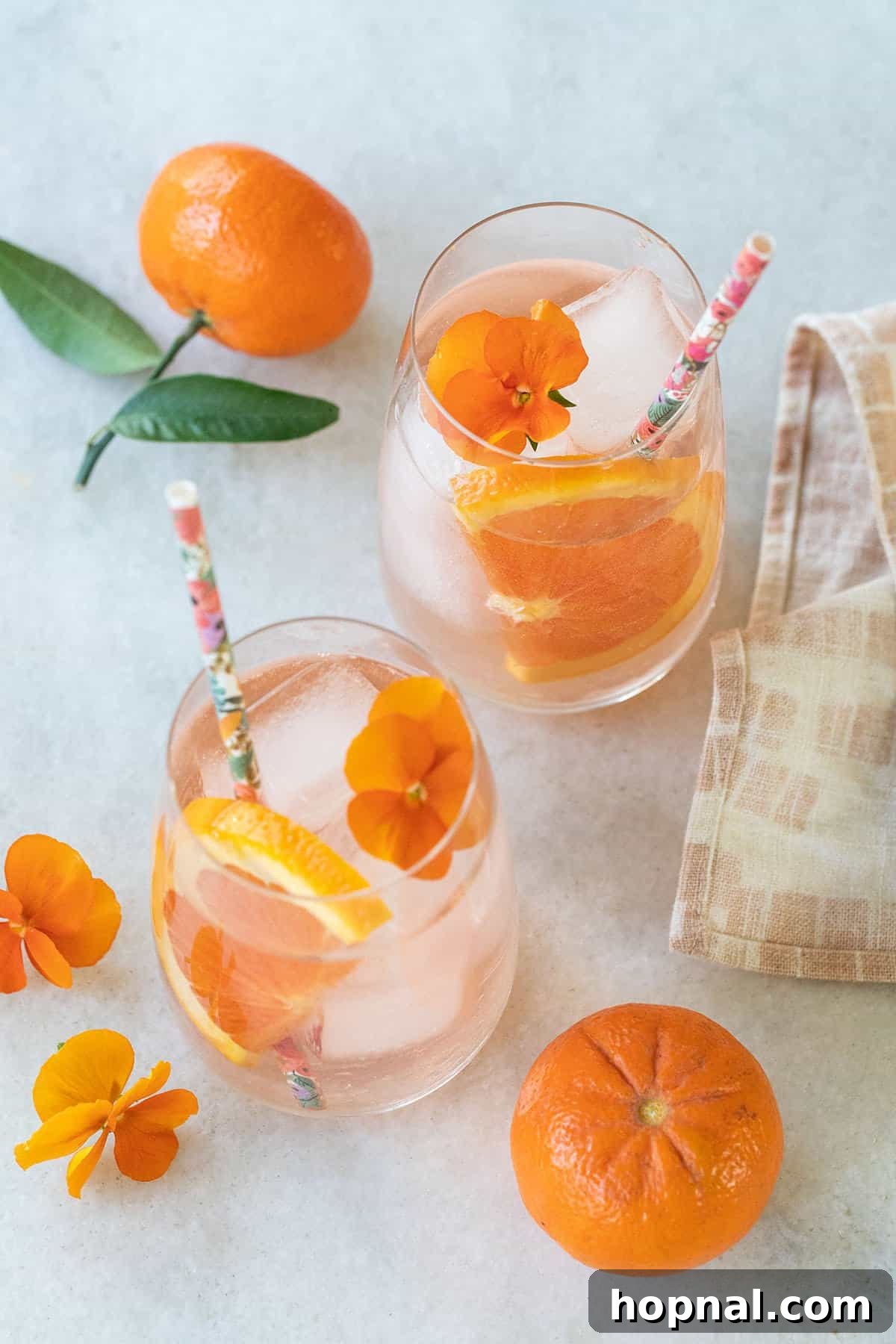
Embrace the quintessential taste of summer with an incredibly easy and delightfully delicious rosé spritzer. This vibrant cocktail, requiring just three simple ingredients, is the epitome of effortless entertaining. Its light, crisp, and fruity profile is guaranteed to charm your guests and elevate any warm-weather occasion. Whether you’re hosting a backyard barbecue, enjoying a sunset on the patio, or simply unwinding after a long day, this rosé spritzer recipe promises a refreshing escape. Gather your friends, chill your rosé, and prepare to mix up your new favorite summer beverage!
While classic wine spritzers have always held a special place, the sheer elegance and refreshing character of a rosé wine spritzer truly set it apart. They are the ideal companion for sweltering summer days, offering a customizable flavor profile that can be tailored to your precise preference. Many prefer them over commercially produced hard seltzers, appreciating the richer flavor depth and the inherent enjoyment that comes with a well-crafted wine-based drink. If you have a bottle of rosé chilling in your fridge, you’re already halfway to concocting this simple yet sophisticated summer cocktail that everyone will adore. And for those exceptionally hot days when only a frozen treat will do, don’t miss our fantastic strawberry frozé recipe!
Beyond this delightful rosé spritzer, explore our extensive collection of summer drinks, including unique concoctions like our refreshing kombucha mule cocktail, alongside a myriad of other classic cocktail recipes designed for every taste and occasion.
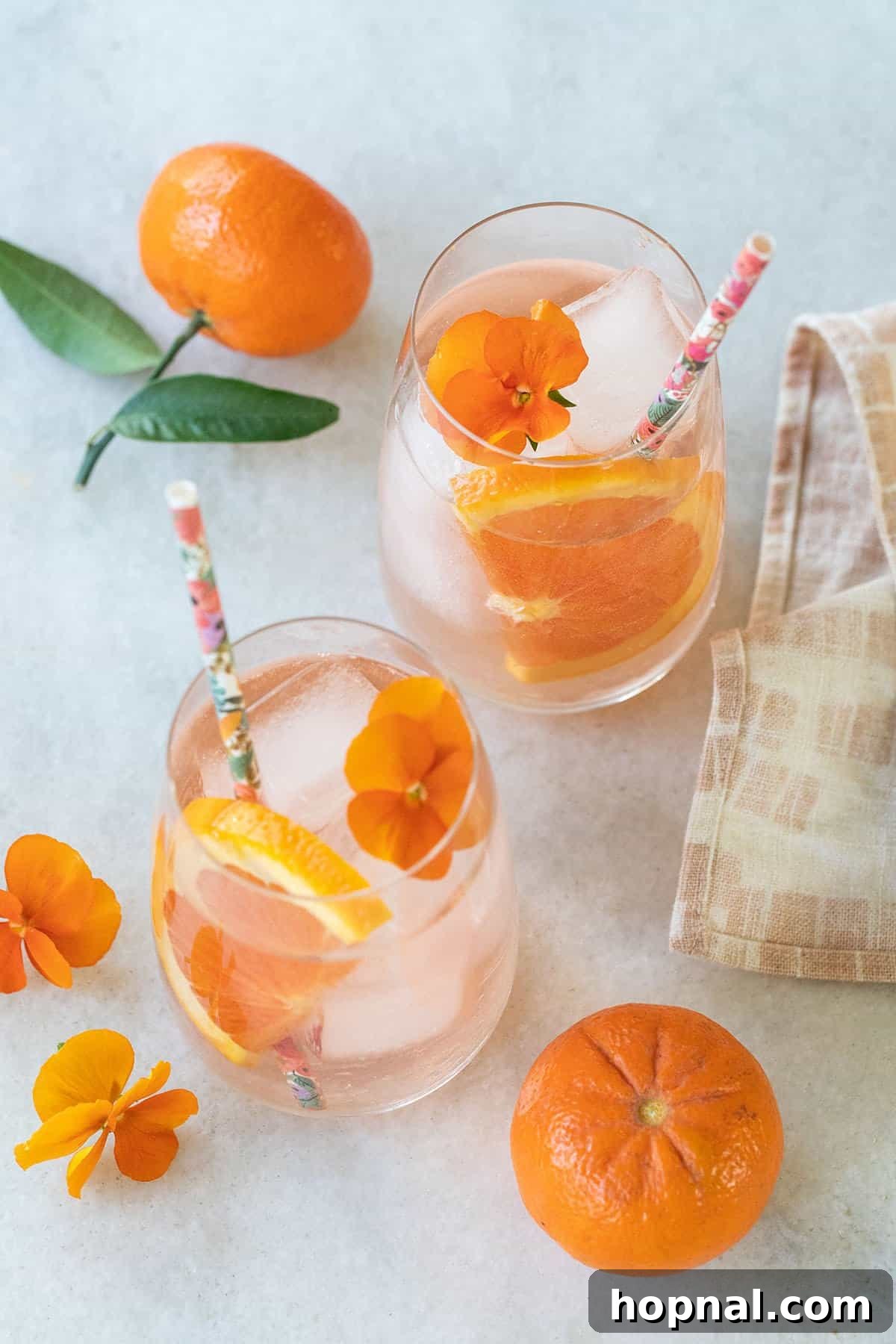
What Exactly is a Spritzer?
At its core, a spritzer is a wonderfully refreshing beverage that ingeniously combines wine or spirits with carbonated water. The addition of bubbles transforms the drink into something lighter and more effervescent, making it exceptionally pleasant, especially in warmer weather. A rosé spritzer, as the name delightfully suggests, is crafted using a key ingredient: rosé wine! This particular type of wine, known for its light body and often fruity notes, is an absolutely perfect foundation for creating exquisite cocktails. Its natural crispness and varied flavor profiles—from bone-dry to subtly sweet—make it a popular choice for summer enjoyment, providing a refreshing sip without feeling overly heavy or intense. It’s the ideal balance of flavor and lightness.
Crafting the Perfect Rosé Spritzer: A Simple Guide
Creating your own rosé spritzer is an incredibly straightforward process, proving that some of the best things in life are indeed the simplest. With just a few basic steps and a handful of quality ingredients, you can effortlessly whip up a sophisticated and thirst-quenching drink. The beauty of this recipe lies in its adaptability; while we provide a classic foundation, feel free to adjust ratios and garnishes to perfectly suit your personal taste or the mood of your gathering. Let’s delve into the essential components and the easy steps to bring this delightful cocktail to life.
Essential Ingredients for Your Rosé Spritzer
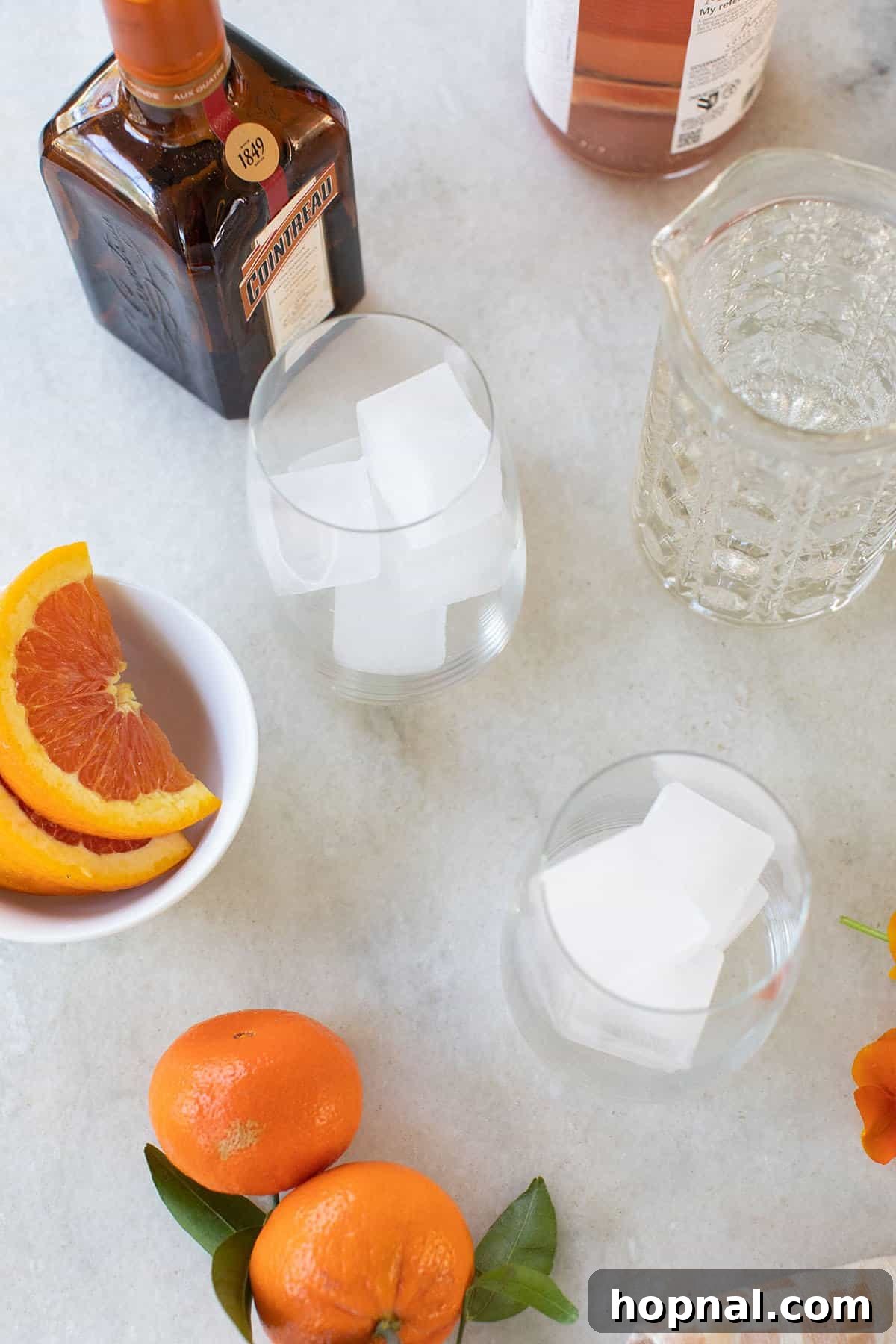
The magic of a great rosé spritzer lies in the quality and balance of its core ingredients. You don’t need an extensive liquor cabinet to achieve perfection; just three key components come together to create this harmonious blend. Here’s what you’ll need:
Rosé Wine – The star of our show! For an ideal spritzer, a dry rosé is often the best choice. Wines from regions like Provence, or a dry Grenache or Cinsault rosé, offer that crisp, refreshing profile that won’t overwhelm the other delicate flavors in your drink. You certainly don’t need to splurge on an expensive bottle; a good quality, moderately priced rosé will perform beautifully. The goal is a wine you would genuinely enjoy drinking on its own, ensuring a delightful base for your spritzer. Look for notes of red berries, citrus, or subtle floral undertones.
Sparkling Water (Club Soda or Seltzer) – This ingredient is crucial for adding the delightful fizz and lightness to your cocktail. Often used interchangeably in mixed drinks, club soda, seltzer water, and plain sparkling water all provide the necessary carbonation without adding extra sugar or flavor. Club soda may contain added minerals, which can slightly enhance the taste, while seltzer is typically just carbonated water. For a twist, you can also experiment with flavored soda water to introduce subtle new dimensions to your spritzer, such as lemon, lime, or even a hint of berry.
Orange Liqueur – This sweet, citrus-infused alcohol adds a layer of complexity and a beautiful aromatic finish to your rosé spritzer. Made typically with a blend of cognac (or brandy), sugar, and the distilled essence of bitter oranges, varieties like Cointreau, Triple Sec, or Grand Marnier are popular choices. It imparts a delightful balance of sweet, bitter, and bright citrus notes that perfectly complement the rosé. A little goes a long way in enhancing the overall flavor profile without overpowering the wine’s character.
Simple Directions: Your Rosé Spritzer in 4 Easy Steps
Making this refreshing cocktail couldn’t be simpler. Follow these four quick steps, and you’ll be enjoying your homemade rosé spritzer in minutes:
- Start by filling your chosen glass generously with ice. The colder the drink, the more refreshing it will be.
- Pour in the chilled rosé wine.
- Carefully add the sparkling water (club soda or seltzer) next, followed by the orange liqueur.
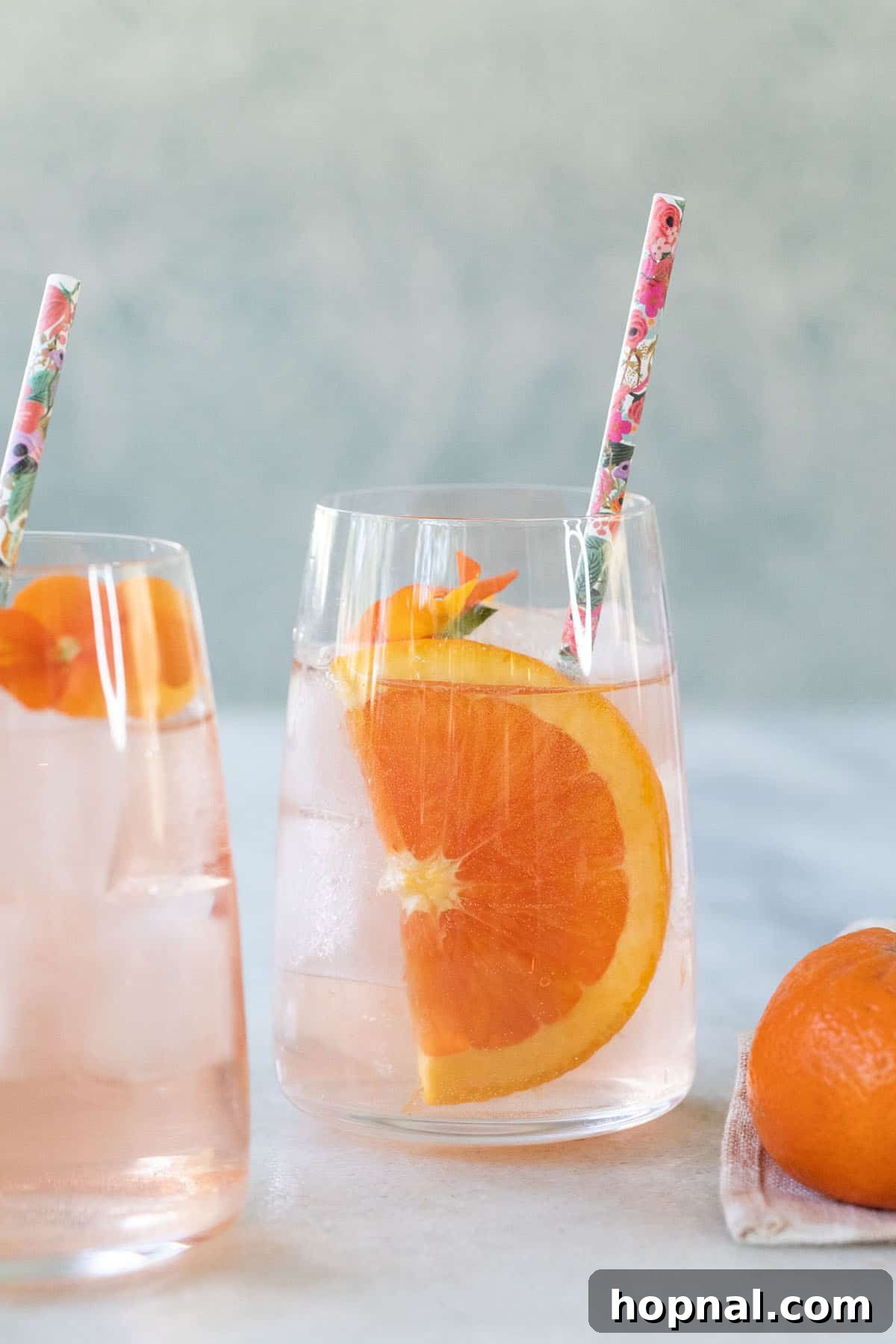
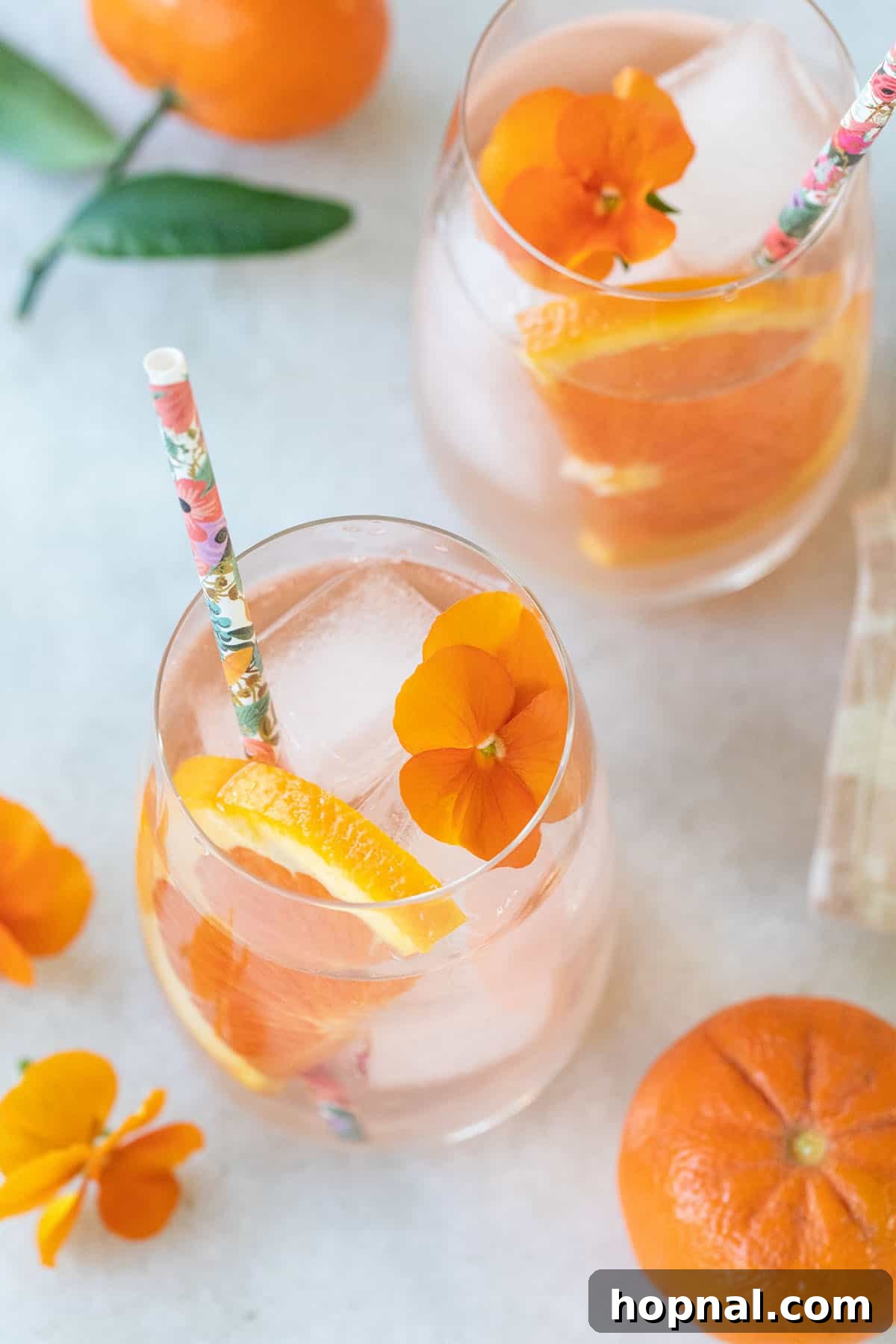
- Stir everything gently together to combine the flavors. Garnish with fresh lemon slices and a few edible flowers for an elegant touch.
Exciting Rosé Spritzer Recipe Variations
One of the joys of a rosé spritzer is its incredible versatility. You can easily adapt this base recipe to explore new flavor combinations and suit your personal taste or the occasion. Here are several delightful ideas to inspire your next creation:
- Liqueur Swaps: Experiment with different flavored liqueurs. An elderflower liqueur like St. Germain or a peach schnapps can add wonderful floral or stone fruit notes, complementing the rosé beautifully.
- Flavored Sparkling Water: Elevate the drink with flavored carbonated water. Lemon, lime, orange, grapefruit, or even berry-flavored seltzer can introduce a subtle yet impactful twist, adding another layer of fruitiness without extra sweetness.
- Wine Alternatives: While rosé is our star, you can easily adapt this recipe to create other wine spritzers. Use a crisp white wine (like Sauvignon Blanc or Pinot Grigio) for a classic white wine spritzer, or even a light-bodied red wine for a unique red wine spritzer experience.
- Fresh Fruit Infusion: Incorporate fresh fruits directly into the drink for extra flavor and visual appeal. Slices of lemon, lime, cucumber, fresh strawberries, raspberries, or even a few blueberries can infuse the spritzer with their natural essence.
- Ginger Ale Kick: For a slightly sweeter drink with a spicy undertone, substitute the soda water with ginger ale. This adds a delightful warmth and effervescence, perfect for a subtle change.
- Herbal Accents: Garnish with a sprig of fresh herbs like rosemary, mint, or basil. The aromatics will add a sophisticated layer to each sip, transforming the drink into a more complex cocktail.
- Sweetness Adjustment: If you prefer a sweeter spritzer, a small dash of simple syrup, agave nectar, or even a splash of fruit juice (like cranberry or grapefruit) can be added to taste.
Expert Tips for Crafting the Best Rosé Spritzer
Achieving rosé spritzer perfection is simple with a few insider tips:
- Chill Everything Thoroughly: The most crucial tip! Ensure all your ingredients—the rosé wine, sparkling water, and even your glassware—are thoroughly chilled before mixing. Colder temperatures preserve the wine’s flavor and maintain the carbonation of the sparkling water, resulting in a crisper, more refreshing drink that won’t quickly dilute.
- Quality Matters (but not price): While there’s no need for an expensive vintage, always opt for a rosé wine you genuinely enjoy drinking on its own. The quality of your wine directly impacts the final taste of your spritzer. A good, dry, and balanced rosé will be the foundation for an excellent cocktail.
- Taste as You Go: Start with the suggested proportions, but always taste and adjust. You can always add more sparkling water for a lighter drink, more wine for a stronger one, or extra orange liqueur for a deeper citrus note. Remember, it’s easier to add than to remove!
- Adjust Sweetness Wisely: If you desire a sweeter spritzer, add a touch of simple syrup (equal parts sugar and water, dissolved), agave nectar, or even a small splash of natural fruit juice. Introduce sweeteners incrementally to avoid making the drink overly sugary.
- Batch for a Crowd: This recipe is easily scalable for entertaining. For a party, simply multiply the ingredients by the number of guests you’re serving and prepare it in a beautiful pitcher or dispenser. Add fresh fruit and herbs directly to the pitcher for a stunning presentation.
- Ice, Ice, Baby: Don’t skimp on the ice! A glass packed with ice will keep your spritzer cold longer and prevent quick dilution. Consider using large ice cubes or spheres that melt slower.
Elevate Your Spritzer with Creative Garnishes
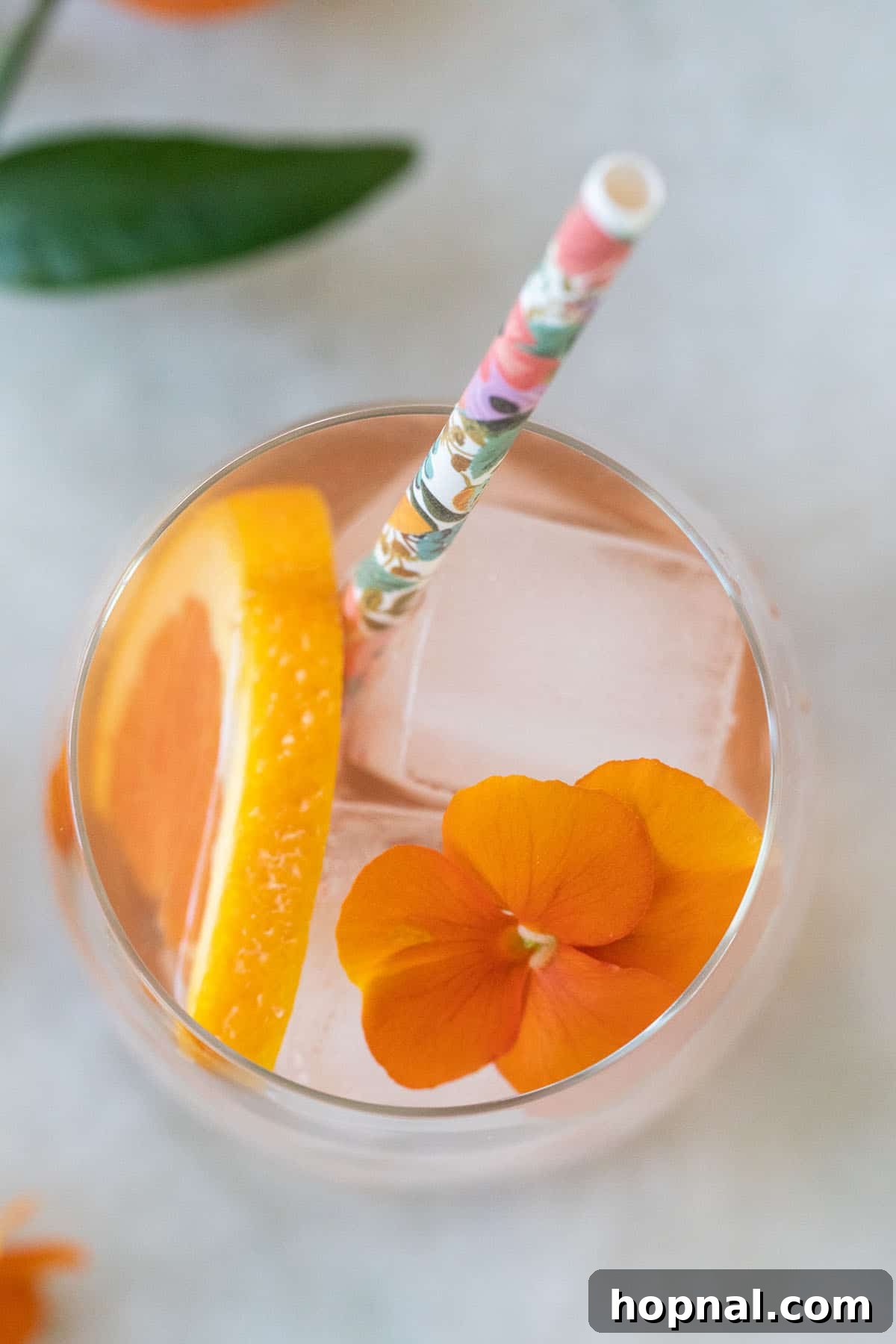
Garnishes aren’t just for aesthetics; they can also enhance the aroma and flavor of your rosé spritzer. Here are some of our favorite ways to adorn your drink, adding both visual appeal and an extra layer of sensory delight:
- A fresh slice or elegant twist of lemon or lemon zest offers bright citrus notes and a vibrant pop of color.
- A sprig of fragrant rosemary or thyme can introduce a sophisticated, herbaceous aroma that complements the wine beautifully.
- Slices of orange or dehydrated orange wheels not only look stunning but also contribute a subtle sweet-tart orange essence.
- Fresh strawberries, raspberries, or blueberries add natural sweetness and a lovely ruby hue. For an extra cool touch, consider using strawberry ice cubes.
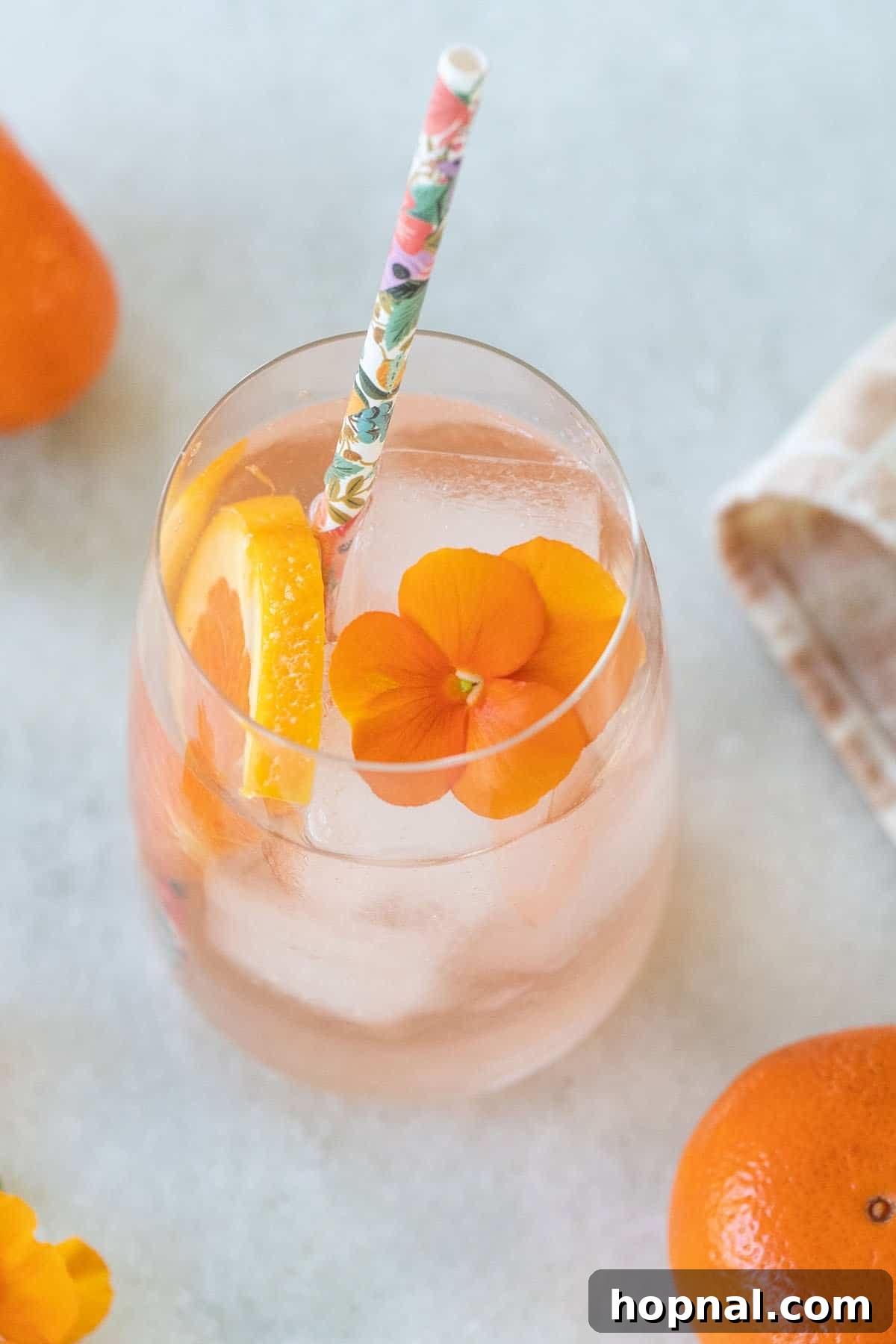
- Edible flowers, such as pansies or violas, create a truly Instagram-worthy cocktail, adding a delicate touch of elegance.
- A thin slice of cucumber can provide a surprisingly refreshing, cool, and crisp element to your drink, particularly on a hot day.
Whatever your choice, these simple additions can transform a great cocktail into an unforgettable experience. We hope you thoroughly enjoy this refreshing rosé spritzer!
Exploring 5 Popular Types of Rosé Wine
Now that you’re well-versed in crafting a perfect rosé spritzer, let’s delve a little deeper into the wonderful world of rosé wine itself. Understanding the different types can help you choose the ideal bottle for your next spritzer or simply broaden your appreciation for this versatile wine category. Here are five popular types of rosé wine:
- White Zinfandel – Perhaps one of the most widely recognized rosé wines, White Zinfandel is an American-born rosé made primarily from the Zinfandel grape. It is known for its light body, often sweet profile, and pronounced fruity flavors, typically bursting with notes of strawberry, raspberry, cherry, and sometimes a hint of melon. It’s a classic choice for those who enjoy a sweeter, fruit-forward rosé.
- Provence Rosé – Hailing from the picturesque Provence region of France, this is arguably the benchmark for dry rosé. Provence rosé is characterized by its pale, delicate pink color and its elegant, bone-dry profile. It typically offers subtle notes of red berries (like faint strawberry and cherry), citrus (grapefruit, lemon peel), and often a nuanced herbaceous or floral undertone. It’s the epitome of a sophisticated and refreshing rosé.
- Rosado – This is the Spanish term for rosé wine, often darker in color and more full-bodied than its French counterparts, though styles vary widely by region. Spanish Rosados, often made from Tempranillo or Garnacha grapes, tend to have more intense fruit flavors of cherry, raspberry, and sometimes even a hint of spice, offering a more robust character that stands up well to bolder foods.
- Blush Wine – This is a broader term for light-colored wines made from red grapes, often referring to rosés that are slightly sweeter or fruitier. While White Zinfandel falls under this category, other blush wines can be made from various red grape varietals. They typically present a light to medium body and an approachable fruity flavor profile, making them very consumer-friendly.
- Champagne Rosé – A luxurious and celebratory sparkling rosé from the Champagne region of France. Unlike still rosés, Champagne Rosé offers fine bubbles and a complex flavor profile. It can range from dry (Brut) to sweeter styles and typically presents notes of red berries, brioche, and often a subtle mineral complexity. Its effervescence makes it a truly special ingredient for an elevated sparkling rosé spritzer.
- Tavel Rosé – Another French rosé, specifically from the Southern Rhône. Tavel is unique because it is *always* a dry rosé and often has a deeper color and more robust body than Provence rosés. It’s known for its powerful fruit flavors, minerality, and capacity for aging, making it a serious and food-friendly rosé.
A Glimpse into the History of Wine Spritzers
The refreshing concept of the wine spritzer boasts a history richer than many might assume. While its precise origins are somewhat shrouded in time, it is widely believed that this delightful concoction first gained popularity in Germany or Austria, where it’s known as “Weinschorle.” The earliest recorded mention of a wine spritzer dates back to 1869, with recipes advocating for a simple blend of equal parts wine and seltzer water – a testament to its enduring simplicity.
The early 1900s saw wine spritzers make their way to the United States, largely introduced by German and Austrian immigrants. These light and effervescent drinks quickly became a staple at outdoor gatherings, picnics, and summer festivals, offering a lighter alternative to straight wine, particularly during hot weather. Their popularity steadily grew, establishing them as a beloved warm-weather libation.
The spritzer’s ascent to widespread fame in the United States was particularly notable in the 1970s, coinciding with the rise of White Zinfandel. This new, lighter, and fruitier style of rosé wine proved to be the perfect partner for carbonated water, further cementing the wine spritzer’s place in American beverage culture. Its approachable sweetness and refreshing character made it an instant hit with a broad audience.
Today, wine spritzers, in all their variations, are enjoyed globally. They remain a quintessential summertime drink, cherished for their versatility, refreshing qualities, and ease of preparation, continuing a tradition that spans over a century and a half.
Optimal Storage for Rosé Wine
Proper storage is key to preserving the fresh, vibrant flavors of your rosé wine, whether it’s an unopened bottle or a leftover pour. For unopened bottles, store rosé in a cool, dark place away from direct sunlight and temperature fluctuations. A wine cellar, pantry, or even a dark cabinet will suffice, maintaining a consistent temperature, ideally between 50-55°F (10-13°C). Rosé is generally meant to be consumed young, within 1-2 years of its vintage, to capture its peak fruitiness and freshness.
However, if you’re planning to enjoy your rosé within a few days or specifically for a spritzer, storing it in the refrigerator is ideal. This ensures it’s perfectly chilled and ready to serve at a moment’s notice, making for the crispiest and most refreshing spritzer experience.
Frequently Asked Questions About Rosé Spritzers
What is a wine spritzer made of?
A classic wine spritzer is primarily made from two ingredients: wine and carbonated water (such as club soda, seltzer, or sparkling water). The ratio can vary based on personal preference, but it’s generally designed to be a light and refreshing drink, perfect for warm weather. While any wine can be used, we find rosé to be an exceptional choice for its light and fruity profile.
How do you make rosé wine sparkling?
To make rosé wine sparkling for a spritzer, you simply combine it with carbonated water. The addition of carbonated water instantly introduces effervescence, transforming still rosé into a light and refreshing bubbly drink. For an even more intense sparkling experience, you could start with a sparkling rosé wine as your base, then add a touch more carbonated water if desired.
Why do people drink wine spritzers?
Wine spritzers are widely enjoyed for several compelling reasons. They are exceptionally refreshing, making them ideal for hot days or lighter drinking occasions. They are also lower in alcohol content compared to a full glass of wine, allowing for more leisurely enjoyment. Furthermore, spritzers are incredibly versatile and easy to customize with different wines, flavored sparkling waters, and garnishes, making them a popular and adaptable cocktail choice for any palate.
How many calories are in a rosé spritzer?
The calorie count for a rosé spritzer can vary slightly depending on the specific rosé wine used and the amount of orange liqueur or any added sweeteners. However, a typical rosé spritzer, made with 3 ounces of rosé, 2 ounces of sparkling water, and 1/2 ounce of orange liqueur, usually contains approximately 110-130 calories. This makes it a relatively light and refreshing beverage option.
What is the difference between a rosé spritzer and a wine spritzer?
The primary difference lies in the type of wine used. A rosé spritzer specifically utilizes rosé wine as its base, imparting its characteristic pink hue and fruity flavor profile. A general “wine spritzer,” on the other hand, is a broader category that can be made with any type of wine—be it red, white, or rosé. So, while all rosé spritzers are wine spritzers, not all wine spritzers are rosé spritzers.
How long does an open bottle of rosé last?
Once opened, a bottle of rosé wine can typically maintain its freshness and flavor for about 3 to 5 days, provided it is properly sealed and stored in the refrigerator. To maximize its lifespan, recork the bottle tightly or use a wine stopper to minimize air exposure. While it might still be drinkable beyond this period, its vibrant aromas and crisp taste will begin to diminish.
Ideal Occasions to Serve Rosé Spritzers
Rosé spritzers are truly the quintessential drink of summertime and are perfect for a myriad of occasions. Their effortless elegance and refreshing nature make them suitable for almost any gathering, from casual backyard hangouts to more sophisticated celebrations. They are simple to prepare and can even be made in advance, making them an entertainer’s dream. Here are some of our favorite special occasions to serve this delightful wine cocktail:
- Summer Movie Nights: A light, bubbly drink is perfect for relaxed outdoor entertainment.
- Wine and Cheese Parties: Their light profile pairs wonderfully with a variety of cheeses.
- Pool Parties: An absolute must-have for poolside lounging and keeping cool.
- Beach Bonfires: Enjoy the sunset with a perfectly refreshing spritzer in hand.
- Birthday Parties: A festive and easy choice, especially for a last-minute birthday party!
- Carnival-Themed Parties: A fun and vibrant drink to match a lively atmosphere.
- Garden Parties: Its delicate nature complements a beautiful garden setting perfectly.
- Tropical Parties: Add a tropical fruit garnish for an instant island vibe.
- Casual Brunch or Lunch: A lighter alternative to heavier cocktails, perfect for daytime gatherings.
- Holiday Celebrations: A festive and vibrant drink for occasions like Mother’s Day, Easter, or Fourth of July.
For even more interactive fun, consider setting up your own spritzer bar at your next party, allowing guests to customize their drinks!
Delightful Pairings: What to Serve with Wine Spritzers
The versatility of wine spritzers makes them an excellent companion to a wide array of foods, especially those suited for light entertaining and warm weather. Their crisp, refreshing profile can cut through richness and complement delicate flavors beautifully. Here are some of our favorite food pairings that enhance the enjoyment of a rosé spritzer:
- Cheese Platters: Pair with light, fresh cheeses like goat cheese, mozzarella, or mild cheddar.
- Fruit and Cheese Platters: The fruitiness of the spritzer harmonizes with fresh berries, melon, and grapes.
- Vegetables and Dips: Crudités with light, creamy dips or hummus make for a perfect healthy snack alongside a spritzer.
- Charcuterie Boards: Light cured meats like prosciutto or speck, combined with olives and crackers, are excellent.
- Light Seafood Dishes: Think grilled shrimp, baked salmon, or delicate white fish. The acidity of the spritzer complements the seafood without overpowering it.
- Salmon Skewers: The refreshing bubbles are a fantastic contrast to the rich flavor of salmon.
- Easy Dessert Recipes: Especially fruit-based desserts like berry tarts, lemon bars, or a light panna cotta.
- Easy Dessert Charcuterie Boards: Mix and match with fresh fruit, light cookies, and small pastries.
- Mediterranean Mezze: Dishes like bruschetta, caprese salad, or fresh tomato salads are superb matches.
Sourcing Your Rosé Wine
Finding a suitable rosé wine for your spritzer is usually quite simple. Rosé wine has seen a massive surge in popularity over recent years, making it widely available. You can purchase rosé wine at most well-stocked grocery stores, specialized liquor stores, and wine shops. For convenience and often a wider selection, many online retailers also offer a vast array of rosé options, which can be delivered directly to your door, depending on local regulations. Don’t hesitate to ask store staff for recommendations on dry, fruit-forward rosés that are perfect for mixing.
Serving Your Refreshing Wine Spritzer
The presentation of your wine spritzer can significantly enhance the drinking experience. While the beauty of this cocktail lies in its simplicity, choosing the right glassware adds a touch of elegance. We love serving rosé spritzers in classic wine glasses, whether they are stemmed (like a Bordeaux or universal wine glass) or stemless, as this allows the drinker to appreciate the beautiful color and aromas of the wine. However, an old-fashioned glass, a highball glass, or even a chic stemless cocktail glass works equally well. The key is to ensure the glass is large enough to hold plenty of ice and allow for generous garnishes. Whichever you choose, make sure it’s impeccably clean and, ideally, chilled beforehand for the ultimate refreshing sip.
Discover More Delightful Spritz Recipes
If you’ve fallen in love with the refreshing simplicity of a spritz, there’s a whole world of bubbly concoctions waiting to be explored! From classic Italian aperitivos to unique non-alcoholic options, these spritz recipes are perfect for any time of year. Dive into these delightful variations:
- Aperol Spritz – The iconic Italian summer drink, famous for its vibrant orange hue and bittersweet flavor. A true classic that epitomizes aperitivo hour.
- French Spritz – An elegant and sophisticated spritz crafted with sparkling Champagne or Prosecco and delicate elderflower liqueur, offering a beautifully floral and refined taste.
- Matcha Spritz – For those seeking a unique twist or a healthy, non-alcoholic option, this matcha spritz is packed with antioxidants and offers an earthy, invigorating refreshment.
- Apple Spritz – A fantastic white wine spritzer perfect for the autumn months, combining crisp apple flavors with a refreshing fizz.
- Lemon & Basil Spritz: A bright and herbaceous option, pairing lemon-infused sparkling water with muddled fresh basil and a dry white wine or gin.
- Grapefruit Rosé Spritz: A more citrus-forward take on our classic, using grapefruit sparkling water and a splash of grapefruit juice.
Beyond Spritzers: More Exquisite Wine Cocktails
Wine’s versatility extends far beyond spritzers, serving as an incredible base for a diverse range of cocktails. If you enjoy experimenting with wine in your mixed drinks, you’ll love these other creative and flavorful concoctions:
- Kalimotxo (Wine and Coke) – A surprisingly delicious and popular Spanish cocktail that simply combines red wine and cola for a uniquely refreshing taste.
- Mulled Wine Cocktail – A warming and aromatic spiced wine, traditionally enjoyed during colder months and festive seasons.
- Red Moon Over Manhattan – A sophisticated and rich wine cocktail that offers a delightful spin on classic flavors.
- White Wine Sangria – A vibrant and fruity pitcher drink, perfect for sharing, made with white wine, fresh fruits, and a touch of brandy or liqueur.
- Sparkling Prosecco Cocktail – Elevate your Prosecco with simple additions like fruit juices or liqueurs for an effortlessly chic bubbly drink.
- Ginger and Jasmine Rosé Cocktail – A beautifully aromatic and subtly spiced cocktail featuring rosé wine, ginger beer, and a hint of jasmine.
- Wine Margarita: A creative take on the classic margarita, substituting tequila with a crisp white wine and blending with lime juice and orange liqueur.
Now that you possess all the knowledge to create the most amazing and easy rosé spritzer recipes, it’s truly time to get mixing! We encourage you to experiment, personalize, and most importantly, enjoy every refreshing sip. This simple yet sophisticated cocktail is destined to become a staple in your summer repertoire.
We’d love to hear your thoughts! Let us know what you think about this delightful cocktail by leaving a comment and review below. Your feedback helps us share more delicious recipes and inspire fellow cocktail enthusiasts.
You can also FOLLOW US on FACEBOOK, INSTAGRAM, and PINTEREST to discover even more delicious recipes, innovative cocktails, tempting desserts, and inspiring party ideas!
Rosé Spritzer Recipe
By: Eden
A refreshing, easy, and delicious rosé spritzer! With just 3 simple ingredients, this drink is perfect for summer. It has a light and fruity flavor and is sure to please your guests. So gather up some friends and give this recipe a try!
Prep Time: 3 mins | Cook Time: 0 mins | Total Time: 3 mins
Servings: 1 cocktail
Ingredients
- 3 ounces rosé wine
- 2 ounces sparkling water, unflavored or flavored
- 1/2 ounce orange liqueur (e.g., Cointreau, Triple Sec)
Instructions
- Fill a wine glass generously with ice.
- Pour in the chilled rosé wine.
- Add the sparkling water and then the orange liqueur.
- Stir everything gently to combine and garnish with an edible flower and a fresh orange slice.
Notes
- Use this recipe as a guide; feel free to adjust the amount of wine, sparkling water, or liqueur to suit your taste.
- If you prefer a sweeter drink, add a small amount of simple syrup or agave nectar.
- Experiment with different flavored liqueurs (like elderflower) or flavored sparkling waters for unique variations.
Nutrition (Approximate per serving)
Calories: 114kcal, Carbohydrates: 7g, Protein: 0.1g, Fat: 0.04g, Saturated Fat: 0.02g, Polyunsaturated Fat: 0.01g, Sodium: 17mg, Potassium: 90mg, Sugar: 5g, Calcium: 10mg, Iron: 0.3mg
Nutrition information is automatically calculated, so should only be used as an approximation.