
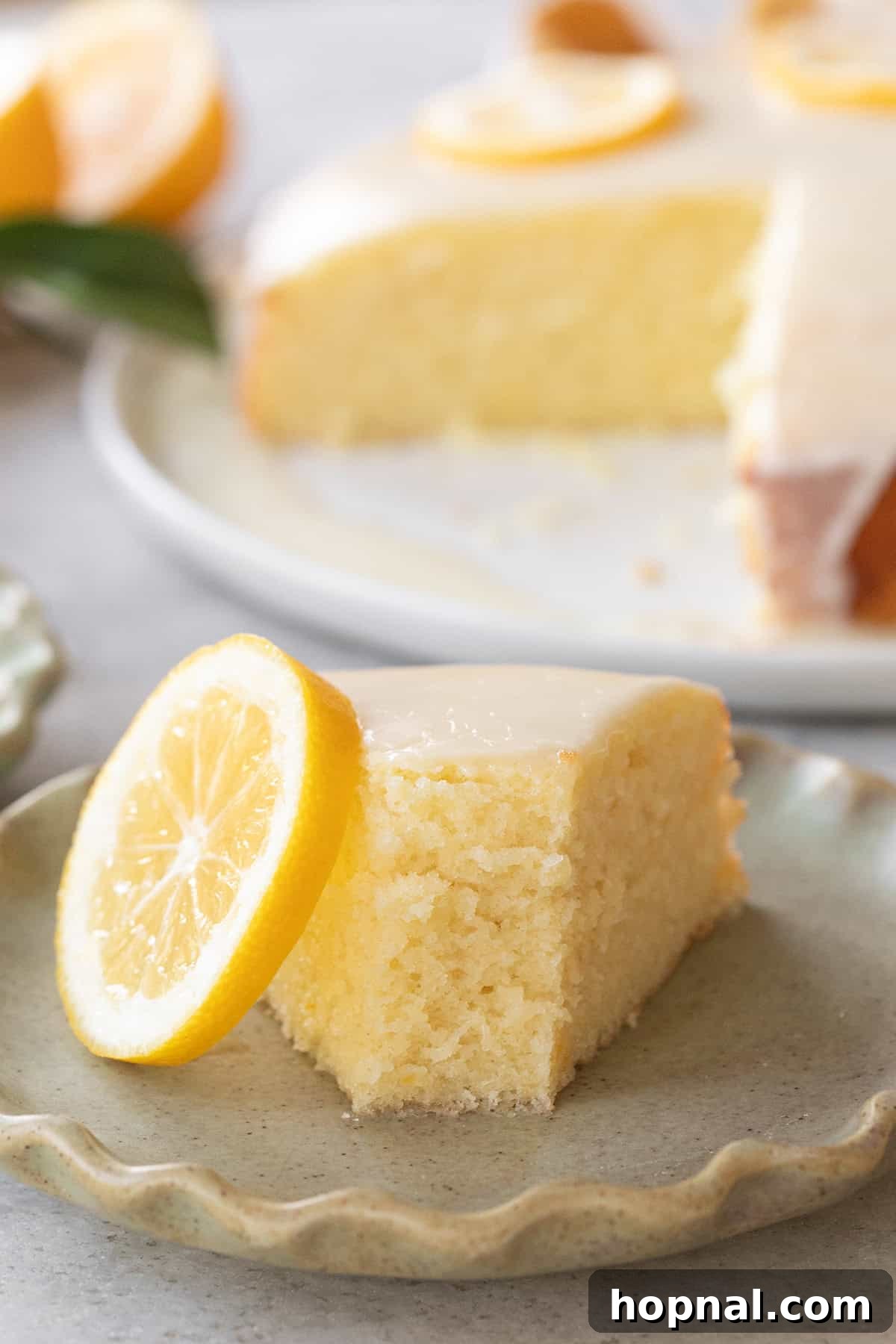
The Ultimate Moist Lemon Olive Oil Cake Recipe: A Taste of Mediterranean Sunshine
Prepare to fall deeply in love with this Lemon Olive Oil Cake – a truly exceptional dessert that embodies simplicity, elegance, and incredible flavor. This isn’t just any cake; it’s a soft, exceptionally moist, and effortlessly chic creation, often made in just *one bowl*! Infused with the vibrant zest and fresh juice of lemons and enriched with high-quality extra-virgin olive oil, it delivers a bright, invigorating citrus flavor with a unique, tender crumb that simply melts in your mouth. Finished with a delicate, tangy lemon glaze, this cake is an ideal choice for both the simple pleasures of everyday baking and the sophisticated demands of entertaining, promising a delightful experience with every single slice.
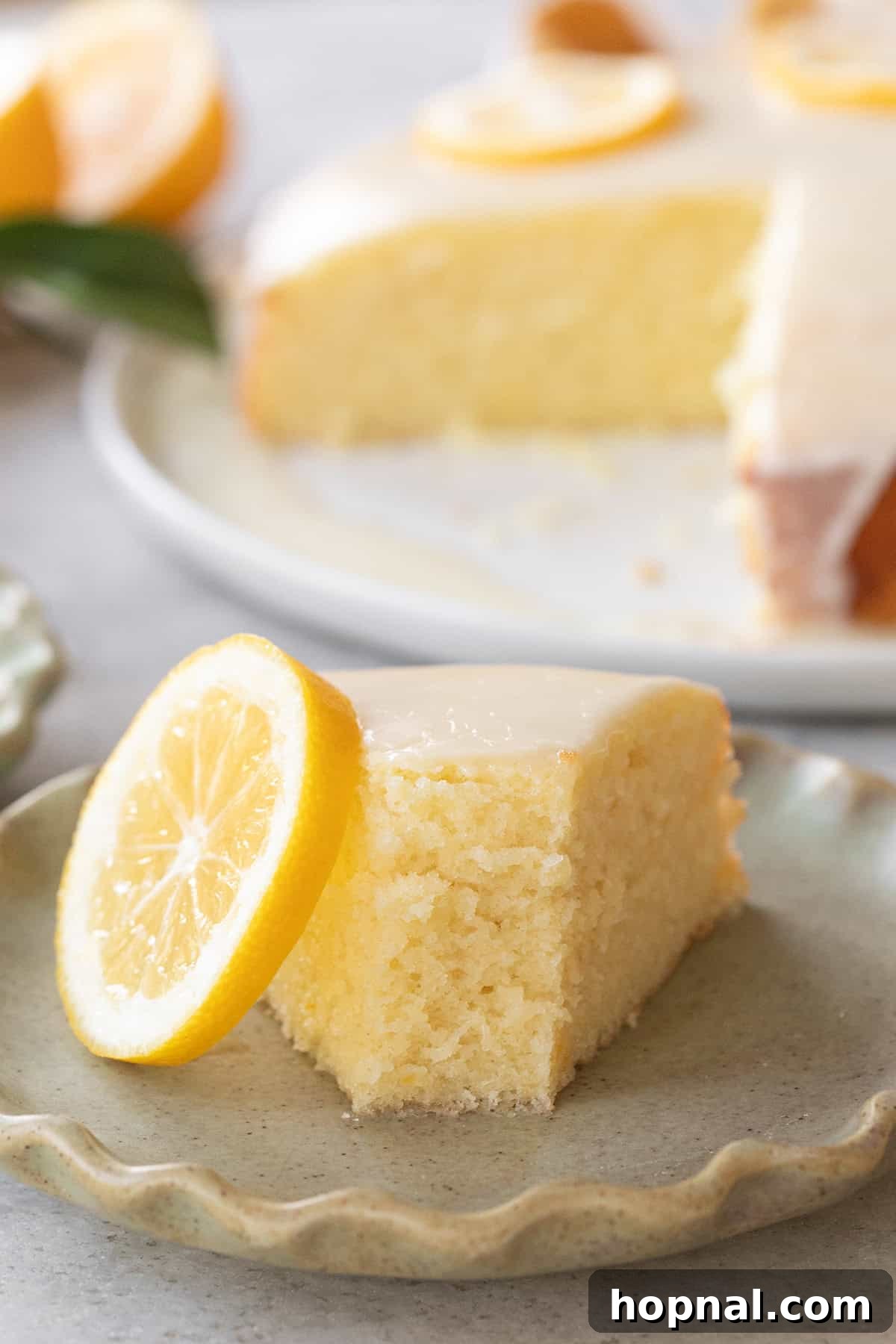
My Enduring Love Affair with Lemons & This Irresistible Cake
I must confess, my kitchen has a profound, undeniable obsession with lemons! This passion runs so deep that I’ve even cultivated three thriving lemon trees in my backyard, yielding an abundance that could easily supply a small village. This endless bounty of golden citrus fuels my constant desire for all things bright and zesty, inspiring countless culinary creations in my home.
From the fluffy indulgence of my Lemon Ricotta Pancakes, which are absolutely perfect for a leisurely Sunday morning, to the tangy delight of classic Lemon Bars, the comforting nostalgia of a Real Lemon Pie, or a slice of my buttery Lemon Loaf Cake – if it’s tart, bright, and unmistakably citrusy, it’s destined for my oven. Yet, among all the delightful cakes I’ve had the pleasure of sharing over the last decade, this Lemon Olive Oil Cake holds an especially cherished place. It’s the recipe I find myself returning to time and again. It’s effortlessly chic, incredibly simple to prepare (we’re talking one bowl!), and thanks to the magic of olive oil, it retains its exceptional moistness and tender crumb for days on end.
This is the quintessential cake you’ll want to display proudly on your counter, perhaps under an elegant glass dome, finding yourself ‘trimming’ a little sliver each time you pass by. If you appreciate the understated charm and delicate textures of European-style cakes, much like my beloved Orange Ricotta Cake, the fragrant Lavender Cake, or a classic Ricotta Cheesecake, then this Lemon Olive Oil Cake is destined to become a beloved staple in your regular baking repertoire. Its refined simplicity is truly captivating.
And for those who adore intensely citrus-forward desserts – perhaps vibrant treats like my Orange Cranberry Muffins, the famously soft and tender Moist Banana Cake, or even the festive Classic Funfetti Cake – you are going to absolutely love this one. The unique, silky, and deeply moist crumb achieved with olive oil creates a flavor and texture profile that butter simply cannot replicate, offering a truly distinctive and utterly delightful experience that will leave you wanting more.
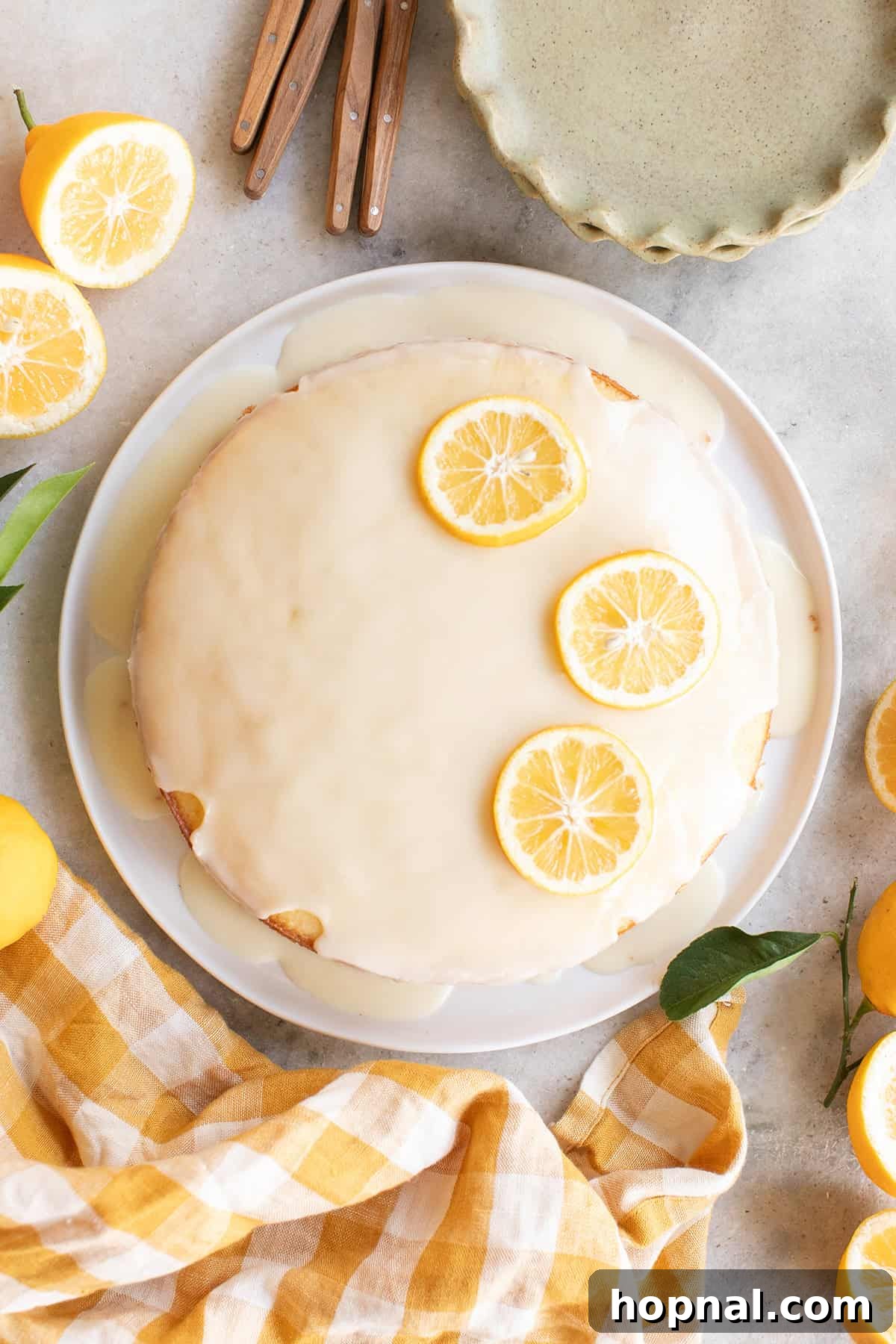
What Exactly is a Lemon Olive Oil Cake? Unveiling the Ciambellone
At its heart, a Lemon Olive Oil Cake is a celebration of simple, wholesome ingredients elevated by a time-honored baking tradition. In Italy, this beloved style of cake is affectionately known as a Ciambellone – a ring-shaped cake, traditionally enjoyed for breakfast, brunch, or a relaxed mid-afternoon snack. Olive oil cakes stand distinctly apart from their butter-based counterparts by utilizing olive oil as the primary fat, a culinary practice that has been a cherished part of Mediterranean cuisine for centuries, especially during the joyous celebrations of the olive harvest.
This particular rendition of the Ciambellone masterfully combines the inherent richness and subtle, sometimes peppery fruitiness of good quality olive oil with the bright, intensely aromatic notes of fresh lemon zest and concentrated lemon juice. The result is a cake with a captivating aroma and a perfectly balanced flavor profile – neither the lemon nor the olive oil overpowers the other; instead, they complement each other beautifully, creating a harmonious symphony of tastes. One of the most remarkable qualities of olive oil cakes, and a key reason for their enduring popularity, is their incredible ability to retain moisture. Thanks to the unique properties of liquid oil, these cakes remain wonderfully moist and tender for several days, much like the famously tender texture of my Pumpkin Cake, making them an excellent choice for make-ahead baking and effortless enjoyment.
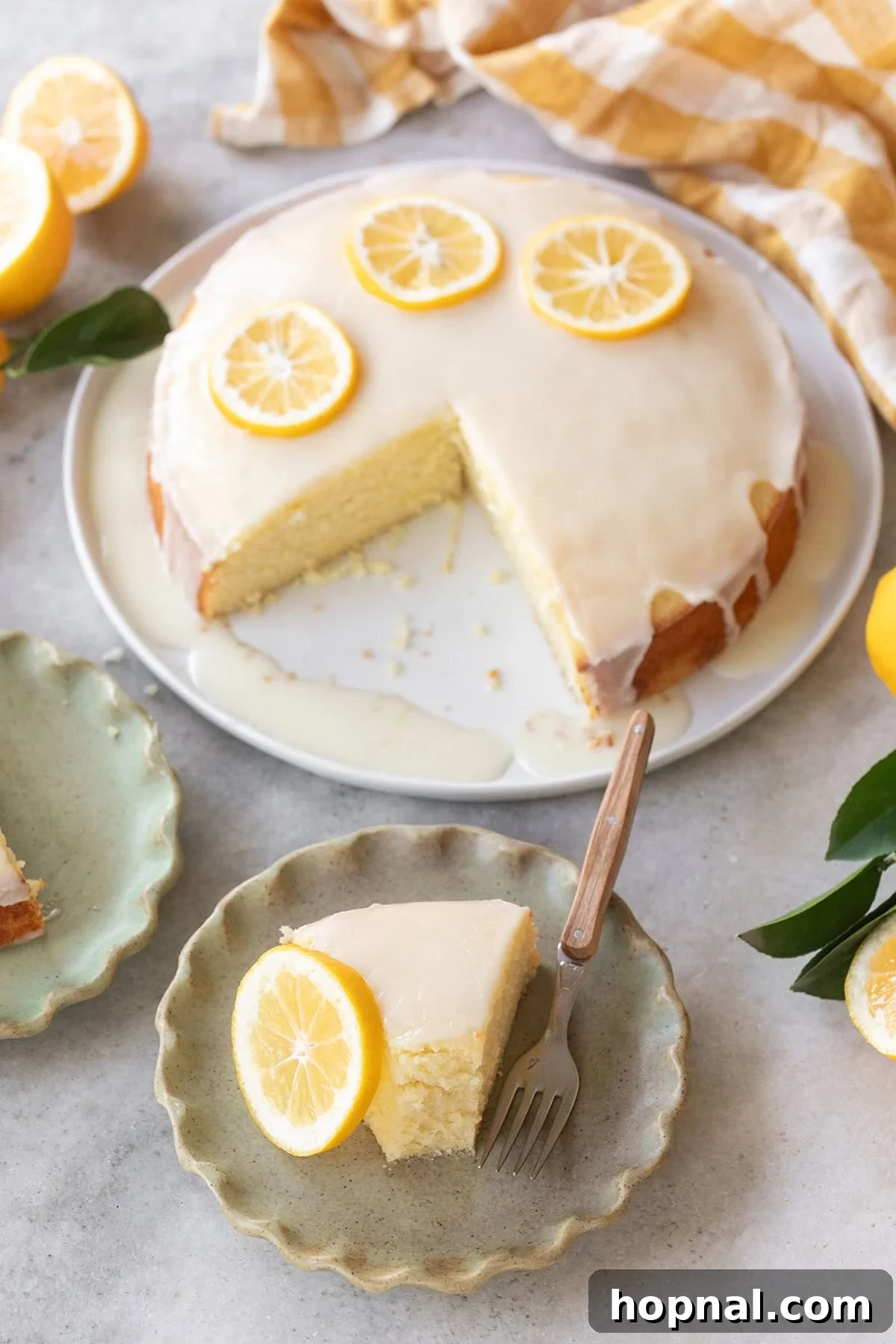
Why This Lemon Olive Oil Cake Recipe Guarantees Success Every Time
Every truly great recipe has foundational elements and smart techniques that contribute to its consistent success and delicious outcome. This Lemon Olive Oil Cake is no exception, designed with specific ingredient choices and methodical steps to deliver a perfect cake every single time:
- Olive Oil for Unparalleled Moisture and Extended Freshness: The deliberate choice of olive oil instead of butter as the primary fat is paramount. Unlike butter, which solidifies and stiffens as it cools, olive oil remains liquid at room temperature. This crucial difference ensures the cake’s crumb remains exceptionally soft, tender, and incredibly moist for days, extending its freshness and deliciousness far beyond traditional butter cakes.
- The Power of Emulsification: Whisking Eggs and Sugar First: A critical initial step involves vigorously whisking the eggs and granulated sugar together until they transform into a pale yellow, light, and airy mixture. This process isn’t just about combining ingredients; it creates a stable emulsion, incorporating a significant amount of air that contributes profoundly to a light, airy, and wonderfully tender texture, providing a robust yet delicate structure for the cake to rise beautifully.
- Perfect Harmony: Balanced Lemon Zest and Juice Ratio: Achieving that quintessential bright citrus flavor without overwhelming the palate is an art form. This recipe employs a carefully calibrated and balanced ratio of fresh lemon zest and juice. The zest provides intense aromatic oils, delivering a concentrated burst of lemon essence, while the juice adds necessary tartness and moisture, much like the expertly balanced citrus profiles found in my popular Lemon Loaf Cake.
- Gentle Baking for an Even, Flawless Rise: Baking this cake at a lower temperature than many conventional cake recipes is a deliberate and crucial secret weapon. This gentle, consistent heat promotes a slow, even rise throughout the batter, preventing the dreaded “domed” or cracked top and ensuring a uniformly baked cake from the edges to the very center, all while preserving its delicate, inherent moisture.
- Embracing the European-Style Oil-Based Technique: Drawing deep inspiration from classic Mediterranean baking, this European-style oil-based technique fundamentally differs from traditional butter-based methods. It results in a distinctively delicate, almost velvety crumb that is often found in high-end bakeries, offering a unique and luxurious mouthfeel that truly sets this cake apart. This method yields a crumb that is notably refined and tender, similar to the elegant texture of my Orange Ricotta Cake.
The Science Behind Olive Oil’s Superior Moistness in Cakes
One of the most remarkable advantages of baking with olive oil is its inherent ability to create and maintain an unparalleled level of moisture in cakes, far surpassing what butter typically achieves. The fundamental difference lies in its physical state at room temperature. Unlike butter, which is a solid fat, olive oil remains liquid. This property is crucial: when butter-based cakes cool, the butter solidifies and firms up within the crumb, which can lead to a denser, firmer, and sometimes drier cake texture over time. Olive oil, by remaining liquid within the cake’s delicate structure, continuously lubricates the crumb, keeping the cake exceptionally softer and more tender for an extended period, often several days.
Furthermore, olive oil interferes less with gluten development compared to solid fats like butter. This reduced interference contributes to a more tender and delicate texture in the finished cake, preventing it from becoming tough. This inherent moistness and superior keeping quality make olive oil cakes exceptionally suitable for make-ahead baking, ensuring they are just as delightful, if not more so, on the second or third day, as the flavors have ample time to meld and deepen beautifully.
Essential Ingredients for Your Delectable Lemon Olive Oil Cake
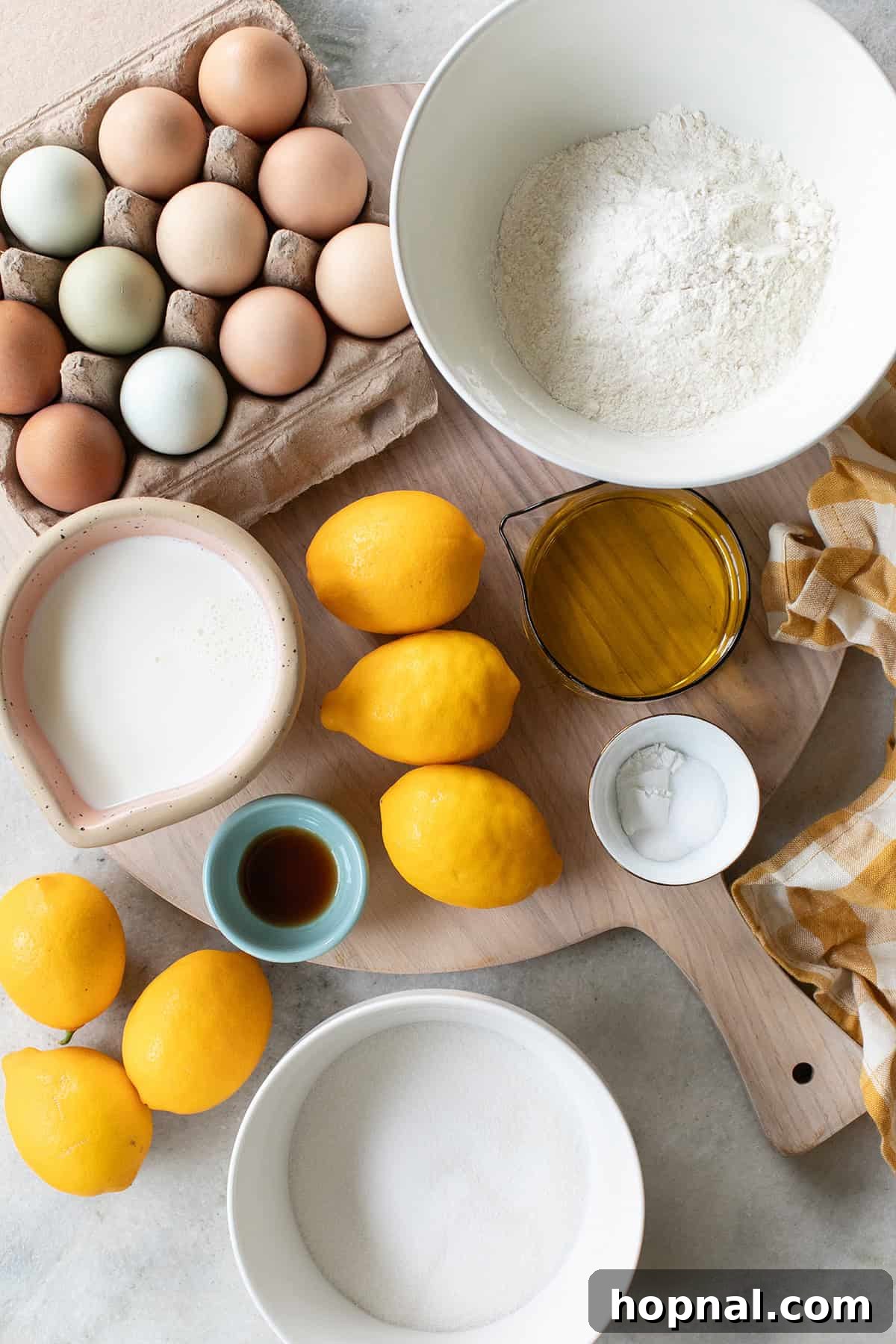
Crafting this ultra-moist, tender lemon olive oil cake requires only simple, readily available pantry staples and the vibrant freshness of real lemons.
Here’s a closer look at the key components and why each plays a vital role in the success of your cake:
King Arthur All-Purpose Flour: This is my absolute top recommendation for achieving the perfect structural integrity and tender crumb in this cake. King Arthur flour boasts a balanced protein content, which is essential to support the richness of the olive oil without resulting in a heavy or sunken cake. It creates a robust yet delicate framework for your cake’s texture.
Baking Powder & Baking Soda: This dynamic duo of leavening agents ensures a spectacular rise and a wonderfully light texture. The baking soda reacts immediately with the acidic lemon juice, providing an initial lift as soon as the wet and dry ingredients combine. Meanwhile, the baking powder activates with heat in the oven, working its magic to give the cake its final, beautiful volume and airy crumb throughout the baking process.
Extra Virgin Olive Oil: The star ingredient that truly transforms this cake. Unlike solid fats like butter, olive oil remains delightfully liquid at room temperature. This unique property is precisely why your cake will maintain its “day-one fresh” moistness and tender texture for up to 5 days, making it an excellent and highly practical choice for make-ahead desserts. Always opt for a good quality extra virgin olive oil; its subtle fruitiness will enhance, rather than overpower, the vibrant lemon notes.
Granulated Sugar: Beyond its primary role in sweetening the cake, sugar is a critical component for both moisture retention and texture development. It acts as a humectant, effectively binding with the water content from the lemons and milk, which prevents the cake from drying out prematurely. Additionally, sugar contributes to the cake’s tender crumb and helps in achieving that appealing golden-brown crust.
4 Large Lemons (Fresh is Always Best!): You’ll need approximately 2 tablespoons of finely grated zest and 1/2 cup of freshly squeezed juice for the cake batter. The zest carries intense aromatic oils, providing a concentrated, bright lemon flavor without adding excess liquid, while the juice adds essential tartness and acidity, crucial for activating the baking soda. Eden’s Tip: Always zest your lemons directly over the bowl of granulated sugar. This simple yet effective trick ensures you capture all those precious, fragrant oils that typically mist onto your cutting board or counter, maximizing the lemon flavor infusion in your cake!
Pure Vanilla Extract: This often-underestimated ingredient acts as a sophisticated “flavor bridge.” It beautifully mellows the sharp acidity of the lemon and harmonizes it seamlessly with the delicate, sometimes peppery, fruity notes of the olive oil, creating a more complex, well-rounded, and utterly captivating taste profile. Choose a high-quality pure vanilla extract for the best and most impactful results.
Whole Milk: I consistently choose whole milk for its higher fat content, which is a non-negotiable for this recipe. The extra fat is indispensable for creating an exceptionally tender, rich, and velvety crumb that simply cannot be achieved with lower-fat alternatives like skim or 2% milk. It enriches the cake, contributing significantly to its luxurious texture and moistness.
Room Temperature Eggs: This detail might seem minor, but it’s absolutely vital for the cake’s ultimate texture and consistency. Eggs at room temperature emulsify (bond) much more effectively and smoothly with the olive oil than cold eggs would. This superior emulsification results in a lighter, airier, and more evenly textured cake, actively preventing any dense or oily patches and ensuring a perfectly uniform crumb.
Choosing the Best Olive Oil for Your Cake: A Flavor Guide
The type and quality of olive oil you select can significantly impact the final taste and aroma of your Lemon Olive Oil Cake. For this recipe, aim for a mild or medium-bodied extra-virgin olive oil that exhibits delightful fruity notes without any aggressive bitterness, pungency, or overly peppery finish. Varieties such as Arbequina, or a mild Coratina, are often excellent choices for baking due to their balanced profiles. Avoid intensely flavored or highly peppery “finishing” oils, as their strong characteristics can easily overpower the delicate brightness of the lemon, disrupting the harmonious flavor balance we’re striving for. A lighter, more harmonious oil ensures the vibrant lemon flavor remains front and center, beautifully complemented by the subtle richness and depth that olive oil uniquely provides.
How to Bake the Perfect Lemon Olive Oil Cake: Step-by-Step Guide
Follow these precise and easy-to-understand steps to create a beautifully moist, flavorful, and perfectly textured lemon olive oil cake with confidence:

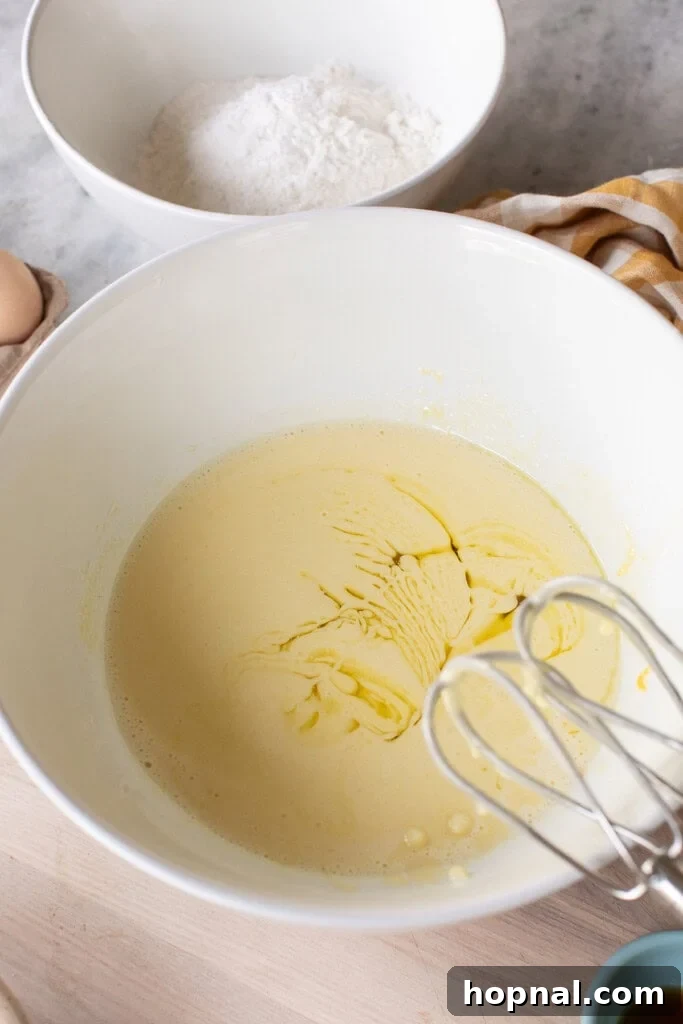
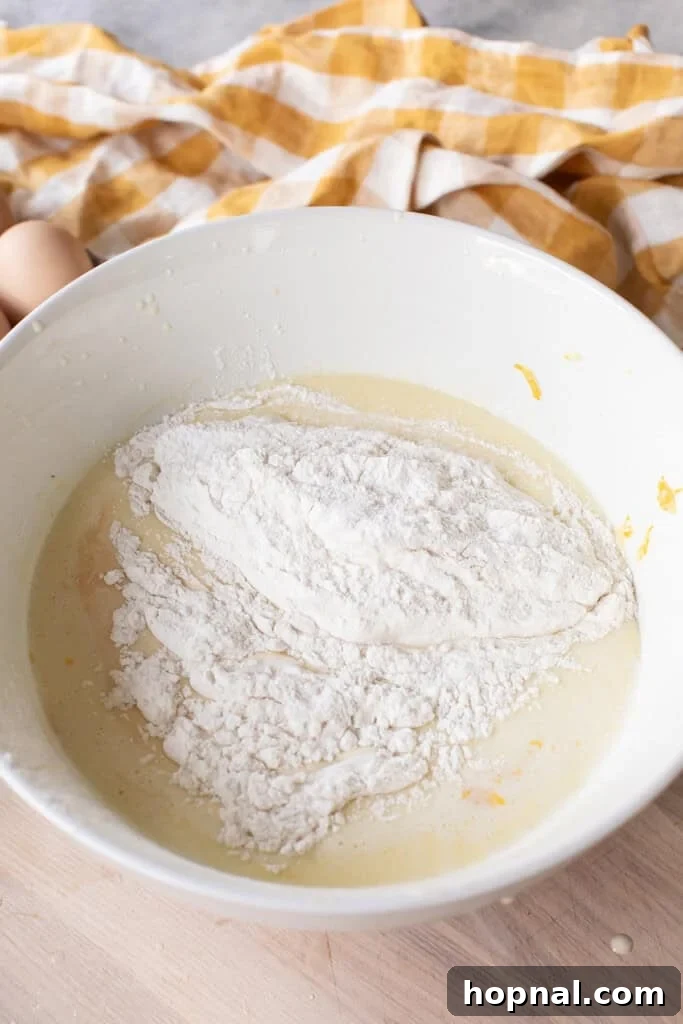
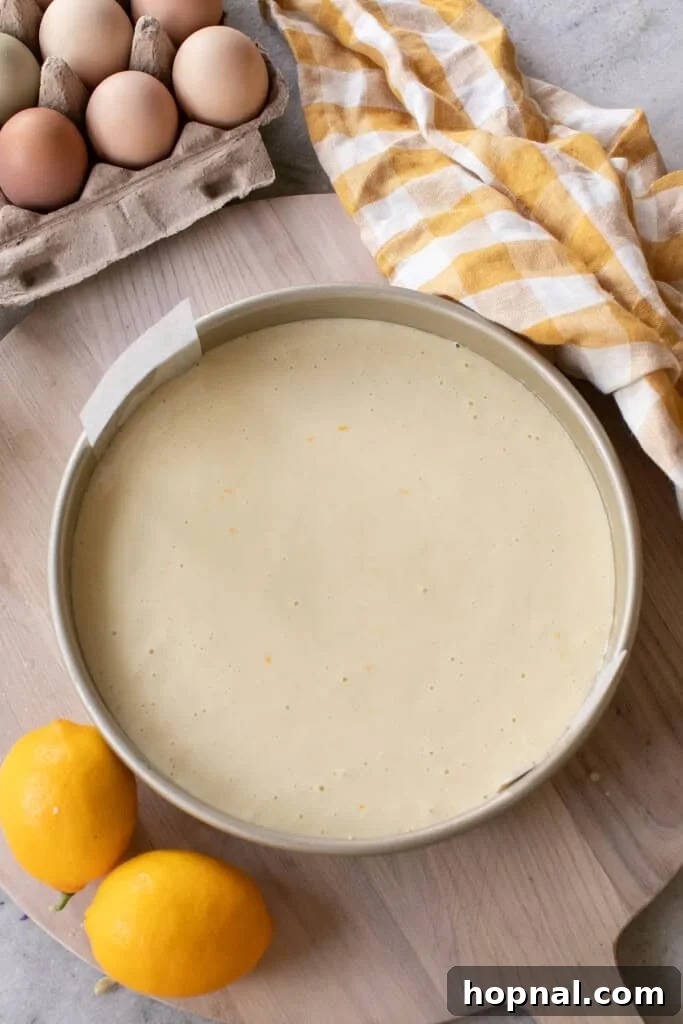
- Prepare Your Oven and Pan: Begin by precisely preheating your oven to 325°F (160°C). This slightly lower temperature is a crucial secret to achieving an evenly baked cake with a perfectly level top, free from unsightly “domes” or cracks. Next, thoroughly grease a 9-inch round cake pan with butter or olive oil, then carefully line the bottom with a round of parchment paper. This preparation ensures easy and flawless release of your finished cake.
- Whisk and Emulsify for Airiness: In a large mixing bowl, combine the room temperature eggs, granulated sugar, and fresh lemon zest. Using an electric mixer (or a whisk and some elbow grease), whisk these ingredients together on medium-high speed for approximately 1 minute, until the mixture becomes visibly pale yellow, light, and slightly fluffy. This step incorporates vital air for a tender crumb. Next, with the mixer running on low speed, slowly and steadily drizzle in the olive oil. This gradual addition is key to creating a stable emulsion, which is foundational for the cake’s silky, smooth, and consistent texture.
- Introduce the Liquids: Once the olive oil is fully incorporated and the mixture is smooth, gently stir in the whole milk, the 1/2 cup of fresh lemon juice, and the pure vanilla extract. Continue mixing on low speed just until all these liquid ingredients are well combined and fully integrated into the egg mixture.
- The “Gentle Fold” of Dry Ingredients: In a separate medium bowl, whisk together your all-purpose flour, baking powder, baking soda, and salt until thoroughly combined. Then, add these dry ingredients to the wet mixture. Using a rubber spatula or mixing on the absolute lowest speed of your electric mixer, gently fold or mix just until you see no more streaks of white flour. It is critically important to stop mixing the moment the flour disappears; overmixing develops gluten, which can lead to a tough, bready, and undesirable cake texture rather than a tender, delicate one.
- Bake to Golden Perfection: Pour the prepared cake batter evenly into your greased and parchment-lined 9-inch round cake pan. Transfer the pan to the preheated oven and bake for approximately 40 to 50 minutes. The cake is perfectly done when the center feels gently springy to the touch and a clean toothpick inserted into the very middle comes out with only a few moist crumbs attached, indicating it’s cooked through without being dry.
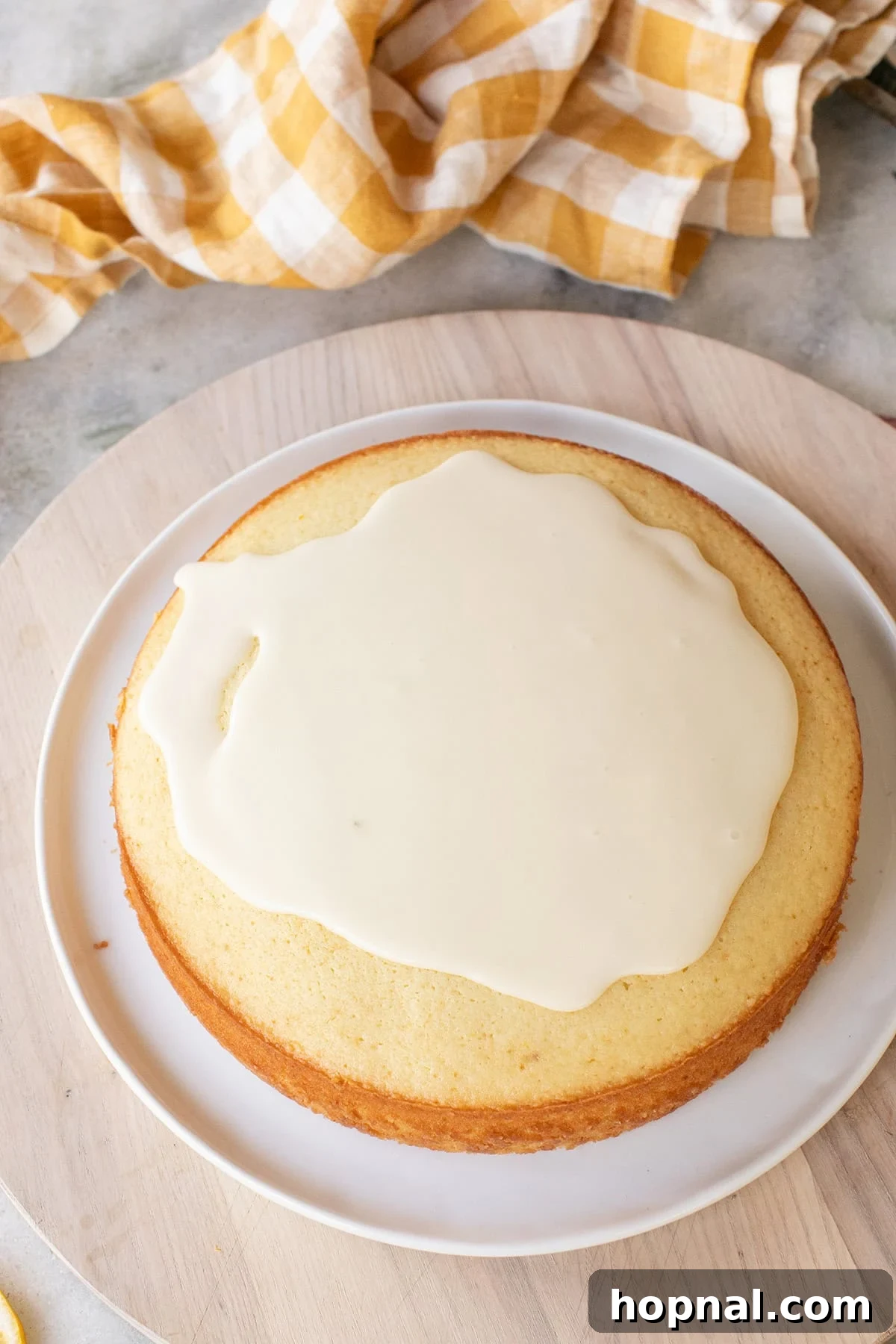
- Cool and Glaze: Allow the baked cake to cool in its pan on a wire rack for 15-30 minutes. This initial cooling period allows the cake to firm up slightly before you attempt to move it. After this, carefully invert the cake onto the wire rack to cool completely to room temperature. For an expedited cooling process before glazing, you can quickly pop the cake (still on the wire rack) into the fridge or even the freezer for 5-10 minutes. This quick chill helps the cake reach room temperature faster, preventing the glaze from melting prematurely.
Eden’s Expert Cake Tips for Baking Success
Achieving a truly bakery-quality cake at home is entirely possible with a few insider tips and tricks that make all the difference:
- Parchment Paper is Your Best Friend: Even if you meticulously grease your cake pan, this incredibly moist cake has a delightful tendency to cling. To guarantee a perfect, effortless release every single time, I highly recommend not only greasing the pan thoroughly but also using pre-cut parchment rounds for the bottom. They are an absolute game-changer, making the transfer of your beautiful cake from pan to cooling rack utterly seamless and stress-free!
- Zest First, Juice Later – A Golden Rule: This might sound like a minor detail, but it’s a genuine lifesaver in the kitchen. Always, always zest your lemons while they are still firm and whole. Attempting to zest a lemon after it has been cut in half and squeezed for its juice is a notoriously difficult, messy, and almost impossible task, and you’ll inevitably miss out on valuable zest and aromatic oils.
- The Smart Baker’s 10-Minute Timer Rule: Ovens can be notoriously temperamental, with actual internal temperatures often varying significantly from what the dial indicates. To avoid the common pitfalls of over-baking or under-baking, I suggest setting your oven timer for about 10 minutes before the recipe’s minimum recommended baking time. At this point, gently check the center of the cake; if it still appears jiggly or very soft, add another 10 minutes to the baking time. This proactive strategy helps prevent the edges from becoming over-browned and dry while you patiently wait for the middle to fully set.
- The “Chill” Factor for a Flawless Glaze: This tip is absolutely paramount for achieving a beautifully set and glossy glaze: never glaze a warm cake! If your cake is even slightly warm, that perfectly mixed citrus glaze will simply melt and run off, disappearing into a sticky, unappealing mess. Ensure the cake is completely at room temperature, or ideally, slightly chilled, before applying any glaze.
- Eden’s Glazing Shortcut: If you’re pressed for time and eager to glaze your cake without waiting hours, here’s a quick trick: once the cake has mostly cooled on the wire rack (meaning it’s no longer hot to the touch), you can transfer it (still on the rack) into the fridge or even the freezer for about 10 minutes. This rapid cooling efficiently brings down its temperature, preparing it perfectly for glazing without the extended wait.
Exciting Recipe Variations to Explore for Your Olive Oil Cake
This versatile Lemon Olive Oil Cake recipe serves as a fantastic canvas for culinary creativity. Feel free to experiment with these delightful variations to customize your baking experience:
- Transform into a Lemon Olive Oil Loaf Cake: Easily adapt this recipe for a 9×5-inch loaf pan. Baking in a loaf pan often results in an even denser, wonderfully moist crumb. Ensure you adjust the baking time as needed (it will usually be longer, approximately 50-60 minutes), and always confirm doneness with a toothpick that comes out clean.
- Add a Burst of Blueberries: Elevate your cake by gently folding in about 1 cup of fresh or frozen blueberries (no need to thaw if frozen) into the batter just before pouring it into the pan. This creates a delightful Blueberry Lemon Olive Oil Cake, adding beautiful color and pockets of juicy sweetness. For best results, toss the blueberries lightly in a tablespoon of flour first to prevent them from sinking to the bottom during baking.
- A Simple Dusting of Powdered Sugar: For a more understated elegance or if you prefer less sweetness, consider skipping the lemon glaze entirely. Instead, once the cake is completely cooled, simply dust it generously with powdered sugar for a classic, sophisticated, and lighter finish that still looks beautiful.
- Flavor Stacking with Extracts or Herbs: Introduce intriguing new dimensions of flavor. A few drops of pure lavender extract can create a delicate and aromatic Lavender Lemon Olive Oil Cake. Alternatively, a teaspoon of almond extract adds a lovely nutty undertone that complements the lemon beautifully. For an unexpected savory-sweet twist, finely chop a small sprig of fresh rosemary or thyme and gently fold it into the batter for an aromatic, herbaceous note.
- Citrus Medley Extravaganza: Don’t limit yourself to just lemons! Experiment by substituting some of the lemon zest and juice with other citrus fruits like orange, grapefruit, or even lime for a unique, multi-layered citrus blend that’s equally refreshing.
Optimal Storage for Your Lemon Olive Oil Cake: Keeping it Fresh
Thanks to the exceptional properties of olive oil, this cake boasts remarkable keeping qualities. Proper storage will ensure it remains wonderfully fresh, moist, and delicious for as long as possible:
- Room Temperature Storage: For immediate enjoyment, store the cake covered tightly with plastic wrap or in an airtight cake dome or container at cool room temperature for up to 3 days. The olive oil is key to helping it maintain its delightful moistness and tender texture without refrigeration.
- Refrigeration for Extended Freshness: For extended freshness, especially in warmer climates or if your cake is generously glazed, refrigerate it for up to 5 days. Always ensure it’s well-wrapped in plastic wrap or kept in an airtight container to prevent it from drying out or absorbing other odors from your refrigerator.
- Serving Suggestion for Best Texture: To experience the absolute best texture and fully developed flavor, always bring the cake back to room temperature before serving if it has been refrigerated. This allows the olive oils and all the nuanced flavors to fully bloom, enhancing your culinary experience.
- Freezing for Long-Term Enjoyment: This cake freezes beautifully, making it an excellent option for meal prep or future cravings! Wrap individual slices or the entire cooled cake tightly in plastic wrap, then add an additional protective layer of aluminum foil. It can be safely frozen for up to 2 months. To thaw, simply transfer it to the refrigerator overnight, then bring it to room temperature before serving.
Lemon Olive Oil Cake: Frequently Asked Questions
A sunken cake center is usually a tell-tale sign of underbaking. Olive oil cakes are inherently heavy and moist due to their rich fat content, and they typically need the full specified bake time to properly set their internal structure. Ensure your oven temperature is accurate (an oven thermometer can help!) and resist the temptation to open the oven door too frequently, especially in the first 30 minutes, as sudden temperature drops can cause the cake to collapse. Other potential culprits could be old or inactive leavening agents (baking powder/soda) or overmixing the batter, which develops too much gluten.
While extra virgin olive oil imparts a unique flavor and texture that is central to this cake, if it’s unavailable, the best substitute for achieving a similar moist, tender crumb is a neutral-flavored oil such as sunflower oil. It has a comparable consistency and a mild taste that won’t interfere with the delicate lemon flavor. Other suitable neutral oils include vegetable oil, canola oil, or grapeseed oil. For the best result, avoid strongly flavored oils (like coconut oil or toasted sesame oil) that could clash with the bright lemon notes.
No need to worry if you don’t have the exact pan! This recipe is surprisingly adaptable to several common kitchen pans. Here are some alternatives and how to adjust your baking strategy:
- 8-inch Square Pan: This pan is perfect for creating convenient “snack cake” squares. Since an 8-inch square pan is typically a bit deeper than a standard 9-inch round, you may need to add an extra 5–8 minutes to the overall bake time. Always check for doneness with a toothpick.
- 9-inch Springform Pan: If this is what you have on hand, it works perfectly and makes for easy release. Just make sure to thoroughly line the bottom with parchment paper to prevent any potential sticking and ensure a clean lift.
- 9×5-inch Loaf Pan: This will yield a beautiful, elegantly shaped lemon olive oil loaf cake. Because the batter is deeper in a loaf pan, you’ll need to increase your baking time to approximately 50–60 minutes. Keep an eye on it and test for doneness carefully.
- Bundt Pan: For a more decorative centerpiece, you can use a smaller 6-cup Bundt pan. If you have a full-sized 10-12 cup Bundt pan and wish to fill it completely to achieve a grander presentation, consider increasing the recipe measurements by 1.5 times. Ensure the Bundt pan is meticulously greased and floured in every crevice to prevent sticking.
When a mild extra-virgin olive oil is carefully selected and used in this cake, it contributes a subtle, pleasant fruitiness and richness to the cake, rather than a strong, savory, or overtly peppery olive taste. The key to this balance is in selecting the right oil – a light or medium-bodied olive oil allows the bright, zesty lemon flavor to remain the star, with the olive oil adding a unique depth, incredible moistness, and a smooth, luxurious richness in the background, enhancing the overall flavor profile without dominating it.
Absolutely! In fact, many experienced bakers and enthusiasts find that olive oil cakes, including this vibrant lemon variation, actually taste even better on the second day, or even the third. This is because the olive oil helps the crumb remain incredibly soft and moist, and it provides ample time for all the delightful flavors – particularly the lemon, vanilla, and the subtle olive oil notes – to deepen, meld, and harmonize beautifully over time. It’s an excellent candidate for make-ahead entertaining, allowing you to focus on your guests.
While fresh lemon juice is always highly recommended for the most vibrant, intense, and authentic lemon flavor, you can certainly use bottled lemon juice in a pinch if fresh lemons aren’t available. However, be aware that bottled juice often lacks the bright, nuanced, and zesty notes of freshly squeezed lemons and may contain preservatives that can slightly alter the overall taste profile of your cake. If you opt for bottled, ensure it’s 100% pure lemon juice without any added sugars or artificial flavors for the best possible substitute.
Yes, you can absolutely adapt this delicious recipe to be gluten-free! I recommend substituting the all-purpose flour with a high-quality 1:1 gluten-free baking flour blend that is specifically designed for cakes and typically contains xanthan gum. Ensure your chosen blend is suitable for baking cakes and follow the same measurement quantities as the original recipe. The baking time might vary slightly, so keep a close eye on the cake towards the end of the baking process and rely on the toothpick test for doneness.
While an electric mixer certainly makes the whisking process quicker and more efficient for incorporating air into the eggs and sugar, you can absolutely make this delightful cake by hand! You’ll just need a good, sturdy balloon whisk and a bit more elbow grease and patience. Whisk the eggs, sugar, and lemon zest vigorously for a good 3-5 minutes until they are noticeably pale, light, and slightly thickened. Ensure the olive oil is incorporated thoroughly and smoothly, and then proceed with the rest of the steps as written, folding gently.
Elegant Serving Suggestions for Your Lemon Olive Oil Cake
This exquisite Lemon Olive Oil Cake is delightful enough to stand on its own, but a few thoughtful accompaniments can elevate the experience even further. Serve it simply adorned with a light dusting of powdered sugar and a scattering of fresh seasonal berries – plump blueberries, vibrant raspberries, or delicately sliced strawberries all provide a beautiful contrast in both color and flavor. It pairs perfectly with a freshly brewed hot cup of rich coffee, a soothing pot of fragrant herbal tea, or one of my invigorating citrus drinks, such as my refreshing Creamy Lemonade. For a light and elegant entertaining spread, this cake also beautifully complements a vibrant, fresh seasonal Fruit Platter, offering a balance of flavors and textures.
Consider enhancing individual slices with a thin sliver of candied lemon peel for a touch of sophistication, a fresh sprig of fragrant mint for aromatic appeal, or a dollop of creamy crème fraîche or lightly sweetened whipped mascarpone for an extra layer of luxurious indulgence.
Explore More Delectable Cake Recipes
Desserts
Skillet Olive Oil Cake (with Orange Glaze)
Cakes & Cupcakes
Unbelievably Moist Banana Cake Recipe
Recipes
Easy & Delicious Moist Carrot Cake Recipe
Recipes
Exquisite Lavender Cake Recipe
I would absolutely love to hear about your baking experience! Please share your thoughts and how your cake turns out by leaving a comment below – your feedback and delicious creations are always cherished!

Lemon Olive Oil Cake Recipe
Rate Recipe
Print Recipe
Ingredients
Lemon Olive Oil Cake
- 3 large eggs, room temp.
- 1 1/4 cups granulated sugar
- 2 tbsp lemon zest
- 3/4 cup olive oil, good quality
- 1/2 cup lemon juice, fresh squeezed
- 1 cup whole milk
- 1 tsp vanilla extract
- 1 3/4 cups all-purpose flour, I like King Arthur Flour
- 1 tsp baking powder
- 1/4 tsp baking soda
- 1 tsp salt
Lemon Glaze
- 1 cup powdered sugar
- 2 tbsp lemon juice
- 1 tbsp olive oil
Instructions
-
Preheat the oven to 325°F (160°C). Grease a 9-inch round cake pan with butter or olive oil and line the bottom with parchment paper.
-
Beat the eggs, sugar, and lemon zest in a large bowl using an electric mixer for about 1 minute, until pale yellow, light, and slightly fluffy.
-
Slowly drizzle in the olive oil with the mixer running on low speed, allowing the oil to incorporate gradually and form a smooth emulsion.
-
Add the lemon juice, whole milk, and vanilla extract and mix until fully combined.
-
Add the dry ingredients (flour, baking powder, baking soda, and salt). Gently mix on low speed or fold by hand just until incorporated. Do not overmix.
-
Pour the batter into the prepared pan and smooth the top.
-
Bake for 40–50 minutes, checking at the 30-minute mark, until the center springs back lightly and a toothpick inserted in the middle comes out with a few moist crumbs.
-
Cool the cake in the pan for 15-30 minutes, then transfer to a wire rack to cool completely before glazing. For an expedited cool, place in the freezer for 5-10 minutes.
-
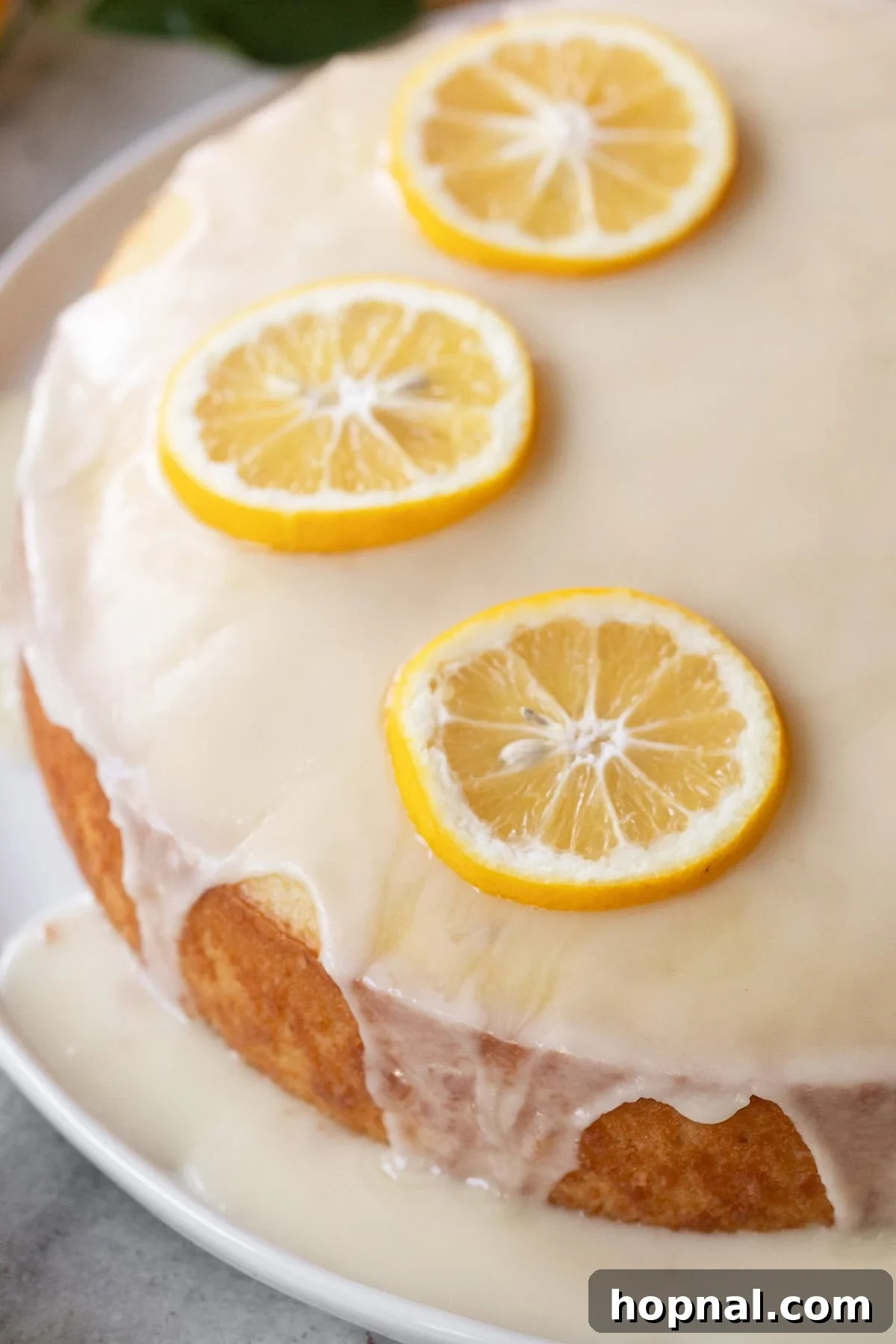
Prepare the glaze by whisking the powdered sugar, fresh lemon juice, and olive oil together in a small bowl until smooth and pourable. Drizzle the glaze over the completely cooled cake and allow it to set before slicing.
Lemon Glaze Instructions
Notes from the Baker
Do not overmix the batter once the flour has been added — mix just until the dry ingredients are incorporated to keep the crumb wonderfully tender and light. Overmixing can lead to a tough cake.
Always ensure that you glaze the cake only after it has completely cooled to room temperature. This is essential for the glaze to set properly and form a beautiful, intact layer without melting or running off.
Store the cake covered at room temperature for up to 3 days, where it will remain incredibly moist, or refrigerate it for up to 5 days for extended freshness.
Nutrition Facts
Per Serving (approximate, based on 12 servings):
- Calories: 350 kcal
- Carbohydrates: 47 g
- Protein: 4 g
- Fat: 17 g
- Saturated Fat: 3 g
- Polyunsaturated Fat: 2 g
- Monounsaturated Fat: 11 g
- Trans Fat: 0.01 g
- Cholesterol: 49 mg
- Sodium: 244 mg
- Potassium: 117 mg
- Fiber: 1 g
- Sugar: 32 g
- Vitamin A: 102 IU
- Vitamin C: 6 mg
- Calcium: 52 mg
- Iron: 1 mg
Nutrition information is automatically calculated and is provided as an estimate. It should only be used as an approximation and may vary based on specific ingredients and preparation methods.
Enjoyed this recipe? Leave a comment below!