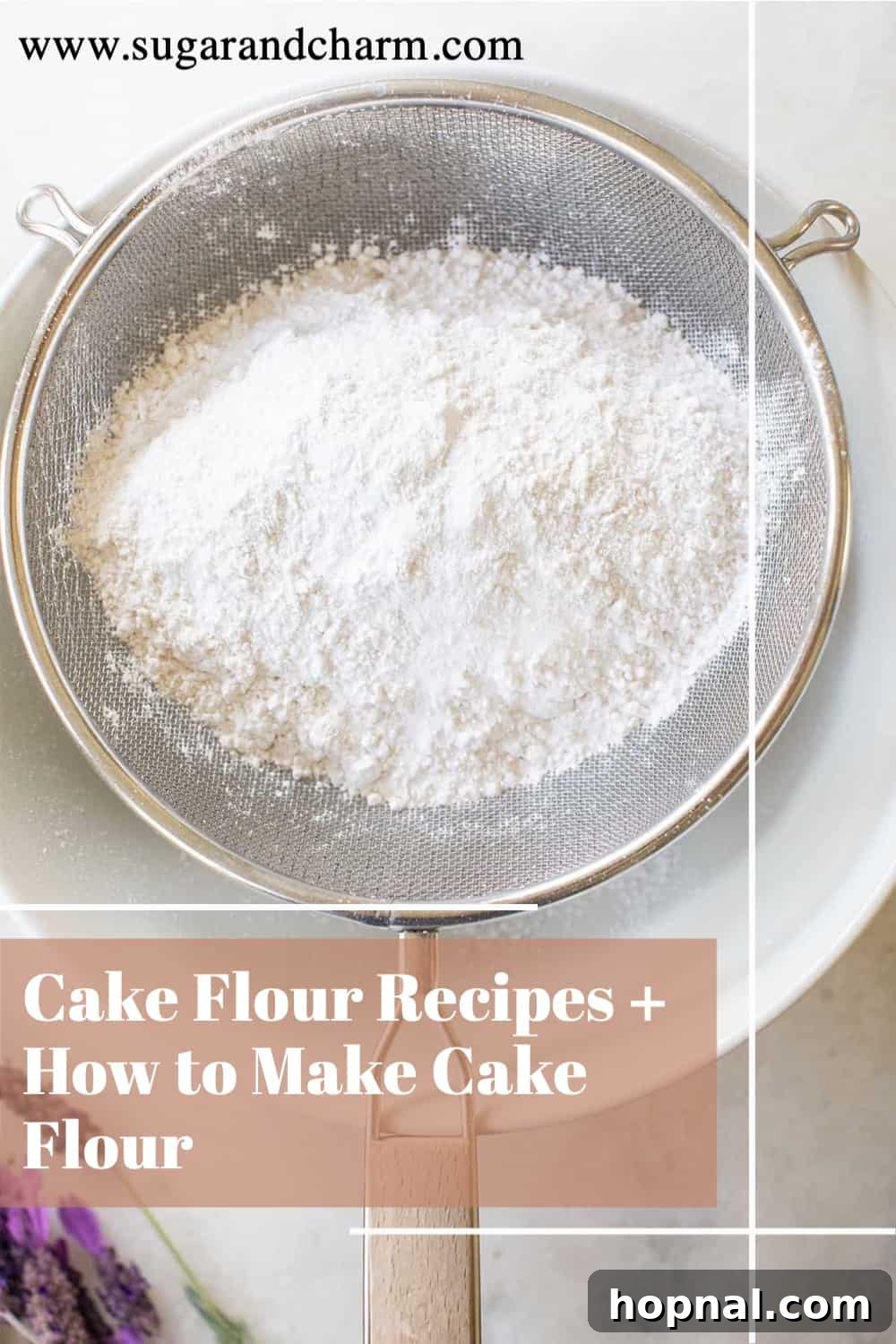
Welcome, fellow bakers and dessert enthusiasts! If you’re on a quest to bake the most exquisite, tender, and light-as-air cakes and cupcakes, then you’ve likely encountered the magic ingredient: cake flour. This specialty flour is the secret weapon for achieving that coveted delicate crumb and soft texture in your baked goods. We’re here to demystify cake flour, explore its unique properties, share some of our absolute favorite cake flour recipes, and even teach you an incredibly easy way to whip up your own homemade substitute in a pinch. Prepare to elevate your baking game!
What Exactly is Cake Flour?
Cake flour is a specialized type of wheat flour meticulously engineered for baking delicate treats such as cakes, cupcakes, and other fine pastries. Unlike standard all-purpose flour, which is milled from hard wheat, cake flour originates from soft wheat. This fundamental difference in wheat type is crucial to its performance. Soft wheat naturally possesses a lower protein content, typically ranging from 6-8%, compared to all-purpose flour’s 10-12%.
Beyond its protein composition, cake flour undergoes a unique milling process that results in an exceptionally fine texture. This fine consistency, combined with its lower protein level, means that when mixed with liquids, it develops less gluten. Gluten is the protein network responsible for structure and chewiness in baked goods. While essential for bread, excessive gluten can lead to a tough or dense cake. Cake flour, by minimizing gluten development, ensures a remarkably tender, fluffy, and melt-in-your-mouth crumb that is simply unparalleled for light cakes.
For any baker aspiring to create classic white cakes, delicate sponge cakes, or ethereal angel food cakes, cake flour is almost always the ingredient of choice for its ability to produce superior results. Its role is pivotal in achieving that signature light texture and elegant crumb that sets truly exceptional desserts apart.
A Sweet History: The Origins of Cake Flour
The concept of a specialized flour for delicate baking isn’t new; it has a rich history dating back to the 19th century. English millers were pioneers in developing what we now recognize as cake flour. They discovered that by processing softer wheat varieties into a finer consistency, they could create a flour ideal for pastries and cakes that were lighter and more refined than those made with coarser, higher-protein flours. This innovation quickly spread across the Atlantic, gaining immense popularity in America, where it became a cornerstone in a multitude of cake and pastry recipes.
This early adoption cemented cake flour’s place in the culinary world, revolutionizing the texture and quality of baked goods. Even today, the fundamental principles remain the same: cake flour is produced from soft wheat, milled to an exquisite fine texture, ensuring it continues to deliver those super tender cakes we adore. You can easily find this essential ingredient in the baking aisle of most local grocery stores, a testament to its enduring legacy and importance in modern baking.
The Science Behind Cake Flour’s Tender Touch
Understanding the science behind cake flour is key to appreciating its unique contribution to baking. The primary differentiator is its low protein content. Proteins in flour, specifically glutenin and gliadin, combine with water to form gluten. When dough or batter is kneaded or mixed, these gluten strands develop, creating elasticity and structure. In bread making, a strong gluten network is desired for a chewy texture and airy pockets. However, in cakes, a robust gluten structure can lead to a tough, rubbery result.
Cake flour’s lower protein percentage means less gluten can form, even with thorough mixing. Furthermore, many commercial cake flours are also chlorinated, a process that slightly alters the starch molecules and proteins. This chlorination makes the flour more acidic, allowing it to absorb more liquid and sugar. The increased absorption capacity helps create a more stable batter, preventing cakes from collapsing and contributing to a higher, softer rise. The fine milling also ensures that the starch granules are smaller and more evenly dispersed, contributing to a smoother batter and a finer, more uniform crumb structure in the finished cake. This delicate balance of low protein, fine texture, and sometimes chemical treatment, is what grants cake flour its remarkable ability to produce incredibly light, soft, and moist baked goods.
Maximizing Results: How to Use Cake Flour Effectively
While cake flour works wonders for achieving tender results, proper usage is essential. When incorporating cake flour into your recipes, it’s paramount to follow the instructions closely. Cake flour is often paired with other leavening agents like baking powder and salt. The specific order and proportion in which these ingredients are added play a vital role in the final texture and rise of your baked goods.
For optimal results, always sift your cake flour before measuring. Sifting aerates the flour, breaks up any lumps, and ensures a more accurate measurement by weight and volume. This also helps to distribute any added leavening agents evenly. While it’s possible to substitute cake flour for other types of flour in some recipes, it’s crucial to understand that the proportions might need adjustment due to differences in density and absorption. Generally, for every cup of all-purpose flour, you might use slightly more cake flour (e.g., 1 cup plus 2 tablespoons) to maintain the desired volume and liquid balance, though sticking to recipes specifically developed for cake flour will always yield the best outcome. Experimentation can be fun, but for consistent success, especially with delicate cakes, precise measurements are key.
Our Favorite Cake Flour Recipes for Irresistible Treats
Cake flour truly shines in recipes where a light, delicate crumb is paramount. While most commonly found in cake and cupcake recipes, its tenderizing properties can also be beneficial in certain cookies or pastries that require a softer texture. (If you’re a cookie connoisseur, don’t miss our favorite cookie recipes for every occasion!) Here’s a curated selection of our top cake flour recipes, each designed to showcase this special ingredient’s ability to create truly unforgettable desserts:
The Best Lavender Cake
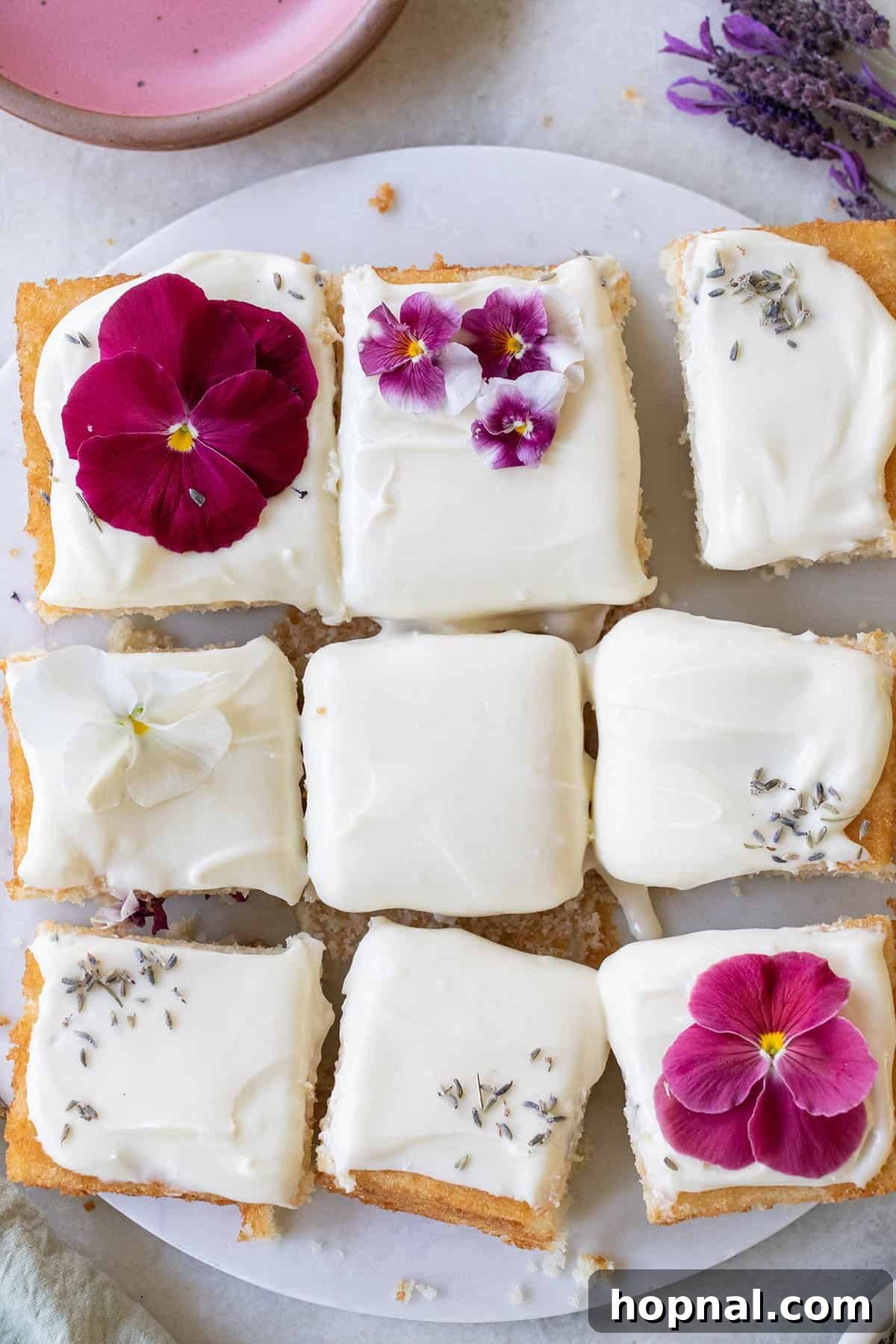
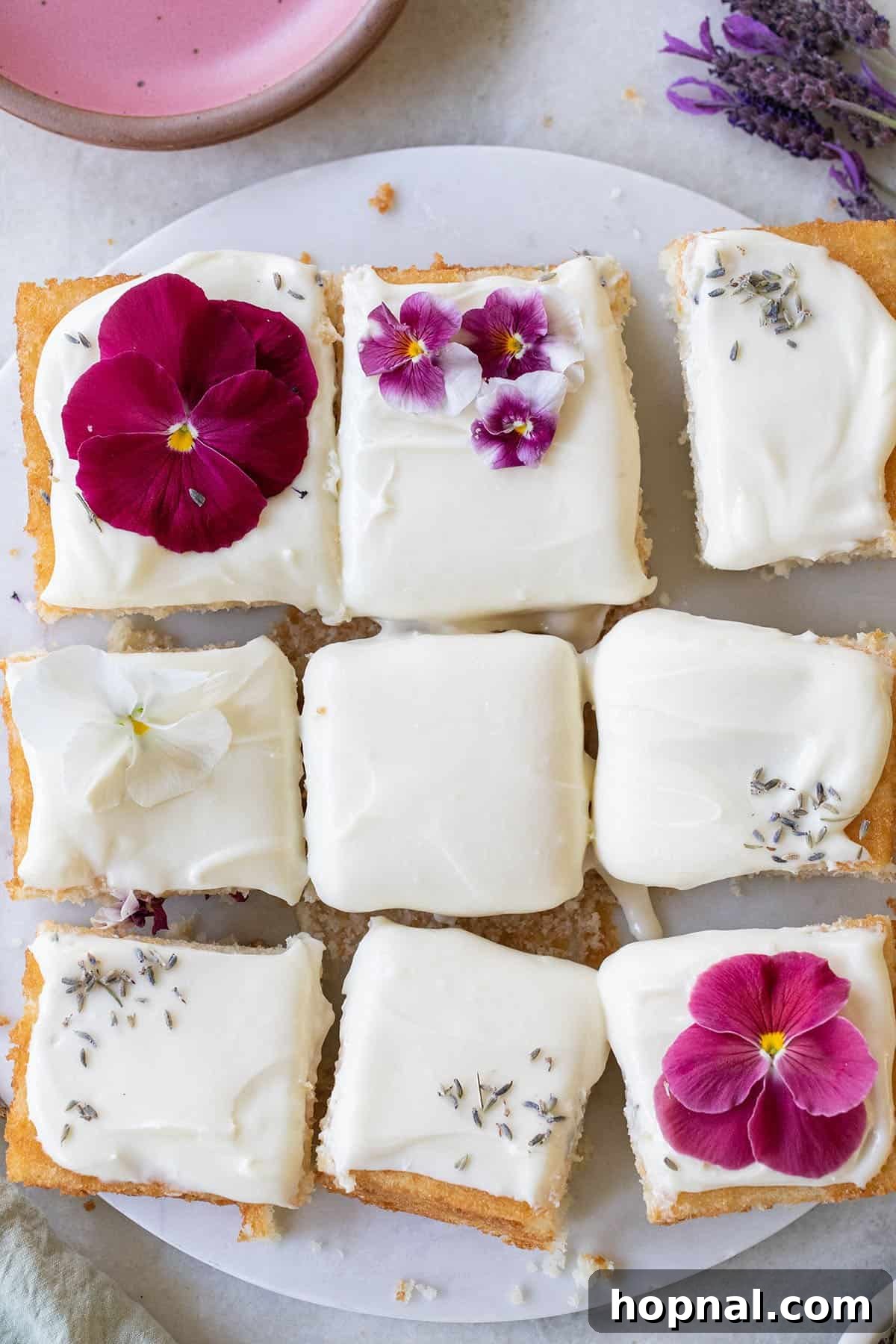
Indulge in the serene elegance of this Lavender Cake. Made with cake flour, it boasts an incredibly light and fluffy texture, which beautifully complements the subtle, aromatic infusion of lavender throughout the entire cake. This recipe is an exquisite choice for a sophisticated summer garden party, a delightful afternoon tea, or any occasion that calls for a uniquely fragrant and delicate dessert. The fine crumb achieved with cake flour allows the floral notes to truly sing.
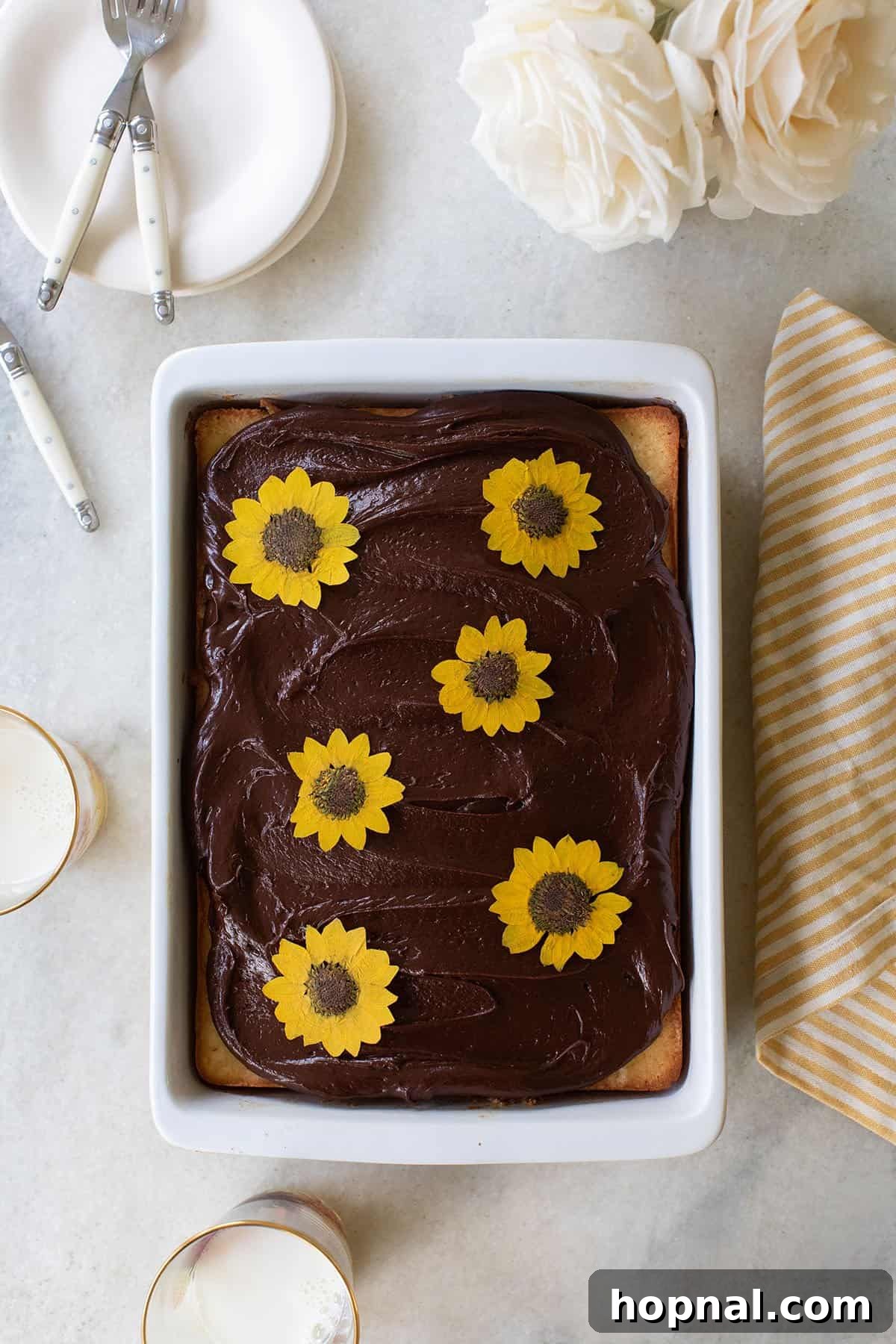
Best Buttermilk Cake Recipe
Discover the secret to an exceptionally moist and fluffy cake with our Best Buttermilk Cake recipe. Cake flour contributes significantly to its soft crumb, while buttermilk adds a delightful tang and helps tenderize the cake even further. The result is a cake with a rich, buttery flavor and an irresistible texture that makes it a perfect dessert to serve and enjoy year-round, from casual family gatherings to more formal celebrations.
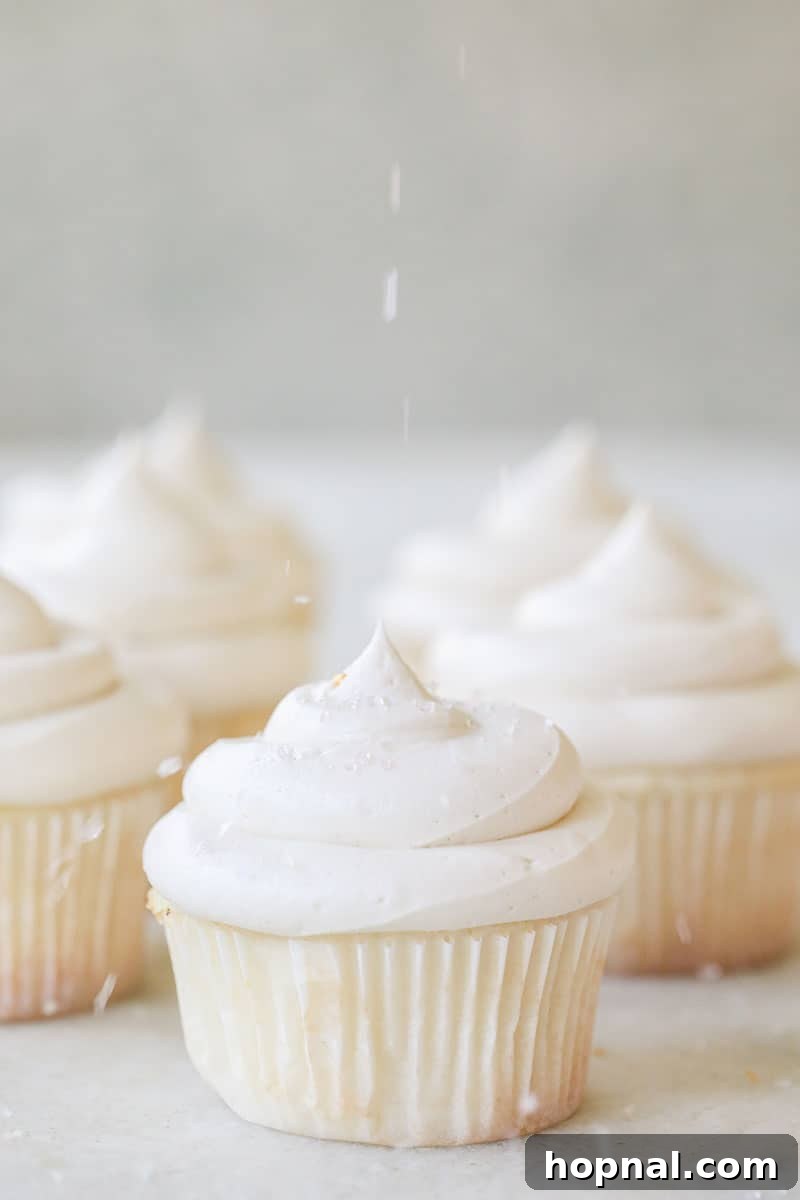
Classic Vanilla Cupcakes
Every baker needs a go-to vanilla cupcake recipe, and this one, utilizing cake flour, is truly the best! These cupcakes are the epitome of light and fluffy, bursting with a rich, authentic vanilla flavor that pleases every palate. Their delicate texture makes them ideal for any occasion – from birthday parties and baby showers to everyday treats. The cake flour ensures a perfectly tender bite every single time, making them truly unforgettable.
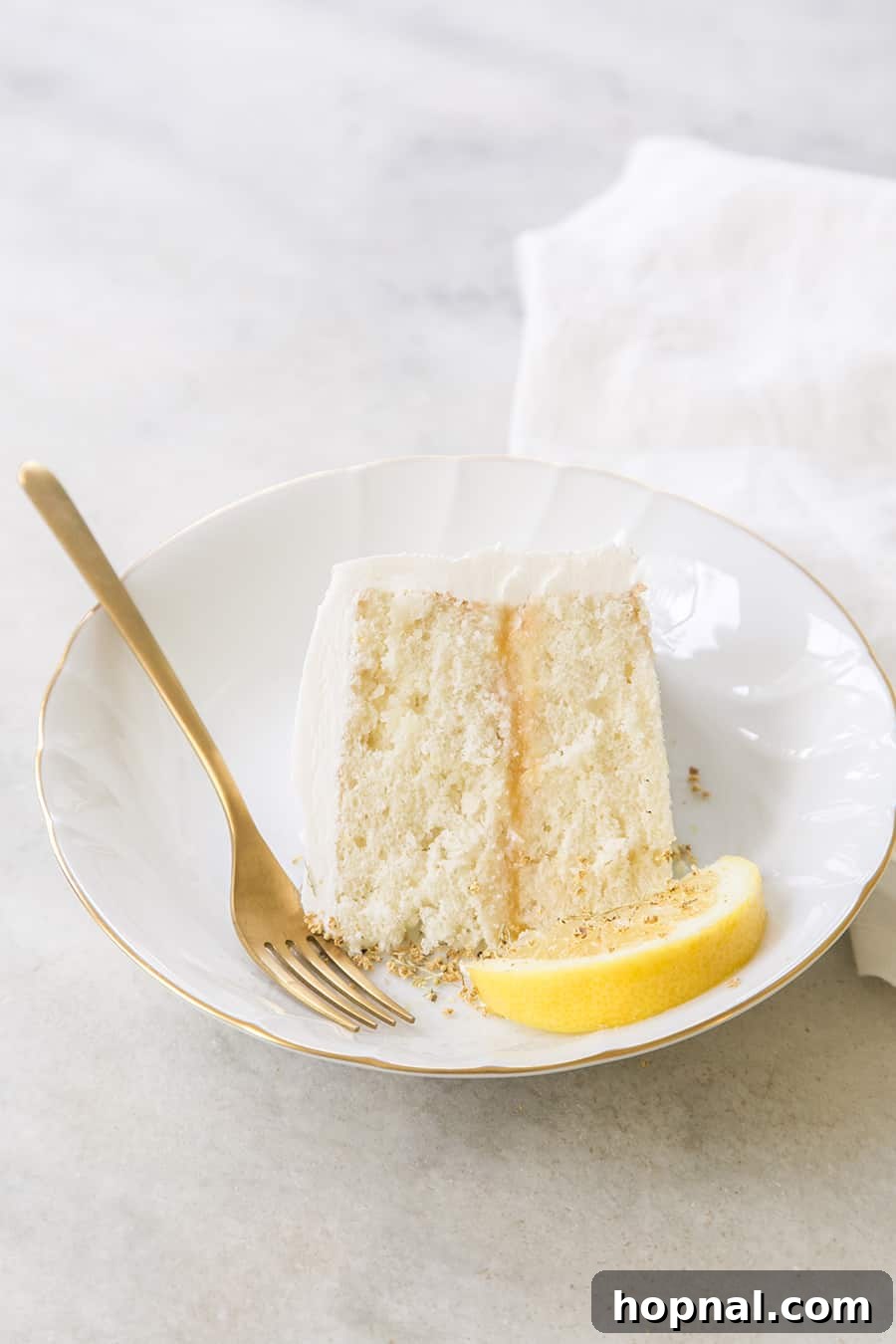
Lemon Elderflower Cake
Inspired by royal traditions and popularized by former British royal chef Darren McGrady, the Lemon Elderflower Cake is a truly enchanting dessert. Its delicate flavors of bright lemon and subtly sweet elderflower are perfectly showcased by the light and airy structure provided by cake flour. This cake is not just a treat for the taste buds but also a piece of culinary history, offering a sophisticated and refreshing experience that’s fit for any special occasion.
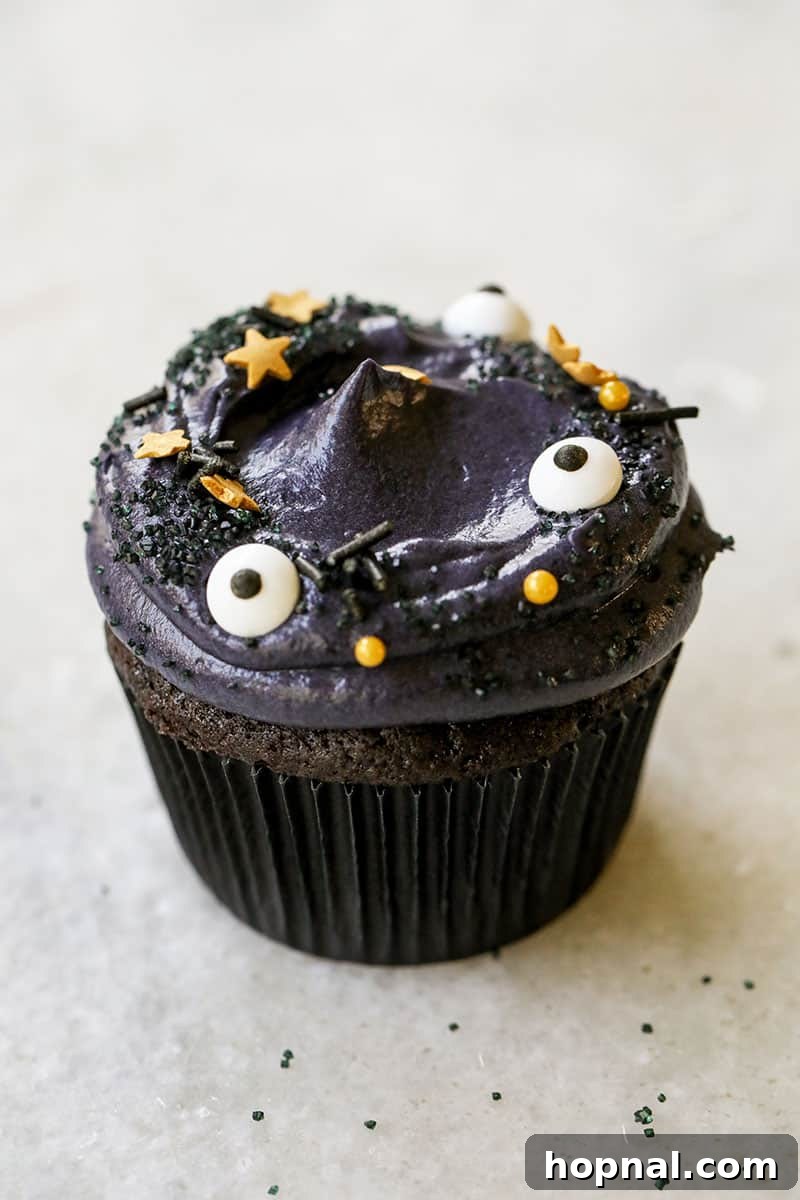
Black Velvet Cupcakes
For a fun twist on a classic, these Black Velvet Cupcakes are absolutely perfect for Halloween or any themed celebration! The use of cake flour yields a wonderfully fluffy, jet-black cupcake base, which is then elegantly crowned with a rich, dark buttercream frosting. The tender crumb provided by the cake flour ensures these cupcakes are not only visually striking but also delightfully moist and flavorful, making them a standout dessert. Pair them with a vibrant dragon fruit buttercream for an extra pop of color!
Even More Delightful Cake Flour Creations
The versatility of cake flour extends to a wide array of baked goods beyond the spotlighted recipes above. Its ability to create a light and tender crumb makes it a valuable asset in many other dessert categories. Here are some additional fantastic recipes that benefit from the unique properties of cake flour:
- Momofuku Milk Bar Cake
- Olive Oil Cake Recipe
- Angel Food Cake
- Lemon Cupcakes
- Chocolate Chip Cookies with Cake Flour
- Peach Shortcake Recipe
- Chocolate Cake Recipe
- Amish Waffles
- Apricot Upside-Down Cake
Discovering Quality: Popular Brands of Cake Flour
When you’re ready to purchase cake flour for your next baking adventure, you’ll find several reputable brands available on the market, each known for its consistent quality. Choosing a trusted brand can make a difference in your baking results. Here are some of our favorite and most commonly available brands that produce high-quality cake flour:
- Swans Down Cake Flour
- Bob’s Red Mill Cake Flour
- King Arthur Flour Cake Flour
- Pillsbury Cake Flour
Genius Hack: Easy Cake Flour Substitute + DIY Cake Flour
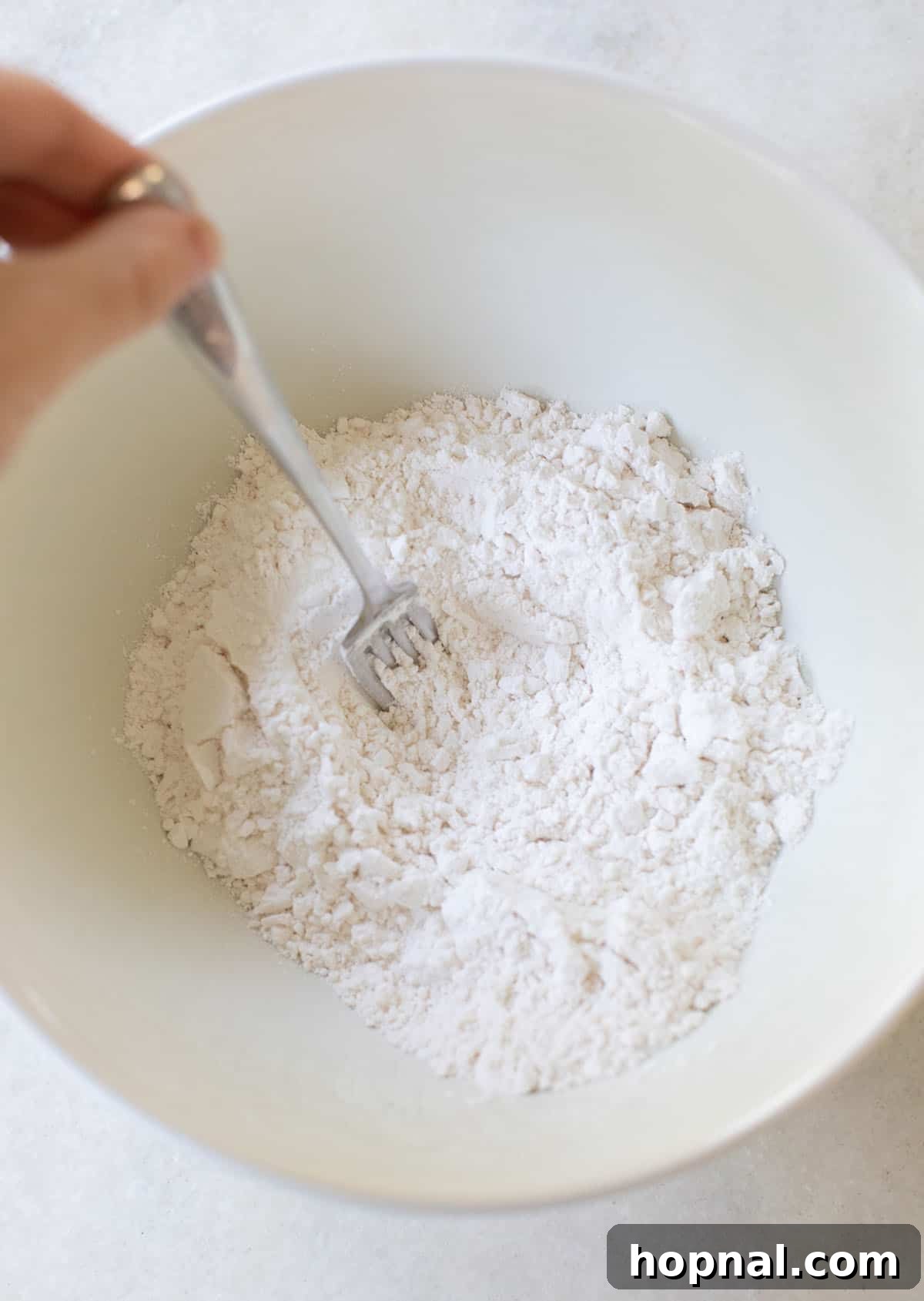
What if you’re halfway through a recipe and realize you’re out of cake flour? Don’t despair! You can easily create your own homemade cake flour substitute with just two simple ingredients you likely already have in your pantry: all-purpose flour and cornstarch. This DIY cake flour recipe is incredibly straightforward and effective, ensuring your baking plans aren’t derailed.
Here’s how to make one cup of homemade cake flour:
- First, accurately measure out one cup of all-purpose flour. It’s important to level it off properly.
- Next, remove precisely two tablespoons of that all-purpose flour. You can put this removed flour back into its original bag or discard it, as you won’t need it for your cake flour substitute.
- Now, replace the two tablespoons of all-purpose flour you just removed with two tablespoons of cornstarch. Cornstarch is key here; it’s a pure starch that helps to tenderize the flour mixture, mimicking the lower protein content of commercial cake flour.
- Gently combine both ingredients – the remaining all-purpose flour and the added cornstarch – in a mixing bowl. This mixture now constitutes approximately one cup of your homemade cake flour substitute.
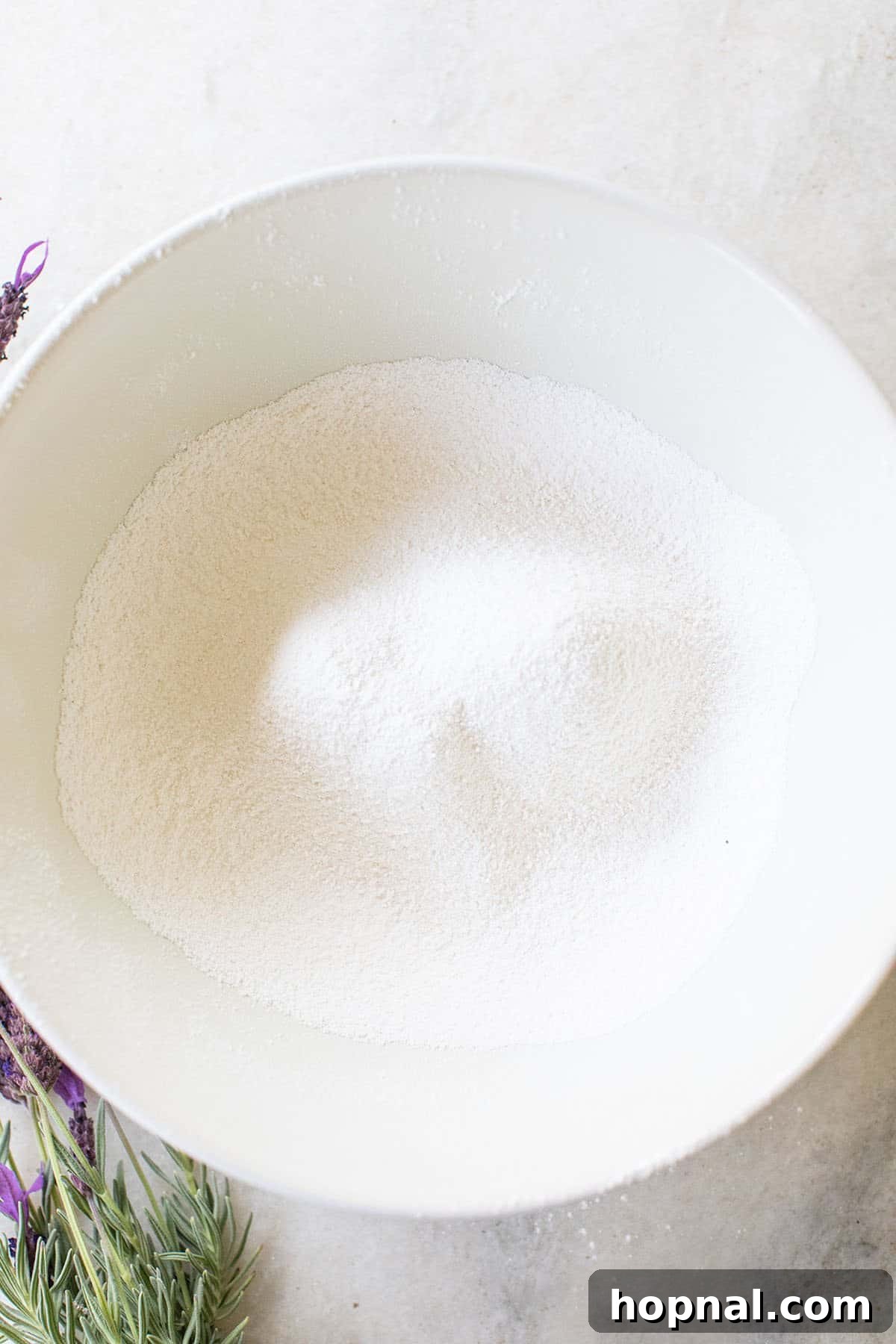
- To ensure the cornstarch is perfectly and evenly distributed throughout the flour, sift the mixture together at least two to three times. This step is crucial for achieving a uniform texture and optimal results in your baking.
- Once prepared, store your DIY cake flour in a sealed container in a cool, dry place if not using immediately.
This simple trick allows you to achieve a texture very close to true cake flour, resulting in a tender crumb that will significantly improve your baked goods.
Proper Storage: Keeping Your Cake Flour Fresh
Proper storage is vital to maintain the freshness and efficacy of your cake flour. Like all flours, cake flour is susceptible to moisture, pests, and off-flavors if not stored correctly. To ensure it remains in optimal condition, always store cake flour at room temperature in a cool, dry place, away from direct sunlight or heat sources. The best practice is to transfer the flour from its original bag into an airtight container, such as a sturdy plastic bin with a sealing lid or a glass jar. This protects it from humidity, prevents absorption of odors from other pantry items, and deters pantry pests. When stored correctly, cake flour boasts a surprisingly long shelf life, often remaining fresh for up to two years. Always check for any signs of spoilage, such as off-smells or discoloration, before use.
How to Make Cake Flour + Cake Flour Recipes
By: Eden
If you don’t have cake flour on hand, you can easily make your own using this homemade cake flour recipe. It’s made with simple ingredients and is easy to do!
Prep: 5 mins
Cook: 0 mins
Total: 5 mins
Servings: 1 cup
Ingredients
- 1 cup all-purpose flour
- 2 tbsp cornstarch
Instructions
-
Measure out one cup of all-purpose flour.
-
Remove 2 tablespoons of the flour and put it back in the bag. You won’t need it.
-
Next, replace the 2 tablespoons of flour with 2 tablespoons of cornstarch. Cornstarch is an easy substitute.
-
Combine both of the ingredients in a mixing bowl. This will make one cup of cake flour.
-
Sift the mixture together to ensure that it’s combined evenly.
-
Store it in a sealed container.
Nutrition
Calories: 516kcal, Carbohydrates: 110g, Protein: 13g, Fat: 1g, Saturated Fat: 0.2g, Polyunsaturated Fat: 1g, Monounsaturated Fat: 0.1g, Sodium: 4mg, Potassium: 134mg, Fiber: 4g, Sugar: 0.3g, Calcium: 19mg, Iron: 6mg
Nutrition information is automatically calculated, so should only be used as an approximation.
Frequently Asked Questions About Cake Flour
To further assist you in your baking endeavors, here are answers to some common questions about cake flour, its uses, and how it compares to other types of flour.
While cake flour can generally be substituted for all-purpose flour, it’s crucial to understand the implications for your recipe. Cake flour has a lower protein content and finer texture, which will result in a much more tender and delicate baked good. If a recipe calls for all-purpose flour and you use cake flour, you’ll likely achieve a softer crumb. However, for recipes where a sturdier structure is needed (like some cookies or quick breads), all-purpose flour might be preferred. When substituting, a common guideline is to use 1 cup plus 2 tablespoons of cake flour for every cup of all-purpose flour to account for its lighter density. Always consider the intended outcome of your recipe and be prepared for a slightly different texture when making such substitutions.
Yes, you absolutely can use cake flour for cookies, but it will significantly alter the texture. Using cake flour will yield a more delicate, soft, and slightly crumbly cookie, rather than a chewy or crisp one. If you’re aiming for a cookie that’s tender and melts in your mouth, cake flour can be an excellent choice. However, if your preference is for a traditional chewy chocolate chip cookie or a cookie that holds its shape firmly, all-purpose flour or even a blend of flours would be more suitable. It’s an interesting experiment to try if you enjoy a softer cookie!
Cake flour is best reserved for recipes where a light, airy, and tender crumb is the desired outcome. This includes most classic cakes (like white cakes, pound cakes, sponge cakes, chiffon cakes), delicate cupcakes, and some pastries. Its low protein content prevents excessive gluten development, ensuring your baked goods remain soft and moist. It’s particularly effective in recipes that contain a high ratio of sugar and fat, as it helps to maintain structure without becoming tough. When in doubt, if the recipe specifies “cake flour,” stick to it for the best results, and consider it for any recipe where you want to achieve a truly delicate and refined texture.
No, cake flour is distinctly different from plain (all-purpose) flour, and understanding this difference is key to successful baking. Plain flour is a general-purpose flour with a moderate protein content, suitable for a wide range of baked goods, from breads to cookies and cakes, offering a balanced structure. Cake flour, as discussed, is milled from soft wheat, has a significantly lower protein content (6-8%), and is much finer in texture. This results in less gluten formation, leading to a much lighter, softer, and more tender crumb in cakes. Using plain flour in a recipe calling for cake flour will likely result in a denser, tougher cake.
Is self-rising flour the same as cake flour?
No, self-rising flour is not the same as cake flour, although both are often used in cake recipes. The main difference lies in their composition. Self-rising flour is a type of all-purpose flour that already has a leavening agent (typically baking powder) and salt pre-mixed into it. This makes it convenient for quick baking, as it eliminates the need to add these ingredients separately. It aims to produce a light and fluffy texture due to the added leavening.
Cake flour, on the other hand, is simply flour without any added leavening or salt. Its tenderizing property comes from its low protein content and fine milling, not from chemical leavening. While both can result in light cakes, their fundamental makeup and how they achieve that lightness are different. You should never substitute self-rising flour for cake flour (or vice-versa) without adjusting the leavening and salt in your recipe.
Does cake flour have a long shelf life?
Yes, when stored properly, cake flour can have a relatively long shelf life. Typically, an unopened package of commercially processed cake flour can last for up to one to two years beyond its printed best-by date if stored in a cool, dry pantry. Once opened, or if you’ve made your own DIY cake flour, it’s best to use it within 6-8 months for optimal freshness and baking performance. Always remember to store it in an airtight container to protect it from moisture, odors, and pests, which can shorten its shelf life and affect its quality.
Pastry Flour vs. Cake Flour: What’s the Difference?
While both pastry flour and cake flour are considered low-protein flours designed for tender baked goods, there’s a subtle but important distinction between them, primarily in their protein content.
- Cake Flour: This flour has the lowest protein content (6-8%) among all wheat flours. Its exceptionally fine milling and low protein make it ideal for extremely delicate and tender cakes, cupcakes, and muffins where a very light, almost melt-in-your-mouth crumb is desired.
- Pastry Flour: Pastry flour has a slightly higher protein content than cake flour (typically 8-9%), but still significantly lower than all-purpose flour. It’s specifically formulated to strike a balance between tenderness and a bit more structure, making it perfect for flaky crusts in pies, tarts, biscuits, and some cookies. It provides enough strength for layers without making the product tough.
In essence, if you want the absolute tenderest result, reach for cake flour. If you need a delicate but slightly more structured and flaky outcome, pastry flour is your best bet.
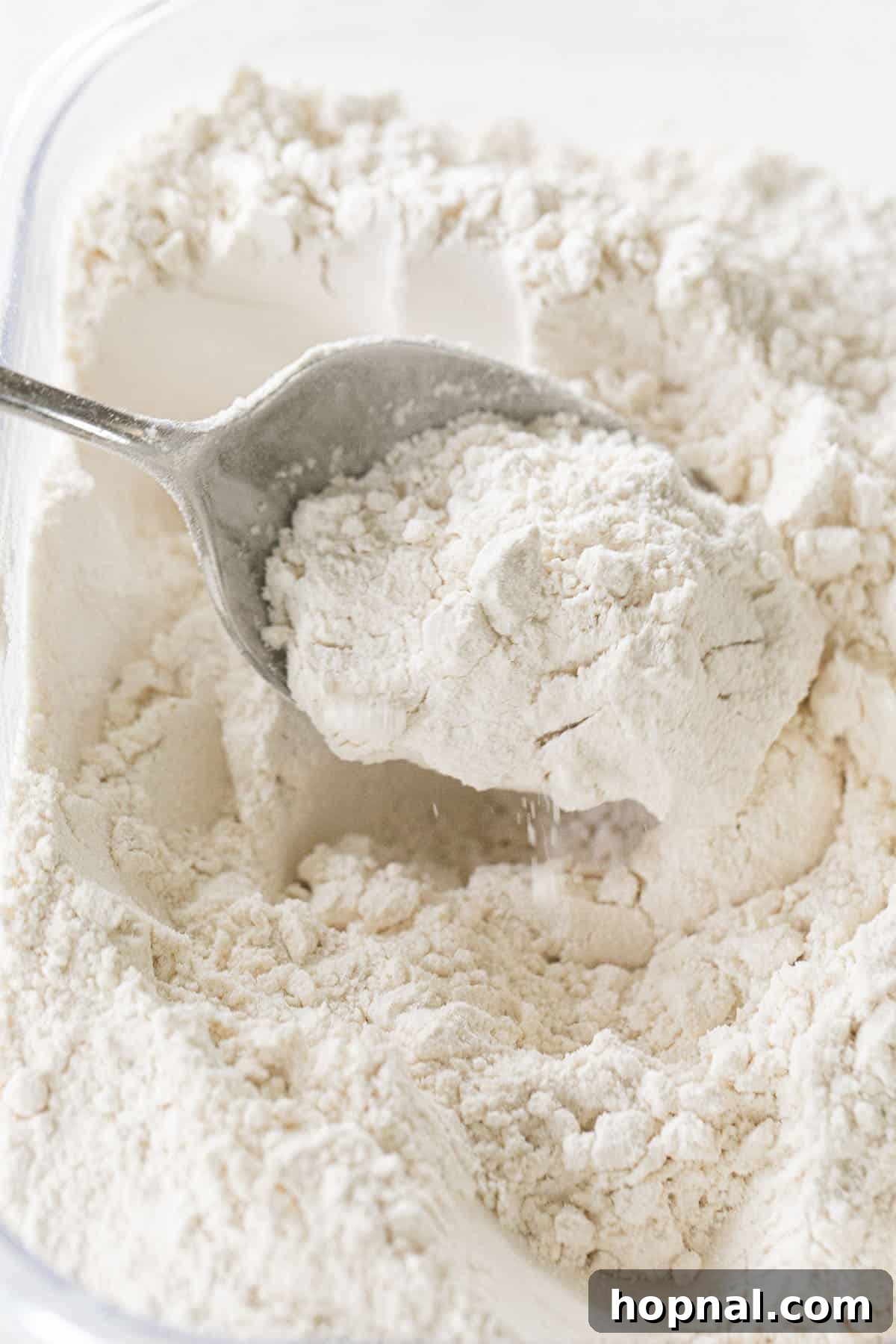
Armed with this knowledge, you’re now ready to unlock the full potential of cake flour in your kitchen. Whether you’re baking a special occasion cake or simply experimenting with new textures, cake flour will undoubtedly become one of your most cherished ingredients.
Don’t forget to explore more of our homemade cake recipes and baking tips to further refine your skills! We love hearing from our community, so please let us know what you think about these recipes made with cake flour. Leave a comment and review below to share your experiences and successful bakes.
You can also FOLLOW US on FACEBOOK, INSTAGRAM, and PINTEREST to see more delicious recipes, cocktails, desserts, and parties!