Delve into the refreshing world of soda water, carbonated water, sparkling water, seltzer, and club soda with this comprehensive guide. We’ll explore their unique characteristics, how they differ, and even how you can create your own fizzy concoctions at home. Get ready to uncover the secrets behind your favorite bubbly beverages, from their accidental invention to their widespread use in drinks, cocktails, and easy dessert recipes.
The history of carbonated water dates back to 1767 when English chemist Joseph Priestley accidentally infused water with carbon dioxide during an experiment. Little did he know, his discovery would pave the way for a global phenomenon, leading to the diverse range of sparkling beverages we enjoy today. While often used interchangeably, terms like soda water, seltzer, club soda, and sparkling water each refer to distinct products with unique compositions and flavor profiles. This guide aims to demystify these differences, helping you make informed choices for your hydration and mixology needs.
What is Carbonated Water? The Essence of Fizz
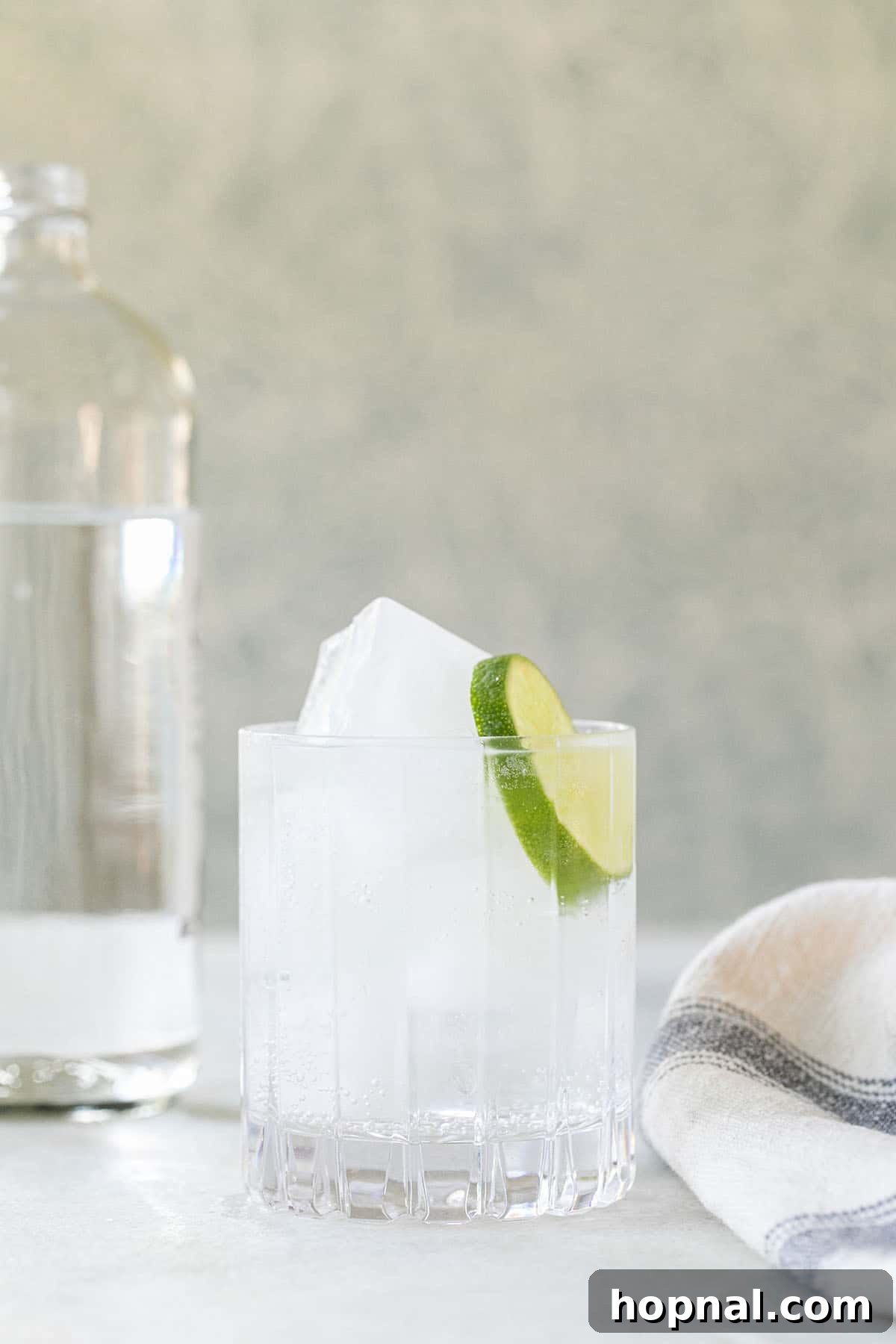
At its core, carbonated water is simply water infused with carbon dioxide gas, creating those delightful bubbles we all recognize. This process can occur naturally, as seen in mineral springs, or it can be artificially induced. The result is a refreshing, calorie-free beverage that offers a pleasant textural experience. Beyond its basic definition, various types of carbonated water exist, each distinguished by its mineral content, additives, and the method of carbonation.
From a nutritional standpoint, pure carbonated water is remarkably healthy. It typically contains no calories, sugars, or artificial sweeteners, making it an excellent alternative to sugary soft drinks. It primarily consists of:
- No cholesterol
- No carbohydrates
- Negligible protein content
- Varying levels of minerals like sodium, potassium, calcium, and magnesium, depending on the type and source.
Choosing carbonated water over sweetened beverages can significantly reduce your daily sugar intake, contributing to better overall health and hydration. It’s a simple yet effective way to enjoy a satisfying drink without compromising your dietary goals.
A Deep Dive into the World of Carbonated Waters: Types and Distinctions
The world of bubbly drinks can be confusing, with many terms often used interchangeably. Understanding the subtle yet important differences between soda water, seltzer, club soda, tonic water, and natural sparkling water is key to choosing the right beverage for your needs, whether for drinking straight or mixing into cocktails.
Soda Water: The Versatile Mixer
Soda water, also widely known as carbonated water in its simplest form, is plain water to which carbon dioxide has been artificially added. Its key characteristic is the inclusion of a blend of minerals such as sodium bicarbonate, potassium sulfate, and sometimes sodium chloride (table salt). These added minerals contribute to its slightly distinctive, often described as a “crisper” or “saltier” taste, and can help to enhance the flavors of spirits and other cocktail ingredients. Joseph Priestley’s initial discovery essentially laid the groundwork for what we now recognize as soda water, making it a staple in bars and homes for centuries. It’s a calorie-free, carb-free option that provides a subtle mineral profile, making it a popular choice for classic highball cocktails and refreshing spritzers.
Seltzer: The Purest Form of Bubbly Water
Seltzer is perhaps the most straightforward type of carbonated water. It is simply pure water that has been artificially carbonated with carbon dioxide, but crucially, it contains no added minerals or salts. This absence of additives gives seltzer a clean, neutral taste, making it an ideal choice for those who prefer their bubbles unadulterated. Its lack of flavor interference allows it to blend seamlessly into any drink without altering the original taste profile. Seltzer’s versatility makes it a favorite for crafting light, refreshing drinks, often infused with natural fruit flavors or enjoyed plain for pure hydration. Its simplicity also makes it a popular base for homemade sodas and flavored waters.
Club Soda: The Bartender’s Choice
Club soda is another form of artificially carbonated water, but like soda water, it contains added minerals. The specific mineral blend in club soda often includes sodium bicarbonate, sodium citrate, potassium sulfate, and sometimes disodium phosphate. These additives give club soda a slightly saline and mineral taste that is more pronounced than seltzer but generally milder than some mineral-rich sparkling waters. Its distinctive tang makes it particularly effective at enhancing the flavors of mixed drinks, acting as a palate cleanser and adding a layer of complexity. Club soda is a common ingredient in many classic cocktails, valued for its ability to cut through sweetness and provide a pleasant effervescence.
Tonic Water: Bitter with a Twist
Unlike other carbonated waters, tonic water stands apart due to a significant additive: quinine. Quinine is a bitter alkaloid extracted from the bark of cinchona trees, historically used as an anti-malarial medication. This compound gives tonic water its characteristic bitter flavor. To counteract this bitterness and make it palatable, tonic water manufacturers typically add sweeteners, often high-fructose corn syrup or sugar, transforming it into more of a soft drink than a pure carbonated water. For those seeking a less sugary option, diet tonic waters are available, using artificial sweeteners like aspartame. Tonic water is most famously paired with gin to create the iconic Gin & Tonic, but it also features in other cocktails, adding a unique bitter-sweet dimension.
Natural Sparkling Water: From the Earth’s Embrace
Natural sparkling water, also known as naturally carbonated mineral water, originates from mineral springs where it naturally acquires carbonation and a unique blend of minerals as it flows through subterranean rock formations. Brands like Perrier and San Pellegrino are famous examples. The mineral composition and carbonation level vary greatly depending on the spring source, imparting distinct tastes and mouthfeels. This natural process means the bubbles and minerals are inherent to the water, not added later. Natural sparkling water is often enjoyed on its own to appreciate its subtle flavors and mineral content, which can include calcium, magnesium, and sulfur compounds. It is generally considered a premium choice for its purity and unique terroir.
Unraveling the Differences: Carbonated Water Comparisons
The subtle distinctions between these bubbly beverages can significantly impact their best use. Here’s a clear breakdown to help you navigate the options:
Club Soda vs. Seltzer: Additives Make the Difference
The primary distinction lies in their ingredients. Seltzer is plain water with only added carbon dioxide, resulting in a neutral taste. Club soda, on the other hand, contains added minerals like sodium bicarbonate and potassium sulfate, which give it a slightly saltier and more mineral-forward flavor profile. This makes seltzer a blank canvas for flavors, while club soda brings its own subtle character to drinks, often enhancing or complementing spirits. If you want pure bubbles, choose seltzer. If you want a slight savory edge, opt for club soda.
Soda Water vs. Natural Sparkling Water: Man-Made vs. Nature-Made
While often used interchangeably in casual conversation, “soda water” generally refers to artificially carbonated water with added minerals. Natural sparkling water, however, is carbonated naturally at its source and contains minerals naturally present in the spring. This natural origin often gives sparkling mineral waters a smoother, finer bubble and a taste profile that reflects its geological origins. Soda water might offer a more aggressive fizz due to artificial carbonation, and its mineral content is controlled and consistent across batches. The choice often comes down to preference for natural purity versus controlled consistency and specific mineral blends.
Tonic Water vs. Other Carbonated Waters: Bitterness and Sweetness
Tonic water is fundamentally different from soda water, seltzer, or natural sparkling water because of its quinine content and typically high sugar levels. This makes it a flavored soft drink rather than a simple carbonated water. Its bitter and sweet notes are unique and are specifically desired for certain cocktails (like a G&T). In contrast, soda water, seltzer, and natural sparkling water are generally unsweetened and either neutral or have a mineral taste, making them more versatile for hydration or mixing without adding significant calories or sweetness.
Health Benefits of Carbonated Water: More Than Just Bubbles
Opting for carbonated water, especially its unsweetened varieties, offers several notable health advantages, making it a superior choice over sugary sodas and fruit juices. Its primary benefit lies in its ability to promote hydration without adding unnecessary calories or artificial ingredients.
- Hydration: Like still water, carbonated water effectively hydrates the body, crucial for all bodily functions. Many find the fizz more appealing than plain water, encouraging increased fluid intake throughout the day.
- Digestive Aid: For some, the carbonation can help settle an upset stomach, alleviate indigestion, or even improve constipation. The bubbles may stimulate stomach acid production or help move food through the digestive tract.
- Mineral Content: Natural sparkling mineral waters and some soda waters contain beneficial minerals like calcium, magnesium, and potassium. These electrolytes play vital roles in nerve function, muscle contraction, and maintaining fluid balance.
- Weight Management: Being calorie-free, unsweetened carbonated water is an excellent tool for weight management. It can help you feel full, reducing the urge to snack, and is a healthy substitute for high-calorie, sugary beverages that contribute to weight gain.
- Dental Health: While some studies suggest slight erosion from carbonated water, it is significantly less damaging to tooth enamel than acidic soft drinks or fruit juices. Choosing plain carbonated water over sweetened options is a healthier choice for your teeth.
It’s important to differentiate between pure carbonated water and tonic water or flavored sparkling waters with added sugars. Tonic water, with its quinine and typically high sugar content, is more akin to a soft drink in terms of caloric and sugar load. If you enjoy the unique flavor of tonic water, consider diet versions made with zero-calorie sweeteners, though pure carbonated water remains the healthiest unflavored option.
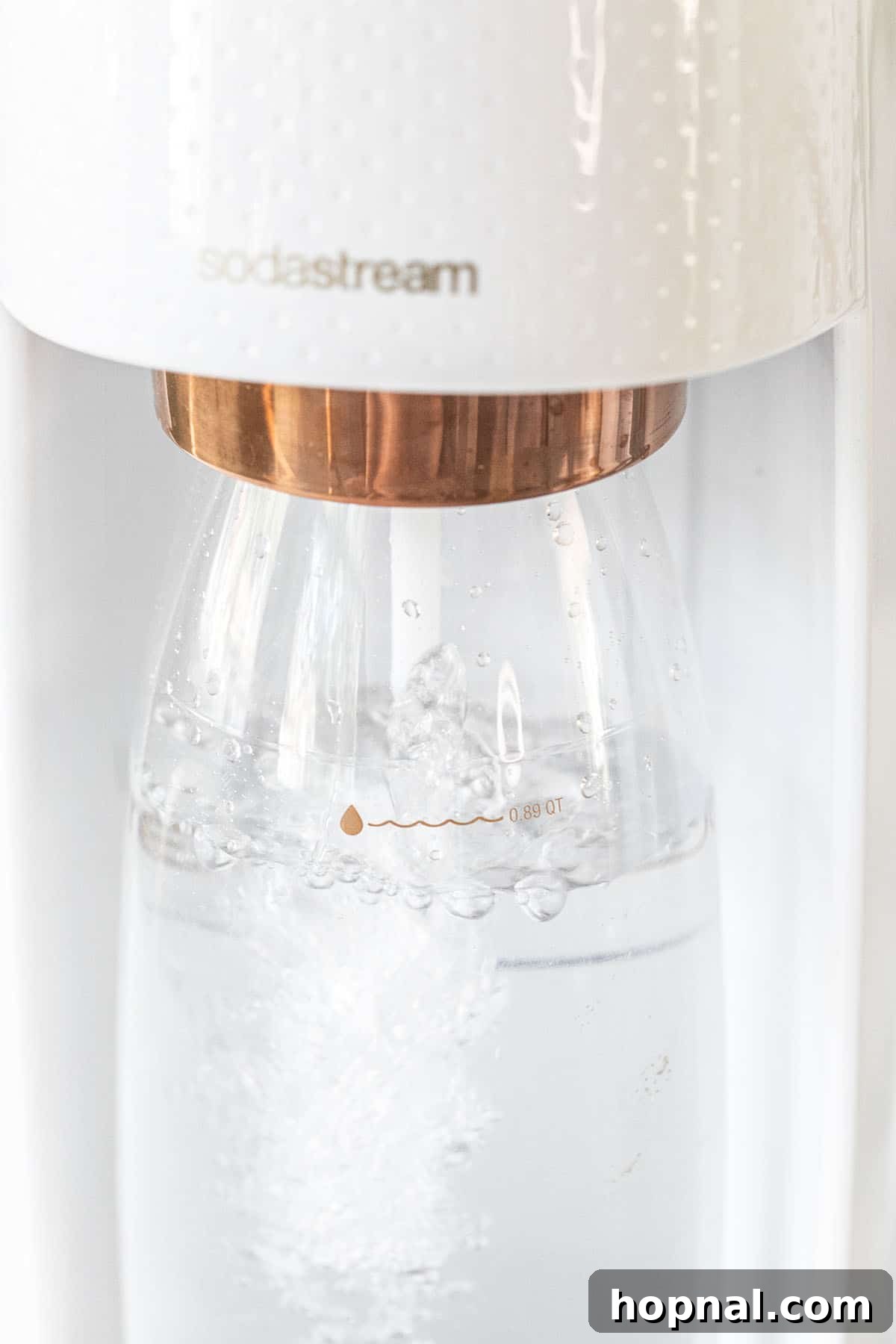
Making Your Own Carbonated Water at Home
Creating your own carbonated water at home has become increasingly popular, offering convenience, cost savings, and environmental benefits. Investing in a home carbonation machine, often referred to as a “soda maker” or “sparkling water maker,” allows you to transform tap water into fizzy goodness with the touch of a button.
The main advantage of these machines is the ability to control the level of carbonation. Whether you prefer a gentle fizz or an intensely bubbly experience, you can customize it to your liking. This personalization also extends to flavor; you can add fresh fruit slices, herbs, or homemade syrups to create unique, healthy, and sugar-free flavored sparkling waters.
Beyond customization, home carbonation offers several practical benefits:
- Cost-Effective: Over time, making your own sparkling water is significantly cheaper than repeatedly buying bottled varieties.
- Environmentally Friendly: It drastically reduces your consumption of single-use plastic bottles, contributing to less waste and a smaller carbon footprint.
- Convenience: No more lugging heavy cases of sparkling water from the grocery store. Freshly carbonated water is always on hand.
Some of the highly-rated home carbonation machines on the market include:
- Soda Stream: A well-known brand offering various models from basic to advanced.
- Carbonator III Premium: Often praised for its sleek design and durable construction.
- Philips Stainless Sparkling Machine: Another solid option known for its efficiency and aesthetic appeal.
These machines typically use refillable CO2 cylinders, making the process sustainable and easy to manage.
Popular Drinks and Cocktail Recipes with Carbonated Water
Carbonated water is an indispensable ingredient in the world of beverages, offering a light, refreshing base for countless drinks. Its versatility makes it suitable for everything from simple thirst quenchers to sophisticated cocktails. Here are some beloved beverages where sparkling water truly shines:
Refreshing Beverages:
- Ranch Water: A crisp Texan cocktail featuring tequila and sparkling mineral water, often Topo Chico, with a squeeze of lime.
- Italian Sodas: A delightful treat made with flavored syrup, cream (optional), and sparkling water for that irresistible bubbly texture.
- Strawberry Tequila Sodas: A vibrant summer cocktail combining fresh strawberries, tequila, and club soda for a truly invigorating sip.
- Vodka Soda: The epitome of simplicity and low-calorie refreshment, made with just vodka and sparkling water, often garnished with a lemon or lime wedge.
- Aperol Spritz: A classic Italian aperitif that balances Aperol’s bitter-sweet notes with Prosecco and a splash of club soda for effervescence.
- Bikini Cocktail: A summer favorite, this unique drink features jam, gin, and club soda, creating an unexpectedly delicious and fizzy concoction.
- French Spritz: A simple yet elegant spritz crafted with elderflower liqueur, champagne, and a touch of sparkling water.
- Classic Tom Collins: A timeless highball cocktail featuring gin, lemon juice, simple syrup, and topped with sparkling water for its signature fizz.
- Traditional White Sangria: A fruity, vibrant punch often enhanced with a splash of sparkling water for extra lightness and effervescence, alongside white wine and fruit.
- Whiskey Highball: Another minimalist yet satisfying cocktail, combining whiskey with sparkling water over ice.
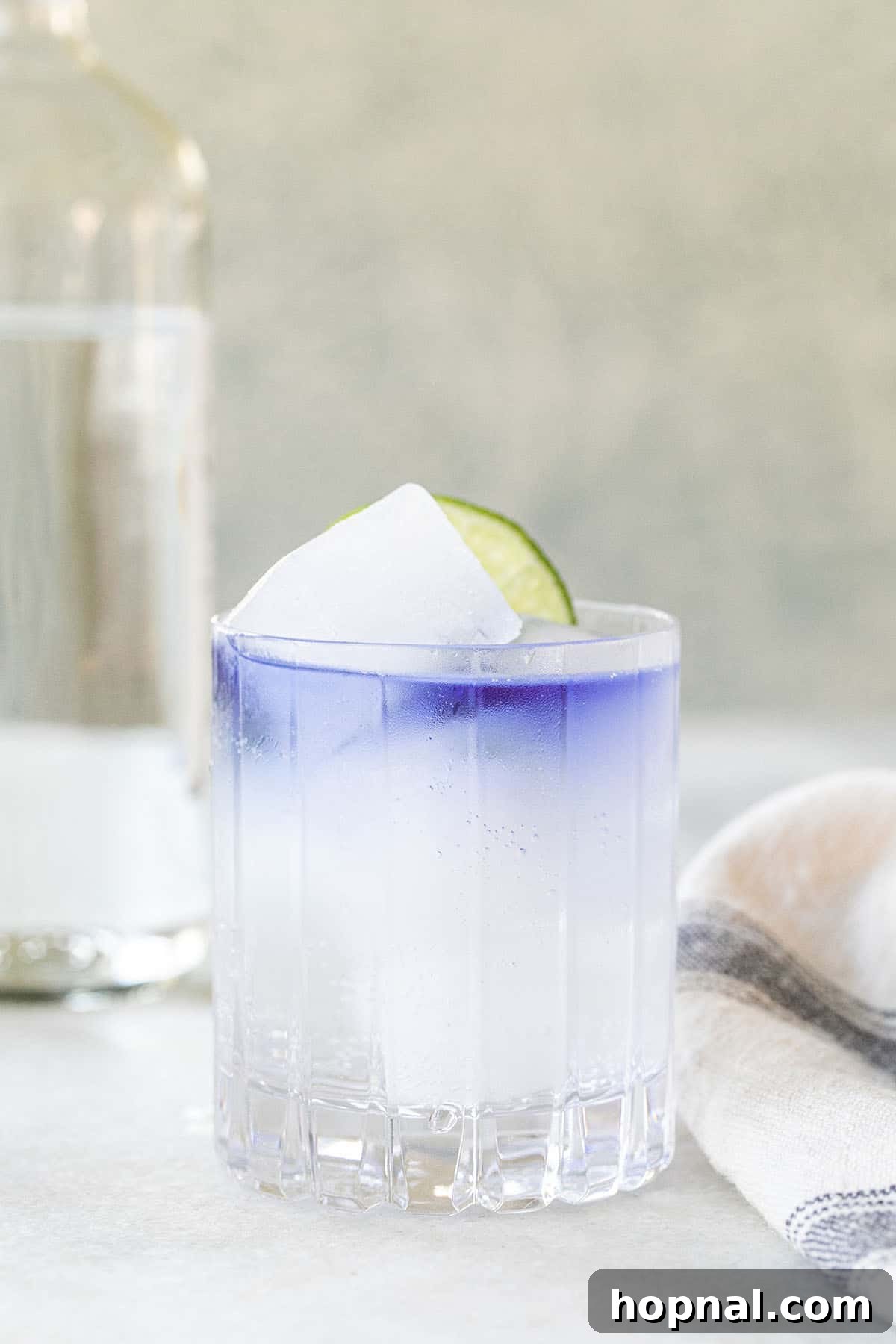
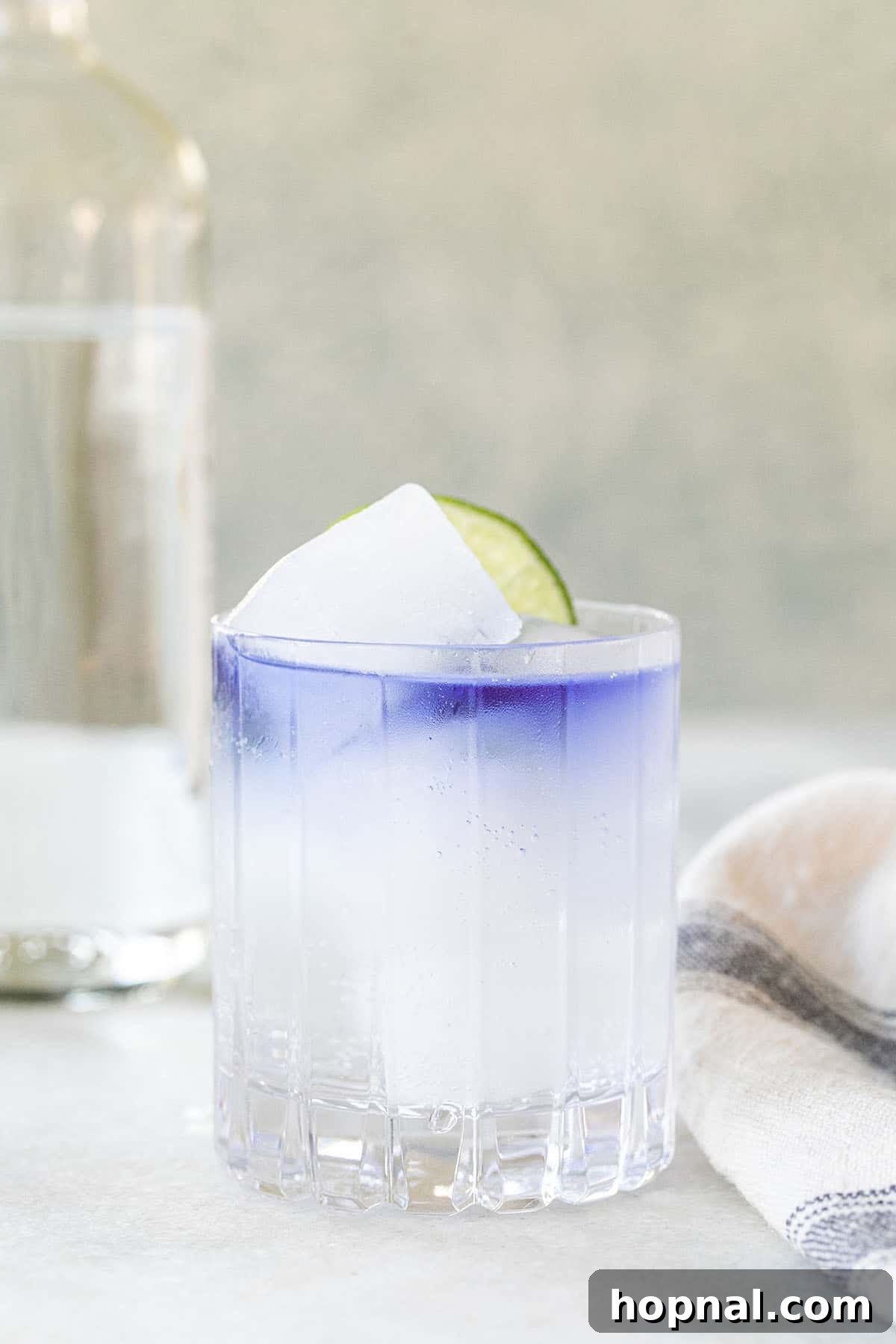
- Gin Soda: This specific recipe uses Empress gin, allowing the natural botanicals of the gin to shine through, perfectly complemented by soda water.
Furthermore, carbonated water is an excellent base for homemade flavored waters. Try adding sliced cucumber and lemon to create a naturally refreshing and bubbly drink, perfect for any time of year.
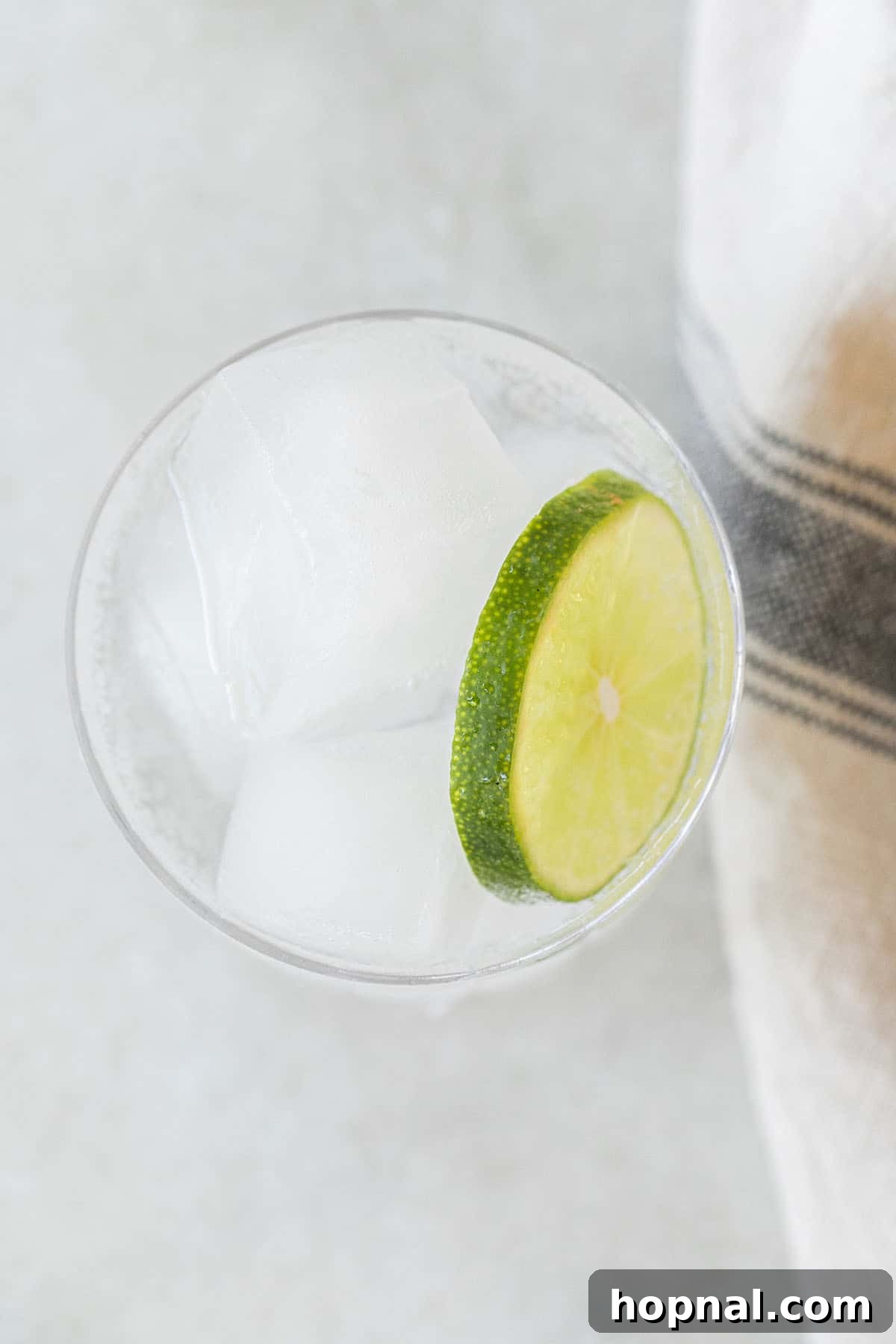
What are the Top Carbonated Water Brands?
The market is rich with various brands of carbonated water, each offering a unique profile in terms of fizz level, mineral content, and flavor. When choosing, consider whether you prefer naturally sourced minerals, pure seltzer, or flavored options. Here are some of the most popular and well-regarded brands:
- LaCroix: Famous for its wide array of natural fruit essences and zero calories, a popular choice for flavored seltzer.
- Perrier: A classic natural sparkling mineral water from France, known for its strong carbonation and distinct mineral taste.
- Waterloo Sparkling Water: Offers a range of bold, natural fruit flavors with a clean finish and no added sugars or artificial ingredients.
- Topo Chico: A highly carbonated natural mineral water from Mexico, beloved for its crisp taste and often favored in cocktails like Ranch Water.
- Spindrift: Unique for being sweetened with real fruit juice and natural flavors, offering a more robust fruit taste and a hint of sweetness.
- San Pellegrino: Another iconic Italian natural sparkling mineral water, characterized by its fine bubbles and balanced mineral profile.
These brands represent a spectrum of choices, ensuring there’s a sparkling water for every palate and preference.
Frequently Asked Questions About Carbonated Water
Soda water is made by artificially adding carbon dioxide to water. While some mineral waters are naturally carbonated from underground springs, typical “soda water” found in stores is produced by infusing purified water with CO2 and often a blend of minerals like sodium bicarbonate and potassium sulfate.
Hard seltzer is an alcoholic beverage made with seltzer water, alcohol (often from fermented cane sugar), and natural fruit flavorings. It has gained significant popularity as a lighter, often lower-calorie alternative to traditional alcoholic drinks, with popular brands including White Claw and Truly.
The fundamental difference lies in their composition beyond water and carbonation. Seltzer is plain carbonated water with no added minerals, offering a clean, neutral taste. Soda water, conversely, contains added minerals such as sodium bicarbonate, potassium sulfate, and sometimes sodium chloride, which impart a slightly saltier and more complex flavor profile.
While very similar, club soda and soda water are often used interchangeably, but can have slightly different mineral blends. Both are artificially carbonated and contain added minerals. Some brands of club soda might emphasize a specific mineral profile that gives it a marginally distinct taste compared to what is simply labeled “soda water,” but for most practical purposes, they are very similar in function and taste.
The carbonation process involves dissolving carbon dioxide (CO2) gas into water under pressure. When the pressure is released (e.g., when you open a bottle), the CO2 escapes as bubbles, creating the fizz. This can occur naturally in mineral springs or be artificially introduced in factories or home carbonation machines.
Guide to Sparkling Water – Gin Soda Recipe
Guide to Sparkling Water – Gin Soda
Print Recipe
Ingredients
- 1 ounce Empress Gin
- 4 ounces Soda Water
- 1/2 ounce Lime Juice
Instructions
-
In a small glass add ice cubes.
-
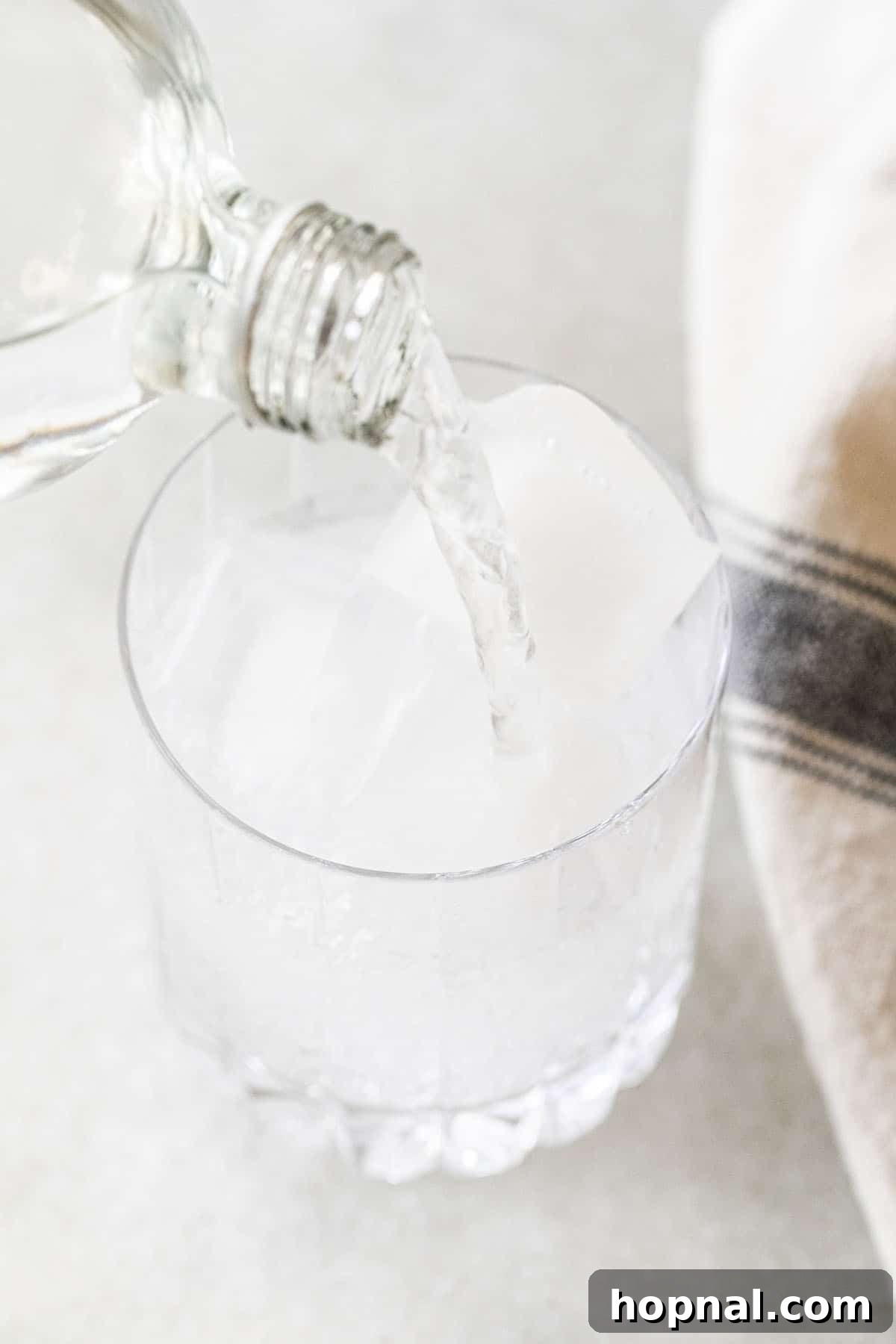
Pour the soda water over the ice cubes.
-
Add in the lime juice.
-
Pour the Empress gin over the top.
Nutrition
Nutrition information is automatically calculated, so should only be used as an approximation.
Quench Your Thirst: The Versatility of Carbonated Water
From its accidental discovery in the 18th century to becoming a modern-day staple, carbonated water in its various forms offers a refreshing and versatile option for hydration and mixology. Whether you prefer the pure, unadulterated fizz of seltzer, the mineral-enhanced crispness of soda water and club soda, the distinctive bitter-sweetness of tonic water, or the unique natural flavors of sparkling mineral water, there’s a bubbly beverage for every taste and occasion.
Understanding the subtle differences empowers you to make healthier choices and craft perfect drinks. With options to even make your own at home, embracing carbonated water is a step towards sustainable and personalized refreshment. So, go ahead, explore the fizzy frontier, and discover your new favorite way to stay hydrated!
We’d love to hear your thoughts! Share your favorite carbonated water recipes or experiences in the comments below, or tell us what you think of our gin soda recipe.
For more delicious recipes, cocktails, desserts, and party ideas, be sure to FOLLOW US on FACEBOOK, INSTAGRAM, and PINTEREST!