
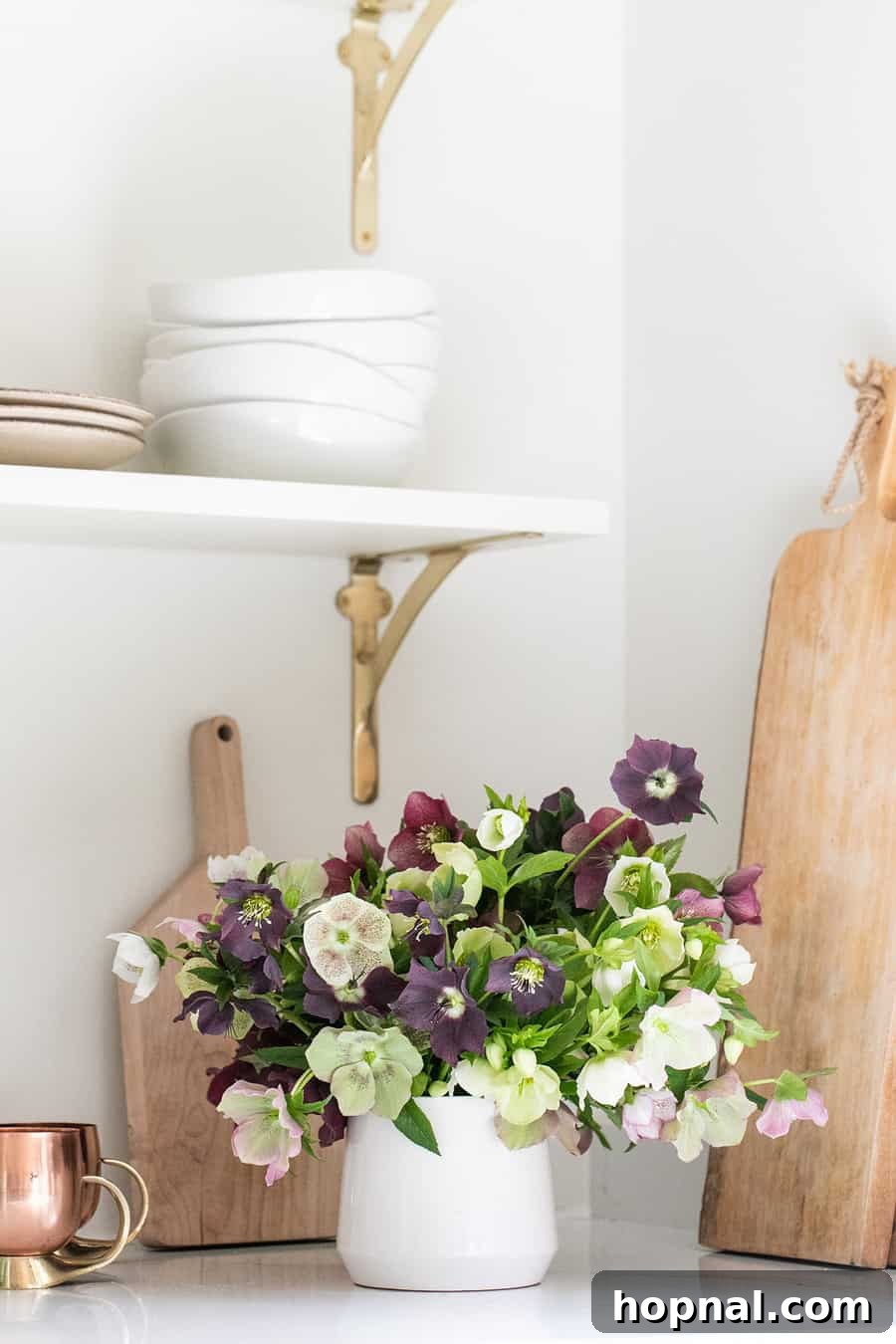
Hellebores, affectionately known as the Lenten Rose or Christmas Rose, stand out as some of the most captivating flowers, gracing our gardens when little else dares to bloom. Their exquisite beauty and remarkable hardiness make them an absolute treasure, providing a much-needed splash of color during the colder months.
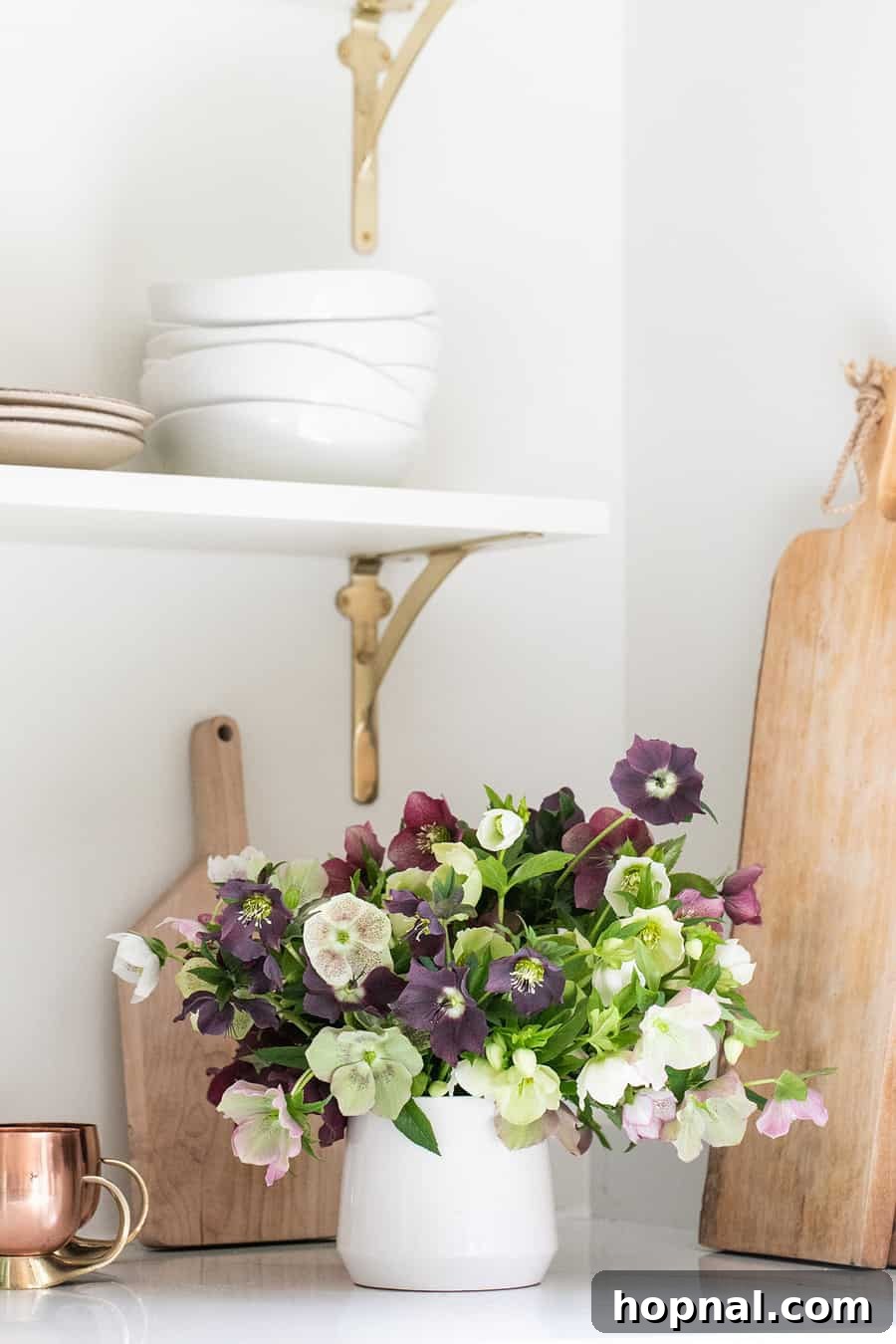
A true harbinger of spring, the hellebore belongs to the buttercup family (Ranunculaceae), renowned for its glorious late winter to early spring blooms. While commonly called “Lenten Rose,” a name it earned from its blooming season coinciding with Lent and its delicate, rose-like flower shape, it is not a true rose. In warmer climates, some varieties bravely emerge as early as Christmas, leading to another endearing moniker: “Christmas Rose.” This unique characteristic makes it an invaluable addition to any garden seeking vibrancy when most other plants are dormant.
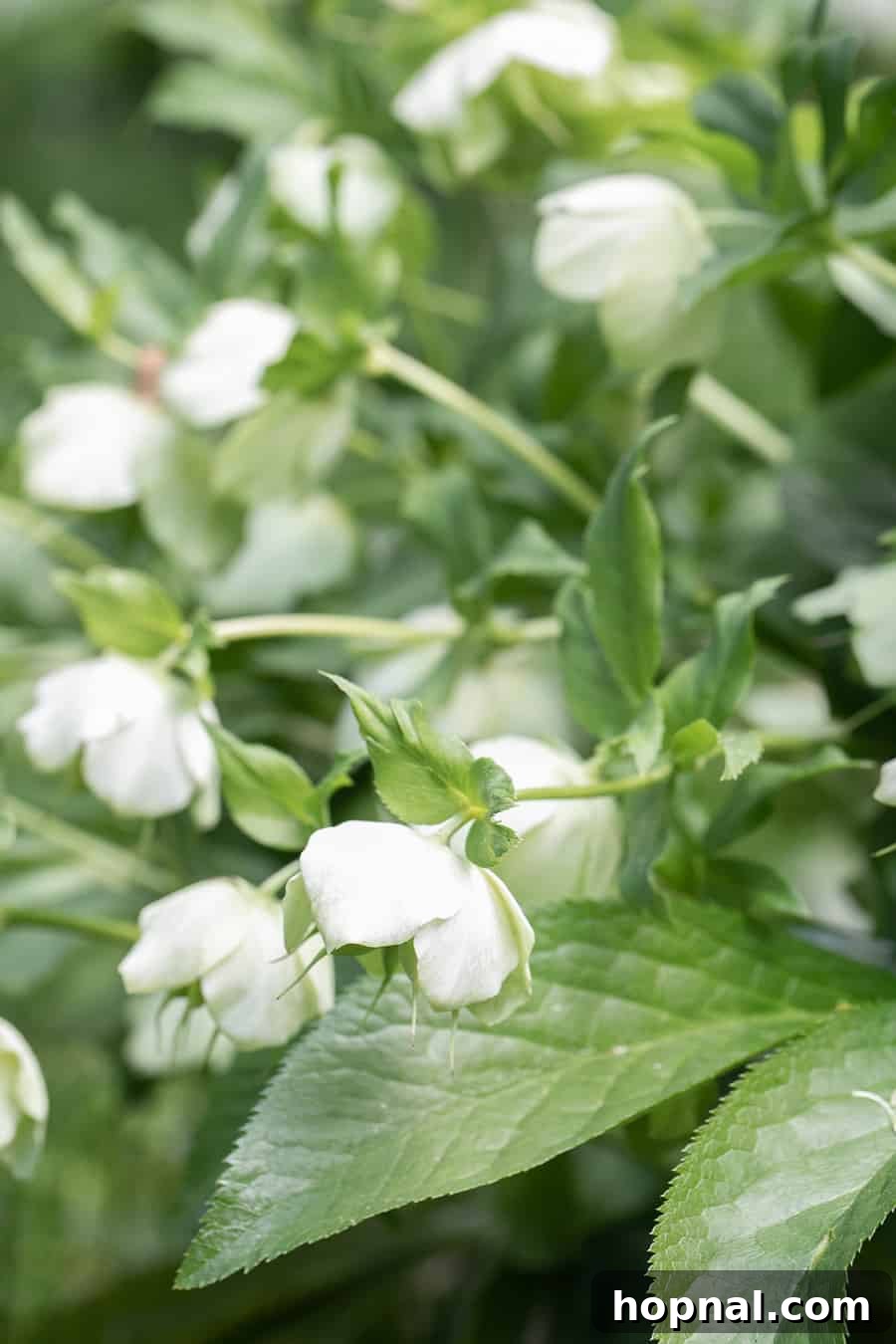
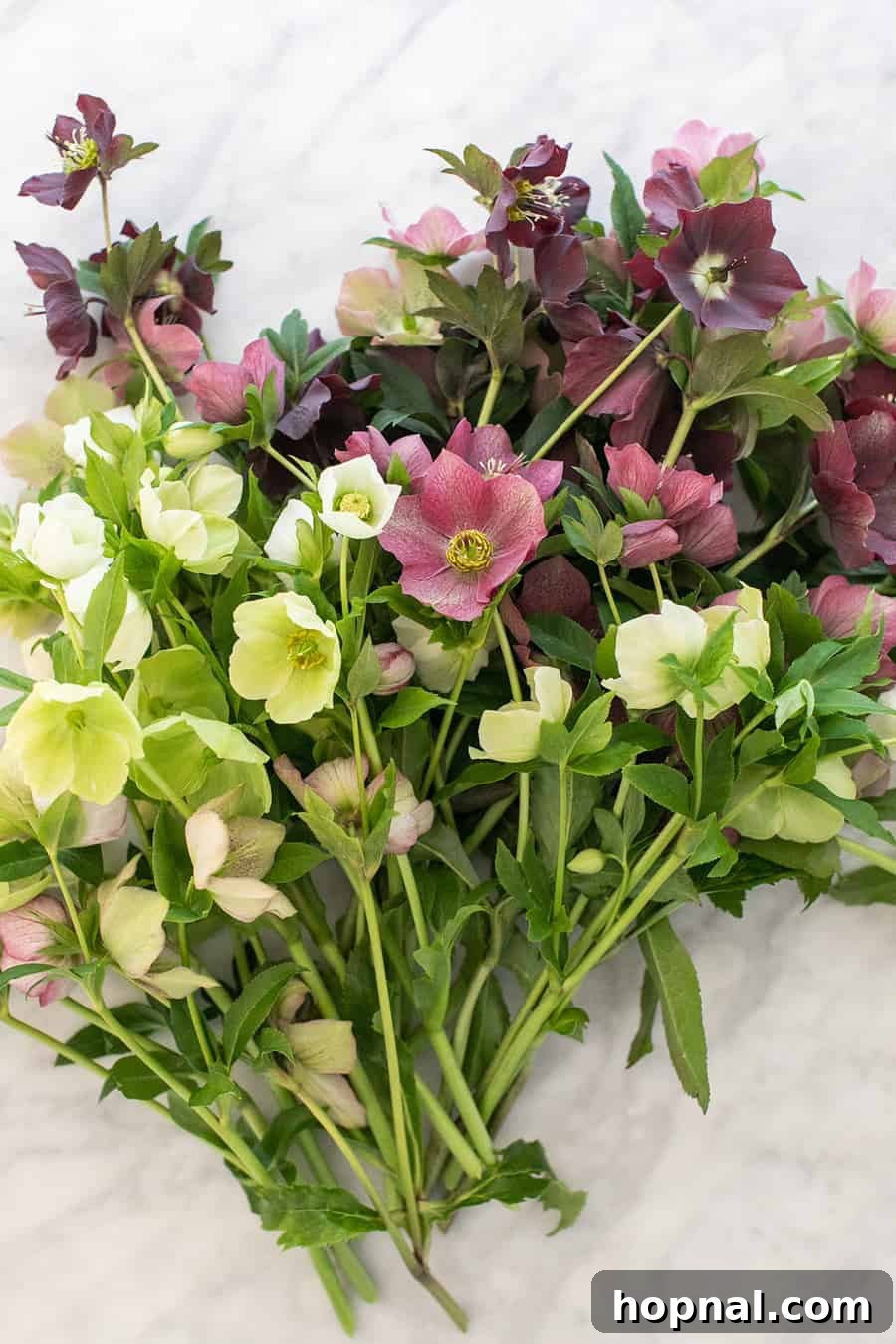
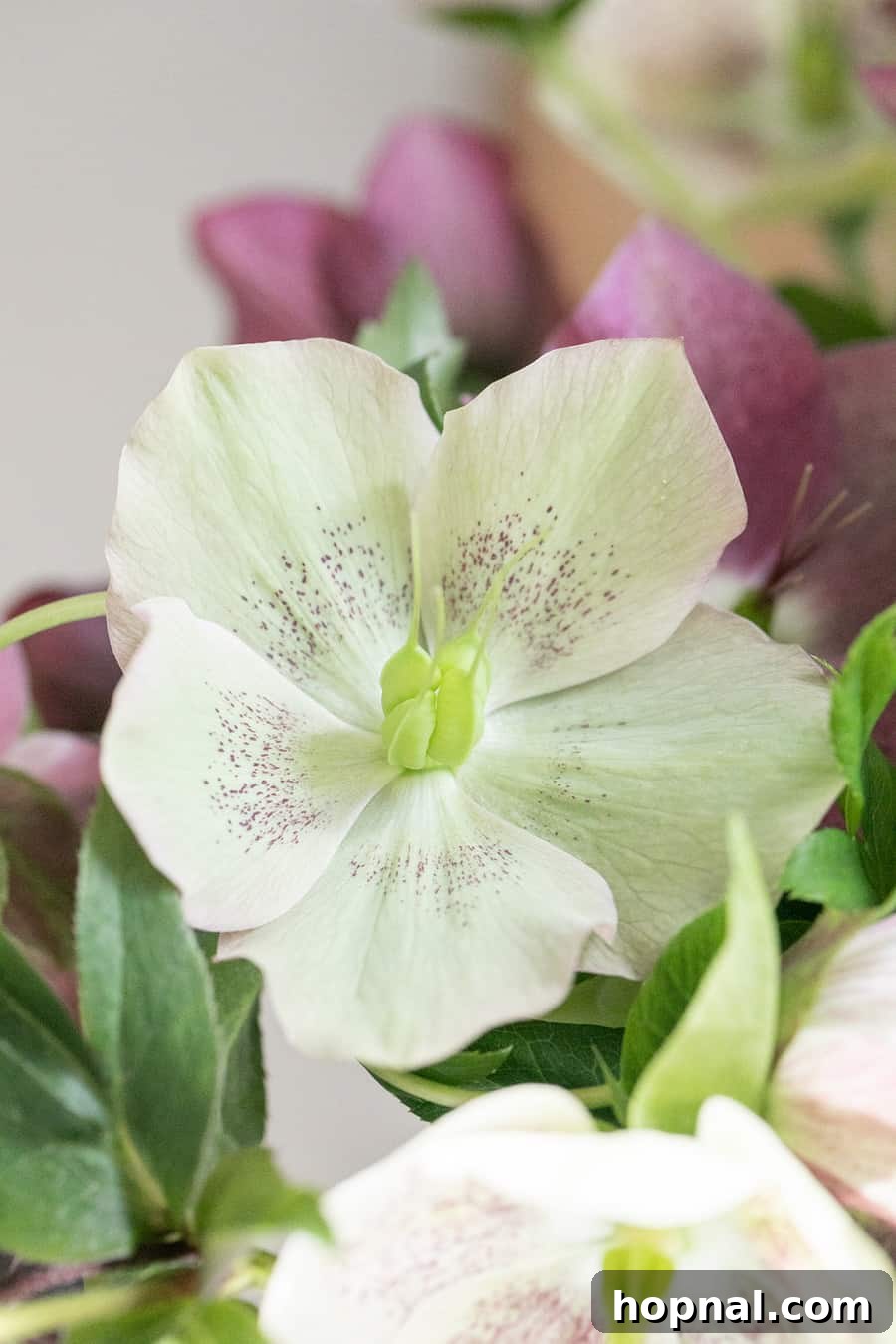
Hellebore plants boast an impressive spectrum of colors, ranging from pristine whites and creams to soft yellows, delicate pinks, and rich purples, even nearing black. Many varieties feature intricate patterns like freckles, spots, or picotee edges, adding to their charm. Their foliage is typically evergreen, providing year-round interest and structure to the garden. As the robust stems mature, they develop a graceful, nodding habit, gently bowing under the weight of their abundant blossoms. This natural posture not only adds to their ethereal beauty but also protects the delicate reproductive parts of the flower from harsh winter weather.
If you’re eager to transform your garden into a beacon of beauty during the year’s bleaker months, you’ve come to the right place. This comprehensive guide will walk you through everything you need to know about successfully growing, caring for, and even cutting and arranging your own magnificent hellebores.
When to Plant Hellebores: Timing for Success
One of the many appealing traits of hellebores is their flexible planting window. As long as the ground isn’t frozen solid or overly cold, you can plant hellebores at almost any time of year. However, for optimal success, the ideal period spans from late autumn through early spring. Planting during these cooler seasons allows the plants ample time to establish a strong root system before the stress of summer heat sets in. It’s generally advisable to avoid planting in the peak of summer when the soil can be excessively dry and temperatures are high, which can lead to transplant shock.
When selecting your hellebores, you’ll typically find them sold as potted plants, which simplifies the planting process. Choose healthy specimens with vibrant foliage and no signs of stress. Once established, these resilient perennials will reward you with stunning blooms year after year, faithfully returning to grace your garden.
Finding the Perfect Home: Where to Plant Hellebores
To truly unlock the full potential of your hellebores, careful consideration of their planting location is key. They thrive in rich, well-drained soil, making proper soil preparation crucial. Heavy clay soils that retain too much moisture can lead to root rot, while overly sandy soils may not hold enough nutrients or water. Amending your soil with generous amounts of organic matter, such as compost, well-rotted leaf mold, or aged manure, will significantly improve its structure, drainage, and fertility. Hellebores prefer a neutral to slightly alkaline pH, so a soil test can be beneficial if you’re unsure of your garden’s conditions.
Hellebores are remarkably versatile plants, capable of enduring a wide range of conditions, but they truly excel when their specific needs are met. They are perfect candidates for partial shade or dappled light, mimicking their natural woodland habitats. This makes them excellent choices for planting under deciduous trees and shrubs, where they benefit from winter sunlight when leaves have fallen, and summer shade once the canopy fills in. They are also splendid along woodland borders, in mass plantings, or even in containers for a portable display of winter cheer. Given their potential to grow up to half a meter tall and wide, adequate spacing (typically 18-24 inches apart) should be provided to allow for mature growth and good air circulation.
Sunlight vs. Shade: Balancing Hellebore’s Light Needs
The question of whether hellebores prefer sun or shade often arises, and the answer, perhaps surprisingly, is a nuanced “both.” These charming plants are quintessential woodland edge dwellers, meaning they appreciate a balance. They prosper under semi-shade conditions, where they receive ample bright, indirect light or morning sun, followed by protection from the intense heat of the afternoon sun. Think of the dappled light filtering through tree canopies – this is their sweet spot.
Planting hellebores beneath small deciduous trees or on the north or east side of a building is often ideal. This positioning provides them with beneficial sunlight during the cooler months when the trees are bare, and then offers essential shade and cooler temperatures once the trees leaf out in spring and summer. Too much direct, harsh sun, especially in hot climates, can scorch their leaves and stress the plant, potentially reducing flowering. Conversely, deep, unbroken shade can lead to leggy growth and fewer blooms, as they still require a certain amount of light to photosynthesize effectively and produce their stunning flowers.
The Enchanting Bloom Cycle: When Do Hellebores Bloom?
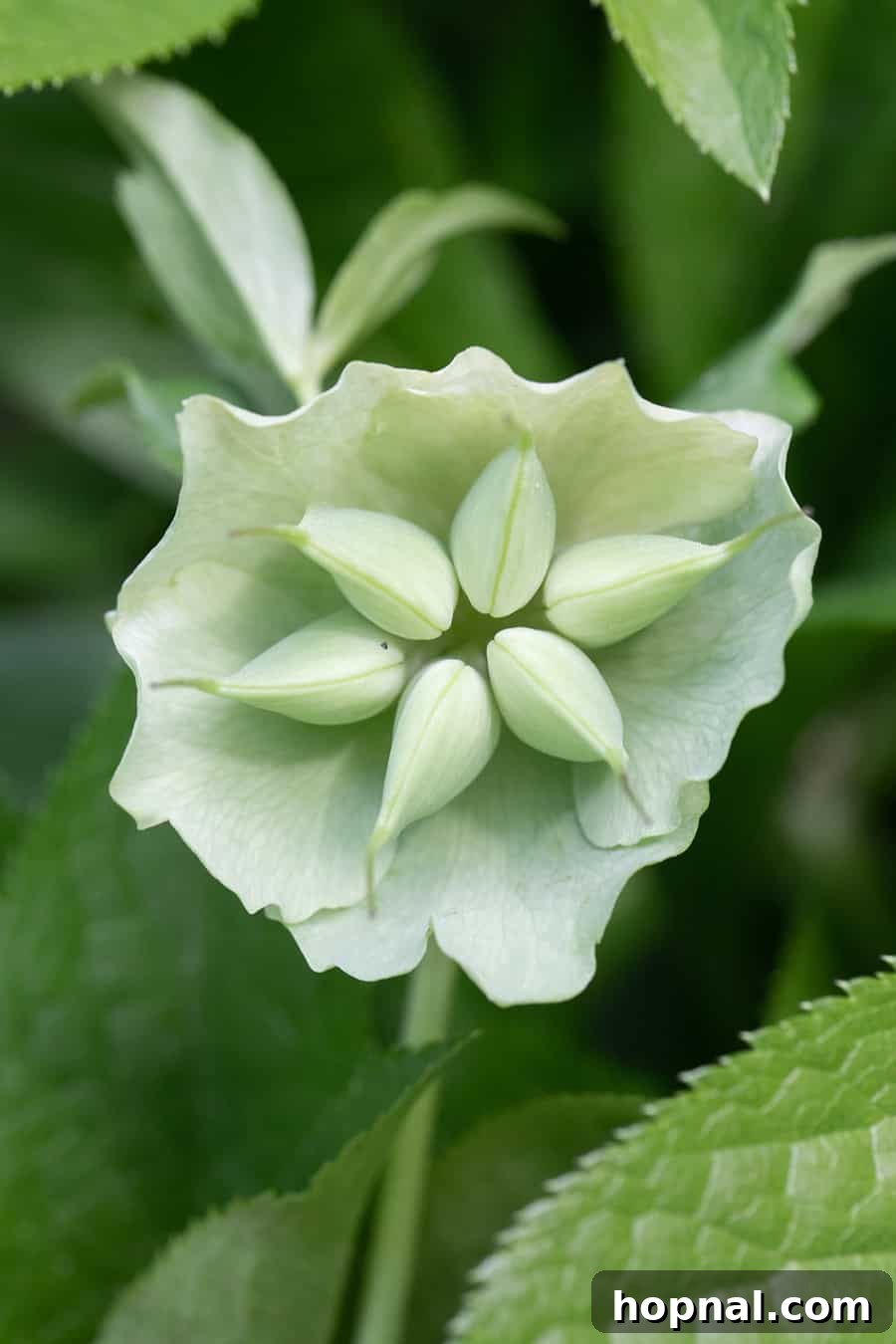
The bloom time of hellebores is arguably their most celebrated feature. These extraordinary plants burst into flower during late winter, typically commencing in December or January and continuing their spectacular display all the way through to the middle of spring, often until March or April. The peak flowering period for many common varieties usually falls between January and mid-March, making them a lifeline for gardeners during the otherwise dormant season.
What truly sets hellebores apart is their ability to produce such magnificent blooms with relatively low maintenance. Their resilience to colder temperatures and early spring conditions ensures a vibrant, long-lasting show when few other plants are active. Different species and hybrid varieties offer slightly varied bloom times, allowing discerning gardeners to cultivate a collection that provides continuous hellebore beauty throughout the entire winter and early spring period. Imagine a garden alight with color and delicate blossoms even as frost still lingers!
Essential Care for Thriving Hellebores
While hellebores are celebrated for their low-maintenance nature, providing them with a little attention will ensure they flourish and produce an abundance of spectacular blooms. Here are some key care tips:
- Watering: Once established, hellebores are quite drought-tolerant. However, during prolonged dry spells, especially in their first year or during extreme summer heat, supplemental watering is beneficial. Aim for deep watering that encourages roots to grow downwards, rather than frequent shallow watering. Ensure the soil drains well to prevent waterlogging.
- Fertilizing: Hellebores are not heavy feeders. A light application of a balanced, slow-release granular fertilizer in early spring, just as new growth emerges, is usually sufficient. Alternatively, top-dress with a layer of compost or well-rotted manure around the base of the plant; this slowly releases nutrients and improves soil structure. Avoid over-fertilizing, which can lead to lush foliage at the expense of flowers.
- Mulching: Applying a 2-3 inch layer of organic mulch, such as shredded bark, leaf mold, or pine needles, around your hellebores offers numerous benefits. It helps to conserve soil moisture, suppress weeds, moderate soil temperature, and enriches the soil as it breaks down. Keep the mulch a few inches away from the plant’s crown to prevent rot.
- Pest and Disease Management: Hellebores are generally robust and resistant to most pests and diseases. Occasionally, you might encounter aphids on new growth or signs of leaf spot. Aphids can typically be dislodged with a strong spray of water or treated with insecticidal soap. Leaf spot, often a fungal issue, can be mitigated by ensuring good air circulation and promptly removing any infected leaves. Proper sanitation, like cleaning up old foliage, is the best preventative measure.
Pruning and Maintenance: Keeping Hellebores Healthy
Pruning hellebores is a straightforward task that contributes significantly to their health, vigor, and aesthetic appeal. The best time to cut back hellebores is typically in late winter or very early spring, just as you begin to observe new growth emerging from the base of the plant, but before the new flower stalks elongate. This window usually falls between late November and February, depending on your climate.
The primary goal of this pruning is to remove any old, tattered, or discolored foliage. The evergreen leaves, while beautiful, can sometimes look a bit worn after a long winter. More importantly, removing these older leaves before the new blooms appear serves several critical purposes:
- Disease Prevention: Old leaves can sometimes harbor fungal spores, such as those causing hellebore leaf spot. Removing them helps to break the disease cycle and encourages healthier new growth.
- Enhanced Display: Clearing away the old foliage allows the exquisite new flowers to take center stage, making them much more visible and appreciated. Since many hellebore flowers nod downwards, removing the lower leaves provides an unobstructed view of their intricate beauty.
- Stimulates New Growth: This light pruning encourages the plant to put its energy into producing fresh, healthy leaves and abundant flowers.
Use sharp, clean pruners to make cuts close to the base of the plant. If your hellebores tend to self-seed profusely and you wish to limit this, you can deadhead spent flowers after they fade but before they set seed. However, many gardeners enjoy the delightful surprise of new hellebore seedlings popping up in unexpected places.
Hellebores in Summer: Evergreen Charm
Contrary to what their winter blooming habit might suggest, hellebores do not “die down” in summer. While their magnificent flowers will naturally fade as temperatures rise and spring transitions into summer, the plants themselves continue to provide attractive foliage throughout the warmer months. Hellebores are evergreen perennials, meaning their leaves persist year-round, offering valuable groundcover and structural interest in the garden even when not in bloom.
During the peak of summer heat, hellebores tend to enter a period of semi-dormancy, conserving energy for their next spectacular display. Their evergreen leaves remain a beautiful dark green, adding a lush backdrop to other summer-blooming plants in shady areas. This makes them excellent foundation plants for woodland gardens, shady borders, or under mature trees, ensuring your garden maintains an appealing presence even during their resting phase. You can continue to enjoy their serene beauty all year round, a testament to their enduring appeal and hardiness.
Whether brightening a bleak winter landscape or adding evergreen elegance to a summer shade garden, Hellebore, the captivating Lenten Rose, truly excels. Its ability to thrive when most plants are dormant, coupled with its relatively low maintenance requirements, makes it an indispensable asset for any gardener. If you’re inspired to further explore your gardening creativity, be sure to delve into our other suggestions and guides below.
Bringing the Beauty Indoors: Cutting and Arranging Hellebores
One of the true joys of growing hellebores is the ability to bring their exquisite beauty indoors. They make stunning cut flowers, adding a touch of sophisticated elegance to any room. However, hellebores can sometimes be a bit particular about vase life, often appearing droopy shortly after being cut. But with a few simple tricks, you can significantly extend their display:
- Timing is Key: Cut hellebore flowers when they are mature, meaning the stamens (the pollen-bearing parts) have fallen off, and the seed pod is beginning to form. Younger, less mature flowers tend to wilt quickly.
- Prepare the Stems: As soon as you cut the stems, either slit the stem vertically up about an inch or make a few vertical scratches with a knife. This helps the stem absorb water more efficiently. Some sources also recommend piercing the stem just below the flower head with a fine needle.
- The Water Bath Trick: For best results, immediately after cutting and preparing the stems, submerge the entire flower head and stem in a basin of cool water for a few hours, or even overnight. This rehydrates the entire plant tissue and helps them firm up considerably.
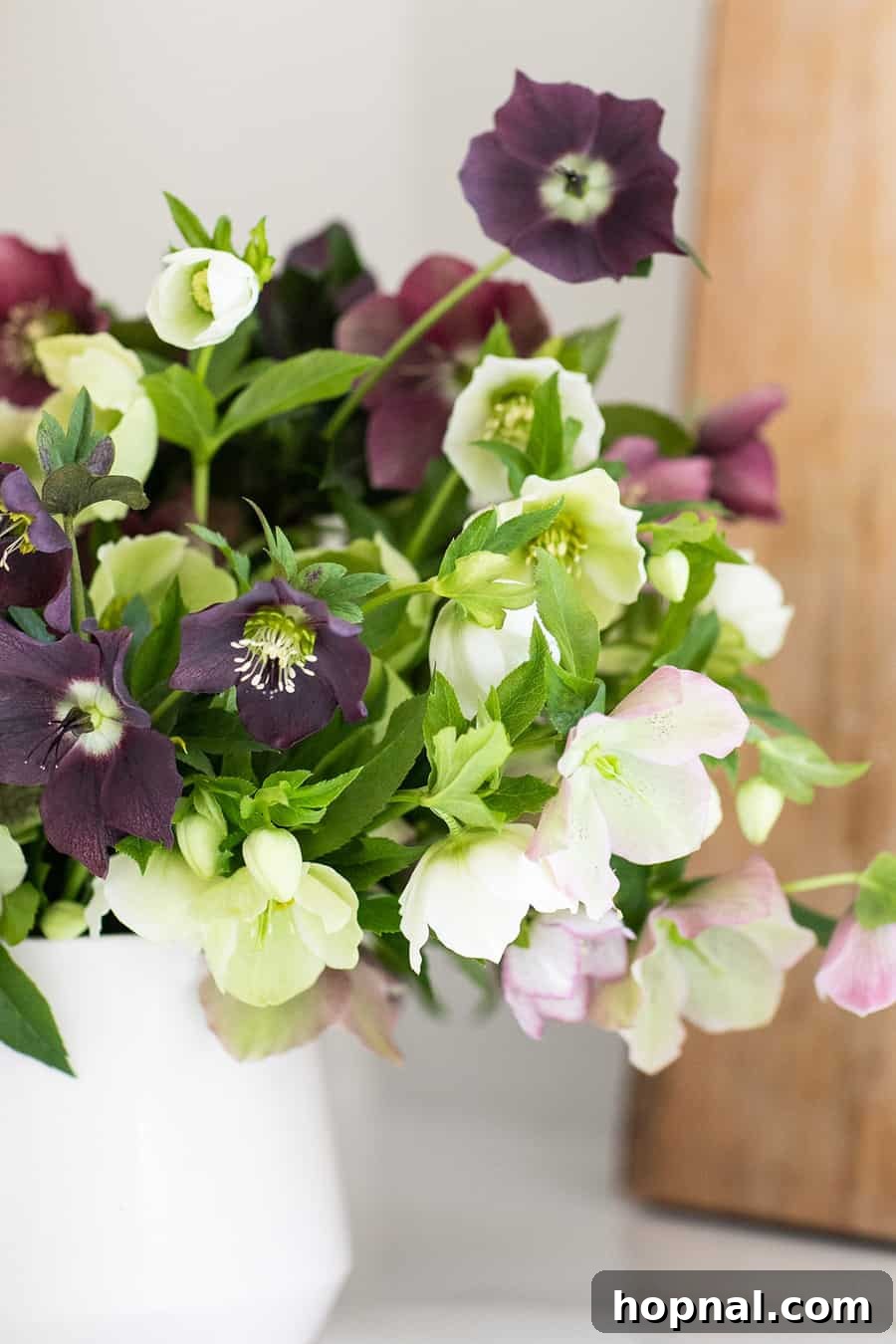
- Simple Arrangement: Once conditioned, simply cut the stems to your desired length to suit your vase. Hellebores look magnificent arranged simply on their own, loosely gathered to showcase their natural nodding habit. You’ll find they truly “perk up” and reveal their full splendor once they are rehydrated in fresh water.
- Maintain Freshness: To maximize their vase life, change the water every other day and give the stems a fresh trim every 5 days. This prevents bacterial buildup and ensures continuous water uptake.
More Garden Posts You’ll Love
Expand your gardening horizons with these inspiring ideas:
How to Create a Tea Garden
DIY Indoor Herb Garden
Potted Edible Flower Garden
DIY Cement Planters
5 Charming Small Chicken Coops
We sincerely hope this guide has illuminated the wondrous world of hellebores (Lenten Rose) and inspired you to plant some of these spectacular winter beauties in your garden this year! Their resilience, diverse beauty, and ability to thrive when most plants are asleep make them truly indispensable.
You can also FOLLOW US on FACEBOOK, INSTAGRAM, and PINTEREST to see more delicious recipes, cocktails, desserts, and party inspiration!