
Are you ready to elevate your tea experience from a simple drink to a cherished ritual? Do you often wonder how to brew an ideal cup, which tea offers the most health benefits, or what the typical temperatures are for specific tea varieties? Look no further! This comprehensive guide is crafted to answer all your tea-brewing questions, transforming you into a true tea connoisseur.
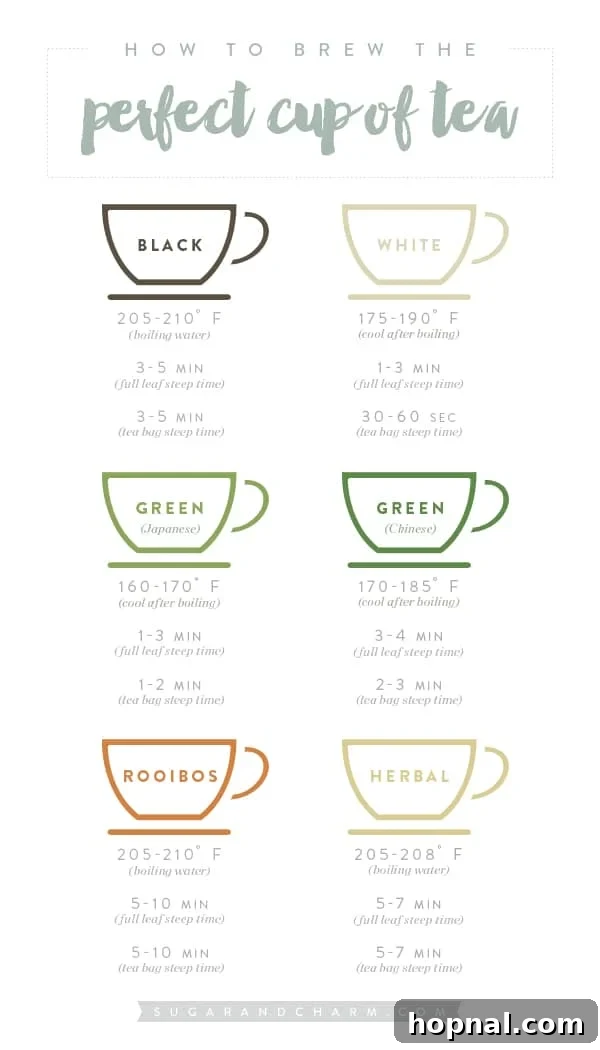
Just like mastering the art of coffee making, brewing the perfect cup of tea is a delicate craft. Each unique tea variety demands precise attention to detail, particularly concerning the water temperature and the duration for which the tea leaves steep in hot water. These seemingly small factors significantly impact the flavor, aroma, and overall enjoyment of your beverage.
To simplify this intricate process, we’ve developed a user-friendly guide detailing the optimal brewing parameters for each major tea group. This will serve as your essential reference for steeping your way to perfection every single time.
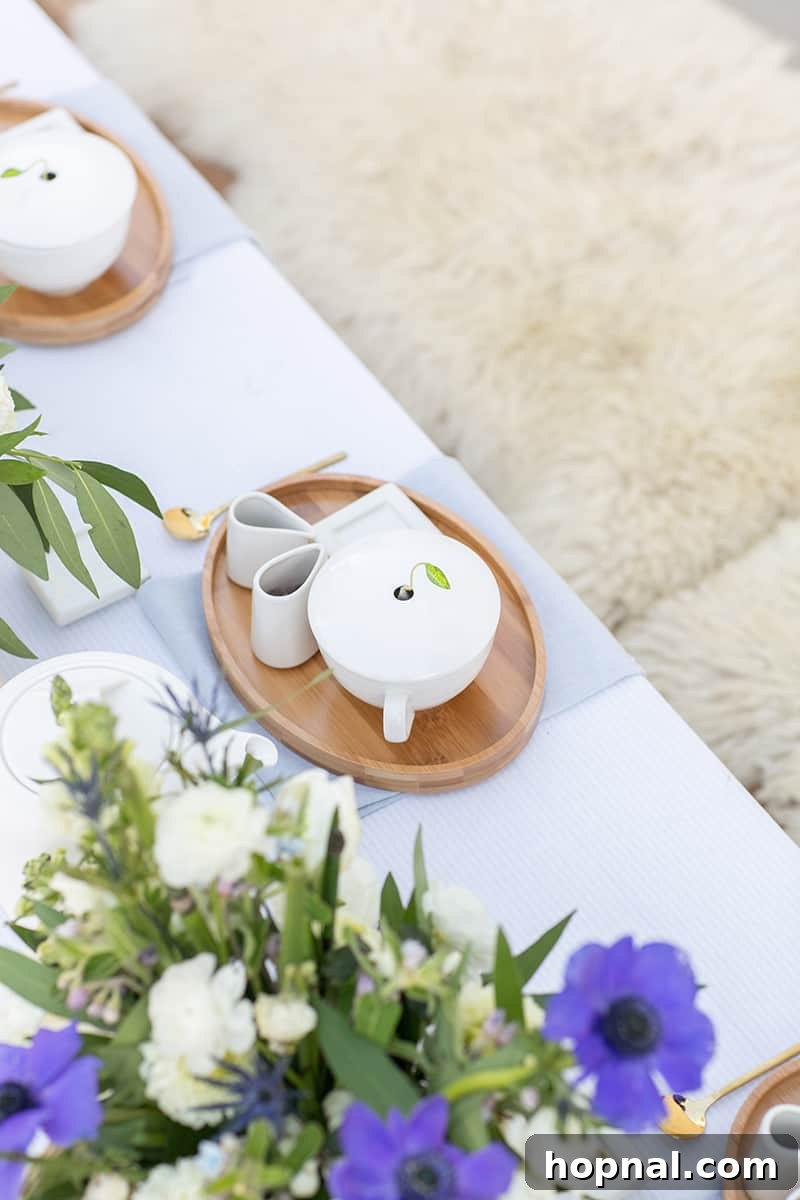
By following these expert tips, you’ll not only become a tea brewing master but also be perfectly equipped to host memorable events. Imagine hosting a charming tea party for friends or a heartwarming Mother’s Day tea party, impressing everyone with your flawlessly brewed creations.
Tea’s popularity is undeniable; it stands as the most widely consumed beverage globally, second only to water itself. Its universal appeal is evident in statistics: nearly 80 percent of U.S. households stock tea, and over 159 million Americans indulge in a cup every single day. If you’ve arrived here seeking the secrets to the perfect brew, these figures likely come as no surprise.
We cherish tea for countless reasons. It’s a versatile companion, enjoyable at any time of day or night, served hot or iced, and available in an incredible array of flavors to suit every palate. This widespread affection contributes to an astounding annual consumption of approximately 3.8 billion gallons!
For the truly dedicated tea enthusiast, cultivating your own tea garden offers another delightful dimension to your tea journey, providing fresh, homegrown ingredients for your daily brew.
How Do You Properly Brew Tea? Unlocking the Fundamentals
Brewing a superior cup of tea hinges on three fundamental elements: the right equipment, high-quality filtered water, and your chosen tea leaves. Whether you prefer to brew directly in your favorite teacup, use a French press, or opt for a traditional teapot, understanding the nuances of the process is key.
Crucially, each type of tea demands a specific steeping duration. We will delve into the appropriate times for various teas in the upcoming sections. Similarly, the optimal water temperature for brewing varies significantly with the tea type. Some varieties thrive in vigorously boiling water, while others require a gentler heat to unlock their delicate flavors without damage.
But what exactly does it mean to “brew” tea? Essentially, brewing is the comprehensive act of preparing tea, while “steeping” refers to the specific process within brewing where the tea leaves infuse their flavor into hot water. Thus, steeping and brewing are inextricably linked, working hand-in-hand to create your beverage.
When working with loose leaf tea, employing a leaf-containing device such as a tea infuser, mesh basket, or tea ball is essential to prevent stray leaves from mixing with your liquid. Carefully pour the hot water over the loose tea leaves held within their filter or basket. Allow them to steep for the recommended time before gently removing the infuser. This method ensures that the leaves release their full spectrum of flavor and aroma without becoming over-extracted or “burnt.”
If you’re brewing with a convenient teabag, the need for a separate leaf container is eliminated. For teas that require boiling water, the best practice is to bring the water to a full boil and immediately pour it over your teabag or infuser. Alternatively, you can place the teabag directly into the boiling water. However, a crucial tip: avoid over-boiling the water. As soon as it reaches a rolling boil, begin the brewing process (unless specific tea instructions suggest otherwise).
Once your tea has steeped for the appropriate time, promptly remove and dispose of the teabag or leaves. It’s generally advisable not to squeeze any additional liquid from the teabag or infuser. The residual liquid often contains a higher concentration of tannins, which can introduce bitter, astringent, and potentially undesirable characteristics to your otherwise perfect cup.
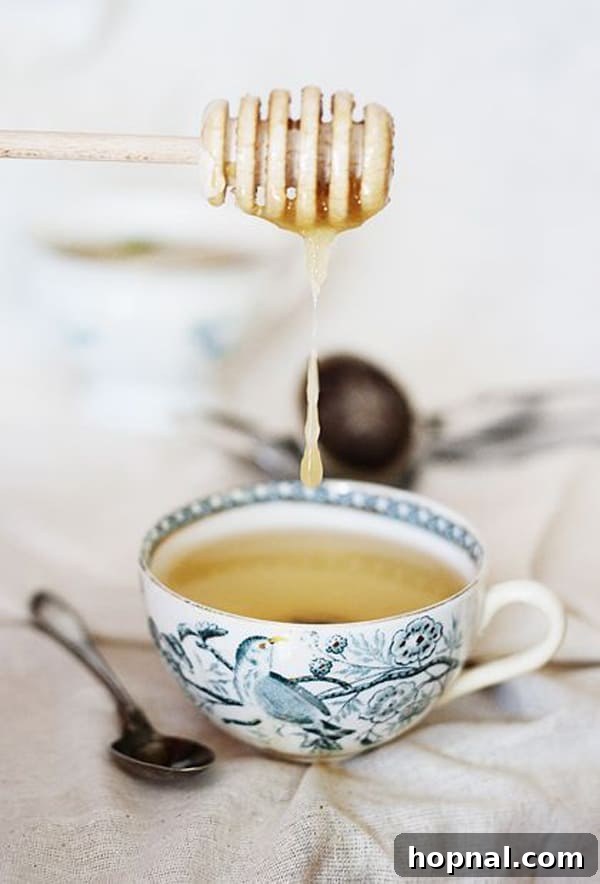
After brewing, your tea is ready to be savored as-is. Many tea aficionados, however, enjoy customizing their drink with additions such as a slice of lemon, a drizzle of syrup, a splash of vanilla, a dollop of cream, or a spoonful of honey. The final touches to your tea are entirely up to your personal preference!
Tea Brewing Temperatures: The Science of Flavor
The temperature of your water exerts a profound and significant effect on the brewing of a truly perfect cup of tea. It demands precision, often down to a few degrees. But why is this level of accuracy so critical?
Tea leaves are rich reservoirs of complex ingredients, including delicate amino acids, aromatic flavor compounds, powerful tannins, stimulating caffeine, and numerous other beneficial elements. For these components to properly dissolve and release their full taste and smell into your brew, they must be introduced to the correct water temperature for the appropriate duration.
Employing too much heat, particularly with delicate teas, can lead to the rapid dissolution of tannins, resulting in an overly bitter or astringent flavor profile and potentially altering the tea’s natural aroma. Conversely, too little heat will prevent these essential compounds from fully extracting, yielding a weak, underdeveloped, and ultimately tasteless beverage.
The precise optimal temperature varies considerably from one tea type to another. For instance, green tea, which is minimally oxidized, should never be subjected to boiling water. The intense heat can effectively “scorch” the delicate leaves, producing unpleasant off-flavors. Black tea, however, with its fully oxidized leaves, is much more robust and can withstand, and often benefits from, water at a rolling boil.
With these crucial principles in mind, let’s explore the ideal temperatures and steeping times for various popular teas.
Black Tea: Bold Flavors, High Heat
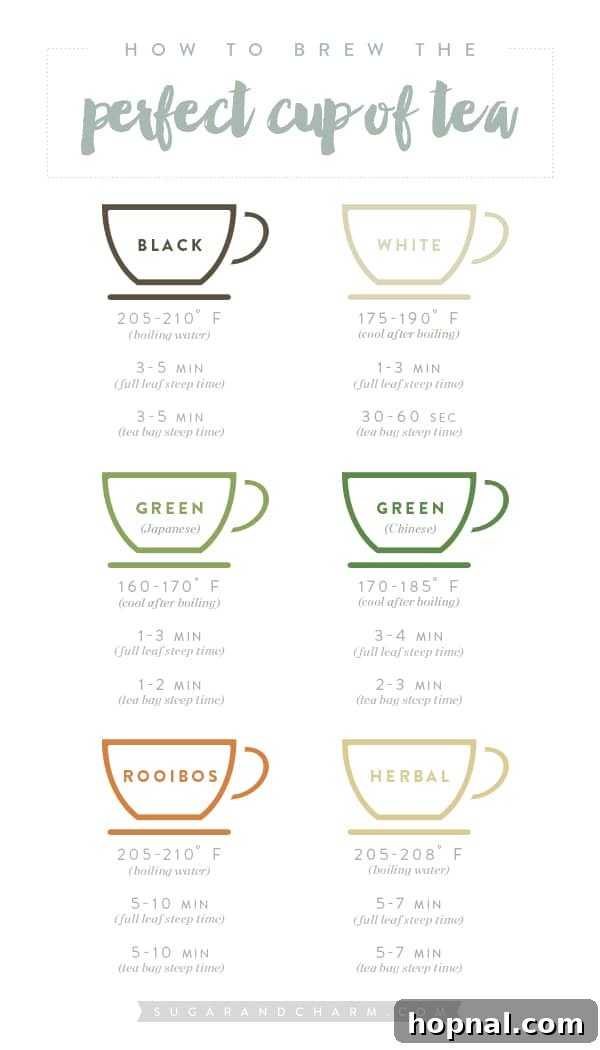
Black tea, known for its robust and full-bodied character, thrives with high heat. It requires vigorously boiling water, ideally between 205-210°F (96-99°C). For both full leaves and tea bags, allow them to steep for 3-5 minutes. This duration ensures a rich extraction of its deep flavors and stimulating caffeine content.
White Tea: Delicate & Subtly Sweet
White tea, the least processed of all true teas, is delicate and brimming with subtle flavors. It should be brewed with water that’s just below boiling, around 175-190°F (79-88°C). For full leaves, a steeping time of 1-3 minutes is usually sufficient. If using white tea bags, shorten the steeping time to approximately 30-60 seconds to avoid bitterness and preserve its gentle essence.
Green Tea (Japanese and Chinese): A Spectrum of Green
Green tea, celebrated for its fresh, vibrant, and often grassy notes, is particularly sensitive to water temperature. Overheating can quickly lead to a bitter taste.
For Chinese green tea, steep your tea in water around 185°F (85°C) for about 3-4 minutes.
For Japanese green tea, which often has a more vegetal or oceanic profile, a slightly cooler temperature is preferred. Steep it for about 1-2 minutes in water around 160°F (70°C). Adhering to these temperatures will skillfully draw out the ideal, nuanced flavors characteristic of each green tea variety.
Oolong Tea: The Semi-Oxidized Marvel
Oolong tea occupies a fascinating middle ground between green and black teas, being semi-oxidized. Its flavor profile can range from light and floral to rich and toasty, depending on its oxidation level. For most oolongs, water temperatures between 190-200°F (88-93°C) are ideal. Steep for 2-4 minutes, adjusting based on the specific oolong and your desired strength. Many oolongs are also excellent for multiple infusions, revealing new layers of flavor with each re-steep.
Rooibos Tea: Naturally Caffeine-Free
Rooibos tea, an herbal infusion from South Africa, is naturally caffeine-free and boasts a sweet, earthy flavor. It is quite forgiving and benefits from high temperatures to extract its full character. Rooibos should be made with boiling water, approximately 205-210°F (96-99°C). For both full leaves (needle-like) or tea bags, a longer steeping time of 5-10 minutes is recommended, allowing its deep red color and rich taste to fully develop.
Herbal Tea: Diverse Infusions
Herbal teas, or tisanes, encompass a vast range of infusions made from fruits, flowers, roots, and spices. Due to their diverse compositions, most herbal teas benefit from high heat to thoroughly extract their essences. Herbal tea generally requires boiling water at a temperature of 205-208°F (96-98°C). For full leaves, petals, or tea bags, steep for a generous 5-7 minutes. This extended steeping ensures maximum flavor and potential health benefits from ingredients like mint, chamomile, or ginger.
Beyond drinking, you can also use tea garden herbs in recipes in a few different ways, adding unique flavors to your culinary creations.
The Healthiest Teas: A Journey into Wellness
One of the most compelling reasons for tea’s enduring popularity is its impressive array of health benefits. To truly appreciate the health profiles of different teas, it’s helpful to understand their origins.
Green, black, oolong, and white teas (but not herbal teas) all originate from the leaves of the same plant: Camellia sinensis. What differentiates them, and thus influences their health properties, is the unique way each tea is processed or harvested. This processing determines the level of oxidation and, consequently, the concentration of various beneficial compounds.
Among all true teas, white tea stands out as the least processed. Its leaves are minimally handled, often simply withered and dried. This gentle processing preserves a higher concentration of powerful antioxidants, making white tea widely considered the healthiest tea of all.
However, white tea is not alone in its health-promoting properties. Many other true teas are exceptionally healthy. Green tea, with its gentle steaming or pan-firing process, follows closely in antioxidant content. Black tea, being fully oxidized, offers a different, yet still significant, range of health benefits.
Teas are lauded for their health advantages for a multitude of reasons, including:
- Zero Calories: Without additives like sugar or cream, teas are naturally calorie-free, making them an excellent choice for hydration and weight management.
- Cognitive Boost: They promote mental focus, enhance concentration, and can contribute to an improved mood, thanks to compounds like L-theanine working synergistically with caffeine.
- Cardiovascular Health: Regular consumption of three or more cups of tea daily is associated with improved cardiovascular health, helping to support a healthy heart.
- Blood Pressure Support: Black tea, in particular, has been linked to supporting healthy blood pressure levels and promoting optimal blood vessel function.
- Rich in Antioxidants: All true teas are abundant in antioxidants, which combat free radicals in the body, potentially reducing the risk of chronic diseases and promoting overall well-being.
- Overall Wellness: When consumed in moderation, all varieties of tea are considered highly beneficial for general health and vitality.
Advanced Tips for Brewing the Perfect Cup of Tea
Beyond the basics of temperature and time, several other factors can significantly enhance your tea brewing prowess. Consider these expert tips to consistently achieve an exquisite cup:
- Choose High-Quality Tea Leaves: This is arguably the most crucial factor. The quality of your tea leaves dictates the potential for a great cup. Invest in fresh, loose leaf teas from reputable sources. Experiment with different varieties and grades to discover your personal favorites.
- Always Use Fresh, Cold, Filtered Water: The type of water you use profoundly impacts the final taste of your tea. Tap water can contain impurities, chlorine, or minerals that distort delicate flavors. Whenever possible, use filtered, spring, or purified water that is fresh and cold, not pre-boiled.
- Measure Tea Accurately: A general guideline is one teaspoon of loose leaf tea (or one tea bag) per 6-8 ounces (approx. 180-240 ml) of water. However, this is merely a starting point. Adjust the quantity to your personal taste preference and the specific tea you are brewing – some teas are naturally stronger or milder.
- Preheat Your Teaware: For optimal heat retention, especially during colder months, preheating your teapot or teacup with a swirl of hot water before brewing can make a noticeable difference. This prevents the brewing water from cooling too rapidly when it comes into contact with cold ceramic.
- Steep for the Recommended Time (and Taste!): While general guidelines exist (typically 3-5 minutes for most teas), treat them as suggestions. Taste your tea after the minimum recommended time. If you prefer a stronger brew, steep for a little longer, but be mindful of potential bitterness. Experimentation is key to finding your ideal brewing time.
- Avoid Squeezing Tea Bags/Infusers: As mentioned earlier, squeezing steeped tea bags or infusers can release excess tannins and bitter compounds, leading to an undesirable, astringent taste. Let the tea drain naturally.
- Store Tea Properly: Keep your tea leaves in airtight, opaque containers away from light, heat, moisture, and strong odors. This preserves their freshness, flavor, and beneficial properties for longer.
- Enjoy Mindfully: Once brewed, take a moment to appreciate the aroma before sipping. Add a touch of honey, milk, or lemon if you like, but always aim to enjoy the natural, complex flavors of the tea itself. Don’t overdo the additions.
Now You Know How to Prepare a Perfect Cup of Tea: It’s Tea Time!
Tea is a truly versatile and globally-adored beverage, cherished for its adaptability and incredible range of flavors. With the knowledge you’ve gained today, you are now equipped with the essential tools to prepare an exceptional cup of tea.
Don’t hesitate—go try out your newfound skills! If your first attempt isn’t absolutely perfect, remember that tea brewing is as much an art as it is a science. Keep experimenting with different water temperatures, steeping times, and tea quantities until you consistently achieve the most delicious and satisfying beverage. Every perfect cup is a journey of discovery!
Tea Recipes and Ideas You’ll Love!
Extend your love for tea beyond the cup with these delightful recipes and creative ideas:
How to Create a Tea Garden: Grow your own herbs and tea plants for the freshest infusions.
The Perfect Beach Bellini Tea Cocktail: A refreshing, tea-infused twist on a classic cocktail.
Green Tea Irish Whiskey Punch: A vibrant and spirited beverage perfect for gatherings.
Peach Tea and Rum Cocktail: A sweet and summery blend of fruit, tea, and rum.
Earl Grey Tea Cocktail: Sophisticated and aromatic, ideal for evening enjoyment.
Sweet Tea and Bourbon: A comforting southern classic with a spirited kick.
We love these blooming teas!: Experience the visual delight of flowering teas as they unfurl.
For even more fun, tasty drink recipes, scroll through the drink section of our page. We delve into everything from crafting fancy gin and tonics to creating the perfect simple syrup. Let us know how your tea journey unfolds!
You can also FOLLOW US on FACEBOOK, INSTAGRAM, and PINTEREST to discover more delicious recipes, innovative cocktails, delightful desserts, and inspiring party ideas!