
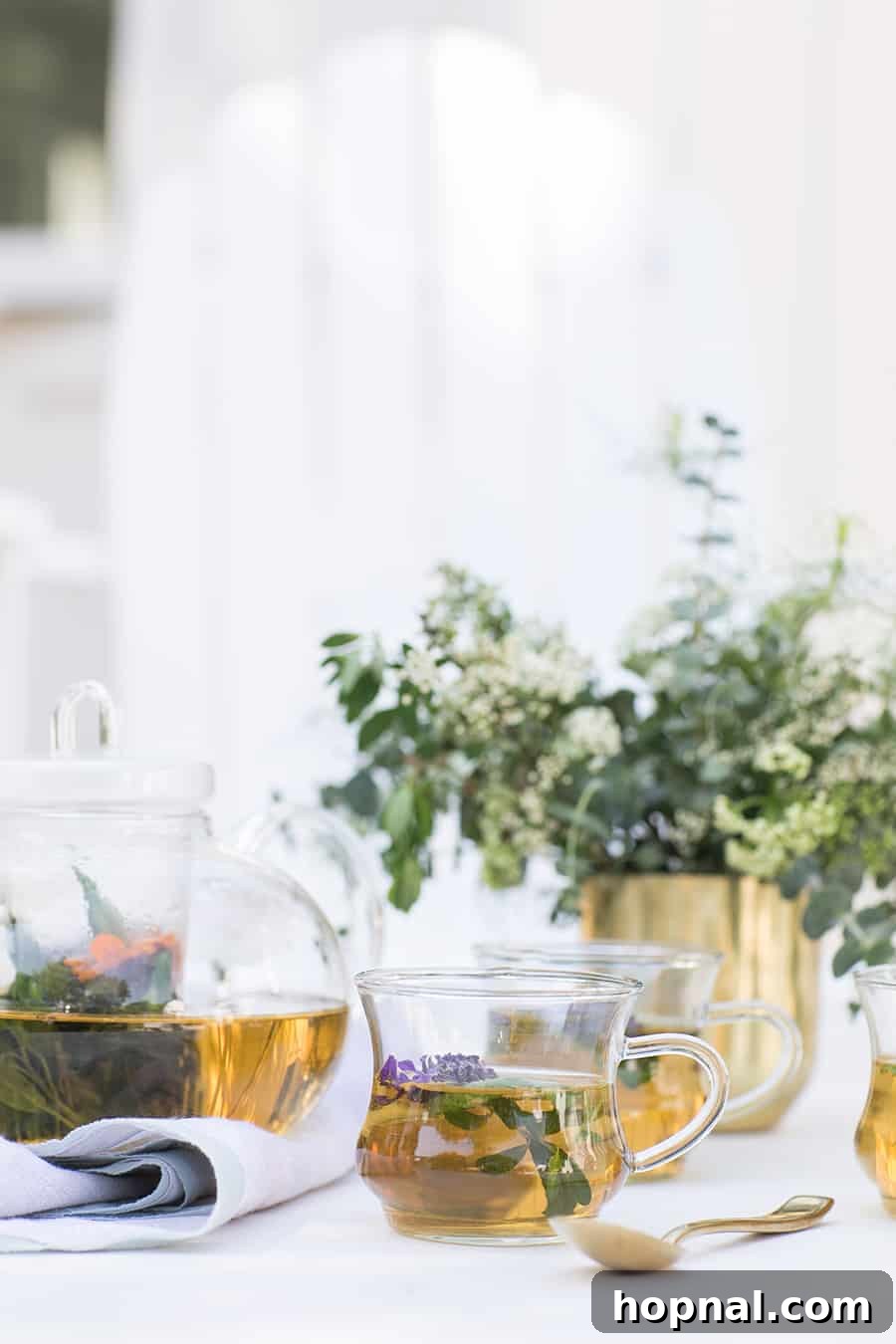
Welcome back to exploring the wonderful world of your very own tea garden! We previously shared some charming ideas on how to create a flourishing tea garden, and now it’s time to reap the delicious and aromatic rewards of your diligent efforts. The true magic of cultivating a tea garden lies not just in its aesthetic beauty and soothing ambiance, but in the endless culinary and therapeutic possibilities it offers right at your fingertips. From invigorating beverages that awaken your senses to delightful sweet treats that indulge your palate, fresh herbs can elevate your everyday experiences in countless ways.
The versatility of herbs harvested directly from your garden is truly remarkable. Beyond their captivating aroma and vibrant visual appeal, these natural treasures can be transformed into incredibly flavorful, wholesome, and often health-benefiting creations. Instead of relying on store-bought ingredients, you can enjoy the pure, unadulterated essence of nature in your kitchen. In this comprehensive guide, we’ll delve into three fantastic and easy ways to utilize your garden’s bounty: crafting a comforting and fragrant hot herbal tea, preparing a revitalizing and smooth cold brew tea, and indulging in rich, decadent dark chocolate lavender truffles. Get ready to awaken your senses, explore new flavors, and make the absolute most of your homegrown goodness!
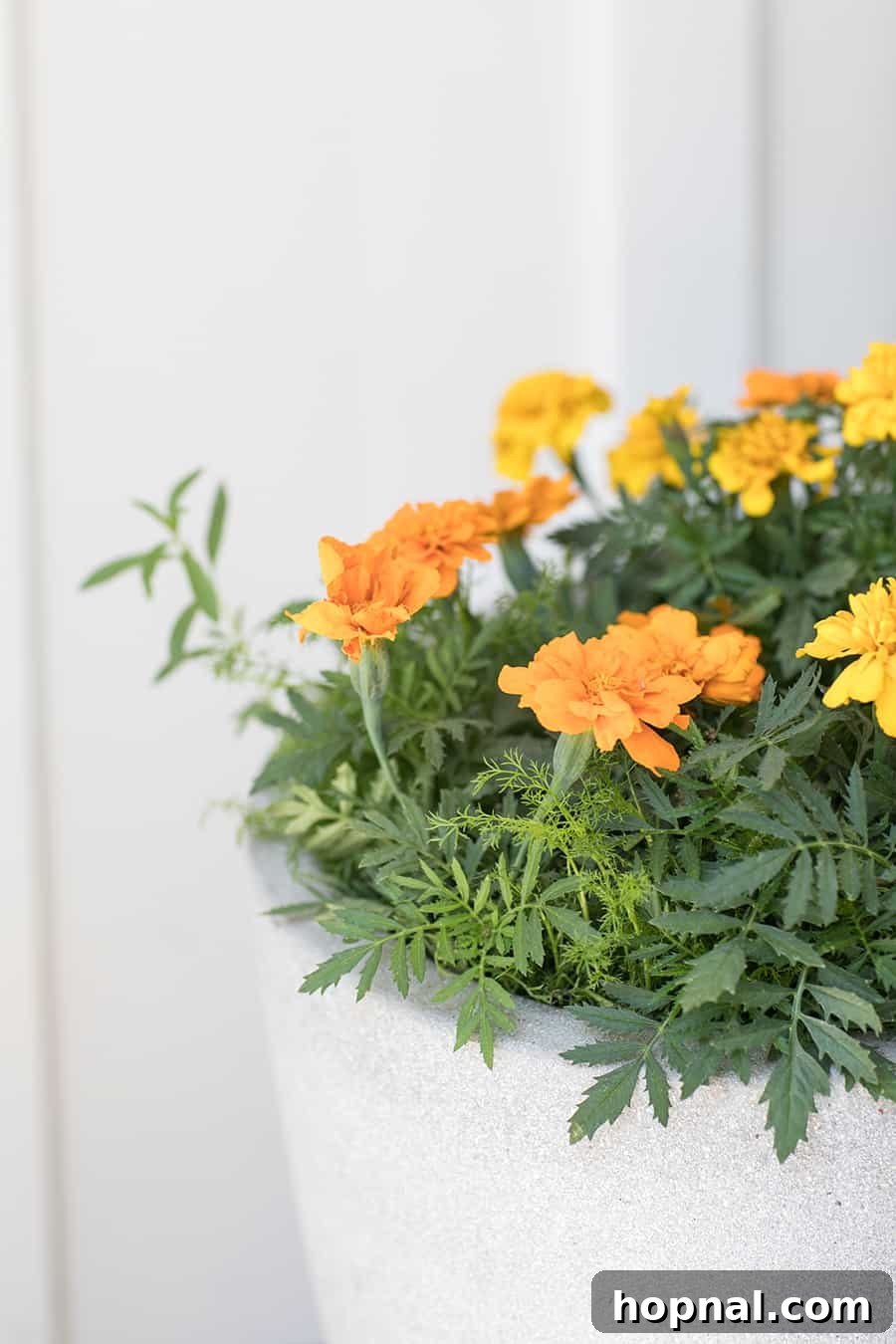
Crafting a Soothing Hot Tea from Fresh Garden Herbs
There’s an unparalleled joy and comfort in sipping a warm cup of tea made with herbs you’ve lovingly grown yourself. To ensure the freshest and most flavorful brew, the timing and method of your harvest are absolutely key. We highly recommend picking your selected tea herbs earlier in the day, ideally in the late morning. This period is perfect because the morning dew has already evaporated, preventing excess moisture, but the intense midday sun hasn’t yet had a chance to potentially stress the plants and concentrate bitter compounds within the leaves. This simple step can significantly impact the nuanced flavor profile of your final herbal infusion.
Once harvested, it’s crucial to prepare your herbs properly for brewing. Gently trim off any tough, woody stems or wilted leaves, focusing only on the tender, vibrant leaves and blossoms. Then, wash them thoroughly and gently under cool, running water to remove any lingering soil, dust, or tiny garden insects. Place the impeccably clean herbs into your teapot. For convenience and a smooth drinking experience, we suggest using a pot equipped with an infuser basket or a fine-mesh filter. This clever design will efficiently contain the herb leaves and prevent them from scattering into your cup, ensuring every sip is pure and delightful.
For the brewing process itself, begin by bringing fresh, filtered water to a rolling boil. The quality of your water can profoundly affect the taste of your tea, so opting for good quality, filtered water is always a wise choice to truly let the herbal flavors shine. Once the water reaches a vigorous boil, immediately pour the hot water over your prepared fresh herbs in the teapot. The intense heat will swiftly help to release the delicate essential oils, aromatic compounds, and vibrant flavors locked within the plant material. The steeping time is a crucial element and can vary depending on the specific herbs used, their freshness, and your desired strength. Generally, 5 to 10 minutes is an excellent starting point for most fresh herbal teas. For a stronger, more robust infusion, you can allow it to steep a little longer, but do be mindful of the potential for bitterness with certain herbs if over-steeped.
After the desired steeping time, carefully remove the infuser or strain the tea to meticulously separate the liquid from the spent herbs. Your freshly brewed hot herbal tea is now ready to be served! Consider adding a touch of natural sweetness with local honey, a squeeze of fresh lemon for a bright citrusy note, or even a cinnamon stick for an extra layer of warmth, if desired. Embrace the comforting warmth and the vibrant, natural flavors that only fresh herbs from your garden can provide. This simple, mindful ritual not only delivers a wonderfully satisfying taste but also offers a precious moment of tranquility and a profound connection to the natural bounty you’ve cultivated.
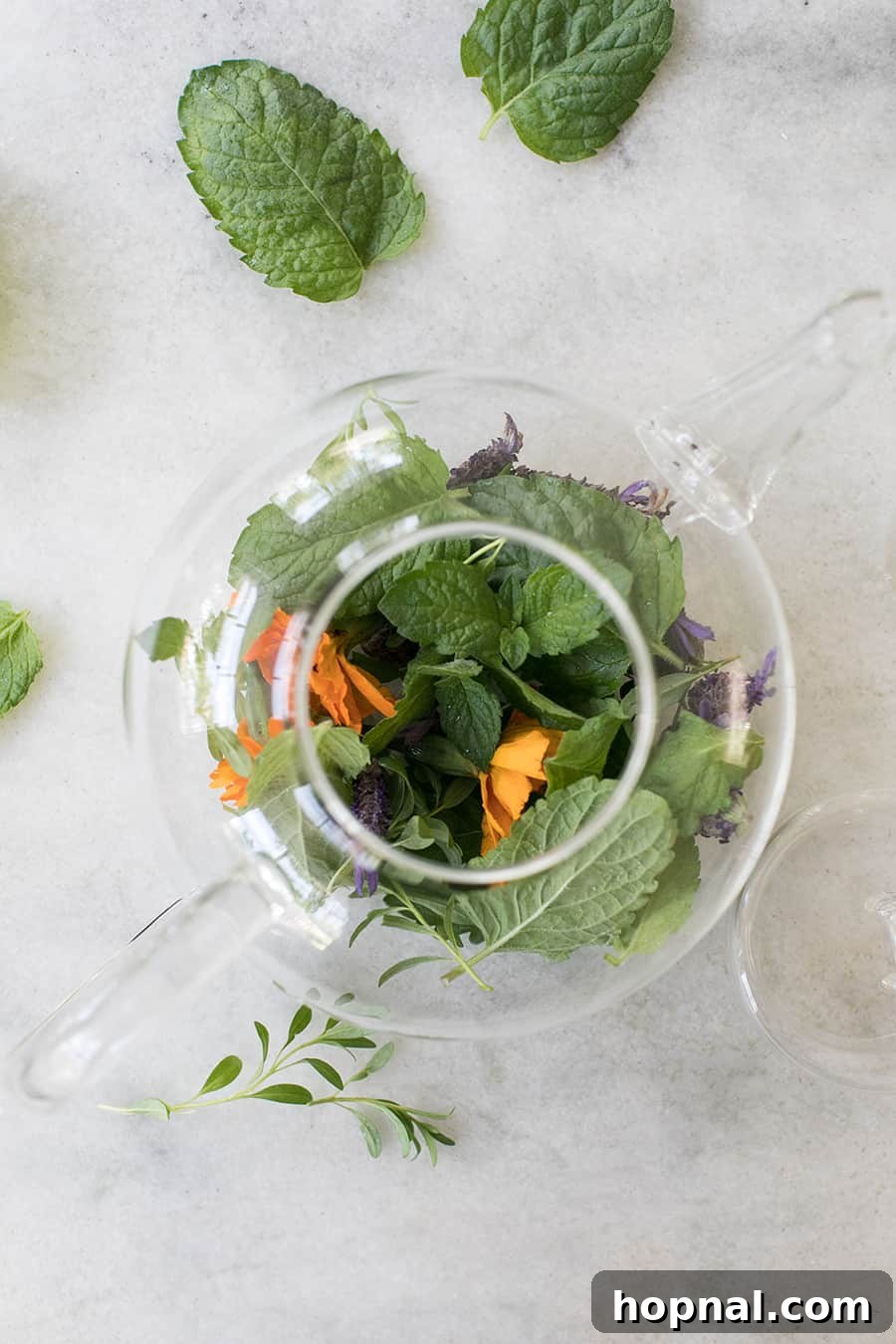
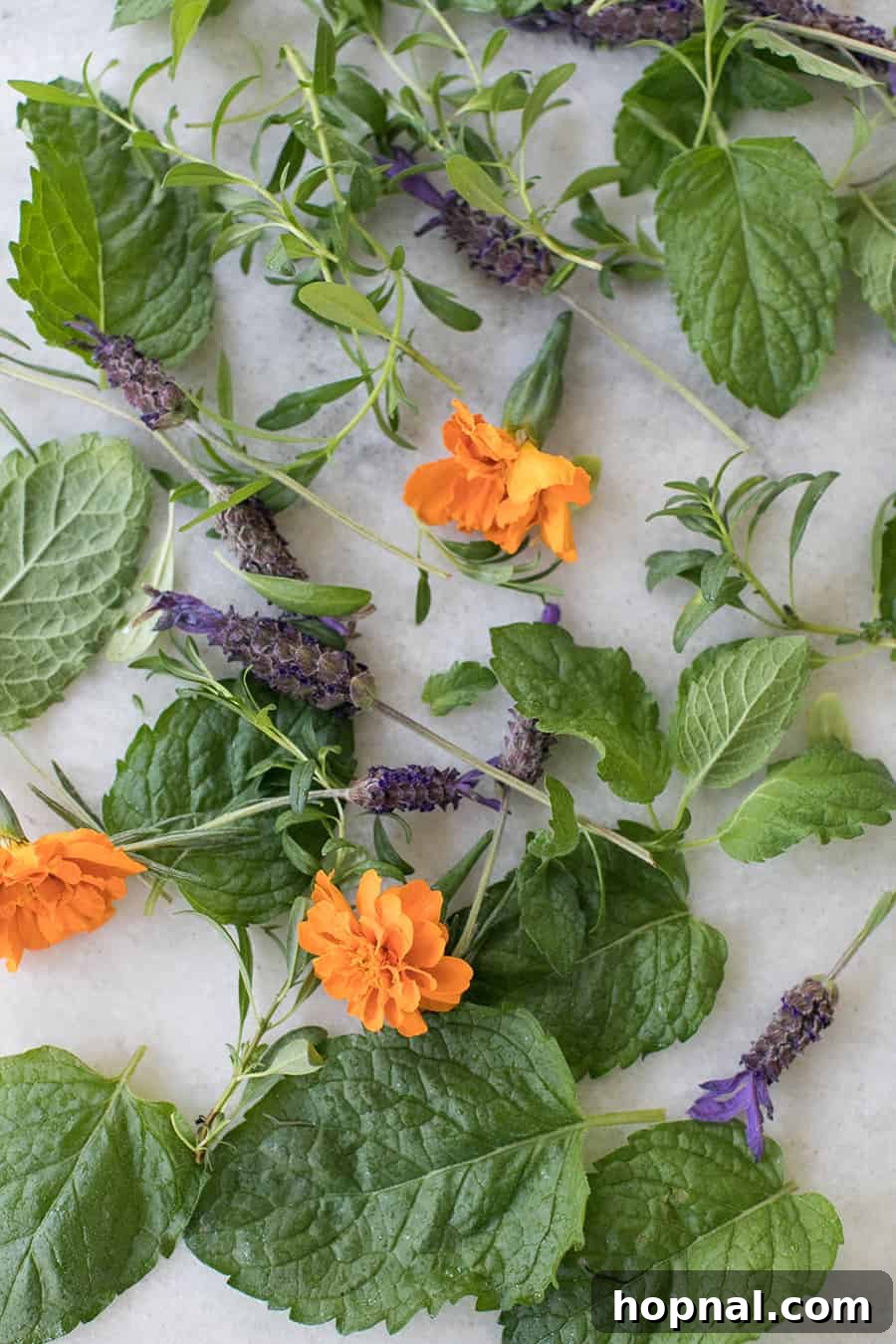
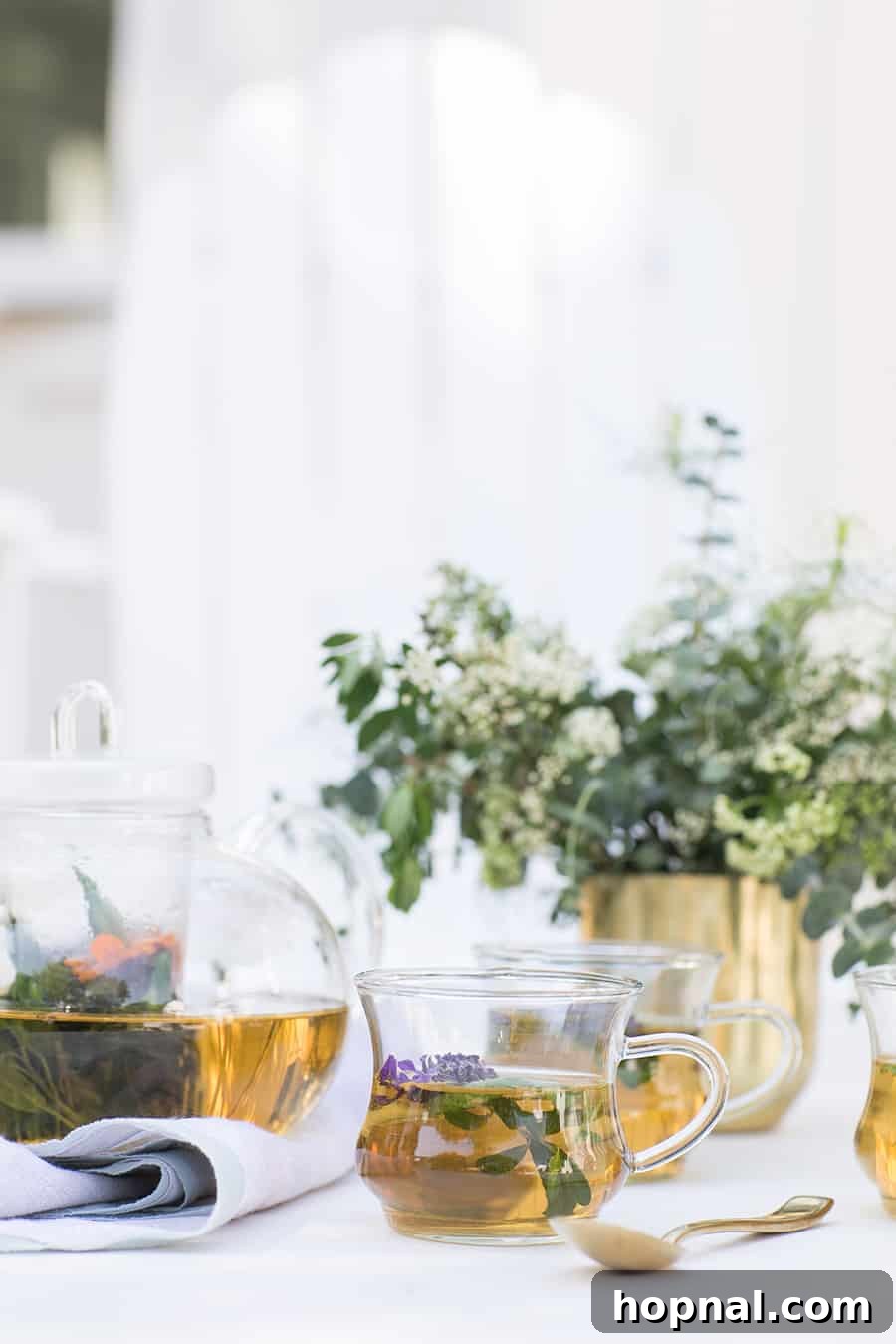
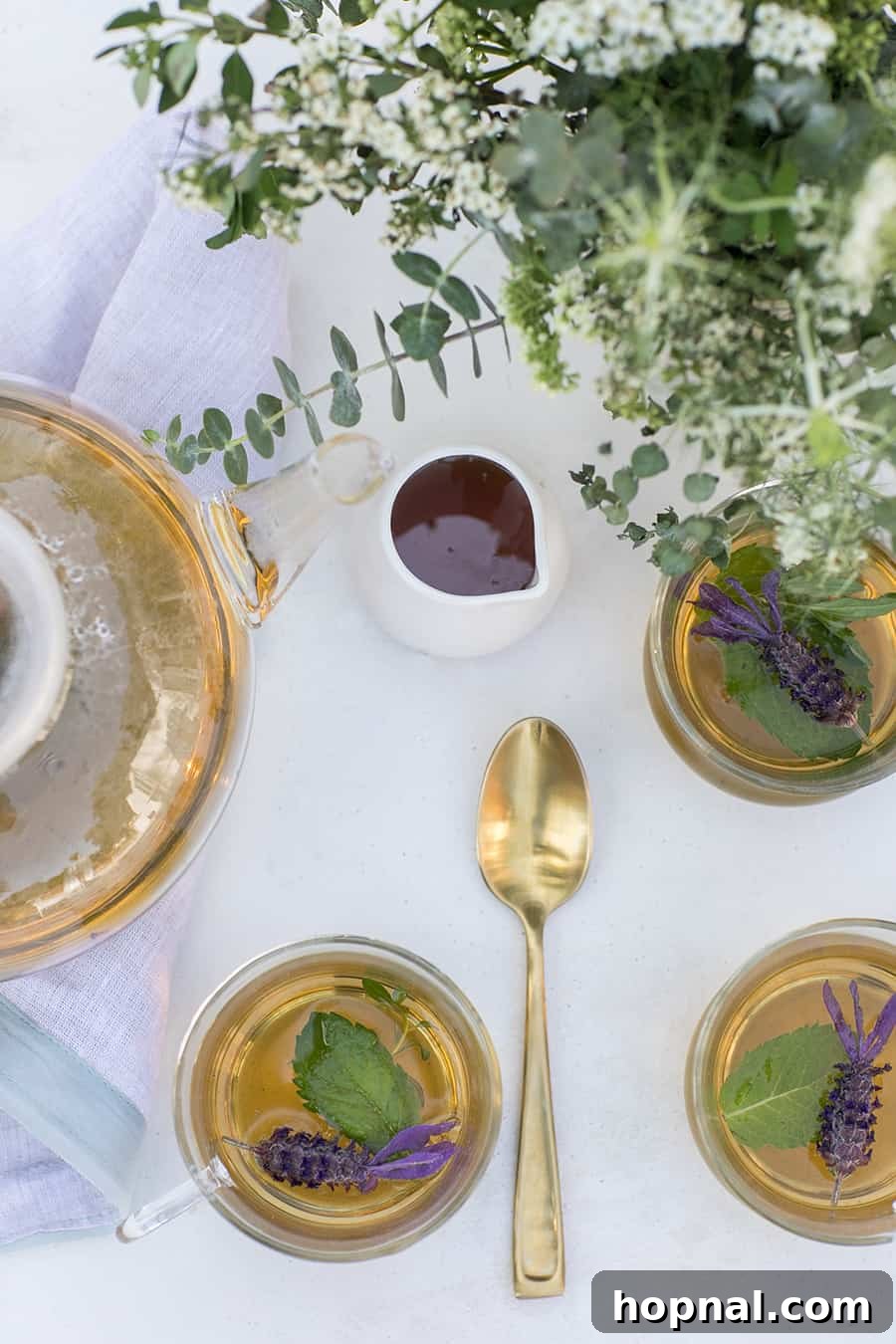
For our truly delightful hot brew, we meticulously selected a harmonious and aromatic blend of Hyssop, fragrant lavender, bright marigold petals, and invigorating mint. This thoughtful combination yielded a tea that was incredibly fresh, wonderfully aromatic, and surprisingly complex in its flavor profile. The earthy, slightly camphoraceous notes of Hyssop provided a grounding and intriguing base, while the lavender offered a delicate floral sweetness and a renowned calming aroma that soothes the senses. Marigold contributed a subtle, almost peppery zest and a beautiful golden hue to the infusion, perfectly complemented by the refreshing, cooling sensation of mint. This exquisite blend proved to be an exceptional pairing for the rich dark chocolate lavender truffles we prepared, creating a truly luxurious, well-rounded, and utterly memorable tasting experience. We encourage you to experiment with various herb combinations available in your own garden to discover your unique, perfect cup!
Invigorating Fresh Cold Brew Herbal Tea: A Refreshing Summer Treat
When the warmer months arrive and you crave a deeply refreshing beverage, an invigorating cold brew herbal tea made directly from your garden is an absolute delight. Unlike traditional hot brewing methods, which can sometimes extract more bitter compounds from certain herbs, cold brewing gently and slowly coaxes out the delicate flavors. This results in a remarkably smoother, naturally sweeter, and significantly less acidic beverage. It’s a fantastic and elegant way to savor the subtle nuances and complex aromas of your fresh herbs without the need for boiling water, making it perfect for a leisurely afternoon or a sunny morning.
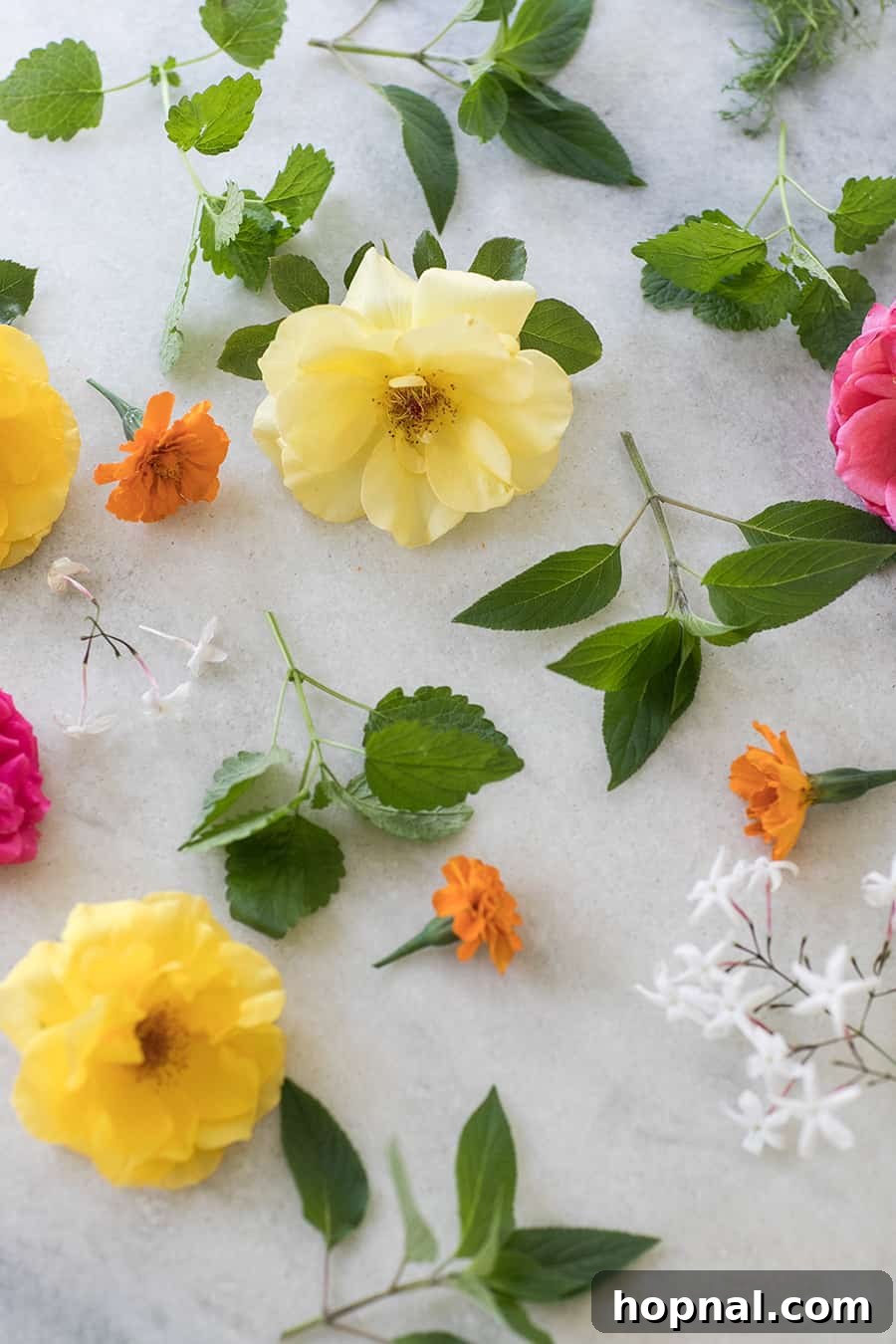
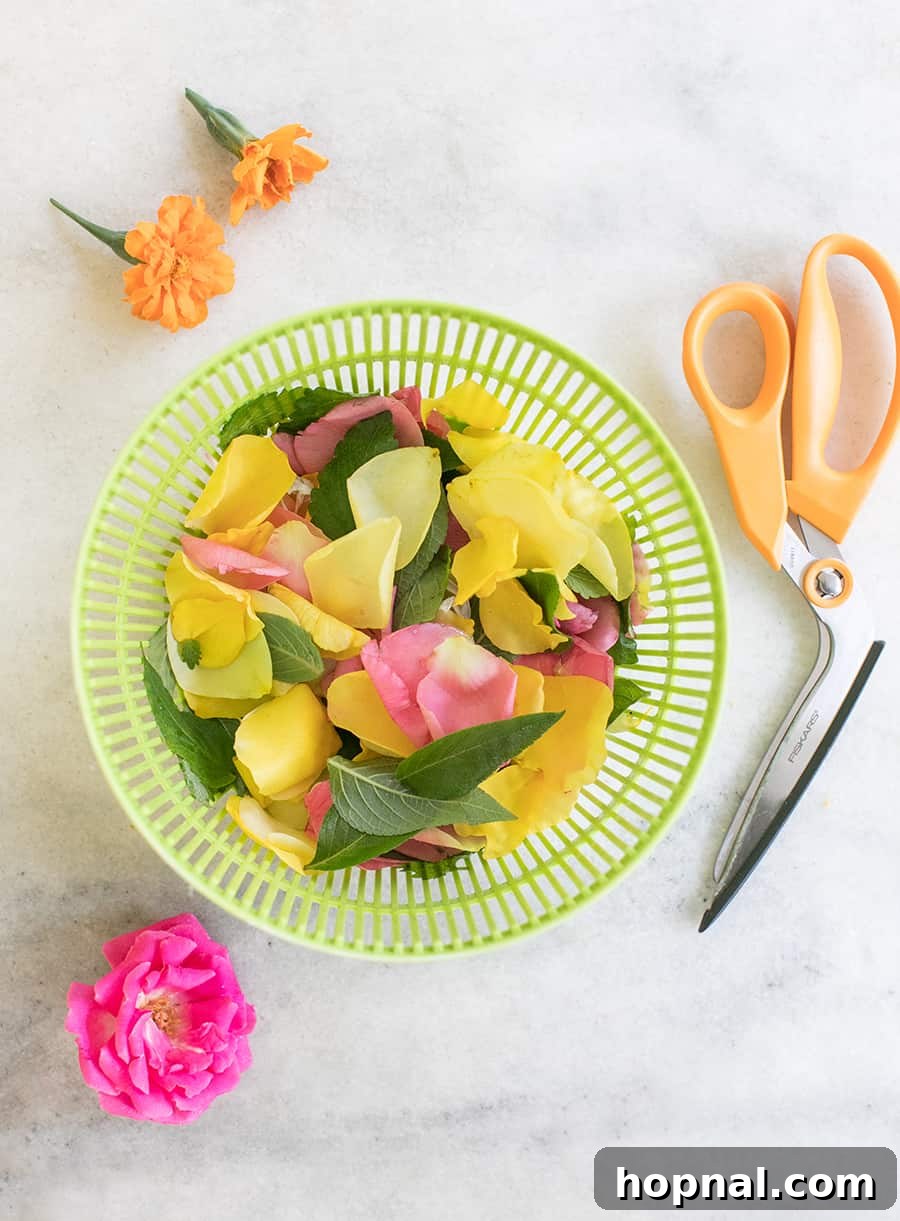
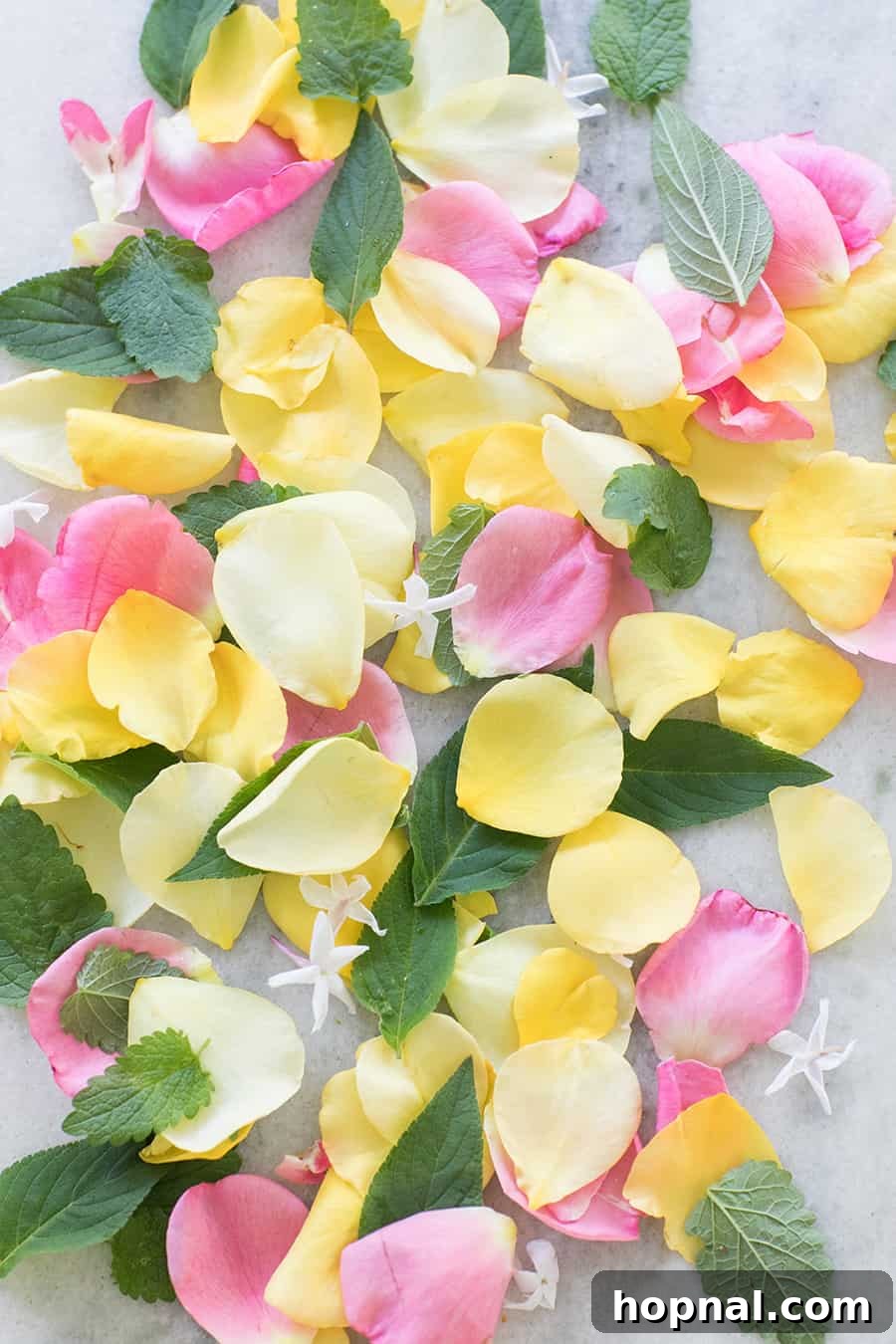
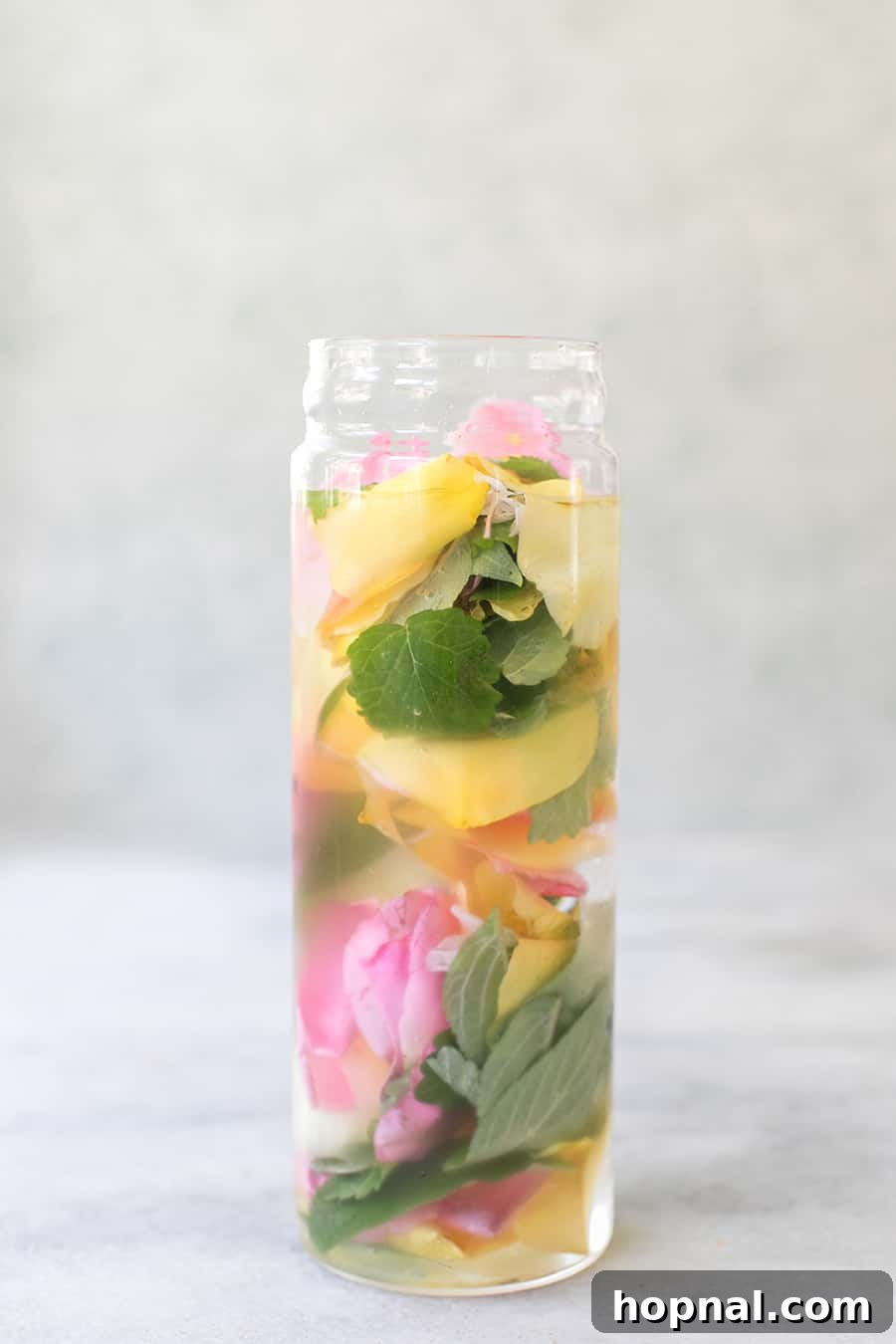
To craft your exquisite fresh cold brew, you will need a clean bottle, jar, or pitcher, preferably one designed with an infuser or a fine-mesh filter. Specialized cold brew makers or even a French press can also work wonderfully, ensuring your final brew is free of any lingering plant material. Begin by thoughtfully selecting your herbs and edible flowers. For this particular cold brew, we chose a vibrant and aromatic mix of fresh rose petals, the uniquely aromatic pineapple sage, and the wonderfully soothing lemon balm. Each of these ingredients contributes distinct characteristics: the rose petals impart a delicate floral scent and a subtle, romantic sweetness; pineapple sage adds an exotic, fruity aroma reminiscent of its namesake; and lemon balm provides a bright, cheerful, citrusy freshness known for its calming properties.
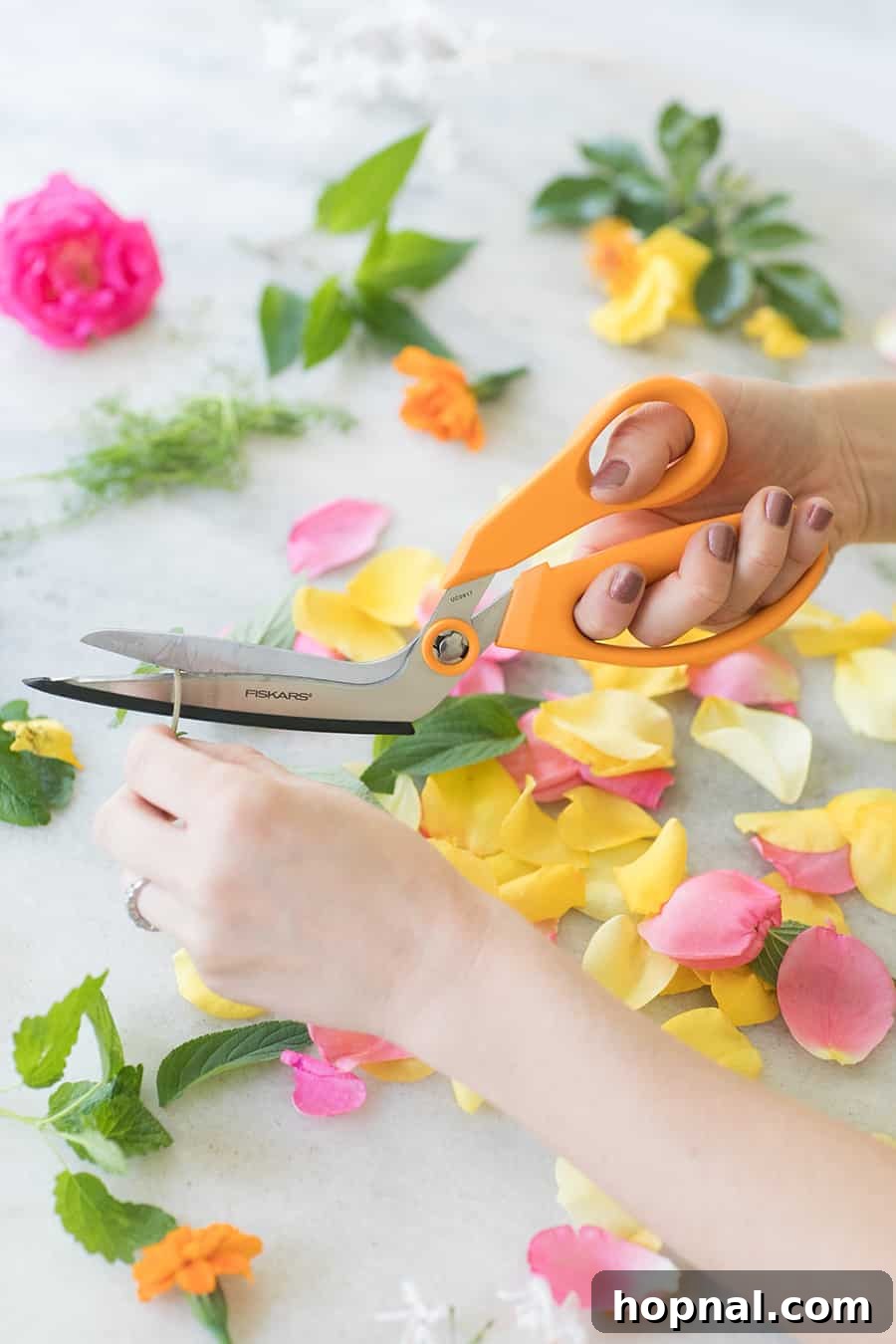
Thoroughly wash approximately one cup of your chosen fresh flowers and herbs under cool water to ensure they are pristine. For herbs like pineapple sage and lemon balm, gently bruise the leaves a little before adding them to your container; this simple action helps to break down cell walls and more efficiently release their precious essential oils and deep flavors into the water. Place all the prepared herbs and flowers into your bottle or pitcher. Next, pour cool or slightly warm (but definitely not hot!) water over the herbs until they are fully submerged. Using water that is slightly warm initially can actually help to “wake up” the herbs and encourage a more efficient initial flavor extraction, compared to starting with completely cold water. The warmth is just enough to begin the infusion process without inadvertently cooking or diminishing the delicate flavors.
Once your herbs are submerged and the container is filled, seal it securely and refrigerate. The ideal cold brewing time can elegantly vary from 4 to 12 hours, depending significantly on the strength you prefer and the specific types of herbs you are utilizing. Delicate floral herbs like rose petals might be perfectly infused in as little as 4-6 hours, while stronger, leafier herbs such as sage could truly benefit from a longer steep, up to 12 hours, to develop their full character. It’s always best to taste-test periodically until the cold brew reaches your desired flavor profile. Once brewed to perfection, meticulously strain the cold brew to remove all plant material, ensuring a clear and delightful beverage. Pour your beautifully infused cold brew over plenty of ice, perhaps garnished with an extra fresh herb sprig, a slice of citrus, or even a few berries, and thoroughly enjoy this perfectly chilled, invigorating, and hydrating drink. It’s an excellent and delicious way to stay hydrated and savor the pure essence of your garden throughout the warmer months.

Decadent Dark Chocolate Lavender Truffles: A Sweet Treat from Your Garden
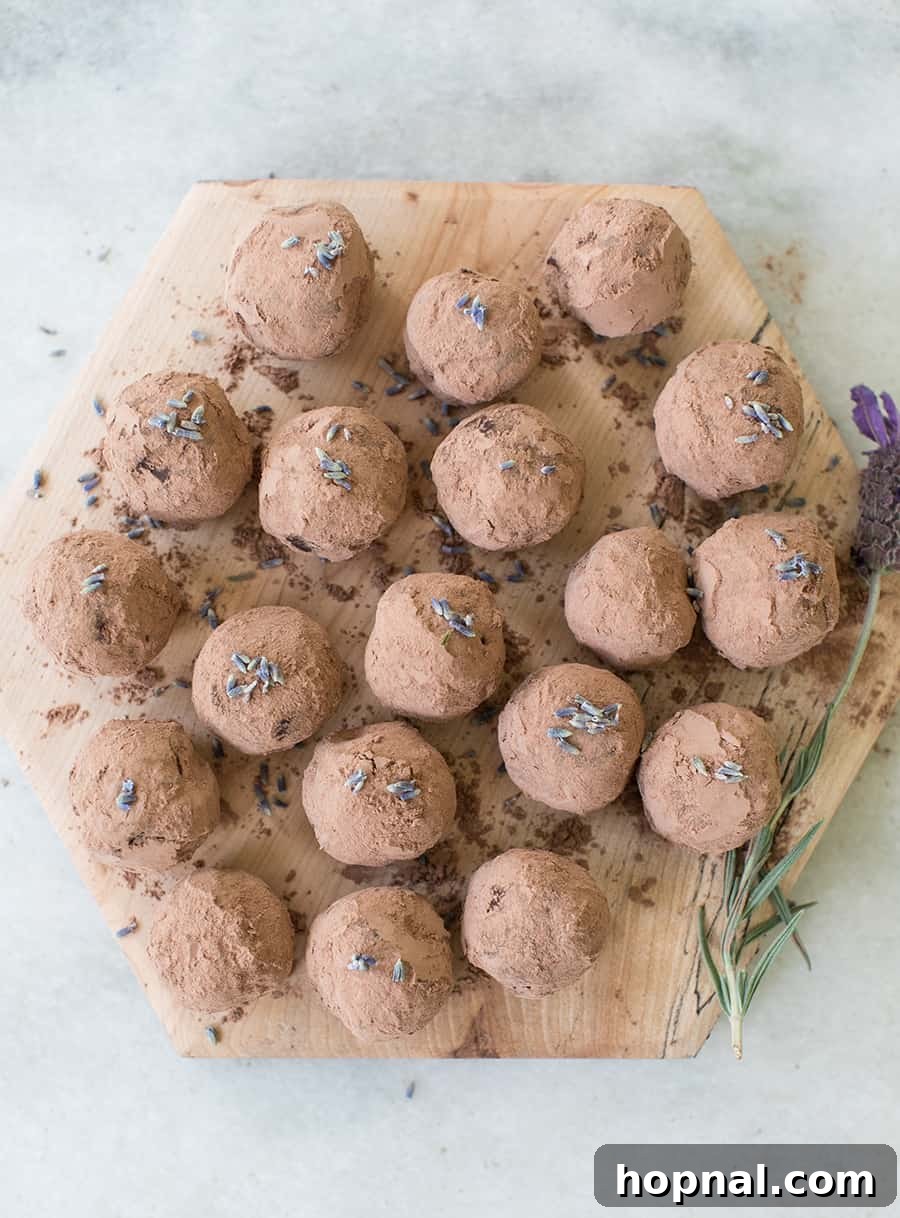
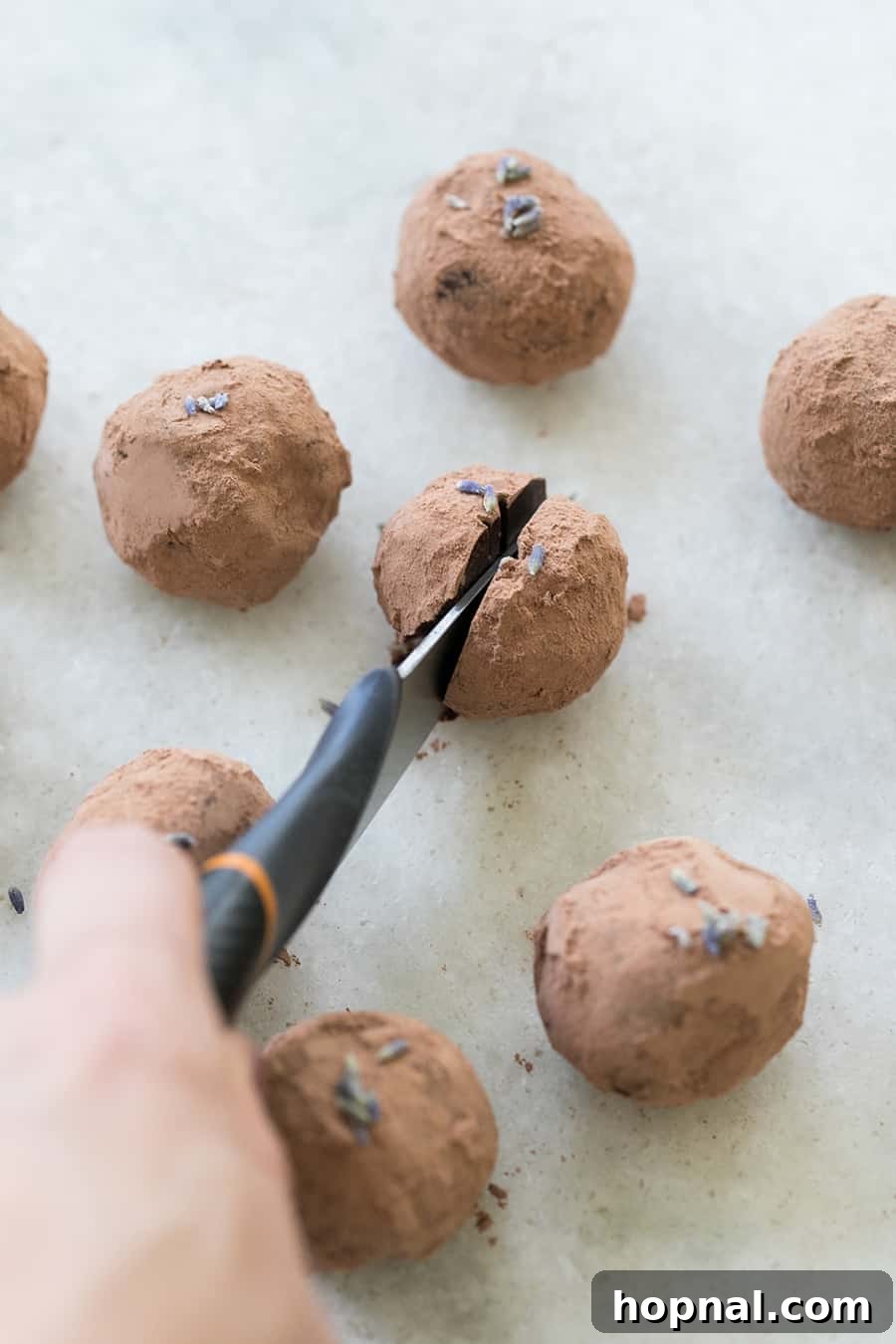
Elevate your tea time and delight your senses with these exquisite dark chocolate lavender truffles. These small, indulgent bites are incredibly rich, intensely flavorful, and sophisticated, offering a perfect balance of deep, luxurious chocolate and the delicate, aromatic, and subtly floral notes of fresh lavender. They’re not just a dessert; they’re an experience, especially when thoughtfully paired with a freshly brewed herbal tea from your very own garden, creating a harmonious symphony of flavors.
Crafting these divine truffles allows you to truly appreciate the incredible versatility of culinary lavender, moving beyond its well-known aromatic properties into the realm of gourmet sweets. We used fresh lavender, carefully harvested from our thriving tea garden, to infuse a luxurious ganache. The meticulous combination of high-quality dark chocolate (we opted for a blend of rich dark chocolate and semi-sweet chocolate for the perfect balance of intensity and approachability), a hint of robust espresso to deepen the chocolate’s complexity, a splash of fragrant orange liqueur to add a bright, complementary citrus note, and rich heavy cream creates an unparalleled depth of flavor and a remarkably silky-smooth texture. The espresso enhances the chocolate’s natural bitterness and brings out its hidden notes, while the orange liqueur provides a delightful lift that brightens the lavender’s floral essence, preventing it from becoming overpowering. These truffles are a testament to the fact that garden-fresh ingredients can produce truly spectacular culinary masterpieces.
Ingredients:
- 8 oz (225g) high-quality dark chocolate (60-70% cacao content recommended), finely chopped
- 4 oz (115g) semi-sweet chocolate chips or finely chopped semi-sweet chocolate
- 1 cup (240ml) heavy cream (also known as whipping cream)
- 2 tablespoons fresh lavender flowers (ensure they are culinary grade, pesticide-free, and picked from your tea garden)
- 1 teaspoon instant espresso powder (or 1 tablespoon of very strong brewed espresso)
- 1-2 tablespoons orange liqueur (such as Grand Marnier, Cointreau, or a good quality orange extract for an alcohol-free option), optional but highly recommended for flavor depth
- Pinch of sea salt (enhances chocolate flavor)
- For coating: Unsweetened cocoa powder, finely chopped nuts (like pistachios or almonds), desiccated coconut, or melted tempered chocolate
Instructions:
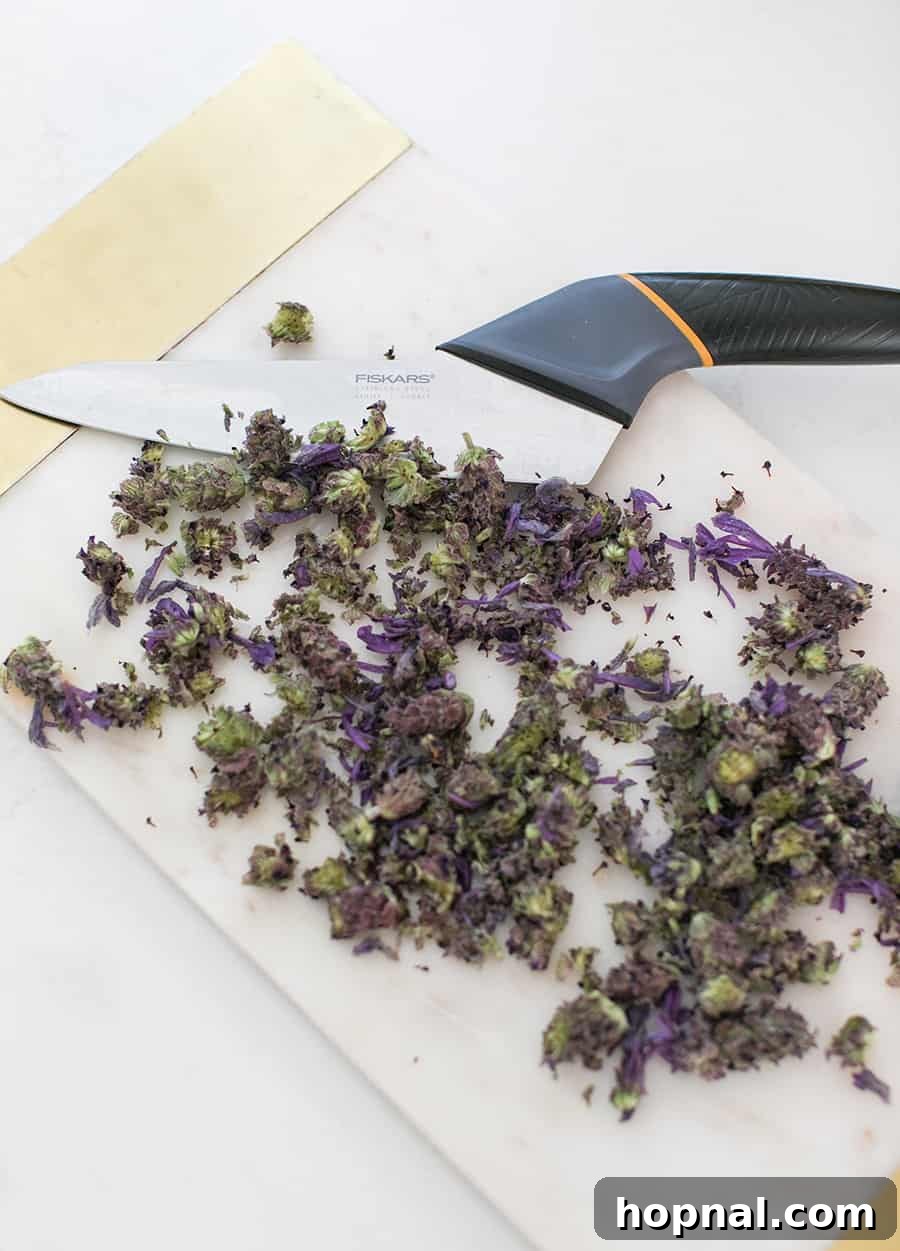
- Infuse the Cream: In a small, heavy-bottomed saucepan, gently heat the heavy cream with the fresh lavender flowers over medium-low heat. Stir occasionally until the cream just begins to simmer around the edges, showing tiny bubbles. Be careful not to let it come to a rolling boil. Remove the saucepan from the heat, cover it tightly, and let the mixture steep for a minimum of 15-20 minutes. This crucial step allows the lavender’s delicate aroma and flavor to properly infuse into the warm cream.
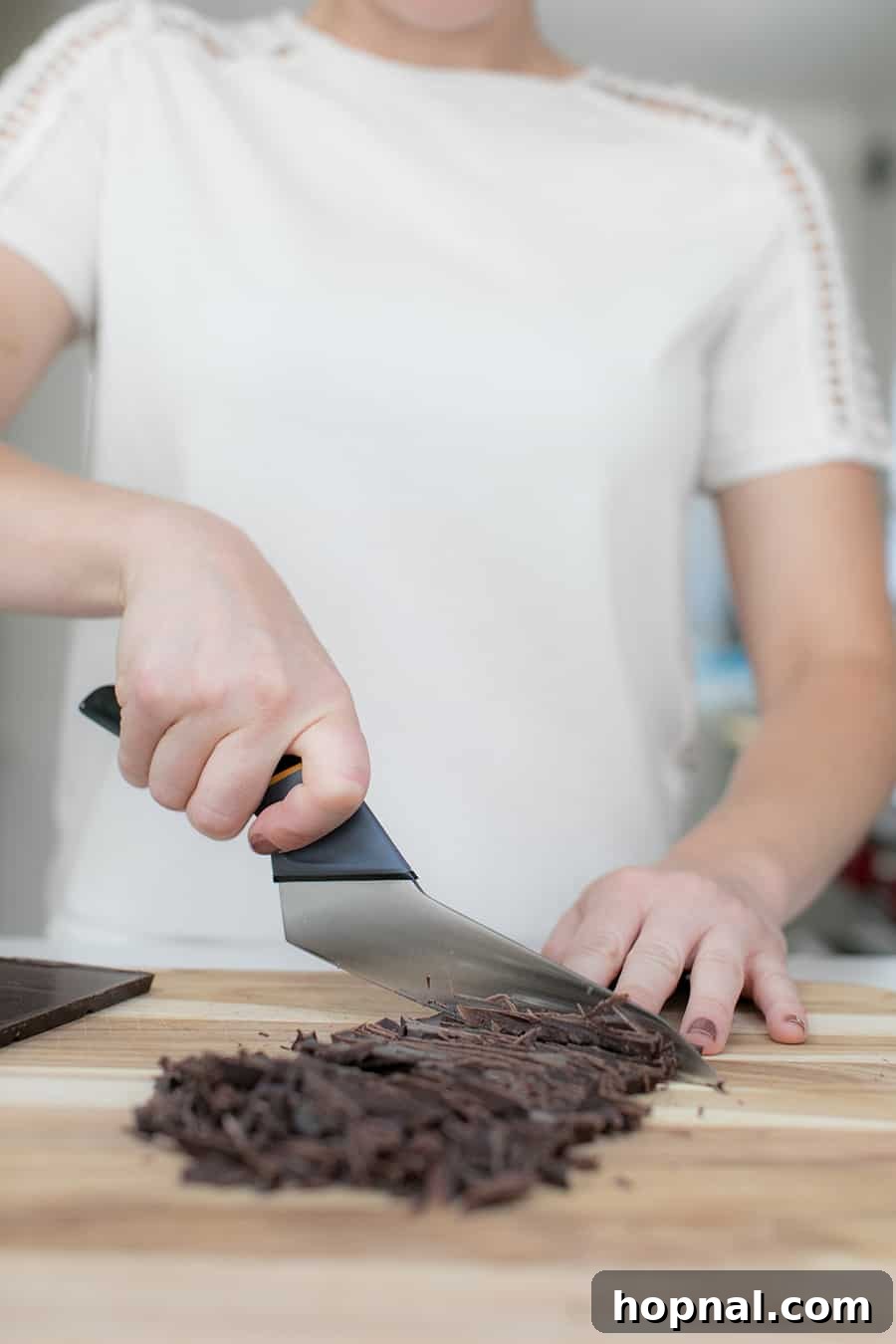
- Prepare the Chocolate: While the cream is infusing, place the finely chopped dark chocolate and semi-sweet chocolate into a medium-sized, heatproof bowl. Add the instant espresso powder and a small pinch of sea salt to the chocolate. The finer the chop, the faster and smoother your ganache will become.
- Strain and Reheat Cream: Once the infusion time is complete, strain the lavender-infused cream through a fine-mesh sieve directly over the prepared chocolate in the bowl. Press down firmly on the lavender flowers in the sieve with the back of a spoon to extract every last drop of flavorful liquid. Discard the spent lavender flowers. If the cream has cooled significantly, you may gently reheat it briefly (just until warm, not hot) before pouring it over the chocolate to ensure optimal melting.
- Make the Ganache: Allow the hot, strained cream to sit undisturbed over the chocolate for 5 minutes. This gives the chocolate time to soften and melt from the residual heat. Then, starting from the center of the bowl and working your way outwards in gentle, continuous circles, slowly whisk the mixture until it becomes completely smooth, beautifully glossy, and fully emulsified. If you are using orange liqueur, stir it in at this stage until well combined.
- Chill the Ganache: Cover the bowl with plastic wrap, ensuring the wrap directly touches the surface of the ganache. This prevents a skin from forming and traps moisture. Refrigerate the ganache for at least 2-4 hours, or until it becomes firm enough to easily scoop and roll into balls. For best results, chill overnight.
- Roll the Truffles: Once the ganache is thoroughly chilled and firm, use a small spoon, a melon baller, or a miniature ice cream scoop to portion out small amounts of the ganache. Quickly roll them between your clean palms into uniform, bite-sized balls. Work swiftly to prevent the warmth of your hands from melting the ganache too much.
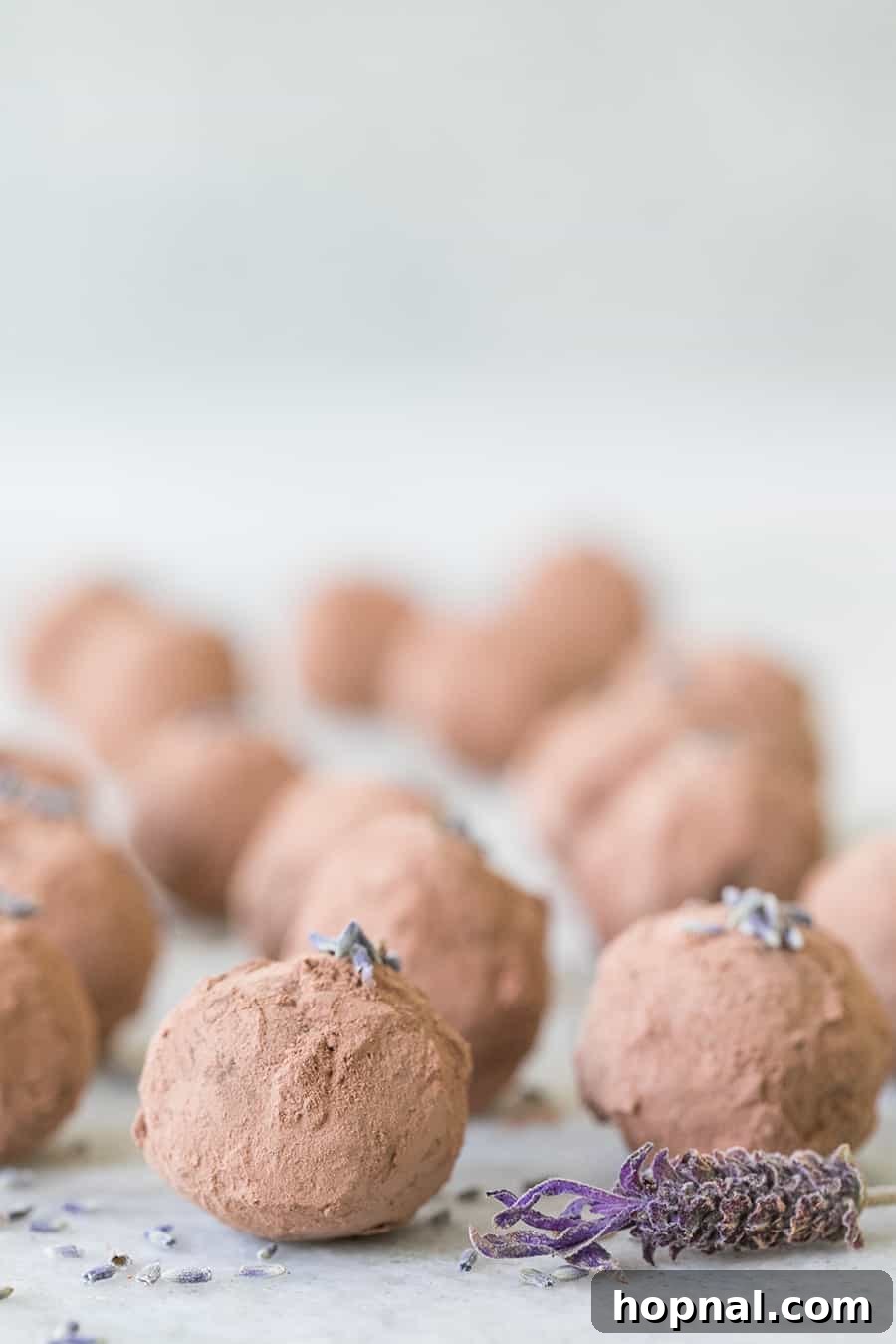
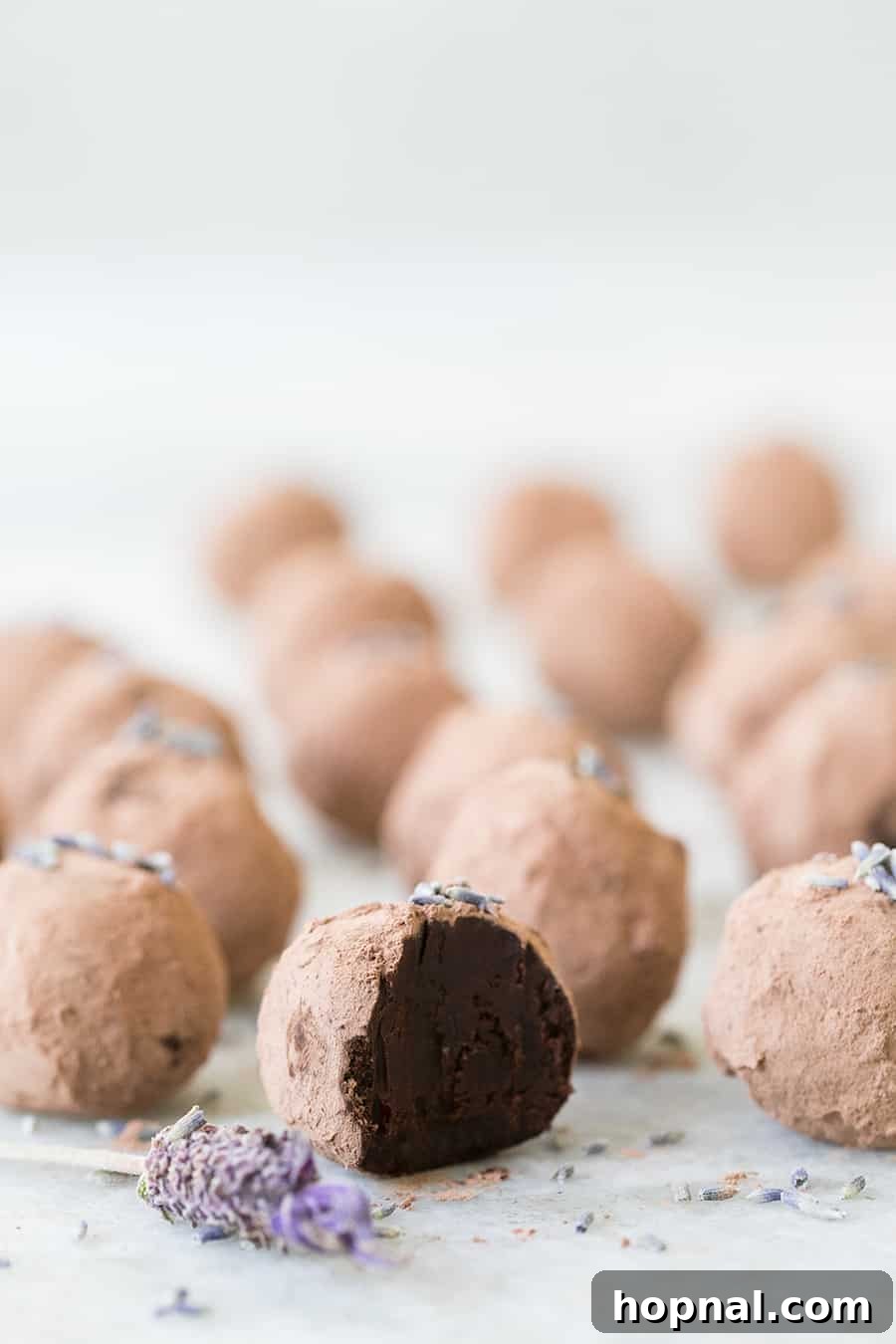
- Coat the Truffles: Roll the freshly formed truffles in your desired coating. Unsweetened cocoa powder offers a classic, sophisticated look and a slightly bitter contrast to the sweet interior. Finely chopped nuts (like pistachios or hazelnuts) add delightful texture and a nutty flavor. Desiccated coconut provides a tropical twist. For an extra professional finish, you can dip them in tempered chocolate.
- Serve and Store: Arrange your finished lavender truffles artfully on a serving platter. For optimal flavor and texture, allow them to come to room temperature for about 15-20 minutes before serving. Store any leftover truffles in an airtight container in the refrigerator for up to two weeks. These decadent treats are truly the perfect accompaniment to your homemade herbal tea.
Beyond the Recipes: Maximizing Your Tea Garden Harvest
Your tea garden is a veritable treasure trove of sensory delights, healthful ingredients, and endless creative inspiration. Beyond these specific, delicious recipes, there are numerous other ingenious ways to continue enjoying your bountiful harvest throughout the entire year. Consider the timeless method of drying excess herbs such as mint, lemon balm, chamomile, or lavender. This ensures a steady, fragrant supply for comforting winter teas or culinary infusions when fresh herbs are less available. Simply gather small bundles of your chosen herbs, tie them with twine, and hang them upside down in a cool, dry, and well-ventilated area away from direct sunlight. Alternatively, a food dehydrator set on a low temperature can efficiently dry herbs while preserving their vibrant color and potent flavor. Once completely dry and brittle, gently strip the leaves and flowers from the stems and store them in airtight containers or glass jars, kept away from direct sunlight to maintain their freshness and potency.
Fresh herbs can also be successfully frozen for later use, offering another fantastic preservation method. For delicate herbs like mint, basil, or pineapple sage, finely chop them and mix with a little water, broth, or olive oil, then freeze the mixture in ice cube trays. Once solid, transfer the herb cubes to freezer-safe bags. These convenient cubes are excellent for quickly adding a burst of garden-fresh flavor to smoothies, soups, sauces, stews, or even a glass of iced tea. Freezing preserves their flavor and makes them readily accessible when you need them.
Exploring the full potential of your tea garden can be an incredibly rewarding and deeply personal journey. Each herb offers its own unique flavor profile, captivating aroma, and often, a range of beneficial health properties. Don’t hesitate to experiment boldly with different combinations for your hot and cold teas, pushing the boundaries of traditional recipes. Furthermore, find creative ways to incorporate your homegrown herbs into everyday cooking, delightful baking projects, or even into homemade beauty products like soothing bath salts or fragrant sachets. The joy of a tea garden truly extends far beyond just growing plants; it’s about cultivating a lifestyle of freshness, creativity, natural wellness, and a profound connection to the earth.
We sincerely hope that these ideas and recipes inspire you to step out into your garden, confidently harvest its bounty, and transform it into an array of delicious, wholesome, and truly personal creations. From the invigorating sips of a freshly brewed hot tea to the perfectly chilled refreshment of a cold brew, and the decadent bite of a lavender-infused truffle, the culinary possibilities are as limitless as your imagination. Happy gardening and, most importantly, happy creating!