
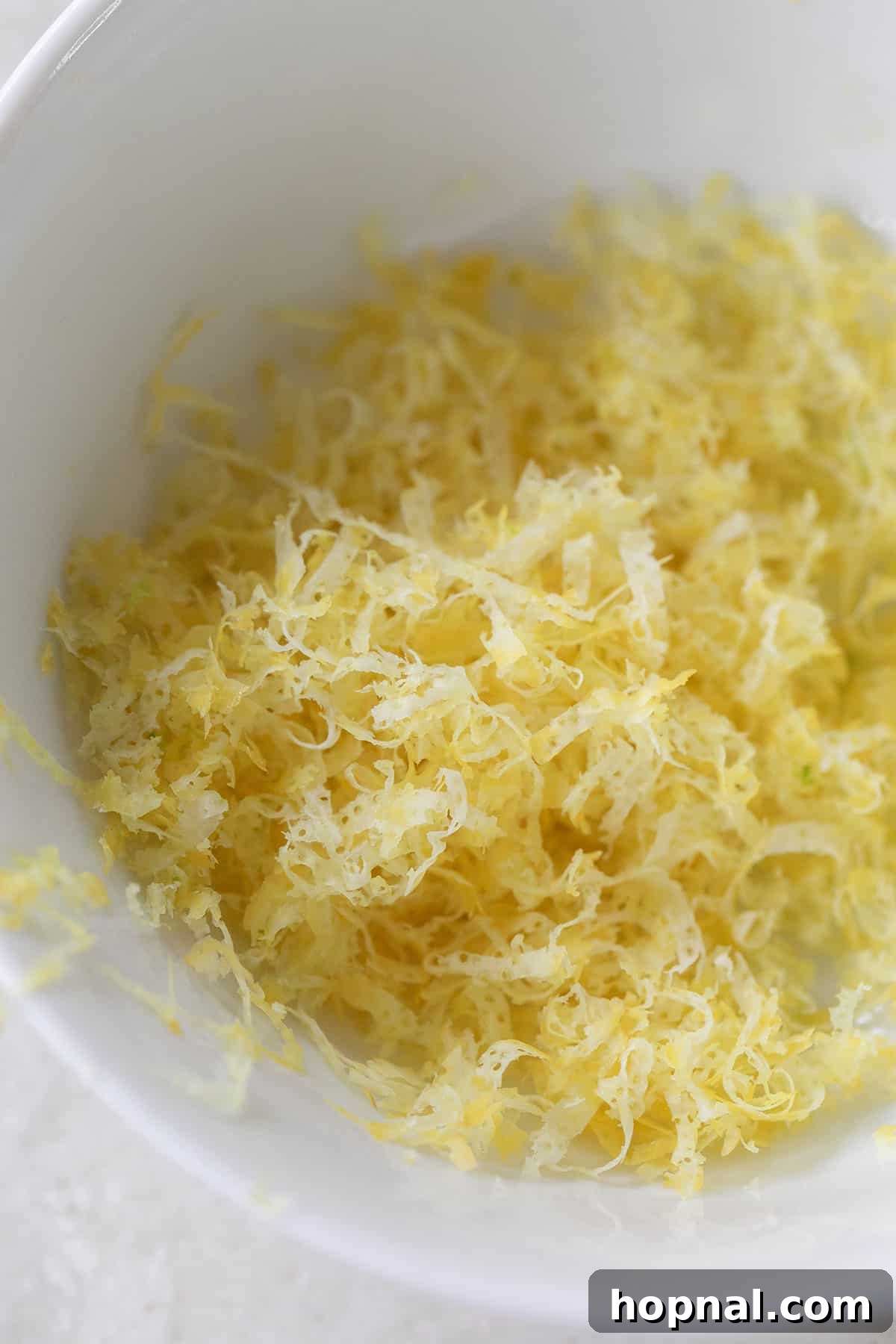
Freshly grated lemon zest is a culinary gem, effortlessly elevating a vast array of dishes with its bright, aromatic essence. Requiring minimal effort to produce, just a small amount of this vibrant ingredient can infuse your meal with a subtle yet profound element of brightness and freshness that plain lemon juice simply cannot replicate. The unique flavor profile comes from the concentrated oils found in the lemon’s outer skin, offering a complex citrus note that is both fragrant and uplifting. This comprehensive guide will walk you through everything you need to know about zesting a lemon, including the essential tools, various techniques, helpful tips, and creative ways to incorporate this versatile ingredient into your cooking and baking.
Beyond this guide, be sure to explore our extensive collection of lemon recipes for more culinary inspiration. You can also learn how to perfectly zest a lime, applying similar techniques to another beloved citrus fruit!
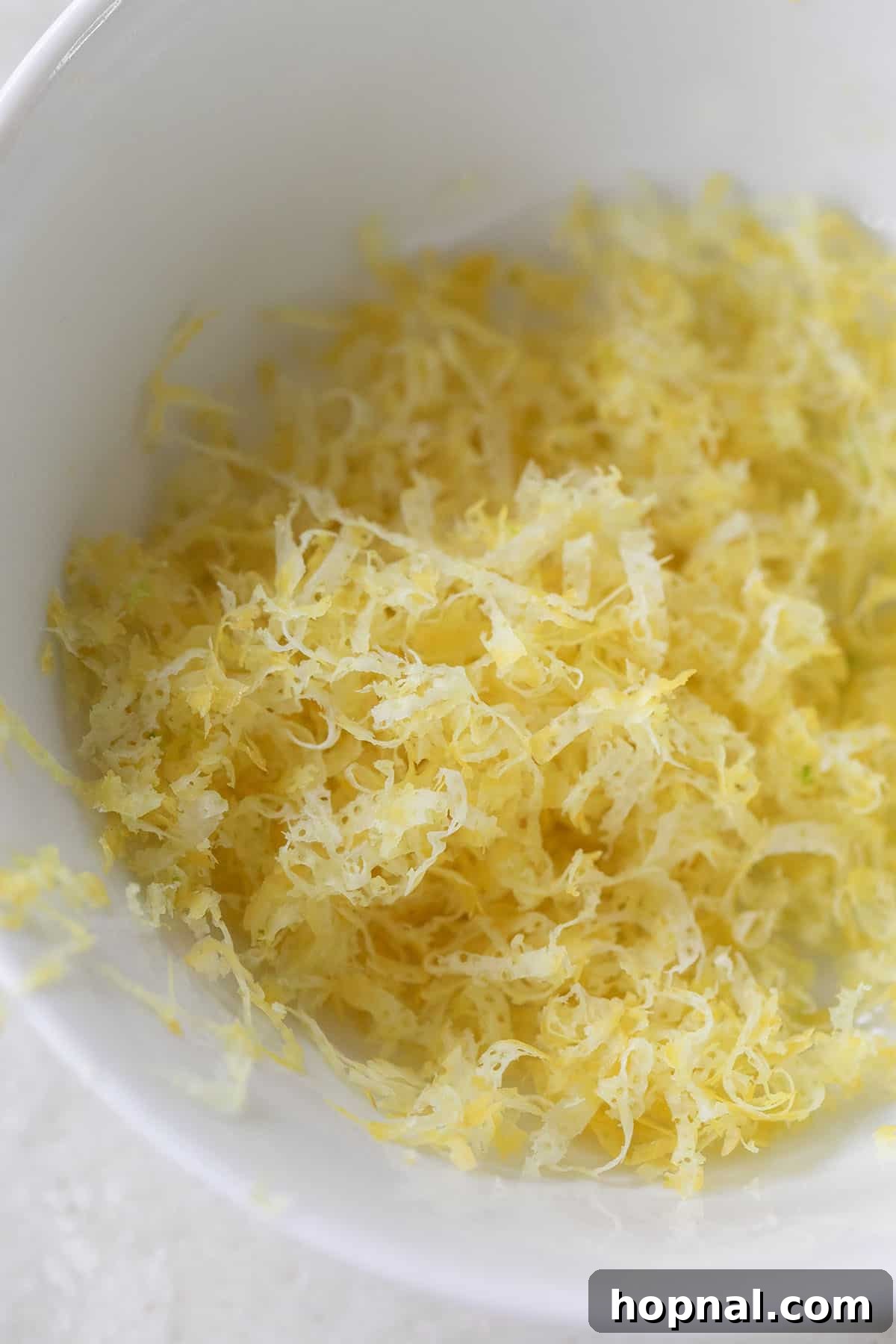
What Exactly is Lemon Zest? Unlocking the Flavorful Outer Layer
Lemon zest is the vibrant, fragrant outer yellow layer of a lemon’s peel, meticulously shredded or finely grated. It is a powerhouse of concentrated citrus flavor, derived from the aromatic oils held within this outermost skin. Unlike lemon juice, which provides acidity and liquid, zest contributes a pure, intense lemon aroma and a subtle tang that enriches both sweet and savory applications without adding significant moisture. It can be used alongside lemon juice to enhance and deepen the citrus notes in a dish, or it can stand alone to introduce a refreshing brightness.
The magic of lemon zest lies in its versatility. It’s exceptional for imparting a punchy tang to desserts, cutting through richness, and adding a fresh finish. Imagine the delightful citrus kick it adds to these lemon and thyme shortbread cookies, where it complements the buttery sweetness and herbaceous notes. Similarly, it’s perfect for balancing the richness of savory dishes, like elevating the flavor of warm marinated olives with its sharp, clean taste. The essential oils in the zest contain compounds like limonene, which give lemons their distinctive and invigorating scent and flavor.
Crucially, lemon zest consists *only* of the fragrant yellow peel. It’s vital to avoid the white layer underneath, known as the pith. The pith has a distinctly bitter and unpleasant flavor that can quickly spoil a dish. When properly harvested, freshly grated zest boasts a bright, citrusy aroma that instantly signals freshness and flavor. It can be folded into batters, sprinkled over salads, mixed into marinades, or used as a beautiful, edible garnish for a perfect hint of acidity and a burst of freshness just before serving.
We frequently incorporate lemon zest into our signature recipes, such as our creamy yogurt tahini dip, where it adds a bright counterpoint, and our luscious ricotta cheesecake, where it enhances the dessert’s delicate sweetness and texture. It truly is an ingredient that can transform an ordinary dish into something extraordinary.
Choosing the Perfect Lemons for Zesting
For the best zest, select firm, bright yellow lemons that feel heavy for their size. Look for lemons with smooth, unblemished skins, as these are generally easier to zest and indicate good quality. Organic lemons are often preferred, especially when using the peel, as they are typically grown without synthetic pesticides. Always wash your lemons thoroughly under cold running water and scrub them gently with a vegetable brush before zesting to remove any waxes or residues. Pat them dry completely, as a dry surface will prevent slipping and make the zesting process much easier and safer.
How to Zest a Lemon with a Microplane: The Easiest Method
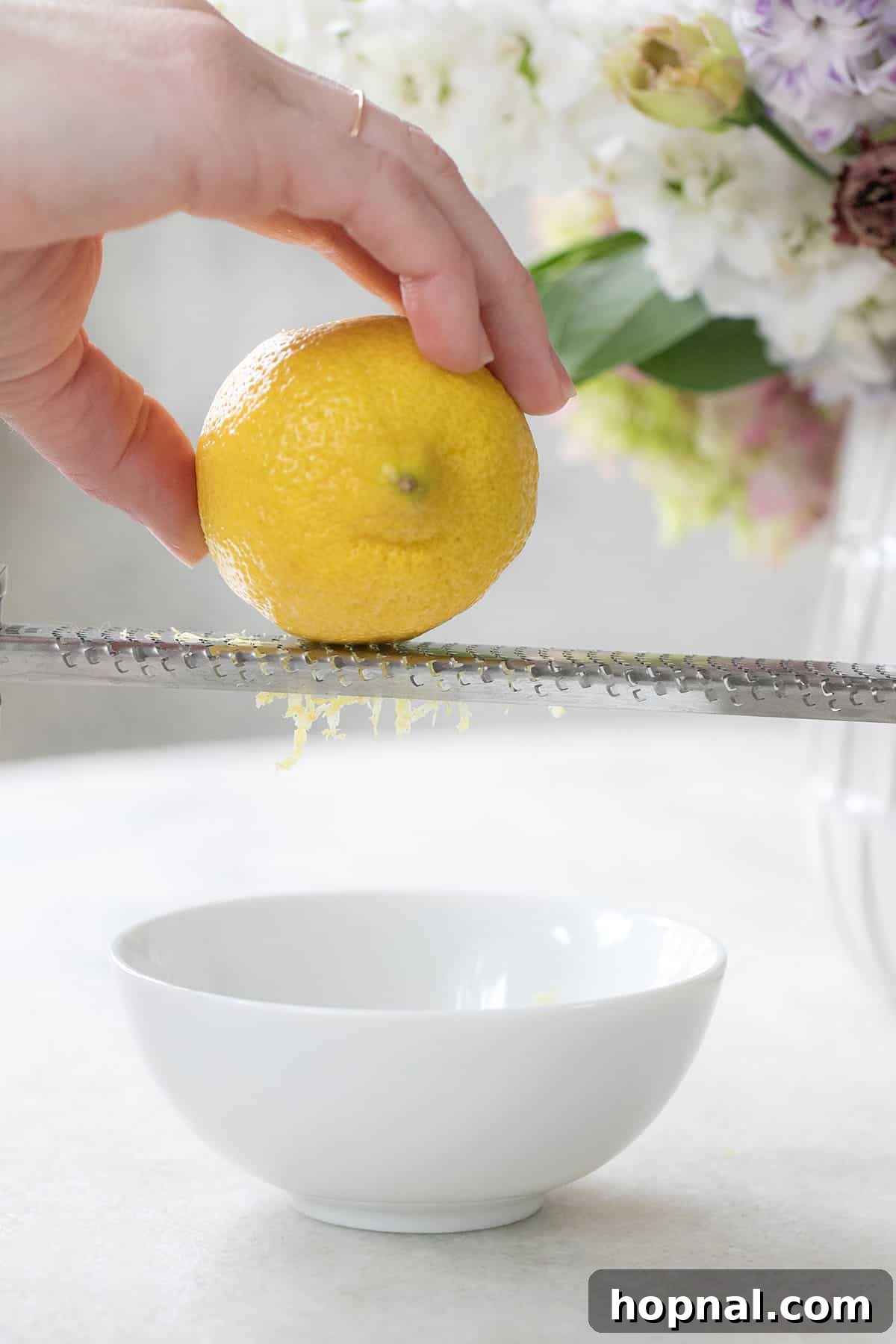
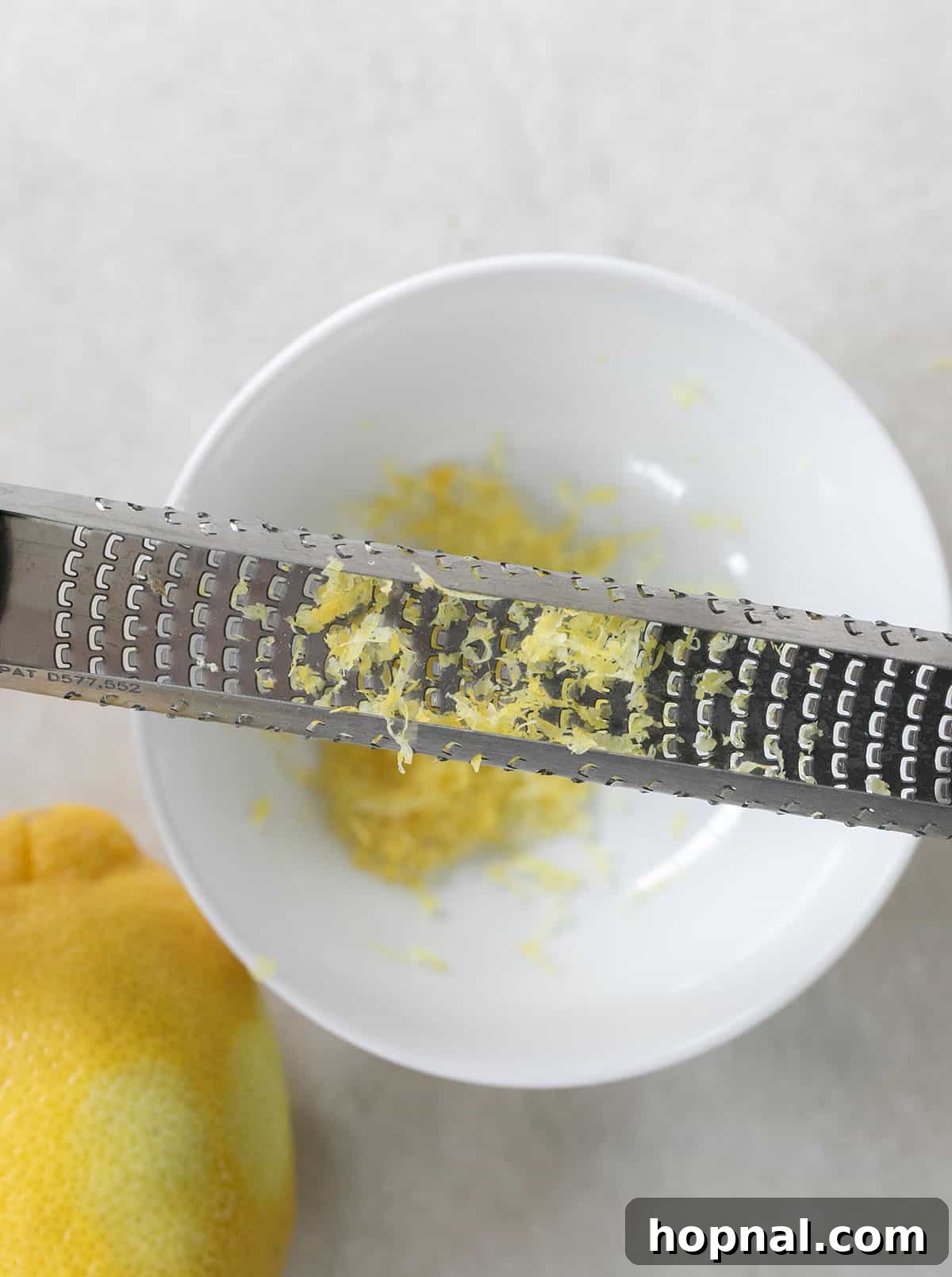
A Microplane zester is widely considered the gold standard tool for zesting, offering unparalleled efficiency and producing fine, fluffy zest. Its razor-sharp, tiny holes are designed to shave off only the outermost layer of citrus peel, leaving the bitter white pith behind. This results in delicate strands of zest that disperse beautifully into any recipe, ensuring maximum flavor and aroma. To use a Microplane effectively and safely, follow these steps:
- Prepare Your Lemon and Microplane: Ensure your lemon is washed and dried. Hold the Microplane firmly in one hand, positioning it over a bowl or cutting board to catch the zest.
- Grate with Gentle Pressure: Take the lemon in your other hand and gently drag it across the sharp holes of the Microplane. Apply only light pressure; the goal is to remove just the yellow part of the skin.
- Rotate as You Go: As you zest, continuously rotate the lemon to ensure you only remove the yellow peel. Stop zesting an area as soon as you see the white pith appear underneath. This prevents any bitterness from contaminating your zest.
- Collect and Repeat: Continue this process, turning the lemon frequently, until you have produced the desired amount of finely grated zest. Periodically tap the Microplane to release any accumulated zest from the underside, or use a small brush to sweep it off.
Expert Tip: For maximum zest, look for lemons that are slightly softer to the touch, as they tend to yield more oil and are easier to grate. A clean Microplane is crucial for safety and efficiency, so wash it immediately after use.
How to Zest a Lemon Without a Zester: Common Kitchen Alternatives
Even if you don’t own a specialized Microplane or traditional zester, you can still easily extract the fragrant peel from a lemon to add that irresistible freshness to your favorite dishes. Several common kitchen tools can serve as effective substitutes, each with its own technique and resulting zest texture. These methods ensure that a lack of a specific tool doesn’t prevent you from enjoying the bright flavor of lemon zest.
- Using a Box Grater: Most kitchens have a standard box grater, which features different grating surfaces. For zesting, you’ll want to use the side with the smallest holes, typically designed for hard cheeses or ginger. Hold the box grater steady on a cutting board. Take your clean, dry lemon and gently rub it back and forth over the fine grating surface, just as you would with a Microplane. Again, rotate the lemon frequently, stopping as soon as you reach the white pith to avoid bitterness. This method yields a slightly coarser zest than a Microplane, but it’s still perfectly functional for most recipes.
- Using a Sharp Knife: This method requires a steady hand and a very sharp paring knife. The goal is to carefully remove strips of the yellow peel without taking too much of the bitter pith.
- Peel Thin Strips: Place the lemon on a cutting board. Carefully slice off very thin strips of the outermost yellow rind. Try to keep these strips as shallow as possible, minimizing the white pith attached. Work slowly and precisely.
- Finely Mince the Strips: Once you have several strips of peel, gather them together on your cutting board. Using your sharp knife, finely mince these strips into tiny pieces. The smaller and more consistent the mince, the better the zest will integrate into your dish. This method produces a more coarse and irregular zest, but it’s excellent for dishes where larger pieces are acceptable or desired for visual appeal, such as garnishes or infusing liquids.
How to Zest a Lemon with a Vegetable Peeler: Creating Strips of Peel
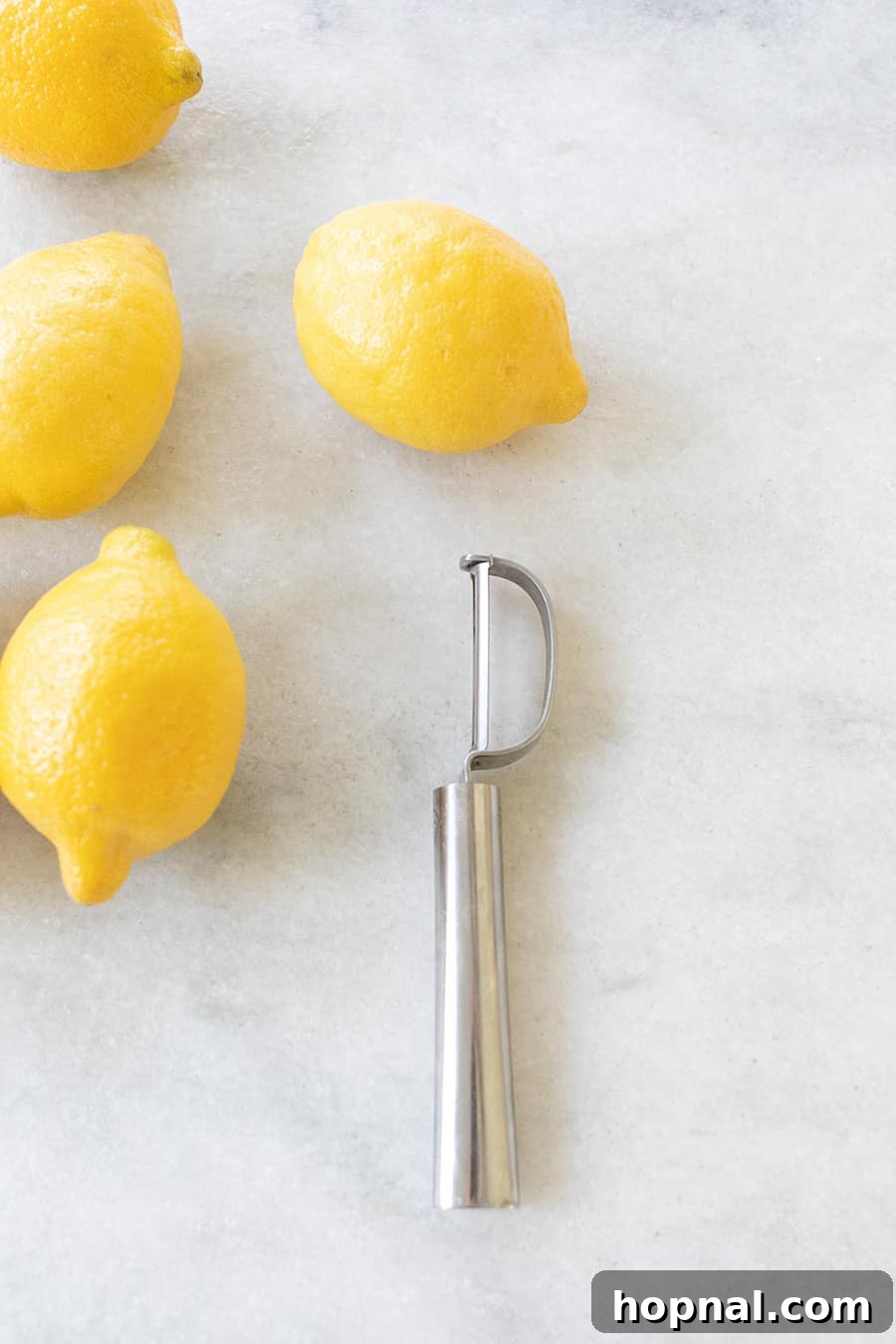
While a vegetable peeler might not produce the fine, fluffy zest of a Microplane, it’s an excellent tool for creating wider strips of lemon peel. These strips are often preferred for infusing liquids (like oils, vinegars, or syrups), creating candied peel, or as elegant garnishes. The key is to be precise to avoid the pith. Follow these steps:
- Remove the Rind: Hold the lemon firmly in one hand. Using a sharp vegetable peeler, carefully and lightly press the peeler against the lemon and glide it down, removing only the outermost layer of yellow rind in long, wide strips.
- Avoid the Pith: Be mindful to take as little of the white pith as possible. If a strip has a significant amount of pith attached, you can use a small paring knife to gently scrape it away from the yellow peel.
- Mince or Use Whole: Once you have your desired amount of lemon strips, you have two options:
- For Fine Zest: Gather the strips and use a sharp knife to finely mince them into small, confetti-like pieces. This will be a coarser zest than that from a Microplane but works well in many recipes.
- For Infusion/Garnish: Use the strips whole to infuse flavor into liquids or curl them into elegant garnishes for drinks and desserts.
Storing Fresh Lemon Zest for Future Use
Fresh lemon zest is best used immediately to capture its peak aroma and flavor. However, if you find yourself with extra zest, it’s easy to store it for future culinary adventures. Proper storage ensures that you don’t waste this precious ingredient and always have a burst of citrus flavor on hand.
- Refrigeration: For short-term storage, place fresh lemon zest in an airtight container or a small plastic bag in the refrigerator. It will typically remain fresh and fragrant for up to 2-3 days.
- Freezing: For longer-term storage, freezing is an excellent option. Spread the zest in a single layer on a parchment-lined baking sheet and freeze until solid (about 1-2 hours). Once frozen, transfer the zest to an airtight freezer bag or container. This prevents clumping and allows you to easily scoop out small amounts as needed. Frozen lemon zest can maintain its quality for several months (up to 3-4 months). You can use it directly from the freezer in most recipes, as its fine texture thaws almost instantly.
- Ice Cube Tray Method: Another popular freezing method is to place small portions of zest into the compartments of an ice cube tray, cover with a small amount of water or lemon juice, and freeze. Once solid, transfer the cubes to a freezer bag. This is perfect for recipes where a bit of added moisture is acceptable.
Frequently Asked Questions About Lemon Zest
On average, one medium-sized lemon will yield approximately one tablespoon of finely grated zest, which is equivalent to about three teaspoons. This can vary slightly depending on the size and thickness of the lemon’s peel, as well as the zesting tool used. Larger, plumper lemons with thicker skins tend to yield more zest than smaller, thinner-skinned varieties.
While it’s technically possible, it’s significantly more challenging and less efficient to zest a lemon after it has been juiced. A juiced lemon is soft and collapsed, making it difficult to hold firmly and grate properly. For best results and ease of zesting, always zest your lemon *before* you cut and juice it. This way, the lemon retains its firm shape, allowing for smooth, easy passes over your zester and preventing you from accidentally grating into the bitter pith.
The terms “lemon zest” and “lemon peel” are often used interchangeably, but there’s a subtle distinction in culinary contexts. “Lemon zest” specifically refers to the brightly colored, outermost layer of the lemon’s skin, finely grated or shredded, without any of the bitter white pith. It’s prized for its concentrated aromatic oils. “Lemon peel,” on the other hand, can refer to the entire skin of the lemon, including the pith, or wider strips of just the yellow part. While all zest is peel, not all peel is zest. When a recipe calls for “lemon zest,” it always implies the finely grated yellow part only. If it asks for “lemon peel,” it might imply a larger strip for infusing or candying, where a bit of pith might be tolerated or removed separately.
Yes, lemon zest offers several health benefits! It’s rich in dietary fiber, vitamin C, and powerful antioxidants like flavonoids and limonoids. These compounds are known for their anti-inflammatory, antimicrobial, and even anti-cancer properties. Lemon zest also contains essential oils that can aid digestion and contribute to overall wellness. Because it’s used in small quantities, the nutritional impact per serving is modest, but it certainly adds a healthy boost to your meals without excess calories.
Substitutes for Lemon Zest: When Lemons Aren’t Available
Ran out of fresh lemons, or don’t have the right tools? Don’t let that deter you from adding a bright, citrusy element to your meal. While nothing truly replicates the unique complexity of fresh lemon zest, several substitutes can provide a similar flavor profile and aromatic lift. The best substitute often depends on the specific recipe and the overall flavor you’re trying to achieve.
- Fresh Lemon Juice: This is the most obvious substitute for zest. While it provides acidity and lemon flavor, it lacks the concentrated aroma and essential oils found in the zest. Use about 1 teaspoon of lemon juice for every 1/2 teaspoon of zest a recipe calls for. Be mindful of the added liquid, especially in baking, and consider reducing other liquid ingredients.
- Lime Zest: Lime zest is an excellent direct substitute, offering a similar bright, tart, and fragrant citrus flavor. It’s slightly more floral and less intensely “sunny” than lemon, but it works wonderfully in most applications. Use it in equal amounts.
- Orange Zest: Orange zest provides a sweeter, milder citrus flavor compared to lemon. It’s fantastic in desserts, baked goods, and some savory dishes where a less acidic, more aromatic sweetness is desired. Use in equal amounts, but be aware of the flavor difference.
- Grapefruit Zest: For a more bitter and complex citrus note, grapefruit zest can be an interesting substitute, particularly in savory dishes or cocktails. Use sparingly, as its flavor is quite strong.
- Dried Lemon Peel: Available in many spice aisles, dried lemon peel (granulated or flaked) offers a concentrated lemon flavor. However, it lacks the fresh aroma of raw zest. Rehydrate it slightly in warm water or liquid from your recipe before adding. Use about half the amount of dried peel compared to fresh zest, as its flavor is more potent.
- Lemon Extract: Lemon extract is an alcoholic solution of lemon oils. It’s highly concentrated and best used in baking or desserts. Use sparingly, typically 1/4 to 1/2 teaspoon of extract for every tablespoon of fresh zest, depending on the desired intensity. Be mindful of the alcohol content.
Delightful Recipes Featuring Lemon Zest
Lemon zest is a secret weapon in the kitchen, capable of transforming simple ingredients into memorable dishes. Its bright flavor enhances both sweet and savory recipes, making them sing with fresh, vibrant notes. Here are some of our favorite recipes where lemon zest truly shines:
Lemon Margaritas: A twist on a classic, the zest adds a depth of citrus aroma that elevates the entire drink.
The Best Lemon Cupcakes: Infusing both the cake and frosting with zest creates an irresistible double dose of lemon flavor.
Chocolate Truffles with Zest: The unexpected pairing of rich chocolate and bright lemon zest creates an exquisite flavor contrast.
Easy Lemon Shortbread Cookies: Zest is essential here, providing that signature tangy sweetness to these crumbly delights.
Infusing Sugar: A simple yet brilliant way to capture lemon’s essence, perfect for baking or sweetening tea.
Lemon Loaf Cake: Zest in both the batter and glaze ensures every bite is packed with vibrant citrus flavor.
The Best Ricotta Pancakes: A hint of lemon zest brightens the rich ricotta, creating exceptionally fluffy and flavorful pancakes.
You can also FOLLOW US onFACEBOOK, INSTAGRAM, and PINTERESTto see more delicious recipes, cocktails, desserts, and parties!
This post may contain affiliate links. Please read our disclosure and privacy policy.
How to Zest a Lemon
Print Recipe
Pin Recipe
Rate This Recipe
Baking
American
2
0
2
1
lemon
Eden
Ingredients
-
1
large
lemon
Instructions
-
Hold the microplane in one hand, and the lemon in the other, ensuring a firm grip.
-
Gently drag the lemon across the sharp holes of the microplane, applying light pressure. Turn the lemon as you go, carefully avoiding the white, bitter pith underneath the yellow skin.
-
Continue this process, rotating the lemon to expose fresh yellow areas, until you have produced the desired amount of fragrant zest.
Tried this Recipe? Tag us Today!
Mention @sugarandcharm or tag us #sugarandcharm!