
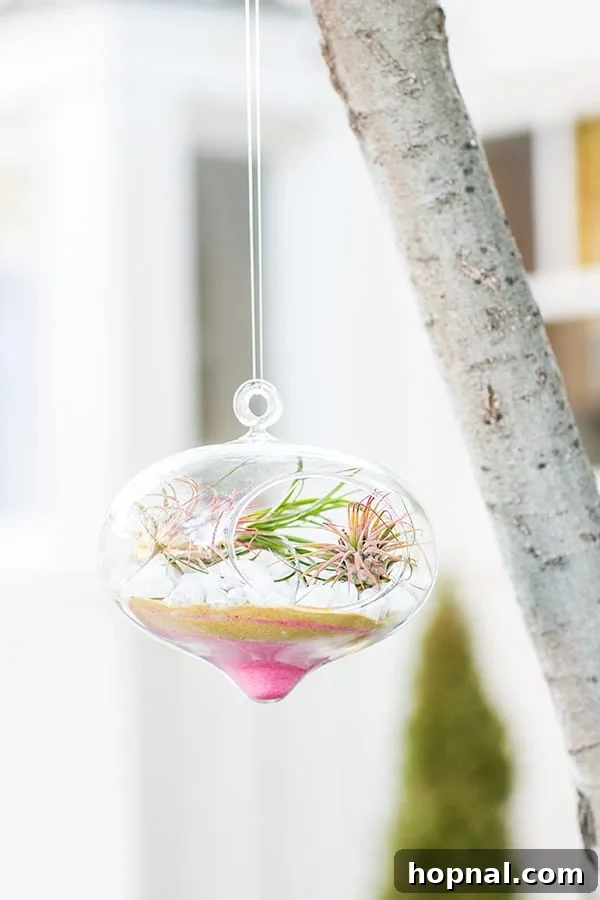
As Cupid’s arrow takes flight and love fills the air, there’s no better way to capture its essence than with a charming, handmade gift. This Valentine’s Day, why not create something truly unique and long-lasting? We’re excited to share our delightful DIY Valentine’s Day terrariums, crafted with beautiful pink and gold sand, and adorned with captivating air plants. These miniature ecosystems are not only incredibly easy to assemble but also serve as perfect, heartfelt gifts or a whimsical addition to your home decor, bringing a touch of romance to any space.
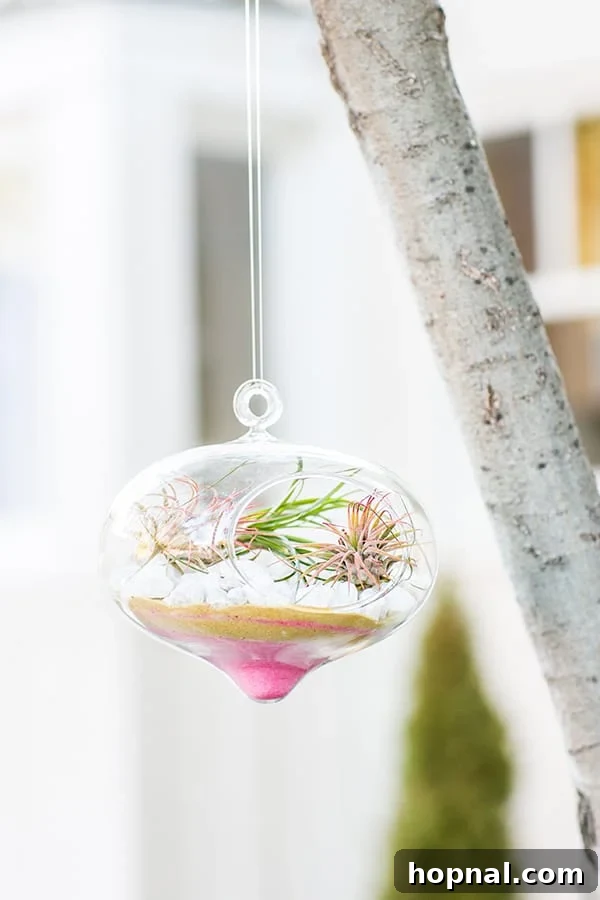
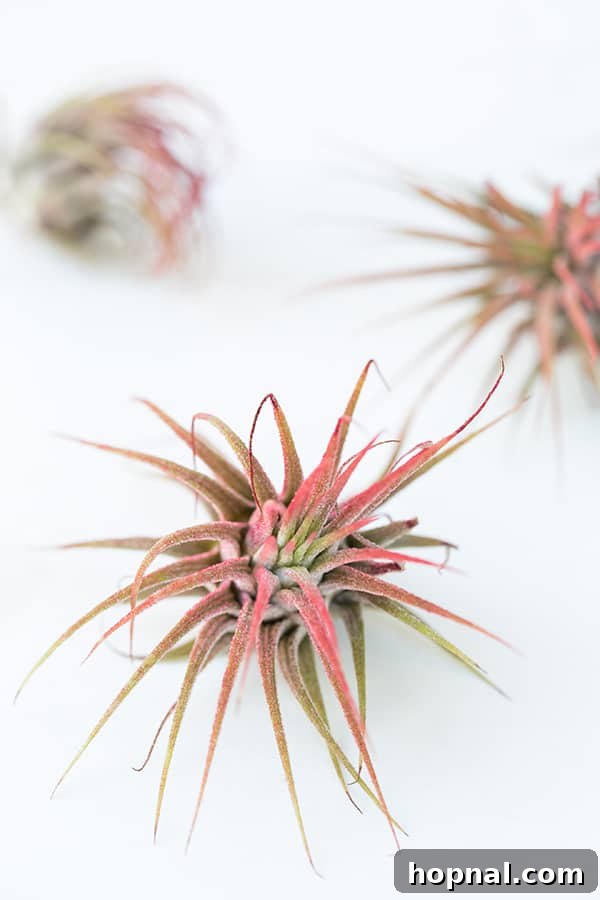
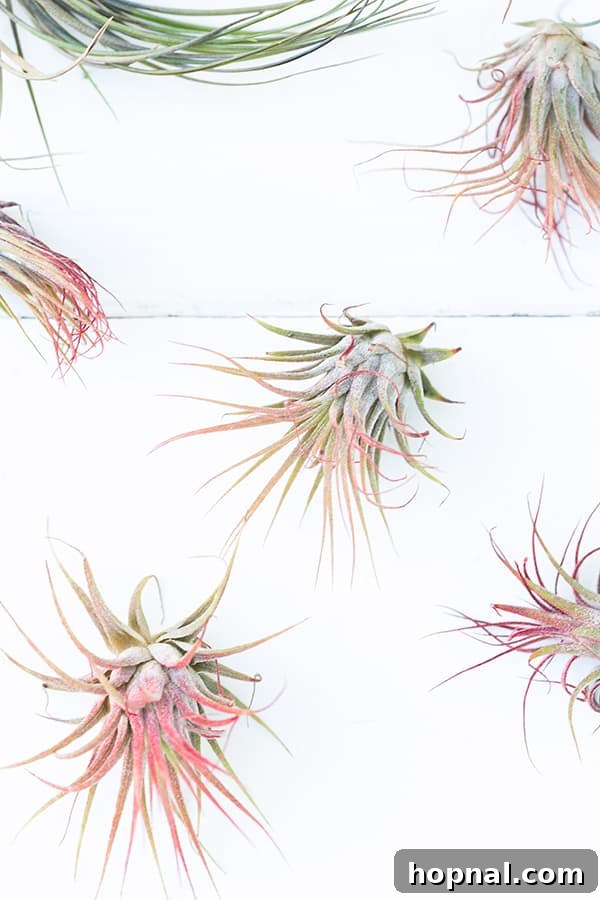
Imagine our excitement upon discovering the existence of genuine pink air plants! This delightful revelation instantly sparked the idea for a Valentine’s Day project. The natural blush tones of these Tillandsia species perfectly complement the romantic ambiance of the holiday, making them the star of our festive terrariums. Paired with shimmering gold and soft pink sand, these air plants transform into captivating miniature gardens, symbolizing enduring affection and natural beauty.
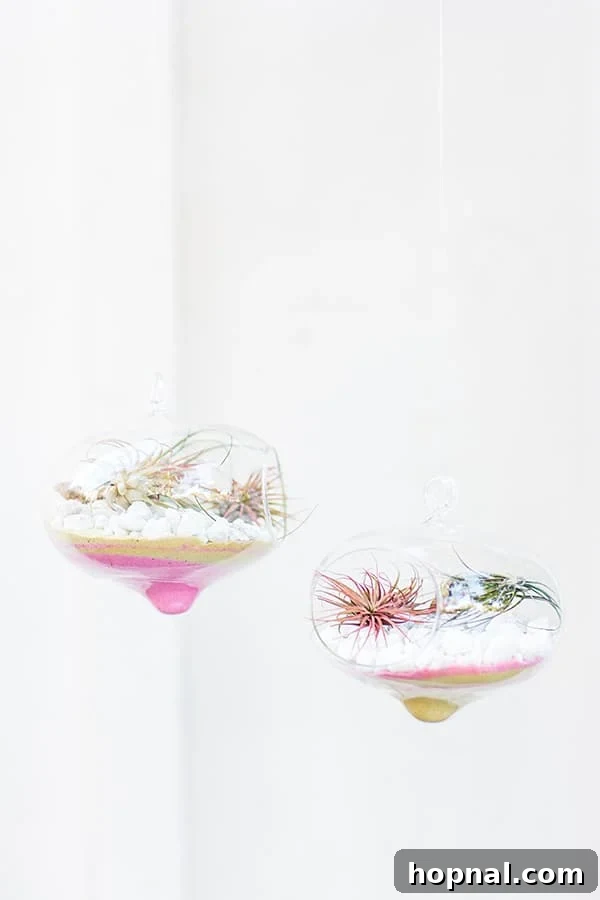
One of the best aspects of this DIY craft is its simplicity and speed. Once you’ve gathered your few essential supplies, assembling these charming terrariums takes minimal time, making it an ideal last-minute gift idea or a relaxing afternoon project. The ease of creation doesn’t compromise on impact; each terrarium is a small work of art, radiating warmth and affection.
Whether you choose to suspend a few terrariums outdoors to add a vibrant pop of color to your winter garden, or display them indoors to infuse your living space with V-Day charm, they are sure to enchant. These living gifts last far longer than traditional flowers, offering a continuous reminder of your thoughtfulness. Share the love and joy this season with a handmade terrarium – Happy Valentine’s Day!
Crafting Your Valentine’s Day Air Plant Terrarium: A Step-by-Step Guide
Creating your own beautiful Valentine’s Day air plant terrarium is a rewarding and straightforward process. Follow our simple guide to bring these lovely creations to life, perfect for gifting or decorating your own space.
Gathering Your Enchanting Supplies
To embark on your terrarium crafting journey, you’ll need a few key components. We’ve chosen items that evoke the romantic spirit of Valentine’s Day, focusing on delightful colors and textures.
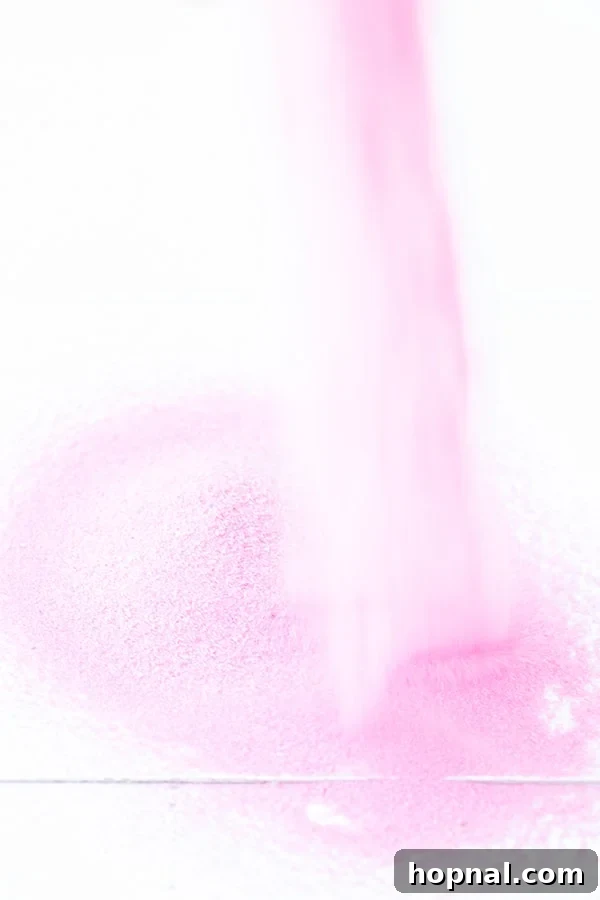
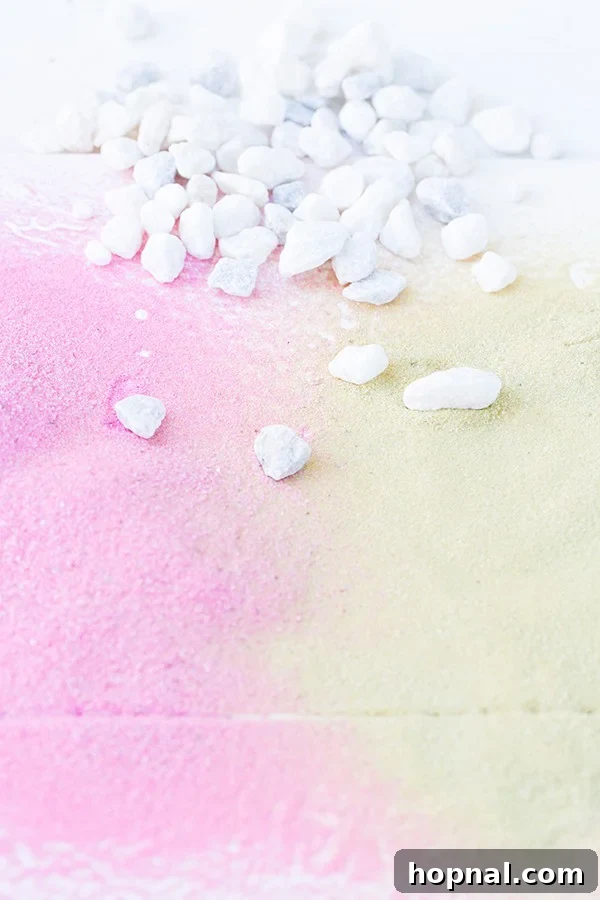
- Pink and Gold Sand: These vibrant colors are perfect for layering, creating a striking contrast and a festive base. Look for fine craft sand at your local hobby store or online. You can also experiment with other Valentine’s hues like red or silver.
- Mini White Rocks: These small rocks serve both a decorative and functional purpose. They add a clean, crisp element to your design and can aid in creating a distinct layer separation from the sand. Any small, decorative pebbles or gravel will work.
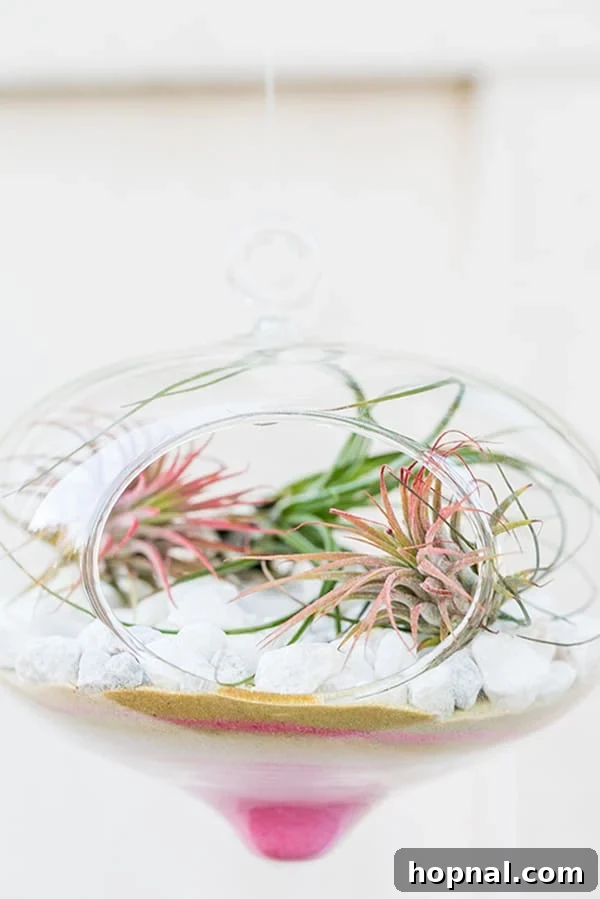
- Hanging Glass Terrariums: The vessel itself is crucial. Opt for clear glass terrariums, especially those designed for hanging, to showcase your beautiful layers and plants. They come in various shapes like globes, teardrops, or geometric designs, allowing for creative flexibility.
- Air Plants (Tillandsia): The living heart of your terrarium! We specifically sought out these charming pink air plants to match our Valentine’s theme. Air plants are low-maintenance and ideal for terrariums because they don’t require soil. You can find them at nurseries, craft stores, or specialty online retailers.
- Optional Embellishments: A pretty string, ribbon, or fishing wire for hanging. Small Valentine’s Day themed tags, tiny charms, or a sprinkle of iridescent glitter can add an extra touch of magic.
Simple Steps to Create Your Love-Filled Terrarium
Once you have all your supplies, the assembly process is incredibly quick and enjoyable. You’ll be amazed at how easily these stunning pieces come together!
- Prepare Your Terrarium: Begin by ensuring your glass terrarium is clean and dry. A quick wipe down with a lint-free cloth will remove any dust or smudges, allowing for clear visibility of your beautiful design.
- Layer the Sand: Carefully spoon your pink and gold sand into the terrarium, creating distinct layers. For a visually appealing effect, alternate colors and try to keep the layers relatively even. You can tilt the terrarium slightly to create sloped layers for added interest. The gold sand often looks best as a base or an accent layer.
- Add the Rocks: Once your sand layers are complete, gently add a layer of mini white rocks. These can be placed directly on top of your sand layers, creating a clean boundary and adding textural variety. They also help in anchoring the air plant.
- Introduce Your Air Plants: Now for the star of the show! Carefully place your air plant (or plants, if using multiple small ones) on top of the rocks. Arrange them in a way that feels natural and visually balanced within the terrarium. Ensure they are stable and positioned attractively.
- Embellish (Optional): If you wish to personalize your terrarium further, now is the time to add any small Valentine’s tags, charms, or other tiny decorative elements. A small heart charm or a tiny “Be Mine” tag can make it even more special.
- Ready to Hang: Finally, tie a decorative string, ribbon, or fishing wire securely to the hanging loop of your glass terrarium. Choose a color that complements your sand and air plant, such as a delicate pink, shimmering gold, or a classic white ribbon.
And just like that, your charming Valentine’s Day terrarium is complete! It’s ready to be gifted, displayed, or admired.
Caring for Your Air Plant Terrarium: Longevity Tips
Air plants are wonderfully low-maintenance, but a little care goes a long way in ensuring your Valentine’s terrarium thrives for months to come.
- Light: Place your terrarium in a spot that receives bright, indirect sunlight. Avoid direct, harsh sunlight which can scorch the delicate leaves of air plants.
- Watering: Air plants need regular watering, but not constant moisture. The best method is to “soak” them. Once a week, carefully remove your air plant from the terrarium and submerge it in a bowl of room-temperature water for 20-30 minutes. Gently shake off excess water and allow the plant to dry completely on a towel before returning it to the terrarium. This prevents rot. In drier climates, you might mist them lightly a few times a week between soaks.
- Air Circulation: Air plants need good air circulation to prevent rot. Ensure your terrarium is open or has adequate ventilation.
- Temperature: They prefer average room temperatures, generally between 60-80°F (15-27°C).
- Fertilizing: You can use a specialized air plant fertilizer once a month during growing seasons, diluted to one-quarter strength, by adding it to their soaking water.
Beyond Valentine’s: Exploring Diverse Terrarium Ideas
The beauty of terrariums extends far beyond seasonal decorations. They offer a versatile way to bring greenery into any space, whether you prefer them sitting on a counter, gracing a desk, or hanging elegantly. If you’ve enjoyed crafting your Valentine’s terrarium, you might love exploring these other inspiring options:
- Gold Geo Terrariums: These modern, geometric designs with a touch of gold metallic finish add a sophisticated flair. Perfect for contemporary interiors, they can house air plants or small succulents and make a chic statement piece.
- Triangle and Square Terrariums: Explore classic geometric shapes that offer clean lines and a minimalist aesthetic. These are excellent for showcasing single, striking plants or creating a small, architectural landscape.
- Deco Glass Terrarium: Inspired by Art Deco designs, these terrariums often feature ornate details or unique glasswork, turning your plant display into a true art object. They’re perfect for adding a touch of vintage glamour.
- Eco Tabletop Glass Terrarium: For those who prefer a grounded display, tabletop terrariums offer flexibility and can become a focal point on any surface. These often allow for larger plant arrangements and more intricate designs.
- Wall Hanging Terrariums: Maximize your vertical space with terrariums designed to hang flush against a wall. These create living art installations and are fantastic for small apartments or adding green touches without occupying surface area.
MORE HEARTFELT VALENTINE’S DAY CRAFT INSPIRATION!
If you’re looking to extend your crafting enthusiasm beyond terrariums, we’ve gathered a few more of our favorite Valentine’s Day craft ideas. These projects are not only fun to make but also serve as wonderful, thoughtful gifts to share with loved ones on this special day.
- DIY Mini Cake Stands: These adorable mini cake stands are incredibly charming and perfect for displaying small treats or jewelry. They make a unique and stylish Valentine’s Day gift or party favor.
- DIY Essential Oil Candles: Crafting your own essential oil candles allows you to customize scents and designs, creating a personalized and relaxing gift. A homemade candle infused with romantic essential oils is a truly thoughtful gesture for Valentine’s Day.
- Lavender Lip Balm DIY: Create your own soothing lavender lip balm with a delightful printable Valentine’s Day label. These are not only practical but also incredibly cute and an excellent project for kids to help with.
- “I’m Donuts Over You” Printables: Pair these fun and quirky printables with a box of delicious donuts for a sweet and easy Valentine’s Day treat. It’s a simple way to add a personalized touch to a classic gift.
- Valentine’s Day Embroidery Wine Bags: Elevate a simple bottle of wine into a special gift by presenting it in a beautifully embroidered bag. This craft adds an elegant, handmade touch to any Valentine’s Day celebration.
Don’t forget to explore these Charming Valentine’s Day Printables too for quick and easy decor or gifting additions!
Frequently Asked Questions About Terrariums
What exactly is a terrarium?
A terrarium is essentially a miniature, self-contained garden housed within a transparent container, typically made of glass. It simulates a natural environment, creating a micro-ecosystem. Terrariums can be open, allowing for air circulation (ideal for air plants and succulents), or closed, which creates a more humid environment suitable for mosses and ferns. They are wonderful for bringing a touch of nature indoors and are relatively low maintenance.
How do you make a terrarium?
Making a terrarium is a simple and enjoyable process. For an open terrarium like our Valentine’s Day project, you start by placing a base layer, often composed of small rocks or pebbles for drainage (though less critical for air plants). On top of this, you add your chosen decorative elements such as sand, colored gravel, or moss. Finally, you carefully arrange your plants, such as air plants or small succulents, ensuring they are stable and aesthetically pleasing. For closed terrariums, additional layers like activated charcoal and potting soil are typically added before planting.
What plants can you put in a terrarium?
The best plants for terrariums are those that thrive in humid environments (for closed terrariums) or can tolerate infrequent watering and good air circulation (for open terrariums). Some popular choices include:
- Haworthia: A succulent known for its striking, architectural leaves, resembling miniature aloes. They are drought-tolerant and perfect for open terrariums.
- Tillandsia (Air Plants): These epiphytic plants don’t require soil and absorb moisture and nutrients from the air, making them ideal for open or hanging terrariums.
- Silver Nerve Plant (Fittonia): With its vibrant, patterned leaves, this plant adds a pop of color and thrives in the humid conditions of a closed terrarium.
- Oxalis Triangularis Bulbs (Purple Shamrock): Known for its stunning purple, triangular leaves that fold up at night, it adds dramatic flair to both open and closed terrariums.
- Pixie Cup Lichens: A unique addition, these lichens provide a whimsical, forest-floor aesthetic, perfect for natural-looking terrariums.
- Living Stones (Lithops): These fascinating succulents mimic pebbles, offering an incredibly unique texture and appearance, excellent for succulent-focused open terrariums.
How long do terrariums last?
With proper care, terrariums can last for many years! Closed terrariums can sometimes go for decades with minimal intervention, as they create a self-sustaining cycle. Open terrariums, especially those with air plants, require a bit more attention (like regular watering) but can also thrive indefinitely as long as the plants receive appropriate light and humidity. The key is choosing the right plants for your terrarium type and providing consistent, gentle care.
What’s the best location for a terrarium?
The ideal location for your terrarium depends on the plants inside. Most terrariums, especially those with air plants and succulents, prefer bright, indirect light. A spot near a north or east-facing window is often perfect. Avoid direct sunlight, which can overheat the glass and scorch the plants. Also, keep terrariums away from extreme temperature fluctuations, such as near heating vents or drafty windows, to ensure a stable environment for your plants.
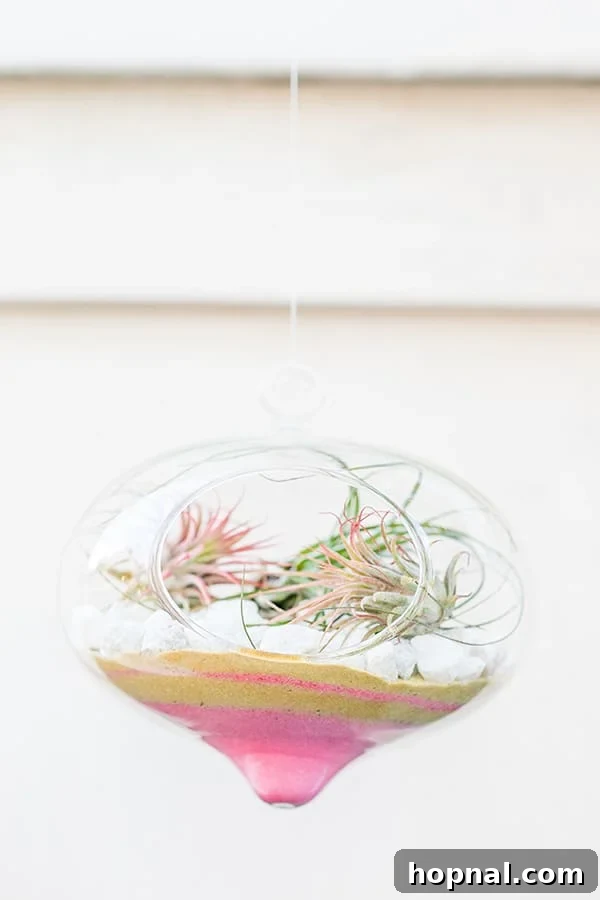
We absolutely adore these Valentine’s Day terrariums and sincerely hope you do too! If you decide to craft your own, we would be thrilled to see your unique creations. Please share your photos with us and tag @sugarandcharm on social media. Happy crafting and spreading the love!