
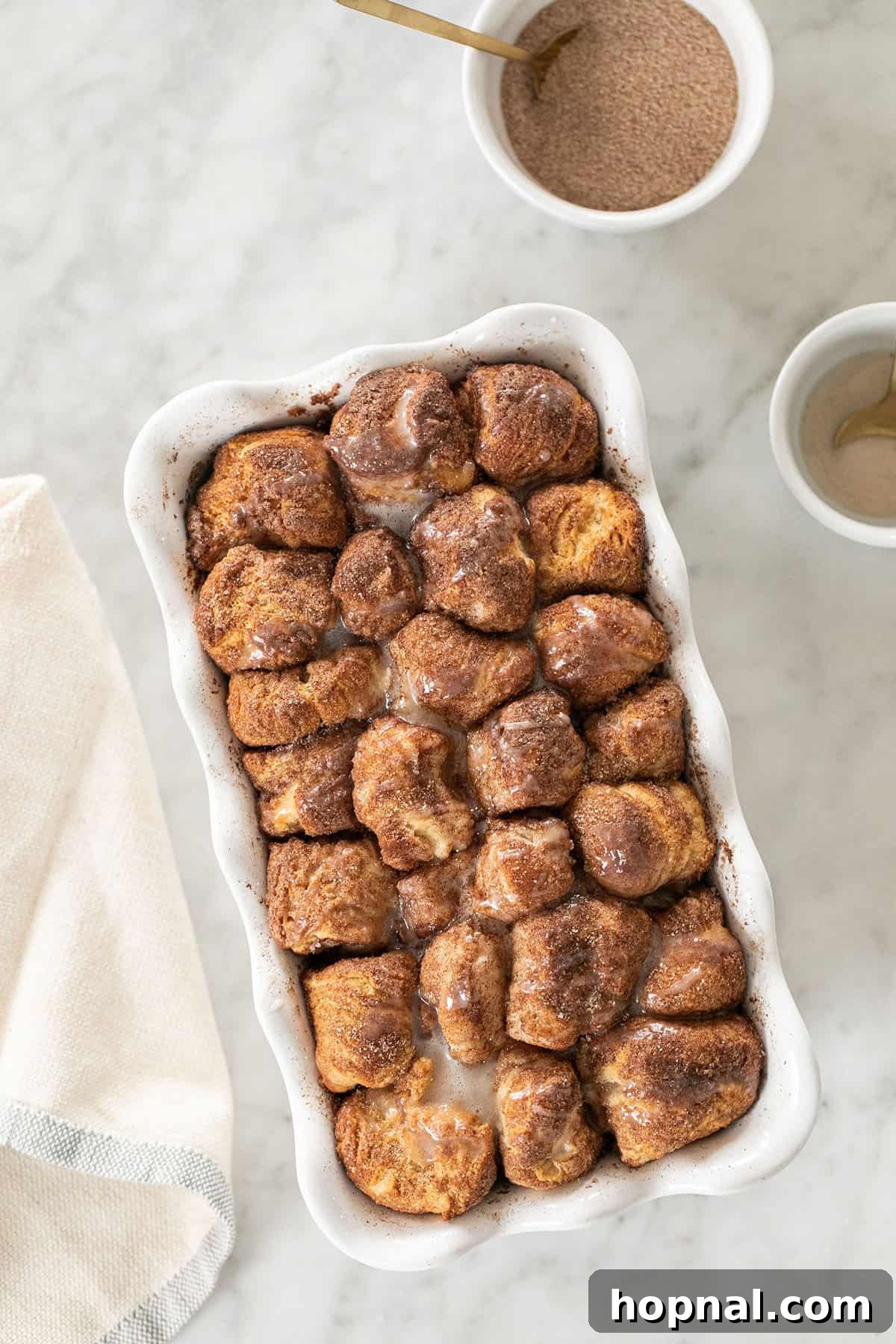
Have you ever encountered a dish so enchanting, so irresistibly delicious, that it becomes an instant classic in your home? Enter Monkey Bread – a sweet, sticky, and utterly delectable pastry that has captivated taste buds for generations. Forget any wild notions of bread made by actual monkeys; this delightful confection is a pull-apart masterpiece that promises joy with every bite. If you’re ready to dive into the warm, gooey world of this beloved treat, you’ve come to the right place.
Before we embark on the culinary adventure of making it, let’s fully acquaint ourselves with this charming subject. What exactly is Monkey Bread? Why does it bear such a peculiar name? And what makes it a staple at family gatherings and festive tables across the United States? Let’s explore its origins, unique characteristics, and incredible versatility.
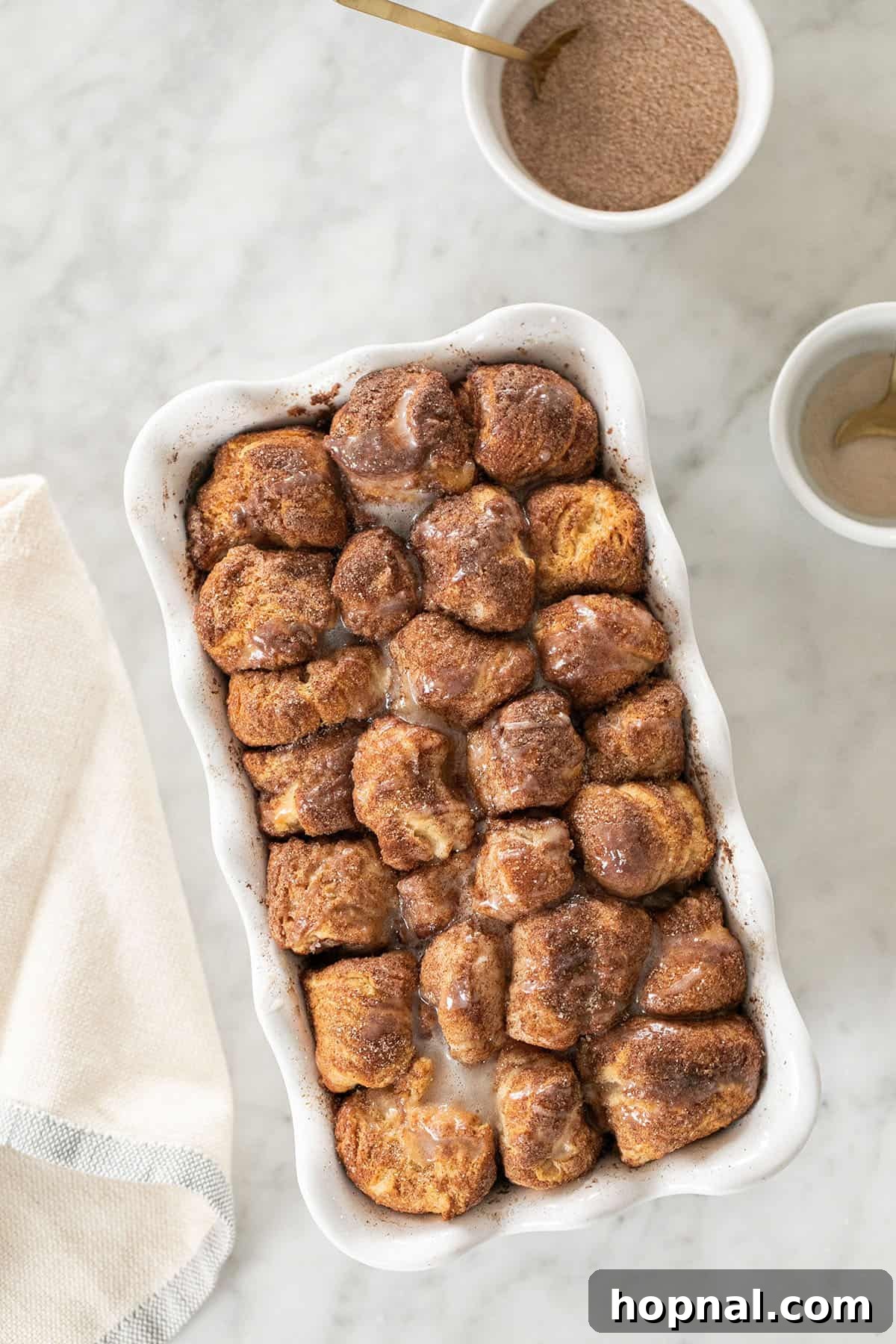
Table of Contents
- What is Monkey Bread?
- Why is it Called Monkey Bread?
- The Rich History of Monkey Bread
- The Anatomy of Monkey Bread: Key Ingredients
- How to Make Monkey Bread: A Culinary Journey
- Delicious Monkey Bread Variations and Customizations
- Tips for Baking the Perfect Monkey Bread
- Serving and Enjoying Your Monkey Bread
- Why Monkey Bread is a Beloved Classic
What is Monkey Bread?
Monkey Bread is a celebrated pull-apart pastry commonly found throughout the United States. It’s renowned for its unique structure, where individual pieces of dough are coated in a sweet, sticky glaze and then baked together in a bundt pan or similar mold. The result is a delightful, communal dish that encourages diners to pull off warm, soft sections with their fingers.
Typically, this comforting confection is served for breakfast, brunch, or as a delectable treat any time of day. Its presence is almost synonymous with festive occasions, making frequent appearances at fairs, seasonal festivals, and especially cherished family gatherings like Christmas, Easter, or Thanksgiving. Imagine a chilly holiday morning, and the inviting aroma of warm cinnamon and sugar wafting from the kitchen – that’s the magic of Monkey Bread.
The core of Monkey Bread lies in its dough: sweet, soft, and remarkably cake-like in texture. Each small piece of this dough is generously slathered in a luscious mixture of melted butter, fragrant cinnamon, and sparkling sugar before being arranged in a pan. As it bakes, the butter and sugar caramelize, creating an irresistible golden-brown crust and a gooey, tender interior. Once perfectly cooked, it’s typically inverted onto a serving platter, revealing its glistening, caramelized top, and presented warm, ready for everyone to dig in and enjoy the delightful mess.
Why is it Called Monkey Bread?
The intriguing name of this pastry directly relates to its distinctive eating method. What truly sets Monkey Bread apart as a unique pastry is its pull-apart nature. Unlike a conventional loaf that’s sliced, Monkey Bread is designed for interaction. It features numerous small, interconnected sections that are meant to be effortlessly pinched or pulled off with your fingers, then popped directly into your mouth.
This playful, hands-on way of eating is precisely why it earned the whimsical moniker “Monkey Bread.” The act of gently separating a piece of the sweet, soft bread with your fingers is visually reminiscent of how a monkey might playfully pick apart its food. It’s a fun, informal, and highly communal way to enjoy a meal, encouraging shared delight and conversation around the table.
The Rich History of Monkey Bread
While a modern American classic, the roots of Monkey Bread stretch back much further, across continents and centuries. This delightful recipe dates all the way to the 1880s in Hungary, where it was known as Aranygaluska, which elegantly translates to “golden dumpling” or “golden cake.” A truly fitting name for a dish that bakes up to a magnificent golden hue, drenched in a sweet, shimmering glaze.
Aranygaluska, in its original form, consisted of yeast dough balls dipped in butter and rolled in ground walnuts and sugar, then baked and often served with a vanilla custard sauce. It was a cherished dessert, embodying the rich culinary traditions of Central Europe.
The journey of the “golden dumpling” across the Atlantic began with Hungarian immigrants who brought their treasured recipes and culinary heritage to America. With them, Aranygaluska found new soil to flourish in, slowly adapting and evolving into the Monkey Bread we recognize today. Its appeal quickly took off, spreading from immigrant communities to broader American culture.
Its introduction to the American mainstream was significantly boosted by a famous admirer: First Lady Nancy Reagan. She was known to frequently serve Monkey Bread during the festive Christmas celebrations held at the Reagan White House. Her endorsement elevated the dish from a regional curiosity to a nationally recognized and beloved holiday treat, cementing its place in American culinary history.
Because of its enduring popularity and the length of time the dish has been around, it has naturally acquired a variety of affectionate names. You might even know some of these common alternatives, which reflect its diverse interpretations and cultural touchpoints: Hungarian coffee cake (acknowledging its origins), Christmas delights (highlighting its holiday appeal), sticky bread (describing its textural charm), or even bubble bread (referencing the individual dough balls). Regardless of what you call it, its essence of sweet, pull-apart goodness remains the same.
The Anatomy of Monkey Bread: Key Ingredients
Understanding the fundamental components of Monkey Bread is key to appreciating its deliciousness and exploring its potential for customization. At its heart, this pastry relies on a few simple yet powerful ingredients:
- The Dough: The foundation of Monkey Bread is typically a soft, enriched yeast dough. While some purists prefer to make their dough from scratch, many popular recipes utilize convenient store-bought options like refrigerated biscuit dough or crescent roll dough. These shortcuts make Monkey Bread an accessible treat for bakers of all skill levels, ensuring that its delightful texture is easily achievable.
- Melted Butter: Butter is more than just a coating; it’s a critical flavor enhancer and helps create the signature sticky, gooey texture. Each piece of dough is generously dipped in melted butter, ensuring moisture and richness throughout the final product.
- Cinnamon: The warm, aromatic spice of cinnamon is indispensable. It infuses the bread with its characteristic sweet and spicy fragrance, partnering perfectly with sugar to create that classic comforting taste.
- Sugar: A blend of granulated sugar and often brown sugar is used for coating and caramelization. The sugar not only sweetens the dough but, when combined with butter and heat, transforms into a glorious, sticky caramel glaze that coats every surface.
These core ingredients work in harmony to produce the beloved flavor and texture that define Monkey Bread, making it an unmistakable and utterly satisfying indulgence.
How to Make Monkey Bread: A Culinary Journey
Creating Monkey Bread is a joyful and relatively straightforward process that yields incredibly impressive results. While a full, detailed recipe will provide precise measurements and steps, we can outline the general culinary journey involved in bringing this sweet treat to life. For a truly amazing and popular recipe, we highly recommend checking out our comprehensive guide for easy monkey bread!
- Prepare the Dough: Whether you’re opting for the convenience of refrigerated biscuit dough (a very common and excellent choice), crescent roll dough, or a homemade yeast dough, the first step is to prepare your dough. If using pre-made dough, simply separate it into individual biscuits or rolls, then cut each into smaller, bite-sized pieces. If making dough from scratch, follow the kneading and rising instructions before portioning.
- Coat with Butter and Sugar-Cinnamon: This is where the magic truly begins! In one bowl, melt a generous amount of butter. In another, combine granulated sugar and ground cinnamon (you can also add a touch of brown sugar for deeper caramel notes). Each piece of dough is then dipped first into the melted butter, ensuring it’s thoroughly coated, and subsequently rolled in the cinnamon-sugar mixture until evenly covered.
- Layer in the Pan: A bundt pan is the traditional choice for Monkey Bread, as its fluted design allows the pieces to bake evenly and creates a beautiful shape. Grease your chosen pan thoroughly to prevent sticking. Carefully arrange the coated dough pieces in layers within the pan, sprinkling any remaining cinnamon-sugar mixture and pouring any leftover melted butter over the layers. This layering technique ensures every part of the bread is infused with flavor and becomes deliciously sticky.
- Bake to Golden Perfection: Place the pan in a preheated oven and bake until the Monkey Bread is golden brown, puffed up, and cooked through. The exact baking time will depend on your recipe and oven, but the delightful aromas filling your kitchen will be a strong indicator of its progress.
- Cool and Invert: Once baked, let the Monkey Bread cool in the pan for a few minutes. This allows the caramelized sugars to set slightly. Then, carefully invert the pan onto a serving platter. The glorious sticky, sugary top will now be on display, ready to be devoured.
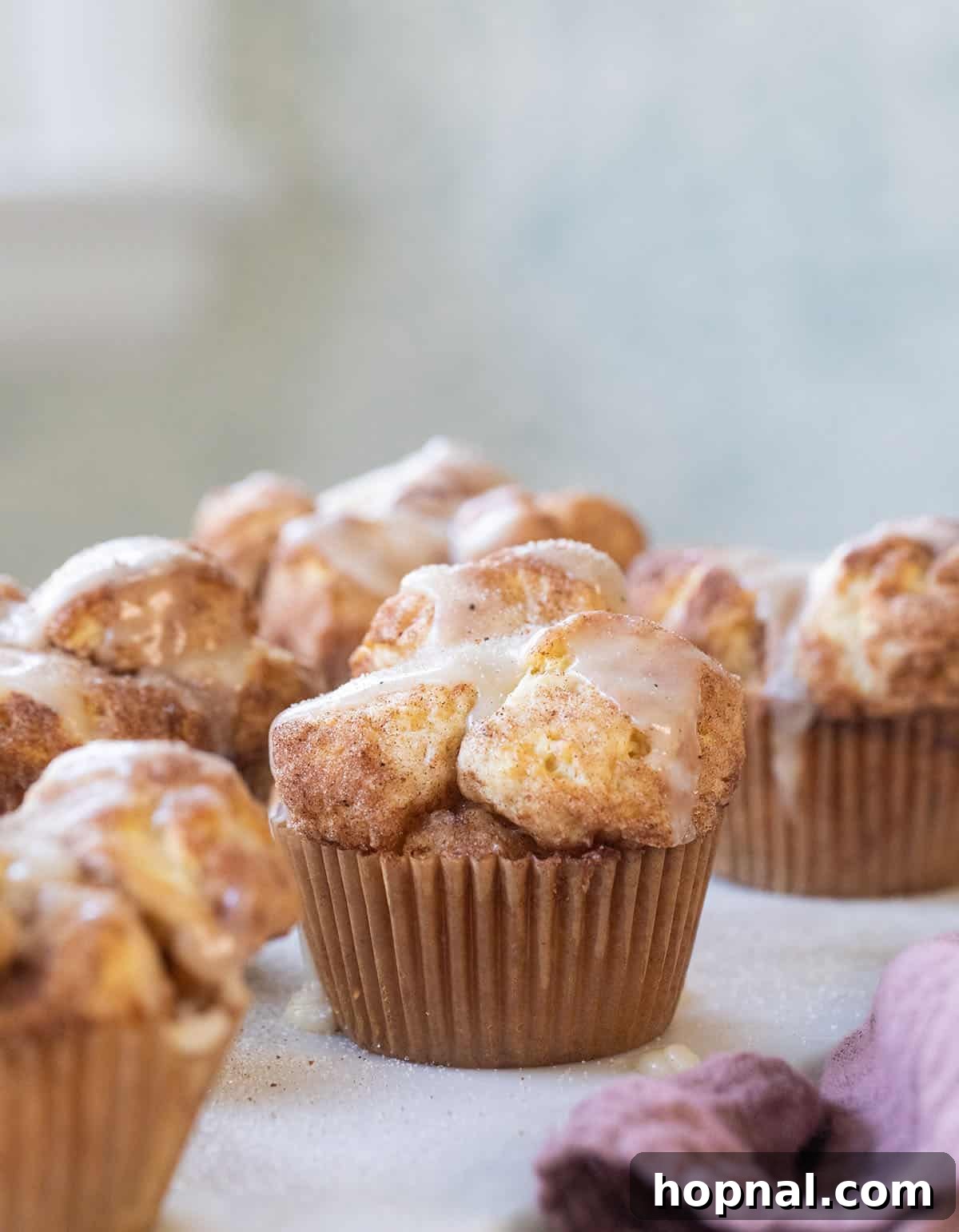
Beyond the classic bundt pan, there are also delightful variations like monkey bread muffins, which are baked in individual cupcake tins. These are perfect for portion control and make for an adorable presentation!
Delicious Monkey Bread Variations and Customizations
While the classic cinnamon-sugar Monkey Bread is undeniably perfect, its simple base makes it an incredibly versatile canvas for culinary creativity. Don’t hesitate to experiment and spruce up your recipe with more flavors and ingredients to suit your taste or the occasion. Here are some popular and delicious variations:
Sweet Enhancements:
- Nuts: Adding chopped pecans, walnuts, or almonds between the layers introduces a delightful crunch and nutty flavor. Toasting them lightly beforehand can intensify their aroma.
- Dried Fruits: Mix in raisins, dried cranberries, chopped apricots, or even candied citrus peel with the dough balls for bursts of fruity sweetness and a chewy texture.
- Chocolate: For the ultimate indulgence, sprinkle chocolate chips (milk, dark, or white) between the dough layers. They’ll melt into gooey pockets of chocolatey goodness as the bread bakes.
- Citrus Zest: Grate fresh orange or lemon zest into the cinnamon-sugar mixture for a brighter, more aromatic profile.
- Spices: Beyond cinnamon, consider adding a pinch of nutmeg, cardamom, or even a touch of pumpkin pie spice for a seasonal twist.
Glazes and Toppings:
Our recipe often includes instructions for a sweet glaze that you can add on top of your final product, definitely putting it up another level. Here are some glaze ideas:
- Classic Vanilla Glaze: A simple mix of powdered sugar, milk (or water), and vanilla extract provides a beautiful sheen and extra sweetness.
- Cream Cheese Glaze: Whipped cream cheese, powdered sugar, milk, and vanilla create a rich, tangy topping that complements the sweet bread perfectly.
- Caramel Drizzle: A homemade or store-bought caramel sauce can be drizzled over the warm Monkey Bread for an extra layer of decadence.
- Maple Glaze: Swap out some of the liquid in your glaze for maple syrup for a delightful breakfast-inspired twist.
Savory Monkey Bread:
Who says Monkey Bread has to be sweet? This concept translates beautifully into savory realms:
- Garlic Parmesan: Dip dough balls in melted butter infused with garlic, then roll in Parmesan cheese, Italian herbs, and black pepper. Serve with marinara for dipping.
- Cheesy Herb: Coat dough in melted butter, then toss with shredded cheddar or mozzarella, chives, and garlic powder.
- Pesto Swirl: After dipping in butter, roll dough in a mixture of pesto, sun-dried tomatoes, and a sprinkle of mozzarella.
The possibilities are truly endless, allowing you to tailor your Monkey Bread to any craving or occasion!
Tips for Baking the Perfect Monkey Bread
Achieving that perfectly golden, gooey, and irresistible Monkey Bread is easier than you think with a few helpful tips:
- Grease Your Pan Generously: This is perhaps the most crucial tip! Use butter, shortening, or a non-stick cooking spray (especially one with flour) to thoroughly coat every nook and cranny of your bundt pan. This prevents sticking and ensures your beautiful Monkey Bread will effortlessly release onto your serving platter.
- Don’t Overcrowd the Pan: While you want a full, impressive bread, avoid compacting the dough too much. Leave a little room for the dough pieces to expand as they rise and bake.
- Even Coating is Key: Take the time to ensure each dough piece is well-coated in both butter and the cinnamon-sugar mixture. This guarantees every bite is infused with flavor and contributes to the overall sticky, caramelized crust.
- Monitor Baking Time: Ovens vary, so keep an eye on your Monkey Bread. It should be deeply golden brown on the top and cooked through. If the top is browning too quickly, you can loosely tent it with aluminum foil during the last part of baking.
- Cool Slightly Before Inverting: Resist the urge to immediately flip your Monkey Bread out of the pan. Let it rest for 5-10 minutes. This allows the caramelized sugars to firm up slightly, preventing the bread from tearing and ensuring a clean release.
- Serve Warm: Monkey Bread is at its absolute best when served warm. The sugars are gooey, the dough is soft, and the aromas are intoxicating.
- Use Good Quality Ingredients: Simple ingredients shine here. Good quality butter and fresh cinnamon will make a noticeable difference in the final flavor.
Serving and Enjoying Your Monkey Bread
Monkey Bread is the quintessential communal dish, designed for sharing and enjoyment among friends and family. Its unique pull-apart nature makes it an interactive centerpiece at any gathering. Here’s how to best serve and enjoy this delightful treat:
- Ideal Occasions: It’s the perfect treat for breakfast or brunch, particularly during holidays like Christmas, Easter, or Thanksgiving. It also makes a fantastic dessert for potlucks, family reunions, or even just a cozy weekend morning at home. Its ability to feed a crowd with minimal fuss makes it a host’s dream.
- Presentation: Once inverted from the bundt pan, the Monkey Bread forms a beautiful, glistening mound. You can dust it with a little extra powdered sugar, drizzle it with a simple vanilla glaze, or even add a dollop of whipped cream or a scoop of vanilla ice cream if serving as a dessert.
- The Pull-Apart Experience: Encourage your guests to simply tear away a piece with their fingers and enjoy! It’s a fun, informal way to share food that instantly creates a relaxed and convivial atmosphere. Provide small plates if desired, but often, people are happy to eat it straight from the platter.
- Pairings: For breakfast or brunch, serve it alongside fresh fruit, scrambled eggs, or bacon for a balanced meal. As a dessert, it pairs wonderfully with a cup of coffee, tea, or a glass of milk. Its sweet, cinnamon-riddled flavor is truly heavenly and complements a wide range of beverages.
Just have them tear away a piece and enjoy – it’s an experience as much as it is a meal!
Why Monkey Bread is a Beloved Classic
Monkey Bread has secured its place in the hearts and homes of many for numerous compelling reasons. It’s more than just a pastry; it’s an experience, a memory, and a symbol of warmth and togetherness. Its sweet, cinnamon-infused flavor profile is universally appealing, evoking feelings of comfort and nostalgia. The soft, chewy texture, coupled with the irresistible gooey, caramelized glaze, creates a truly unforgettable sensory delight. It’s the kind of dish that makes people smile, a comforting aroma that signals celebration and joy.
Beyond its incredible taste, Monkey Bread is beloved for its interactive nature. The act of pulling apart the individual pieces fosters a sense of community and shared enjoyment, making it ideal for gatherings where connection is key. It’s a dish that encourages laughter and conversation around the table, transforming an ordinary meal into a memorable event.
Furthermore, its adaptability is a major draw. Whether you stick to the traditional recipe or venture into creative variations with nuts, chocolate, or even savory ingredients, Monkey Bread consistently delivers. It’s accessible to home cooks of all skill levels, especially with the convenience of using pre-made dough, ensuring that anyone can bring this delightful treat to life in their own kitchen.
It’s the perfect treat and it’s even better during the holidays. Its sweet, cinnamon-riddled flavor is heavenly and it’s perfect for groups. Just have them tear away a piece and enjoy.
We hope this comprehensive guide has inspired you to bake and enjoy this magnificent pastry. Also, be sure to check out our favorite banana bread recipe and the best pumpkin bread too – perfect additions to your baking repertoire!
Did you enjoy learning about Monkey Bread? Be sure to explore some of our other delicious recipes today! They’ll be a perfect addition to this holiday’s celebrations or any time you wish to bring joy to your kitchen.