
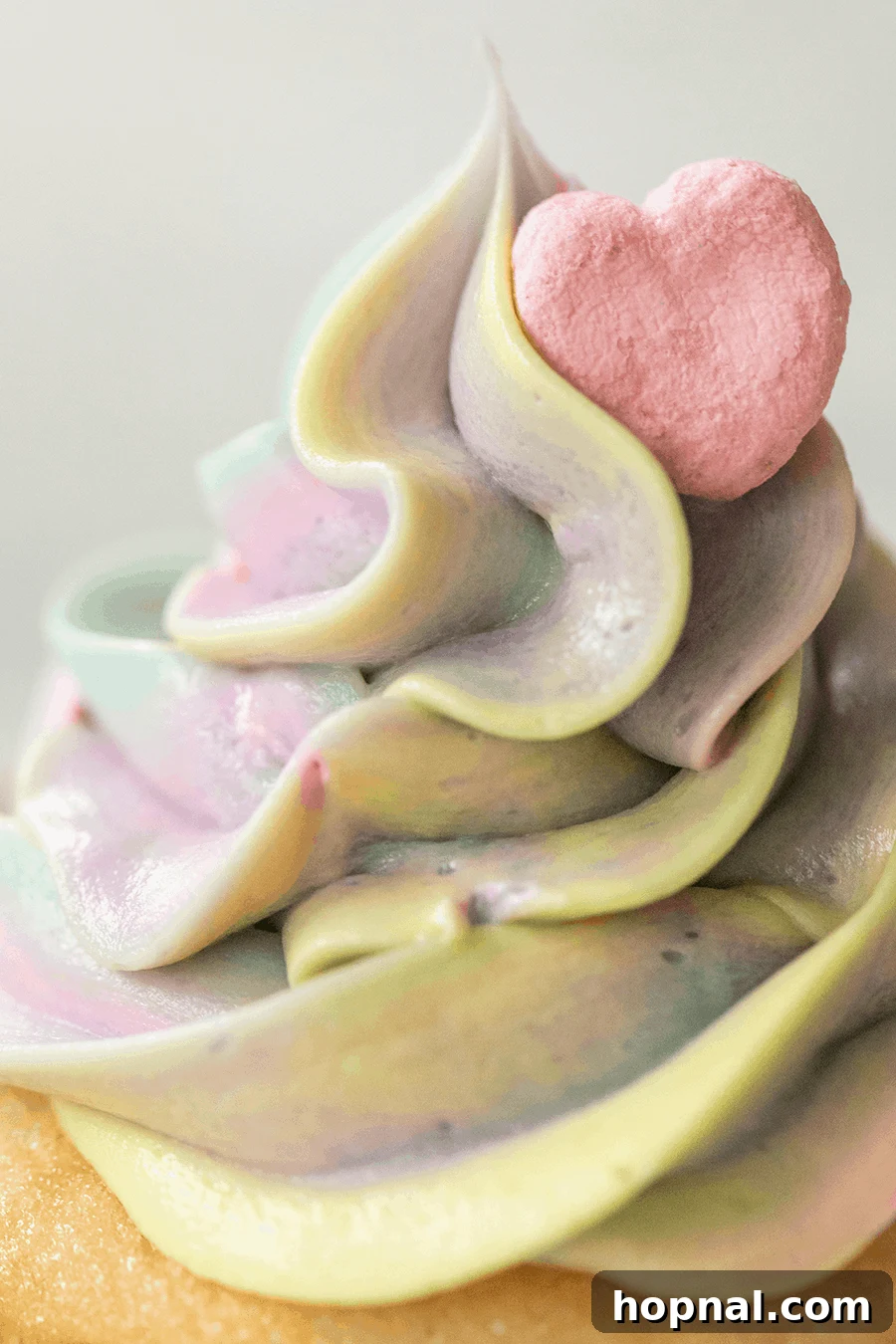
Welcome to the ultimate guide for creating the most luscious, fluffy, and undeniably delicious homemade vanilla buttercream frosting! This isn’t just any frosting recipe; it’s a tried-and-true classic that promises a smooth, creamy, and cloud-like texture every single time. Made with just a few simple, high-quality ingredients, you’ll whip up a batch that will elevate any dessert from ordinary to extraordinary.
Whether you’re decorating a towering layer cake, a batch of cheerful cupcakes, or simply craving a spoonful of pure sweetness, this vanilla buttercream is your perfect companion. We particularly adore it spread generously over our simple vanilla cupcakes, transforming them into edible masterpieces.
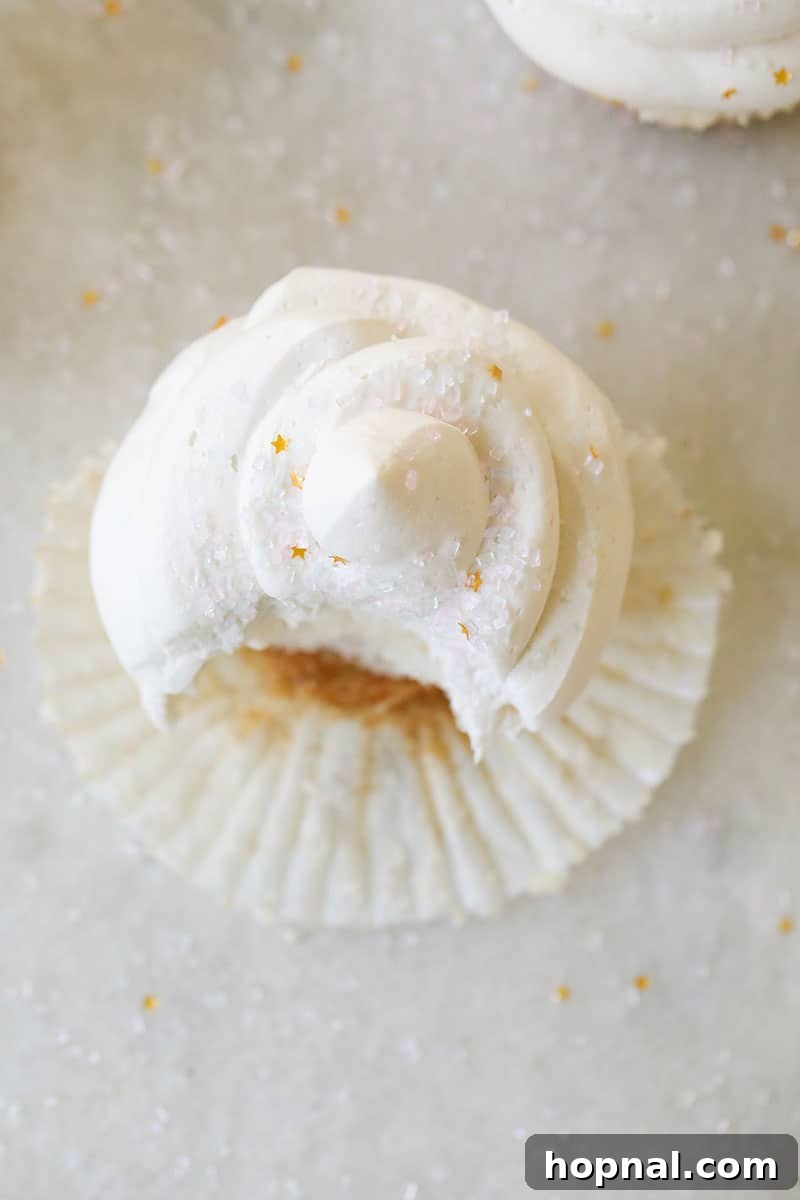
Imagine a frosting so light and airy, yet rich and decadent, that you’d be tempted to eat it straight from the mixing bowl. That’s exactly what you’ll achieve with this whipped buttercream recipe. Its velvety smoothness and delightful fluffiness are unparalleled, making it the ideal choice for adorning everything from vibrant colorful confetti cupcakes to any of your easy cake recipes. The best part? It’s incredibly straightforward to make right in your own kitchen.
Once you experience the superior taste and texture of homemade buttercream, you’ll find it impossible to go back to the dull, artificial flavors of store-bought alternatives. There’s simply no comparison when it comes to the fresh ingredients, vibrant flavor profile, and the satisfying feeling of creating something so wonderfully delicious from scratch.
This recipe isn’t just about frosting; it’s about adding a touch of homemade charm and irresistible flavor to your baked goods. With minimal effort, you can create a frosting that tastes as incredible as it looks, guaranteeing smiles and satisfied sweet cravings. Let’s dive into the simple steps to create this essential vanilla buttercream.
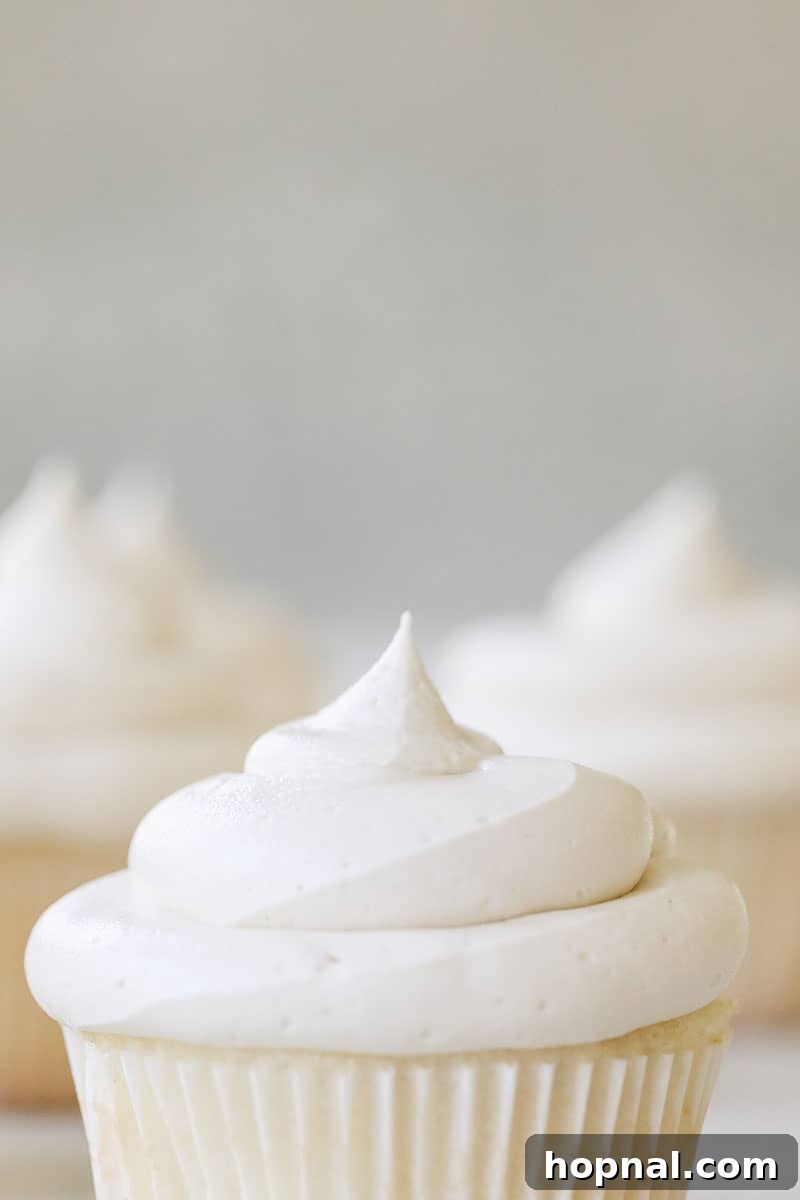
Essential Ingredients for Perfect Buttercream Frosting
Crafting the perfect vanilla buttercream starts with understanding the role each ingredient plays. You’ll be surprised how a few simple components, when combined correctly, can produce such a rich and fluffy result.
- Butter (room temperature): This is the star of our buttercream! For the best flavor and texture, use high-quality butter. I typically opt for salted butter as it helps to balance the sweetness, but unsalted butter works beautifully too. The crucial part is ensuring your butter is truly at room temperature – soft enough to make an indentation with your finger, but not melted. This allows it to cream properly with the sugar, creating that essential light and airy structure.
- Confectioners’ Sugar (Powdered Sugar): Also known as powdered sugar, this ingredient provides the sweetness and, more importantly, the smooth, melt-in-your-mouth texture of the frosting. Unlike granulated sugar, confectioners’ sugar contains a small amount of cornstarch, which prevents caking and helps stabilize the frosting. For an extra silky smooth buttercream, consider sifting your powdered sugar before adding it to remove any lumps.
- Vanilla Extract: The soul of vanilla buttercream! A good quality pure vanilla extract will make a significant difference in the final taste. Avoid imitation vanilla if possible, as it can leave an artificial aftertaste. Don’t be shy with the vanilla – it provides warmth and depth to the sweetness.
- Milk (or Cream): Just a small amount of liquid helps achieve the desired consistency. Organic whole milk is my preference for richness, but any milk (dairy or non-dairy) or even a splash of heavy cream can be used. Start with a minimal amount and add more only if needed, a teaspoon at a time, until your frosting reaches your preferred texture. Sometimes, depending on humidity and butter consistency, you might not need any milk at all!
- A Pinch of Salt (Optional but Recommended): If you’re using unsalted butter, a tiny pinch of fine salt (about 1/4 teaspoon per cup of butter) can enhance all the flavors and cut through the sweetness, creating a more balanced and irresistible frosting.
These core ingredients are all you need to create a foundational vanilla buttercream that is both incredibly versatile and delicious. The magic truly happens during the whipping process, where air is incorporated to create that signature fluffy texture.
Unleash Your Creativity: Elevating Buttercream with Flavor
While classic vanilla buttercream is utterly delicious on its own, one of its greatest strengths is its adaptability. You can effortlessly transform its flavor profile to complement any dessert or occasion by simply swapping or adding a few ingredients. The vanilla provides that signature warm and comforting base, but think of it as a canvas for your culinary creativity.
The easiest way to introduce new flavors is by exchanging or supplementing the vanilla extract with other flavored extracts. This allows for a subtle yet distinct hint of your chosen flavor to shine through without altering the texture of the frosting significantly.
Here are some popular and delightful flavor options to experiment with:
- Almond: A wonderfully classic pairing, almond extract adds a sophisticated, nutty aroma and taste.
- Lemon/Orange/Lime: Citrus extracts or even fresh zest (added at the end) can provide a bright, zesty, and refreshing counterpoint to the sweetness.
- Peppermint: Perfect for holiday treats, peppermint extract delivers a cool, invigorating flavor.
- Lavender: For a floral and elegant touch, a small amount of food-grade lavender extract can be truly unique.
- Banana: A natural choice for banana bread or cupcake frostings, banana extract offers a sweet, fruity note.
- Cardamom: For something exotic and warm, a touch of cardamom extract or ground cardamom (sifted in with the sugar) can be intriguing.
- Cinnamon/Nutmeg: Warm spices are excellent, especially for autumn or winter desserts. Add a pinch of ground cinnamon or nutmeg to the powdered sugar.
- Coconut: Coconut extract instantly transports you to a tropical paradise, ideal for summer bakes.
- Coffee/Espresso: Dissolve instant espresso powder in a tiny bit of the milk before adding for a rich, bold coffee flavor.
- Chocolate: For a decadent chocolate buttercream, sift in cocoa powder along with the confectioners’ sugar. You may need a tiny bit more liquid to maintain consistency.
When experimenting, start with a small amount of extract (around 1/2 teaspoon for the base recipe) and taste as you go, gradually adding more until you reach your desired intensity. Remember, you can always add more, but you can’t take it away!
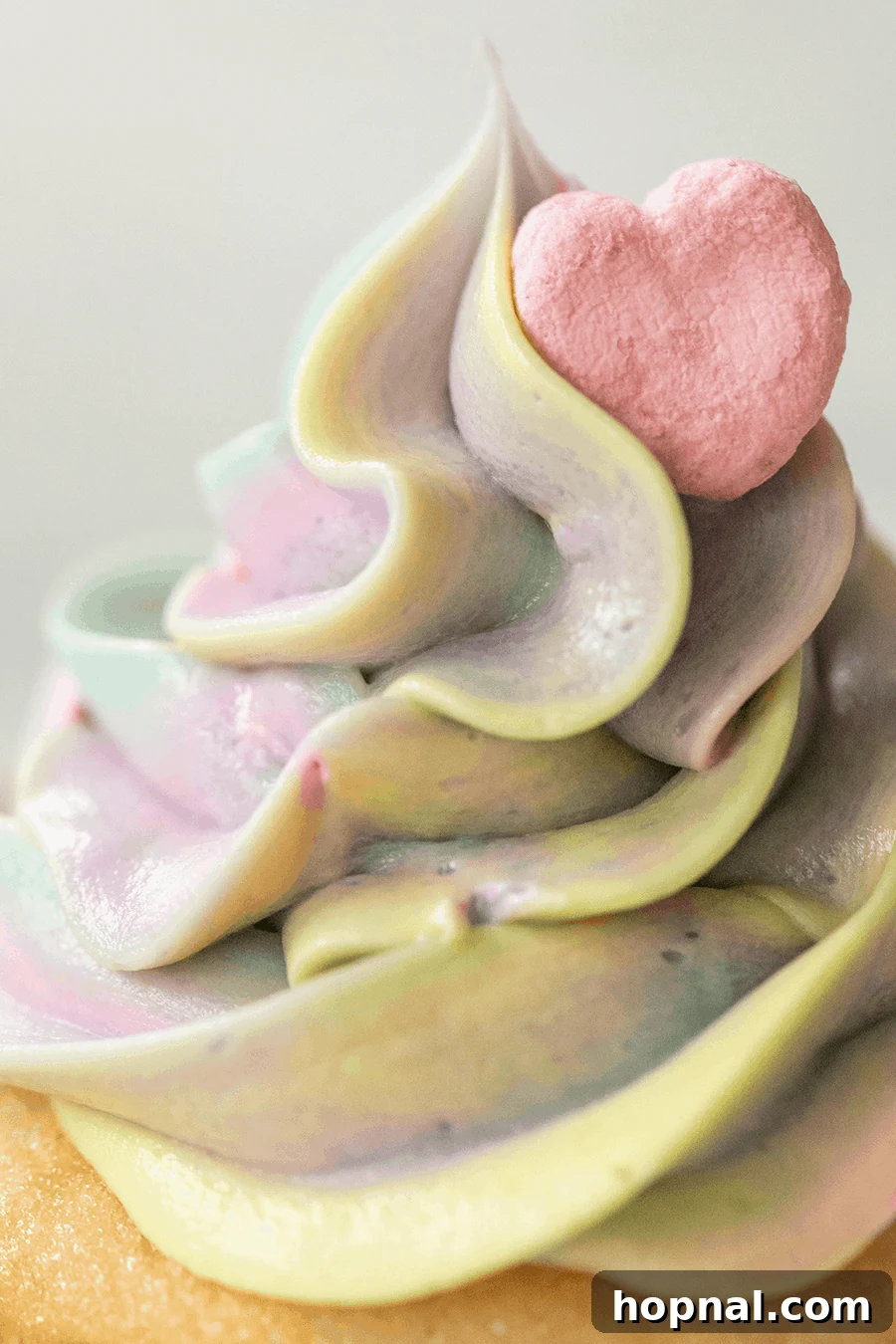
Crafting Vibrant & Colorful Buttercream Frosting
Transforming your pristine white vanilla buttercream into a kaleidoscope of colors is not only simple but incredibly fun! Adding vibrant hues makes your desserts visually stunning and perfectly suited for celebrations, holidays, or just brightening someone’s day. Whether you’re aiming for a subtle pastel or an intense, bold shade, the process is straightforward.
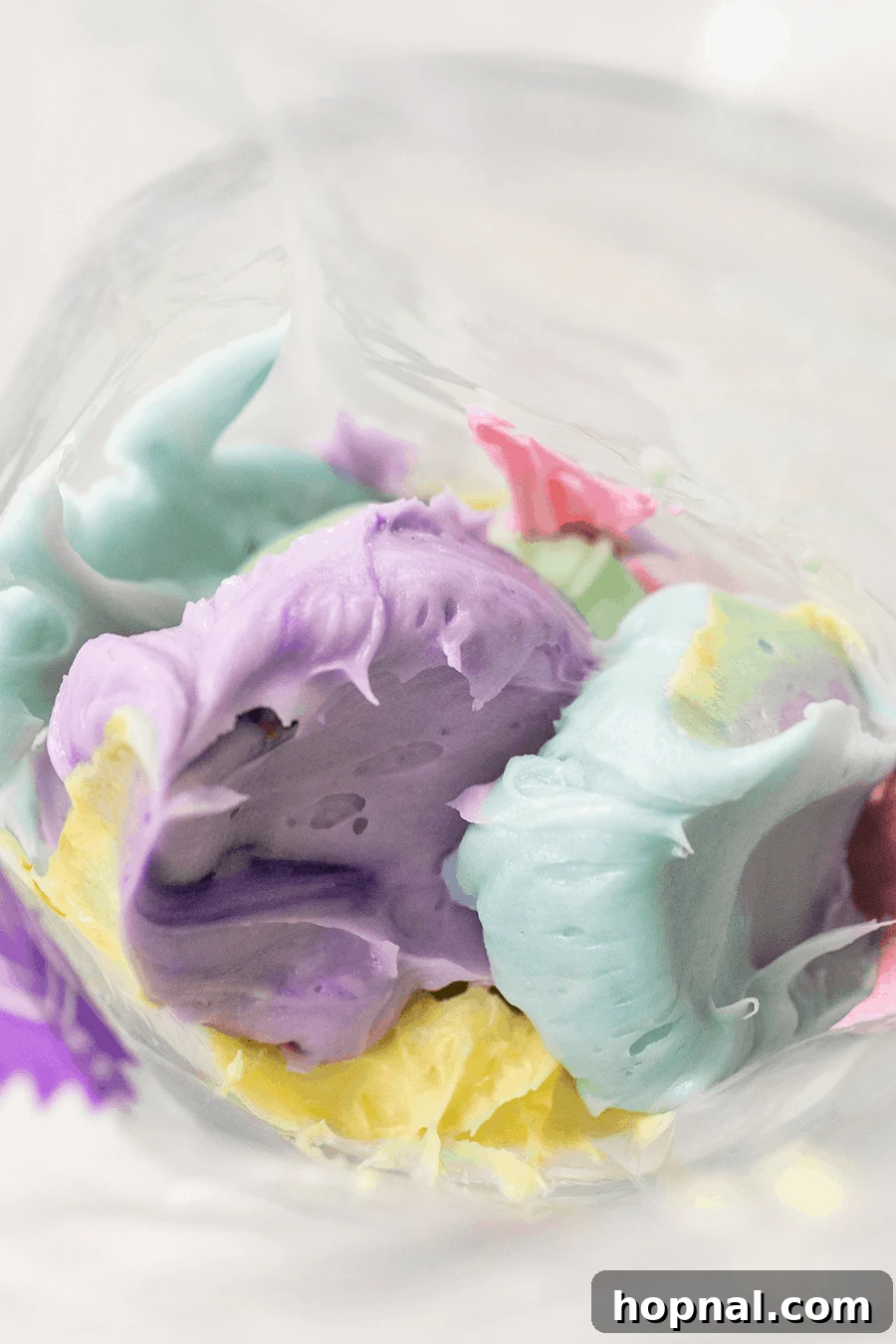
To create rainbow buttercream or any multi-colored design, begin by dividing your freshly whipped frosting into several separate bowls. This allows you to dye each portion individually. For the most vivid and concentrated colors without significantly altering the frosting’s texture, I highly recommend using gel food coloring.
Tips for Optimal Coloring:
- Gel Food Coloring is Key: Unlike liquid food coloring, gel colors are highly concentrated, meaning you need only a tiny drop to achieve rich, vibrant shades. Liquid colors can thin out your buttercream if you use too much.
- Start Small: Always add food coloring a tiny bit at a time using a toothpick. Mix thoroughly after each addition and observe the color before adding more. Colors tend to deepen slightly as they sit, so it’s better to under-color and add more later.
- Mix Thoroughly: Ensure the color is evenly distributed throughout the frosting. Use a spatula to fold the color in, scraping down the sides of the bowl to avoid streaks.
- For Swirled Effects: Once you have your different colored frostings, spoon them alternately into a single piping bag. You can create distinct stripes or a marbled effect. Gently push the frosting down into the bag, twist the top, and start piping. As you pipe, the colors will beautifully swirl together, creating a stunning visual impact on your cupcakes or cakes.
This technique is perfect for themed parties, birthdays, or festive events. For example, I used this method to create the enchanting, multi-colored frosting for our Lucky Charms Cupcakes, which were filled with marshmallow cream and were an absolute hit! The visual appeal of colorful swirls makes every bite a delightful experience.
Don’t be afraid to experiment with color combinations. From ombre designs to vibrant rainbow patterns, the possibilities are endless. Enjoy the creative process of bringing your desserts to life with a splash of color!
Master Your Buttercream: Expert Tips & Troubleshooting
Achieving consistently perfect buttercream is a rewarding skill. Even experienced bakers encounter challenges, but with these tips and troubleshooting advice, you’ll be able to create flawless frosting every time.
Essential Tips for Success:
- Room Temperature Ingredients are Non-Negotiable: This cannot be stressed enough, especially for butter. Butter that is too cold won’t cream properly, leading to a lumpy, dense frosting. Butter that is too warm (greasy) will result in a runny, unstable buttercream. Your butter should be soft enough to leave an indentation when gently pressed, but still hold its shape.
- Sift Your Confectioners’ Sugar: Powdered sugar often contains small lumps that can make your buttercream grainy. A quick sift ensures a supremely smooth, silky texture that melts beautifully in your mouth.
- Whip It Good (and Long): Don’t underestimate the power of whipping. Beat the butter alone first until it’s light and fluffy, then continue beating once the sugar is added. This incorporates air, which is essential for that signature light and fluffy consistency. Aim for at least 2-4 minutes of beating after all ingredients are combined.
- Scrape Down the Bowl: Regularly stop your mixer and scrape down the sides and bottom of the bowl with a spatula. This ensures all ingredients are fully incorporated and prevents streaks of unmixed butter or sugar.
- Adjust Consistency Gradually: If your frosting is too thick, add milk (or cream) a teaspoon at a time until desired consistency is reached. If it’s too thin, add more sifted confectioners’ sugar a tablespoon at a time. Be patient and make small adjustments.
Troubleshooting Common Buttercream Issues:
- Runny Buttercream: This often happens if the butter was too warm, too much liquid was added, or it’s a very hot day. Try chilling the frosting in the refrigerator for 10-15 minutes, then re-whipping it. If still too thin, add more sifted confectioners’ sugar a spoonful at a time.
- Stiff Buttercream: If your frosting is too thick to spread, it likely needs more liquid. Add milk or cream, 1 teaspoon at a time, mixing well after each addition until it loosens up to your desired consistency.
- Grainy Buttercream: The culprit here is usually unsifted powdered sugar or butter that wasn’t at the right temperature. If it’s grainy from lumps, continue beating on medium-high speed for a few more minutes; the friction can sometimes help dissolve stubborn sugar particles. Sifting sugar beforehand is the best preventative measure.
- Curdled Appearance: This can happen if the butter and liquid are at drastically different temperatures. Don’t panic! Continue beating on medium-high speed. As the ingredients combine and emulsify, it should come back together into a smooth consistency. A slight chill in the fridge for a few minutes can also help, followed by re-whipping.
With these insights, you’ll be well-equipped to tackle any buttercream challenge and consistently produce a frosting that impresses!
Frequently Asked Questions About Buttercream Frosting
Here are some common questions about making, storing, and understanding buttercream frosting to ensure your baking endeavors are always a success.
- Can buttercream frosting be left out?
Yes, traditional American buttercream (like this recipe, made with butter, powdered sugar, and a small amount of milk/cream) can generally be left out at cool room temperature (below 70°F or 21°C) for up to 2-3 days. This is because the high sugar and fat content acts as a preservative. However, always ensure it’s stored in an airtight container to prevent it from drying out or absorbing odors. If your kitchen is particularly warm, or if you’re concerned, refrigeration is always the safest option. - Do you have to refrigerate a cake with buttercream frosting?
For short-term storage (1-2 days), a cake frosted with American buttercream does not typically need to be refrigerated, provided it’s kept in a cool place and covered with a cake dome or an airtight container. This helps maintain the cake’s moisture and prevents the buttercream from drying or cracking. For longer storage or if your home is warm, refrigerate the cake. Just be sure to bring it back to room temperature for about 30-60 minutes before serving for the best flavor and texture. - Is buttercream frosting the same as whipped frosting?
The term “whipped frosting” can be a bit broad, but American buttercream, especially when prepared by beating room-temperature butter and sugar at high speed to incorporate a lot of air, certainly fits the description. This process gives it a light, airy, and fluffy texture, making it feel “whipped.” There are other types of whipped frostings, like whipped cream frosting (which is lighter and dairy-based) or meringue-based frostings (like Swiss or Italian meringue buttercream, which are typically lighter and less sweet than American buttercream). So, while American buttercream can be considered a type of whipped frosting, not all whipped frostings are buttercream. - Can I make buttercream frosting ahead of time?
Absolutely! Buttercream is a fantastic make-ahead component. You can prepare it several days in advance and store it in an airtight container in the refrigerator for up to 1-2 weeks. When you’re ready to use it, let it come back to room temperature (this might take a few hours), then re-whipping it with your electric mixer for a few minutes until it’s light and fluffy again. You might need to add a tiny splash of milk or cream to bring it back to the perfect consistency. - Can buttercream frosting be frozen?
Yes, buttercream freezes beautifully! Store it in an airtight container or a freezer-safe bag for up to 3 months. To use, transfer it to the refrigerator overnight to thaw, then let it come to room temperature on the counter. Re-whip it thoroughly in your electric mixer until it’s smooth and fluffy again, adding a little milk if necessary. - Why is my buttercream yellow?
The color of your buttercream is primarily determined by the butter you use. High-quality butter, especially grass-fed butter, naturally has a yellowish tint due to beta-carotene. This is completely normal and indicates good quality butter. If you desire a whiter frosting, you can add a tiny, tiny touch of purple food coloring (like lavender or violet) to neutralize the yellow tones, but be careful not to add too much or you’ll end up with purple frosting!
Now that you’ve mastered the art of making fluffy homemade vanilla buttercream, you’re ready to tackle any baking project with confidence!
Explore More Delicious Frosting Recipes
If you’re looking to expand your frosting repertoire, here are some other incredible recipes to try:
- Chocolate Sour Cream Frosting
- Swiss Meringue Buttercream Frosting
- Maple Syrup Frosting
- Easy Chocolate Frosting
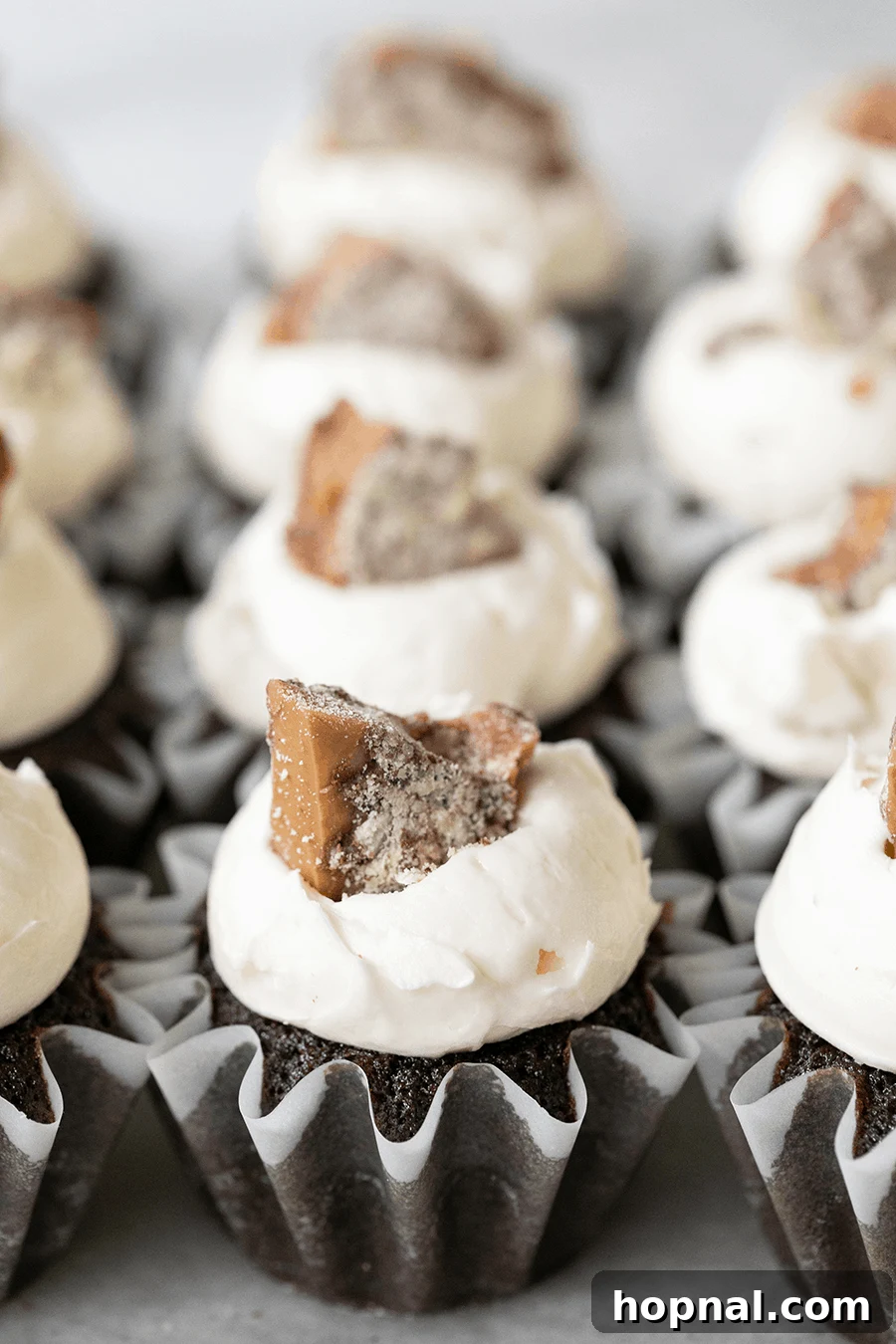
Don’t forget to check out my favorite chocolate cupcakes, which are perfectly complemented by our easy, homemade buttercream frosting! They even have delightful toffee baked right into the center for an extra special treat.
We absolutely love hearing from you! If you whip up this easy homemade vanilla buttercream frosting, please let us know by leaving a comment and a review below. Your feedback inspires us to keep sharing delicious recipes!
Classic Fluffy Vanilla Buttercream Frosting
Pin Recipe
Print Recipe
Equipment
- Electric Mixer (stand mixer or hand mixer)
Ingredients
- 1 cup (2 sticks) salted butter, room temperature and softened
- 2 cups confectioners’ sugar, sifted (also known as powdered sugar)
- 2 tsp pure vanilla extract
- 1 tbsp whole milk (or heavy cream), adjust as needed
Instructions
-
In the bowl of an electric mixer fitted with the paddle attachment (or using a hand mixer), beat the softened room-temperature butter on medium-high speed for 2-3 minutes until it is light, fluffy, and pale in color.
-
Gradually add the sifted confectioners’ sugar, one cup at a time, beating on low speed until just combined, then increase to medium speed. Scrape down the sides of the bowl frequently to ensure all ingredients are incorporated.
-
Once all the sugar is added and mixed, scrape down the sides of the bowl again. Add the vanilla extract and 1 tablespoon of milk (or cream).
-
Increase the mixer speed to medium-high and continue to beat for another 2-4 minutes until the frosting is super whipped, incredibly light, and fluffy. If the frosting is too thick, add more milk, 1 teaspoon at a time, until the desired consistency is reached.
Notes
This recipe yields approximately 2 cups of frosting, which is enough to generously frost about 12 standard cupcakes, one 9-inch round cake (top and sides), or the top of one 9×13 inch sheet cake.
If you’re making a larger batch, such as for 24 cupcakes or a multi-layer cake, simply double the recipe ingredients.
For the absolute best taste, always use high-quality butter, pure vanilla extract, and fresh milk. The quality of your ingredients directly impacts the deliciousness of your finished buttercream!
When storing, ensure the buttercream is in an airtight container to prevent it from drying out or absorbing foreign odors.
Nutrition Information (Approximate Per Serving)
This recipe yields approximately 2 cups of frosting. If divided into 12 servings (approx. 2 tablespoons each), the nutritional information per serving is as follows:
- Calories: ~216 kcal
- Carbohydrates: ~20g
- Protein: ~0.17g
- Fat: ~15.4g
- Saturated Fat: ~9.75g
- Cholesterol: ~40.8mg
- Sodium: ~136mg
- Potassium: ~4.5mg
- Sugar: ~19.75g
- Vitamin A: ~472 IU
- Calcium: ~5.9mg
Nutrition information is automatically calculated and should be used as an approximation. Actual values may vary based on specific brands and ingredient measurements.