
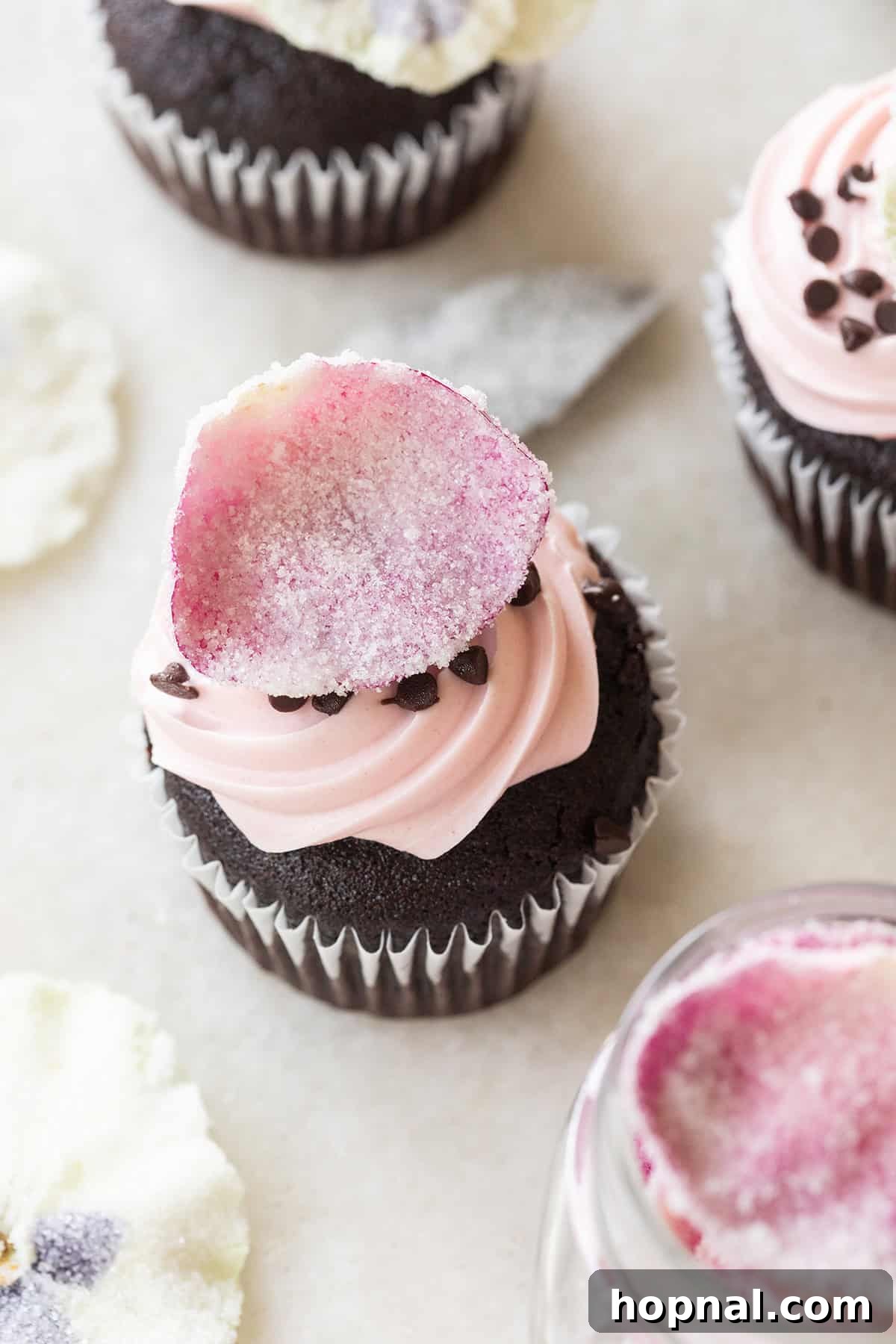
Transform your edible blossoms into exquisite, long-lasting decorations with the art of making sugared flowers! These delicate, crystallized blooms are not just a treat for the eyes but also add a unique touch of elegance and whimsy to any dessert or cocktail. Imagine topping a celebratory cake with shimmering violets or garnishing a refreshing drink with a glistening rose petal. The best part? They’re surprisingly simple to create at home, requiring just a few common ingredients and a bit of patience, and they can last for up to six months. Beyond personal use, sugared flowers make truly charming and thoughtful homemade gifts, perfect for any occasion.
If you’re looking for more creative ways to elevate your culinary presentations, explore our guides on dried pineapple flowers and dehydrated orange slices. To expand your knowledge of safe and beautiful floral edibles, refer to our comprehensive edible flower list and chart, which details a wide array of blossoms suitable for consumption.
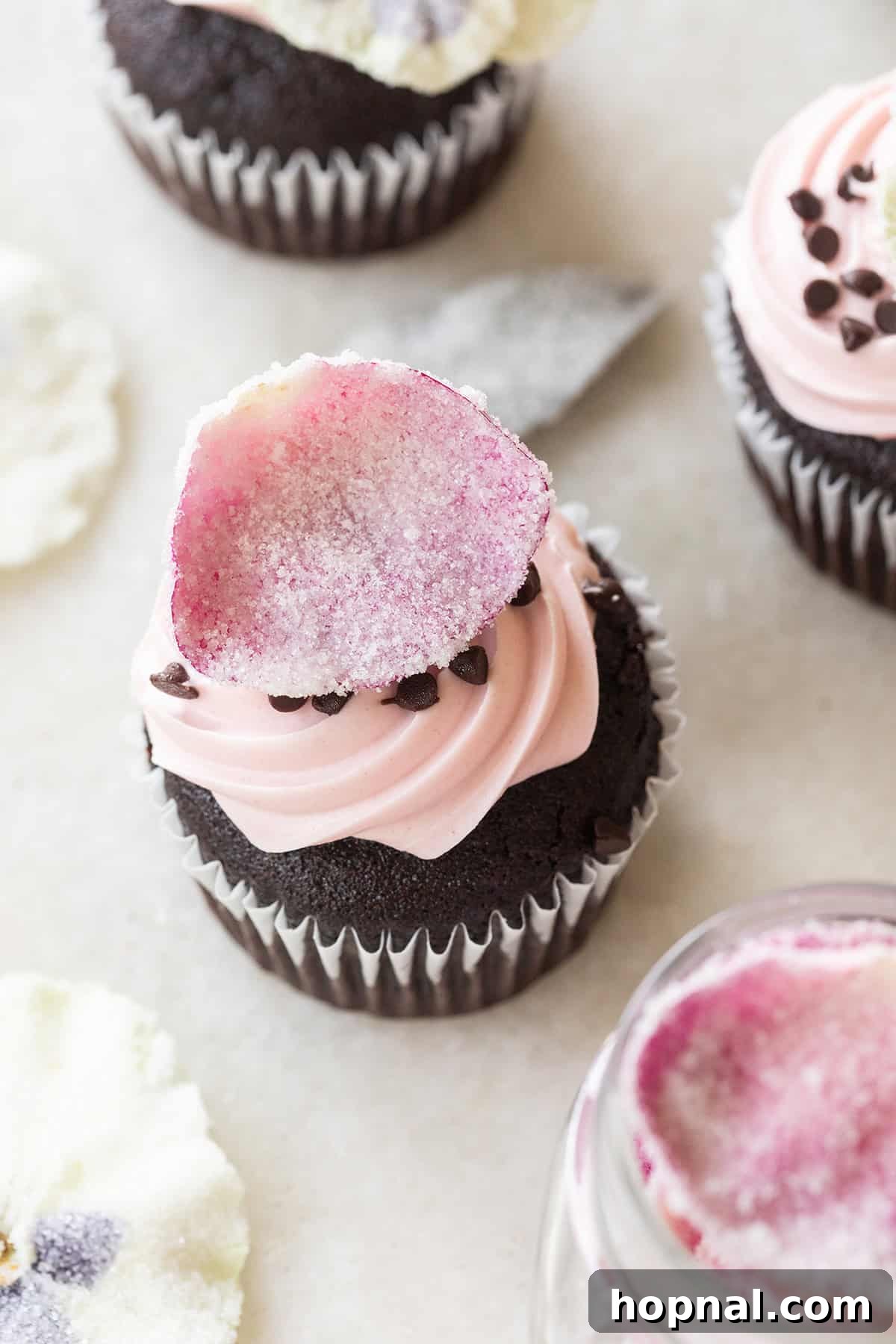
My garden often overflows with vibrant blooms, and instead of letting their beauty fade, I love to capture their essence by transforming them into sugared flowers. This age-old preservation technique not only extends their lifespan but also adds an enchanting sparkle that elevates ordinary dishes into something extraordinary. The process itself is quite meditative, involving a gentle application of a sugary coating followed by a period of patient drying, resulting in a beautiful, edible masterpiece.
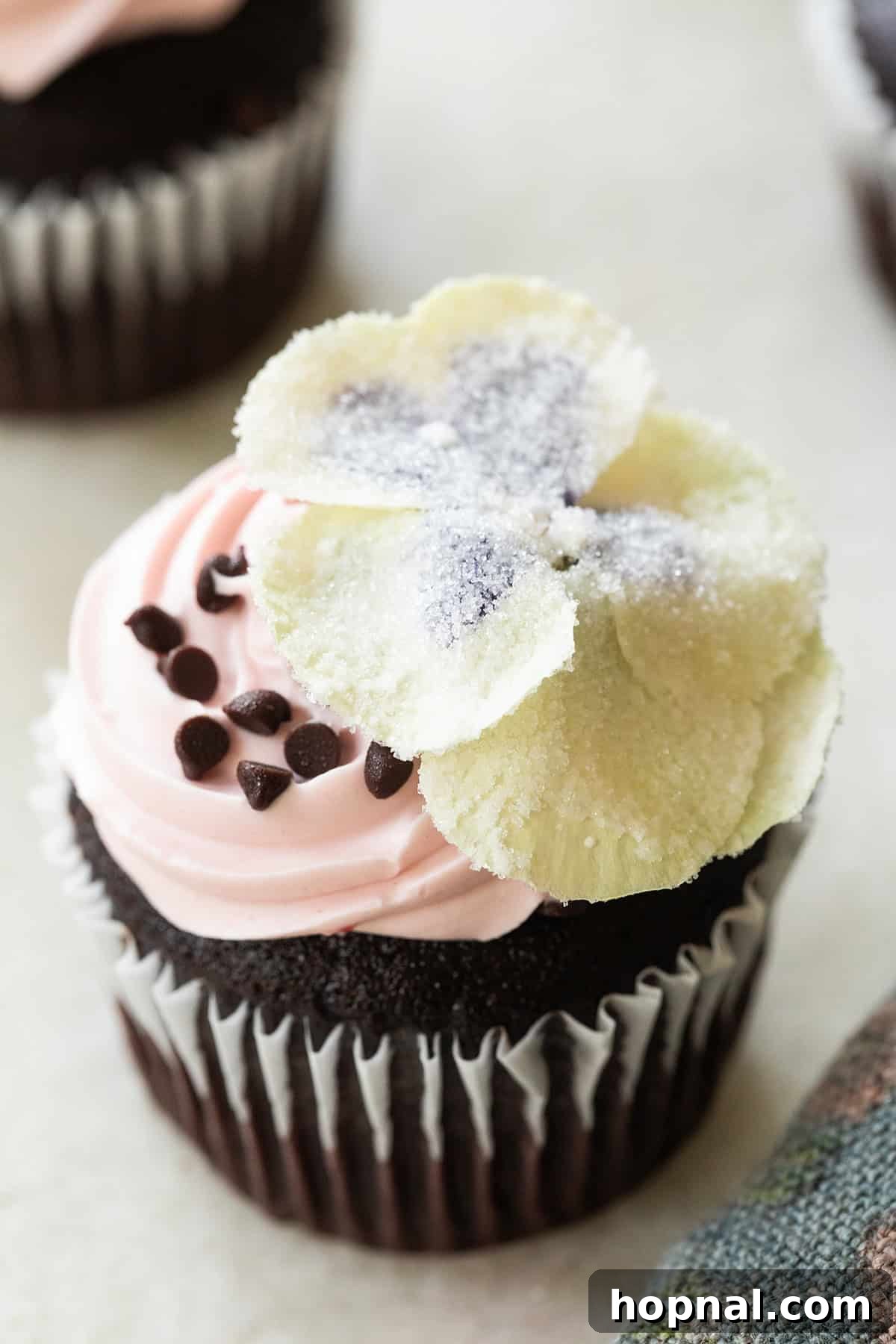
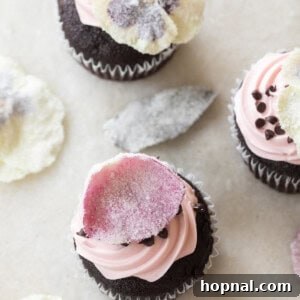
These candied blossoms are particularly wonderful during the colder winter months when fresh flowers are scarce. Having a jar of homemade sugared flowers on hand means I can effortlessly add a touch of sophistication and charm to my culinary creations, even when my garden is dormant. They are fantastic atop favorite cake recipes, festive confetti cupcakes, delightful pie recipes, lemon pots with lavender, and virtually any dish that could use a delicate, decorative flourish. They instantly transform everyday treats into celebration-worthy delights.
Another fantastic way to preserve the beauty of edible flowers for a different kind of culinary use is by making edible flower ice cubes. These add a stunning visual element to drinks without affecting their flavor profile.
Creative Ways to Use Sugared Flowers
Once you’ve mastered the simple technique of making sugared flowers, a world of creative culinary possibilities opens up. These delicate, glittering embellishments can transform ordinary dishes and drinks into memorable experiences. Here are some of our favorite ways to incorporate sugared flowers into your repertoire:
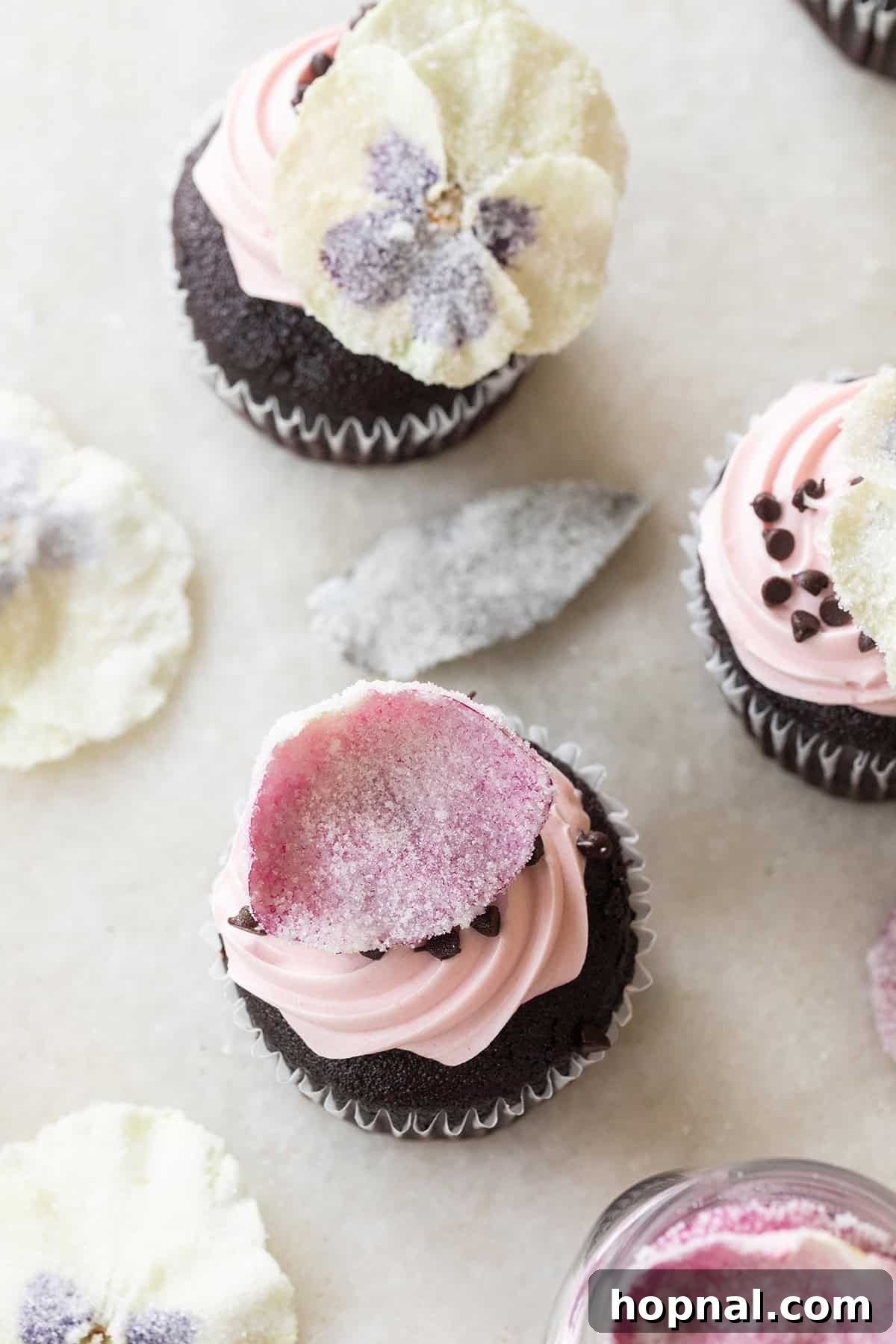
- Elegant Dessert Garnishes: Elevate your sweet treats to patisserie-level perfection. Arrange candied flowers on cakes, cupcakes, tarts, and cookies for an instant sophisticated appeal. They add a beautiful textural contrast and a subtle floral note. Consider them for special occasions like weddings, birthdays, or afternoon tea spreads. They are particularly stunning on neutral-colored icings or glazes, allowing their vibrant hues to truly pop.
- Dazzling Cocktail & Drink Enhancements: Turn any beverage into a work of art. Gently float a single sugared flower in a champagne flute, atop a festive cocktail, or even in a glass of sparkling water for a touch of glamour. For a more dramatic presentation, you can clip them to the rim of the glass, as we do for our popular harvest punch recipe. They dissolve slowly, releasing a hint of sweetness and visual appeal that lasts the entire drink.
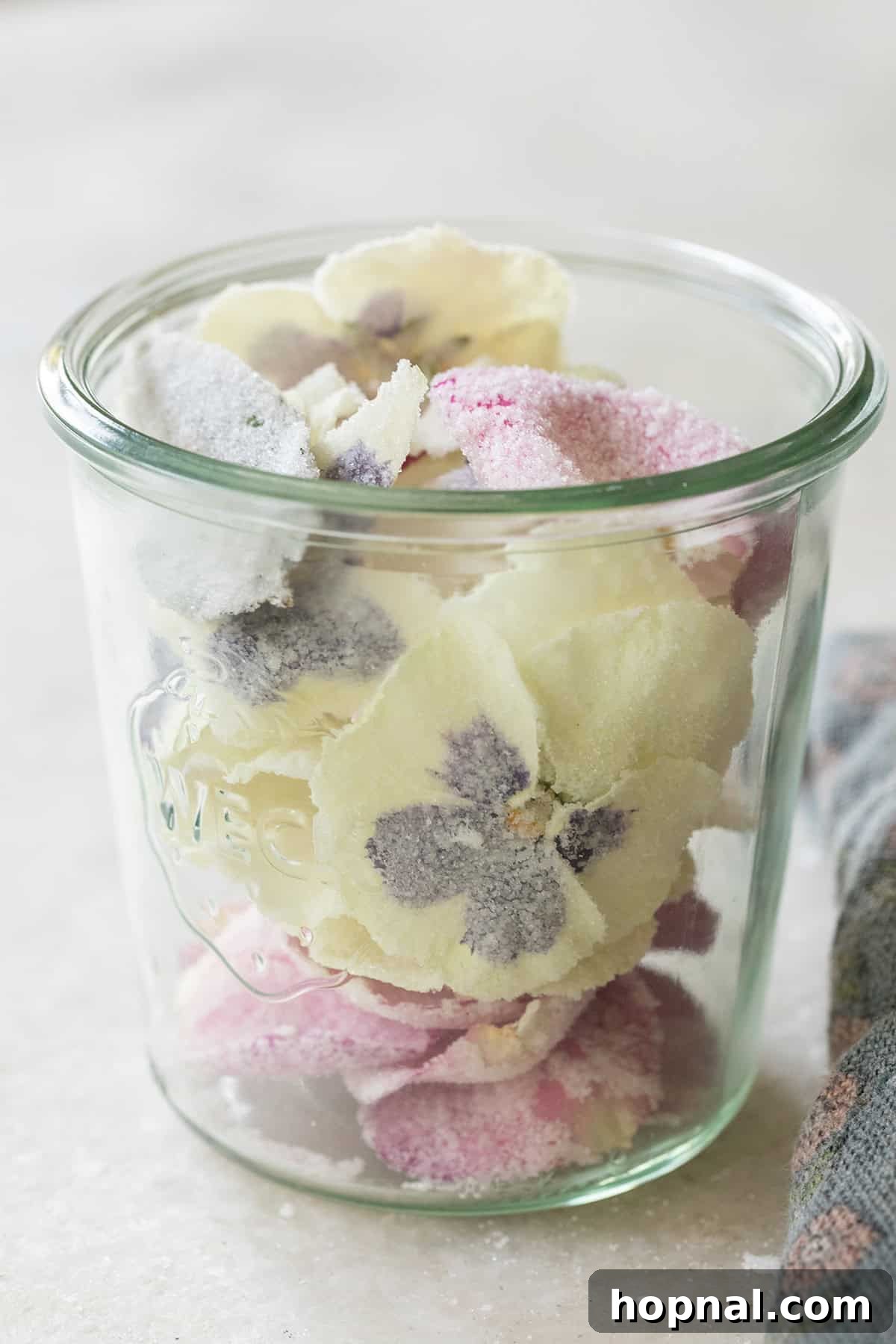
- Charming Homemade Gifts: Packaged beautifully in small glass jars, clear boxes, or elegant sachets, sugared flowers make exquisite homemade gifts. They are perfect for hostesses, party favors, bridal shower gifts, or as a thoughtful token for friends and family. A handwritten tag detailing their edible nature and suggested uses adds a personal touch that recipients will adore. They represent a labor of love and a unique craft that many will appreciate.
- Artistic Plate Decorations: Beyond direct consumption, sugared flowers can serve as stunning, edible decorations around a main course or appetizer plate. Their vibrant colors and delicate forms add an artistic flair, making any meal feel special.
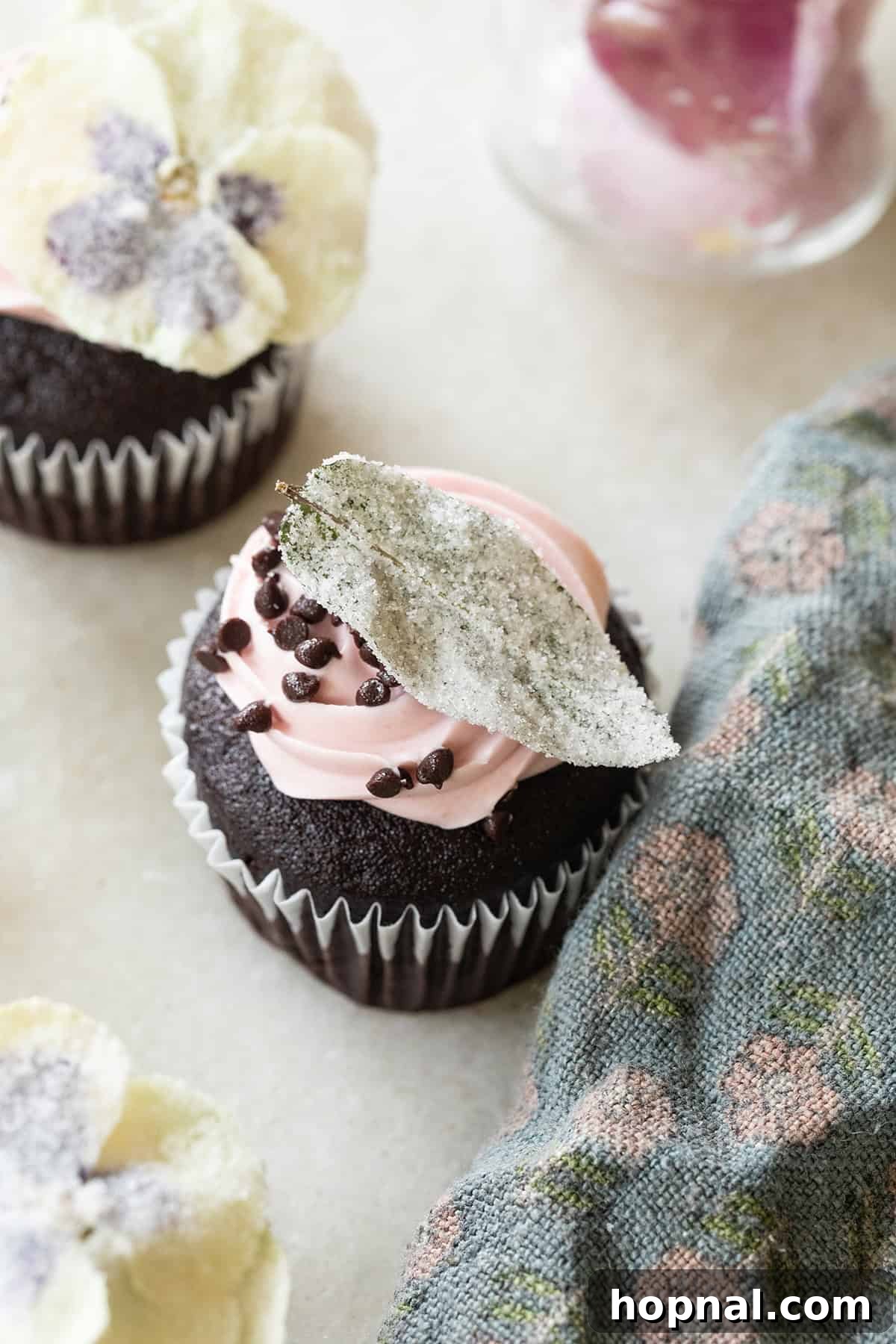
- Beyond the Sweet: While primarily used in sweet applications, a very subtle use of a sugared herb (like mint or sage) can surprisingly complement certain savory dishes, offering a surprising visual and aromatic twist.
Essential Ingredient Notes for Perfect Sugared Flowers
Creating beautiful sugared flowers relies on a few key ingredients, each playing a crucial role in achieving that crisp, sparkling finish and long-lasting preservation. Understanding why each component is used will help you master this delightful craft.
- Fresh Edible Flowers: The star of the show! The fresher your flowers, the better the result. Ideally, pick them in the morning after the dew has dried but before the heat of the day causes them to wilt. Excellent choices include pansies, violets, tiny rosebuds (ensure they are organic and free from pesticides), calendula, and even some herbs like mint or sage. It’s crucial to use only flowers specifically known to be edible and ensure they haven’t been treated with any chemicals. We cultivate roses and pansies in our edible flower garden, and they consistently yield fantastic results for candying. Always consult a reliable list of edible flowers before selecting your blooms.
- Meringue Powder: This dry mixture is a baking essential, typically composed of pasteurized egg whites, sugar, and various stabilizing agents. When rehydrated, it forms a protective, adhesive layer that allows the sugar to cling to the delicate petals. Meringue powder is preferred over fresh egg whites for candying flowers because it’s food-safe (pasteurized), shelf-stable, and yields a more consistent result. It helps create a stronger coating and ensures the flowers dry crisp without spoiling. You can easily find meringue powder at most baking supply stores or purchase it online.
- Vodka: While some recipes call for water, using vodka in your meringue mixture offers significant advantages for preserving sugared flowers. Its higher alcohol content acts as a natural preservative, inhibiting bacterial growth and extending the shelf life of your candied blooms. Additionally, vodka evaporates much more quickly than water, which is vital for the sugar to harden efficiently and create that desirable crunchy, crystallized coating. Don’t worry about the alcohol content; it dissipates completely during the drying process, leaving behind only the floral essence and a sweet crunch.
- Granulated Sugar (Superfine works best): The final, sparkling layer. While regular granulated sugar will work, superfine sugar (also known as caster sugar) is highly recommended. Its smaller granules adhere more evenly and densely to the flower petals, resulting in a smoother, more uniform coating and a more dazzling, professional appearance. If you only have regular granulated sugar, you can pulse it briefly in a food processor to achieve a finer consistency.
Expert Tips for Crafting Flawless Sugared Flowers
While the process of making sugared flowers is straightforward, a few key tips can help you achieve truly spectacular results every time. Follow these recommendations to ensure your candied blooms are as beautiful and long-lasting as possible:
- Start with the Freshest Blooms: The quality of your finished sugared flowers directly correlates with the freshness of your raw materials. For optimal results, use fresh edible flowers that are free from blemishes or wilting. If possible, harvest them early in the morning after the dew has evaporated but before the sun’s heat can cause them stress. This ensures the petals are firm and vibrant, providing the best canvas for sugaring.
- Handle with Utmost Care: Edible flowers are incredibly delicate. When picking, washing, and coating them, exercise extreme gentleness to avoid bruising or tearing their fragile petals. Use soft brushes or tweezers if necessary to manipulate them without damage. A light hand is crucial for maintaining their natural shape and beauty.
- Expand Your Horizons to Herbs: Don’t limit yourself to just flowers! Many flat, edible herbs can also be candied beautifully. Sage and mint leaves, for example, yield stunning sugared versions that can offer a unique aromatic twist to garnishes. Experiment with different shapes and sizes to see what captivating results you can achieve.
- Choose Superfine Sugar for a Superior Finish: While regular granulated sugar works, superfine sugar (caster sugar) is highly recommended for a smoother, more even, and more delicate coating. Its finer granules adhere seamlessly to the intricate details of the flower petals, creating a professional-looking, glistening finish that sparkles brilliantly. If you only have regular sugar, you can briefly pulse it in a clean coffee grinder or food processor to achieve a finer texture.
- Ensure Even Coverage of Meringue Mixture: When brushing on the meringue and vodka mixture, make sure every part of the flower – front and back, every petal and stem base – is lightly but thoroughly coated. This layer acts as the glue for the sugar and is essential for complete crystallization and preservation. Too little, and the sugar won’t stick; too much, and it may clump or take longer to dry.
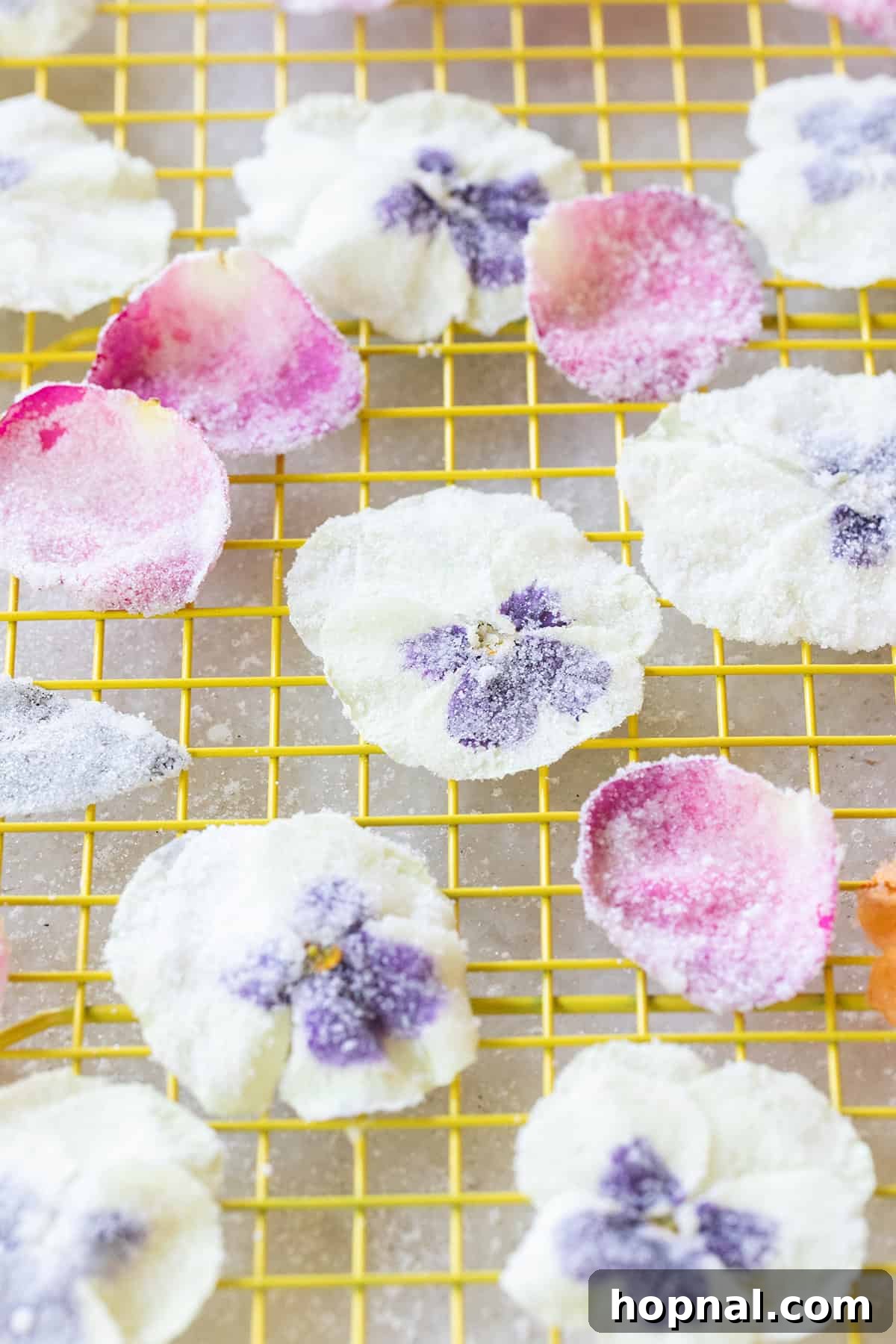
- Promote Excellent Air Circulation for Drying: Proper drying is critical for crispy, non-sticky sugared flowers. Place your coated flowers on a wire cooling rack set over parchment paper. This allows air to circulate freely around all sides of the flowers, ensuring they dry evenly and completely. Avoid placing them directly on a flat surface, which can trap moisture.
- Be Patient with Drying Time: Resist the urge to rush the drying process. Depending on the humidity and temperature of your environment, sugared flowers can take anywhere from 24 to 36 hours (or even longer) to fully dehydrate and harden. They are ready when they feel completely firm and crisp to the touch, with no stickiness.
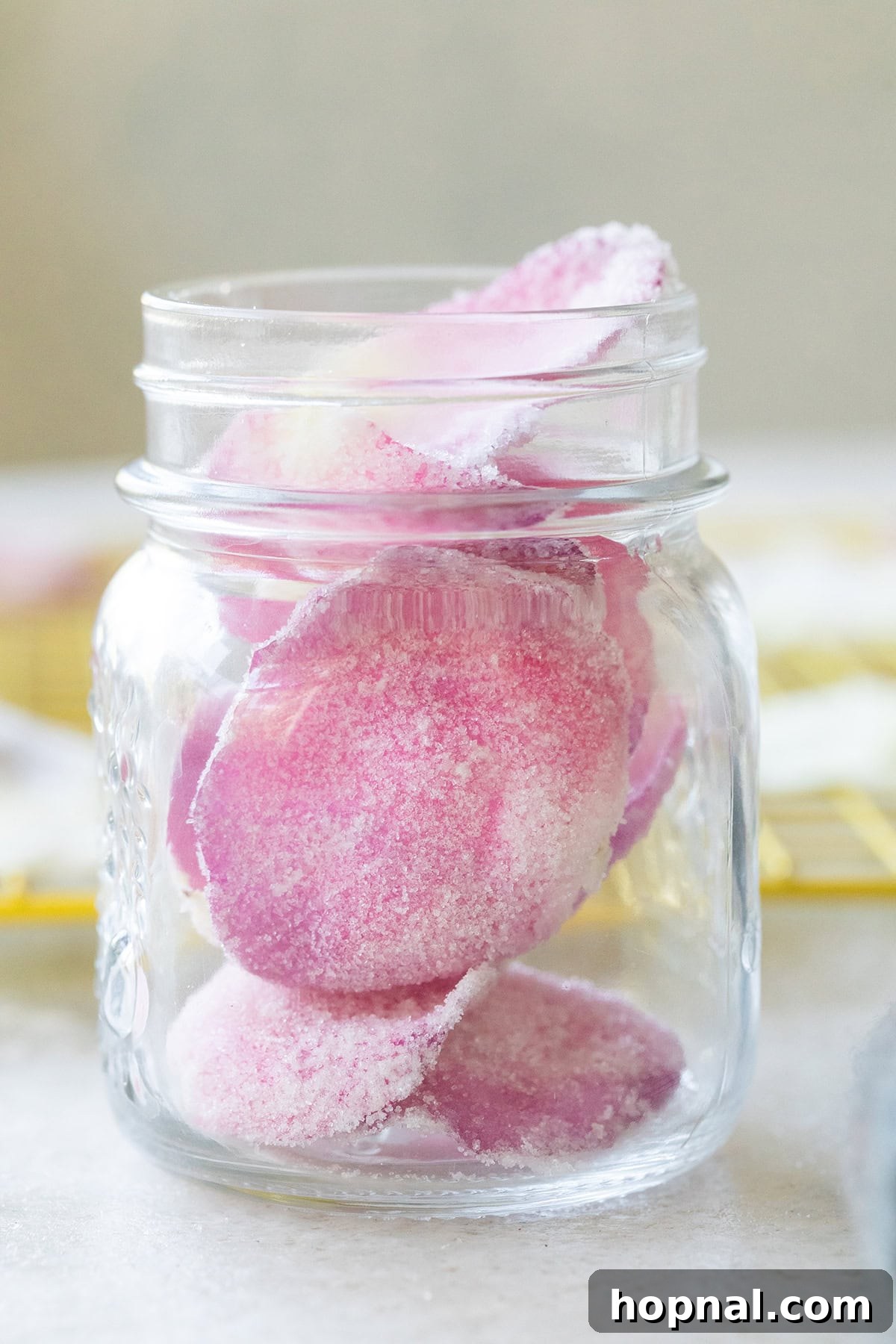
- Store Properly for Longevity: Once completely dry, store your candied or sugared flowers in an airtight container at room temperature, away from direct sunlight and humidity. This will prevent them from absorbing moisture and becoming sticky, preserving their crispness and beauty for up to 6 months. Layer them gently between sheets of parchment or tissue paper to prevent damage.
How to Store Sugared Flowers for Lasting Beauty
Proper storage is key to ensuring your beautifully crafted sugared flowers maintain their crisp texture and exquisite appearance for as long as possible. Once your delicate creations are completely dehydrated and firm, they are ready for storage, which can extend their shelf life significantly.
The most crucial step is to ensure they are **absolutely dry** before storing. Any residual moisture will cause them to become sticky, lose their crispness, and potentially spoil. Gently touch a petal; it should feel hard and brittle, not tacky or soft. If there’s any doubt, allow them to air dry for a few more hours.
Once thoroughly dry, transfer your sugared flowers to an airtight container. This is paramount to protect them from humidity, which is their biggest enemy. A glass jar with a tight-fitting lid or a plastic container with a secure seal works perfectly. To prevent them from jostling and breaking, you can gently layer them between sheets of parchment paper or tissue paper within the container. This also helps absorb any trace moisture and keeps different flower types separated if desired.
Store the sealed container in a cool, dry place, away from direct sunlight, heat, or any sources of humidity (like near a stove or a window that gets direct sun). A pantry shelf or a cupboard is an ideal location. Avoid refrigerating sugared flowers, as the moisture inside a refrigerator can quickly make them sticky and soft. When stored correctly, your candied flowers can last for an impressive period of up to 6 months, allowing you to enjoy their charm long after the growing season has passed.
If you’re preparing them as homemade gifts, consider packaging them in decorative glass jars or small, elegant boxes. This not only makes for a beautiful presentation but also ensures they remain protected until they reach their recipient. Advise the lucky recipient to follow the same storage guidelines to preserve their gift’s beauty.
More Sweet Desserts & Drinks You’ll Adore
If you love adding a touch of sweetness and charm to your culinary creations, you’re in for a treat! Our collection features a variety of delightful recipes that are perfect for any occasion. From refreshing sips to comforting baked goods, these recipes are sure to inspire your next kitchen adventure. And remember, many of these would be even more spectacular with a garnish of your freshly made sugared flowers!
- Three-Ingredient Honey Lemonade Popsicles: A simple, refreshing treat perfect for warm days, offering a tangy and sweet escape.
- Floral Sangria Recipe: Elevate your sangria with delicate floral notes, creating a beautiful and aromatic beverage that’s ideal for entertaining.
- Lemon and Thyme Shortbread Cookies: A sophisticated twist on a classic, combining bright lemon zest with aromatic thyme for a unique flavor profile.
- Blueberry Bundt Cake: A moist and tender cake bursting with juicy blueberries, perfect for brunch or dessert.
- Shortbread Cookie Crumble Bars: A delightfully crumbly and buttery treat with a satisfying texture that’s hard to resist.
We absolutely love seeing your culinary creations! If you give this sugared flowers recipe a try, please take a moment to leave a comment and review below. Your feedback and experiences are incredibly valuable to our community.
For more delicious recipes, inspiring cocktails, irresistible desserts, and party planning tips, be sure to FOLLOW US on FACEBOOK, INSTAGRAM, and PINTEREST. Join our vibrant community and never miss out on our latest inspirations!
Sugared Flowers Recipe
Eden
15
0
1
1
15
25
flowers
Rate Recipe
Print Recipe
Ingredients
- 25 fresh edible flowers
- 8 tsp meringue powder
- 5 tbsp vodka
- 1/2 cup granulated sugar, superfine or regular will work
Instructions
-
Gather 20-30 fresh edible flowers, ensuring they are clean and dry.
-
In a small bowl, thoroughly mix 8 teaspoons of meringue powder and 5 tablespoons of vodka until smooth. The mixture should have a consistency slightly thicker than water but still easy to brush. If it’s too thick, add a tiny bit more vodka until desired consistency is achieved.
-
Using a small, delicate brush (a clean, soft paintbrush works well), gently brush the meringue-vodka mixture onto both sides of each flower. Ensure every petal and surface is evenly coated. Be very careful not to damage the delicate petals.
-
Immediately after coating with the meringue mixture, generously sprinkle granulated sugar (superfine sugar works best for a smoother finish) all over both sides of the flower. Make sure the entire surface is covered with a sparkling layer of sugar. Gently shake off any excess.
-
Carefully place the sugared flowers on a wire cooling rack, ensuring they are not touching each other. Let them air dry in a cool, dry room away from direct sunlight for 24-36 hours. This allows the sugar coating to harden and crystallize, effectively preserving the flowers. The drying time may vary depending on ambient humidity.
-
Once the sugared flowers are completely dry, firm, and crisp to the touch, carefully transfer them to an airtight container for storage. Layer them gently between sheets of parchment paper if desired. Stored properly, they will last up to 6 months.
Video
Notes
The ideal texture of the meringue and vodka mixture should be slightly thicker than water, allowing it to coat the petals without dripping excessively, but thin enough to be easily brushed onto the delicate flower petals.
Nutrition
Calories:
25
kcal
,
Carbohydrates:
5
g
,
Protein:
0.01
g
,
Fat:
0.01
g
,
Saturated Fat:
0
g
,
Sodium:
0.1
mg
,
Potassium:
2
mg
,
Sugar:
5
g
,
Vitamin A:
19
IU
,
Vitamin C:
0.3
mg
,
Calcium:
0.4
mg
,
Iron:
0.01
mg
Nutrition information is automatically calculated, so should only be used as an approximation.
Like this? Leave a comment below!