
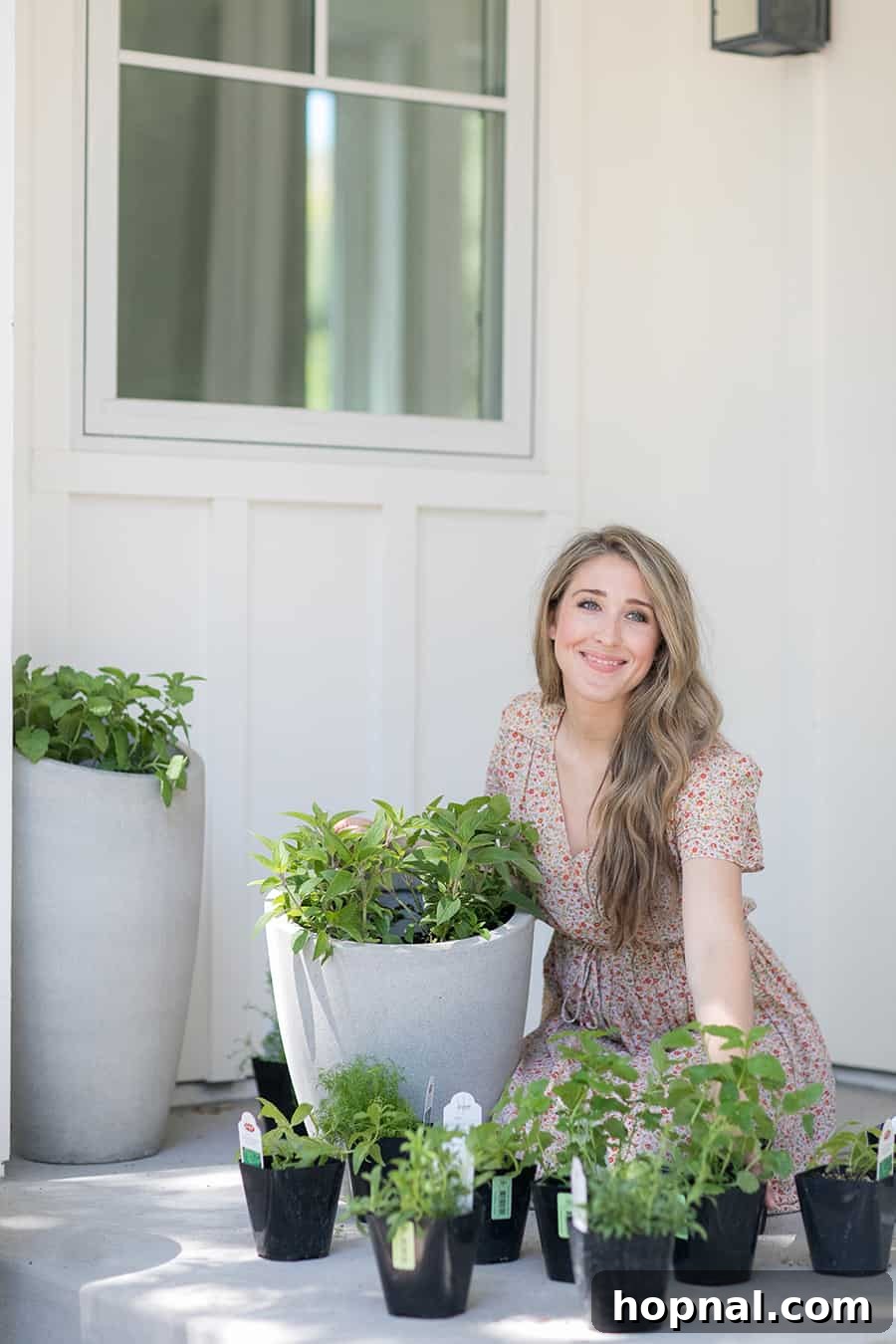
Cultivate Your Own Tea Oasis: A Comprehensive Guide to Creating an Edible Tea Garden
Imagine stepping into your garden and plucking fresh herbs and flowers, knowing they will soon transform into a fragrant, soothing cup of organic tea. Creating a tea garden is an incredibly rewarding project for any gardening enthusiast. It’s a wonderful way to combine beauty with functionality, filling your space with vibrant colors and textures while providing a continuous supply of ingredients for delicious, homegrown herbal teas. Whether you’re a seasoned gardener or just starting out, this comprehensive guide will walk you through everything you need to know to establish your very own tea oasis, making every sip a moment of natural delight.
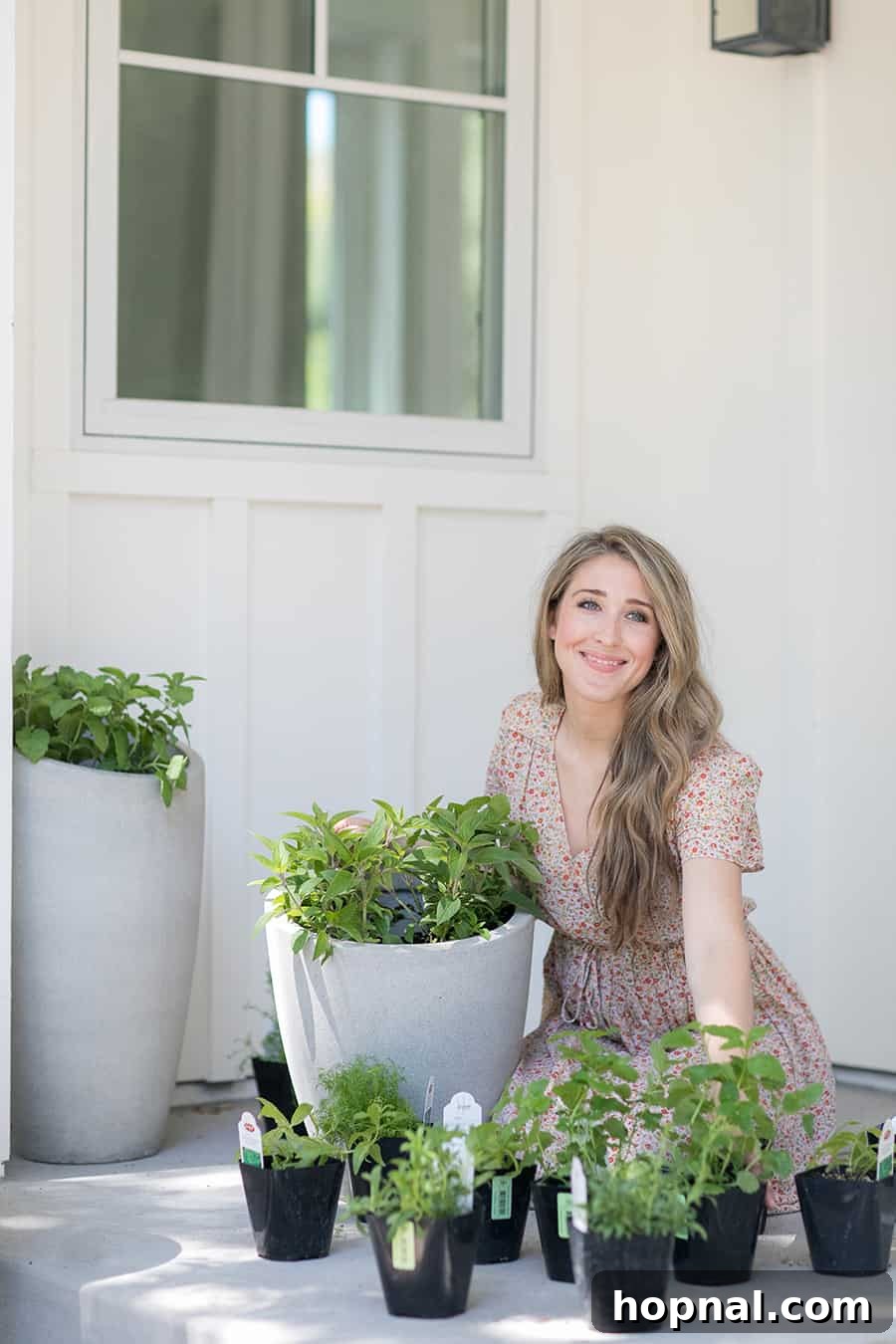
The Allure of a Homegrown Tea Garden
For many, tea is more than just a beverage; it’s a daily ritual, a source of comfort, and a provider of vital nutrients. Throughout the year, I find immense joy in sipping a warm, comforting mug of tea during chilly winters and a refreshing iced glass in the heat of summer. The thought of cultivating my own tea ingredients grew from a desire to make our landscape truly purposeful. Why just plant for aesthetics when you can also grow ingredients that nourish and delight?
A tea garden offers numerous benefits that extend far beyond simply having fresh ingredients on hand. Beyond the obvious aesthetic appeal, it fosters a direct connection to nature, allowing you to enjoy the freshest, most potent flavors and aromas right from your backyard. It’s also a fantastic way to ensure you’re consuming teas free from pesticides and unwanted chemicals, promoting a healthier and more sustainable lifestyle. Furthermore, it offers an endless source of unique flavor combinations you might not find in store-bought blends. These versatile edible plants can also double as beautiful decor, such as mini tea garden pots that make delightful favors for special occasions like bridal showers or afternoon tea parties.
Designing Your Dream Tea Garden: Location and Layout
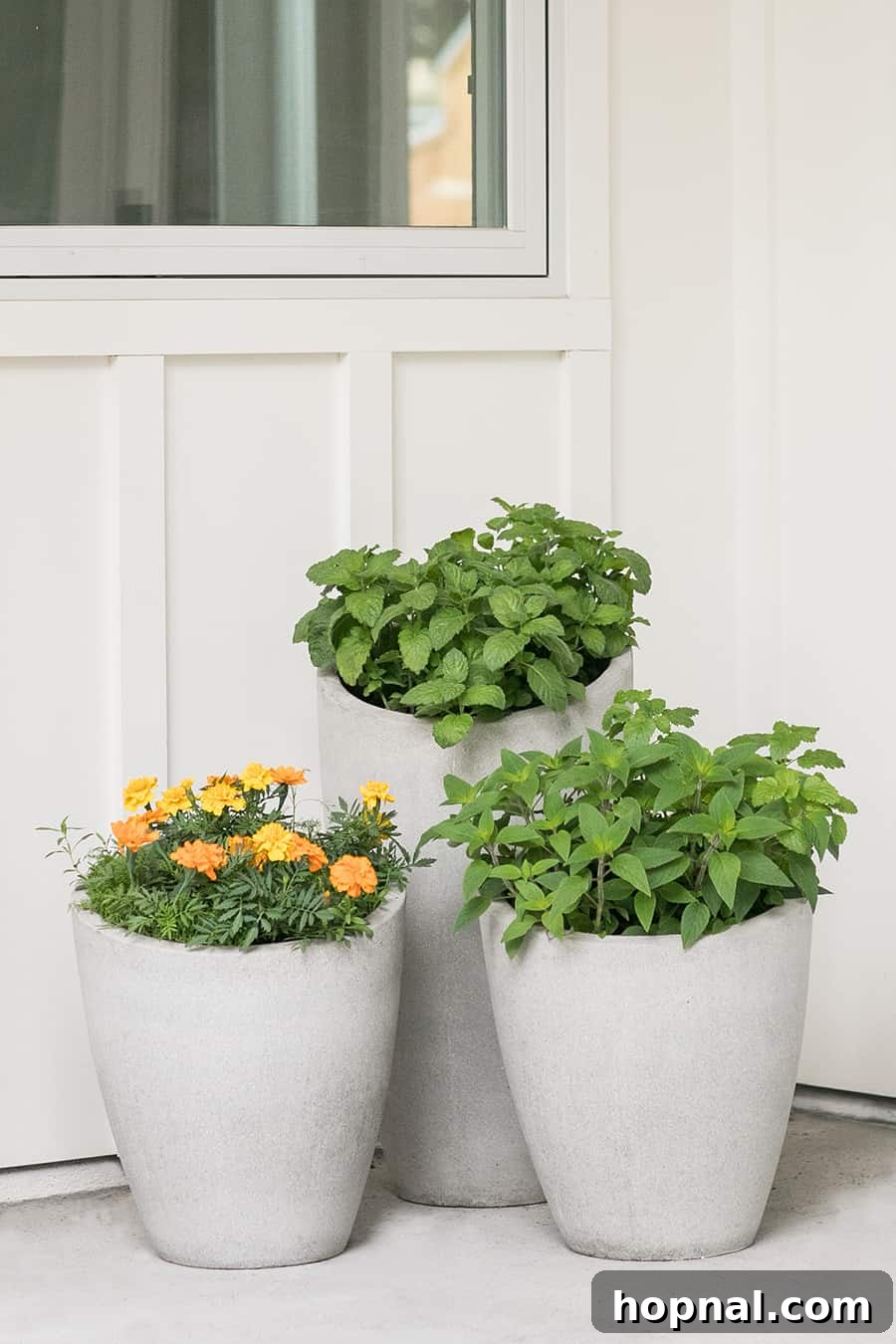
The first and perhaps most critical step in creating your tea garden is thoughtful planning of its location and layout. Begin by assessing the available space and, crucially, the amount of sunlight it receives. Most tea herbs thrive in full sun, meaning at least six hours of direct sunlight daily, though some prefer partial shade. An integrated approach, combining both potted plants and in-ground beds, often proves to be the most practical and beneficial. Potted plants provide unparalleled flexibility, allowing you to move them to optimize sun exposure, protect them from harsh weather, or simply rearrange your garden design. They are also an ideal solution for smaller spaces like balconies, patios, or urban gardens.
Conversely, for herbs that prefer consistent conditions and have a spreading habit, planting directly into the ground can be highly advantageous. When selecting your plants, it’s absolutely crucial to choose varieties that not only make excellent tea but also flourish in your specific climate zone. For instance, in a mild climate like Southern California, a wide array of herbs and flowers can thrive with minimal intervention. I’ve personally focused on herbs and plants known for their superior tea-making qualities, ensuring they are well-suited to our regional conditions. This careful consideration ensures your garden will be robust and productive, yielding bountiful harvests for your delightful tea blends throughout the seasons.
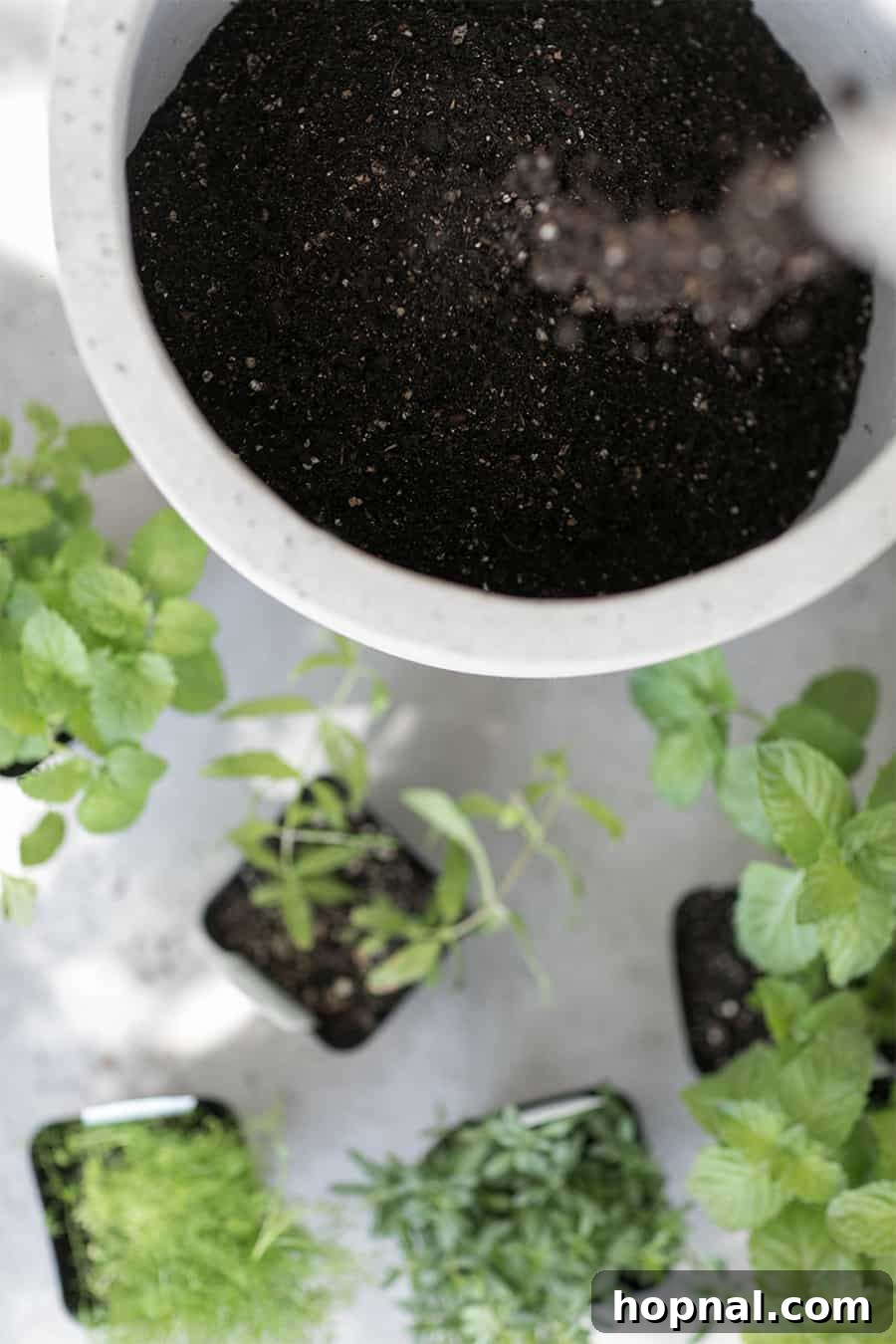
For herbs that are more sensitive to intense sun or require consistent moisture, such as certain mint varieties or lemon balm, keeping them in pots is an excellent strategy. This allows for precise control over their watering and exposure. Conversely, plants like jasmine, lavender, rosemary, and roses often flourish when planted directly in the ground, where their root systems can expand freely and draw ample nutrients from the soil, leading to stronger, more established growth. This strategic placement ensures each plant receives its ideal growing conditions, leading to a healthier, more beautiful, and ultimately more productive tea garden overall.

Selecting Your Herbal Treasures: What to Plant for Perfect Tea
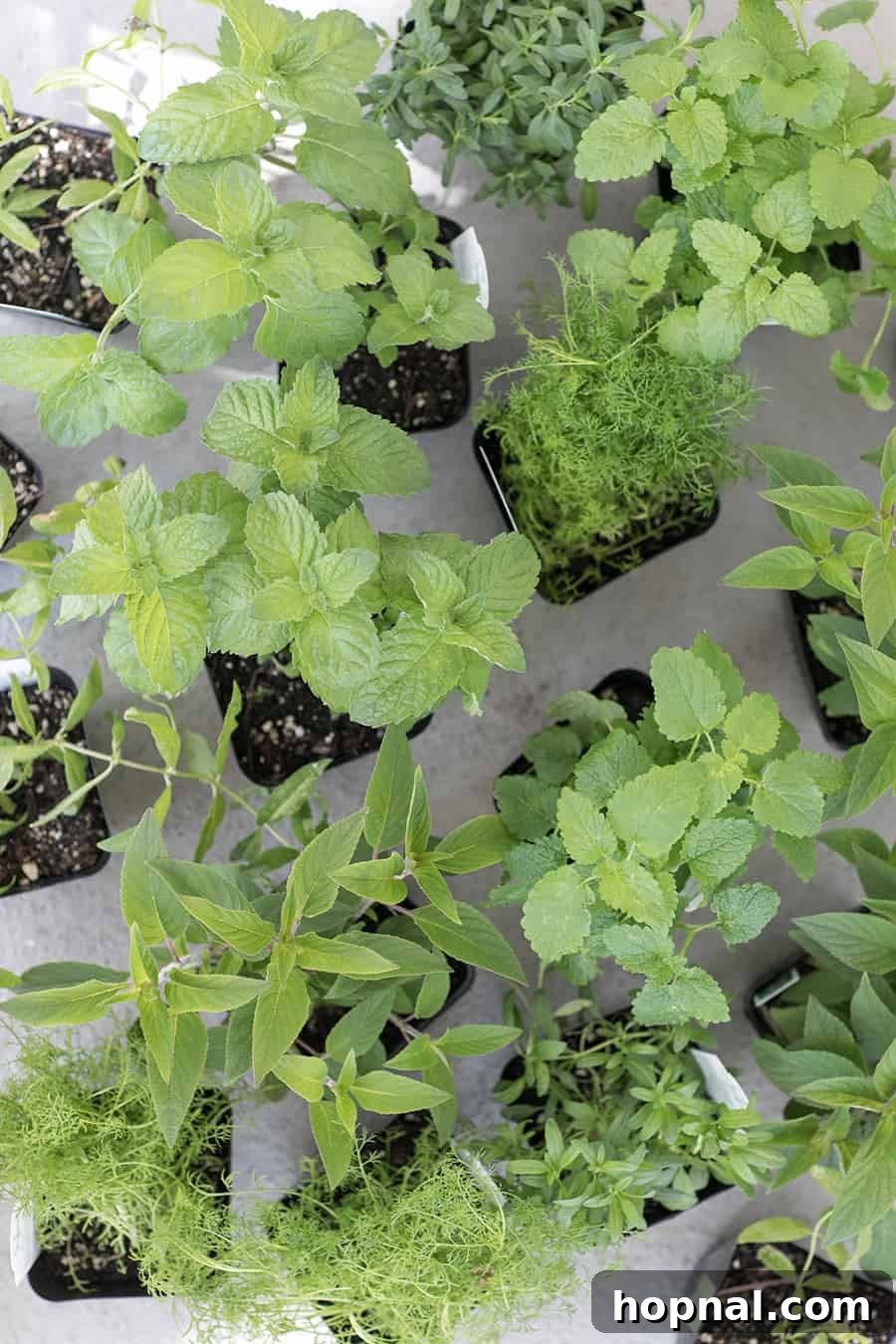
The true beauty and unique charm of a tea garden lie in its potential for distinct and exciting flavors that often transcend what’s commercially available. When choosing your herbs and flowers, I encourage you to think beyond the conventional. I personally like to select varieties that aren’t readily available in grocery stores, allowing for truly distinctive and personalized tea blends. For example, instead of common garden sage, I opted for pineapple sage. Its sweet, tropical aroma is utterly enchanting and promises a delightful, summery infusion that’s far from ordinary, offering a wonderfully unique twist to your tea experience.
Exploring beyond common varieties truly opens up a world of aromatic possibilities. I also made sure to plant lemon balm, renowned for its calming, citrusy notes that make for a wonderfully soothing brew. A particularly exciting find was grapefruit mint, a unique mint variety that genuinely smells like fresh grapefruit. This offers an incredibly refreshing flavor profile, making it absolutely perfect for invigorating iced teas, especially during warmer months. These unique choices ensure that every cup you brew from your garden is not just a drink, but a special, aromatic experience.
Further enriching our tea garden, I incorporated several other fantastic plants, each adding its own unique dimension: lemon verbena, with its intense, uplifting lemony scent; calendula (marigold), valued for its vibrant color and mild, earthy flavor; hyssop, offering a slightly bitter, minty note often associated with traditional herbal remedies; soothing chamomile, a classic for relaxation; and aromatic bergamot, which provides the distinctive, floral-citrus flavor found in beloved Earl Grey tea. Many of these versatile herbs also serve dual purposes in my kitchen, often making appearances in savory recipes or as stunning, edible garnishes for cocktails. You can discover more creative ideas for edible flower arrangements and pots here, further expanding the utility and beauty of your garden.
Essential Tips for Planting and Nurturing Your Tea Herbs
Building a successful and productive tea garden involves more than just selecting the right plants; it requires attention to their foundational needs and ongoing care. Here are some crucial tips to ensure your edible tea garden thrives, providing you with a continuous supply of fresh, flavorful ingredients:
The Foundation: Organic Soil and Non-GMO Plants
This point cannot be stressed enough: always, without exception, use organic soil and non-GMO plants. Since the primary and most delightful goal of your tea garden is to create beverages for consumption, avoiding harsh chemicals, synthetic pesticides, and genetically modified organisms is paramount. You want to enjoy pure, natural tea without any concerns about unwanted additives or residues. Fortunately, the market now offers an abundance of high-quality organic potting mixes, compost, and fertilizers, as well as a wide selection of non-GMO seeds and seedlings. Making these choices from the outset ensures you are cultivating a truly clean, healthy, and safe garden for yourself and your loved ones.
Watering Wisdom: Hydration for Thriving Herbs
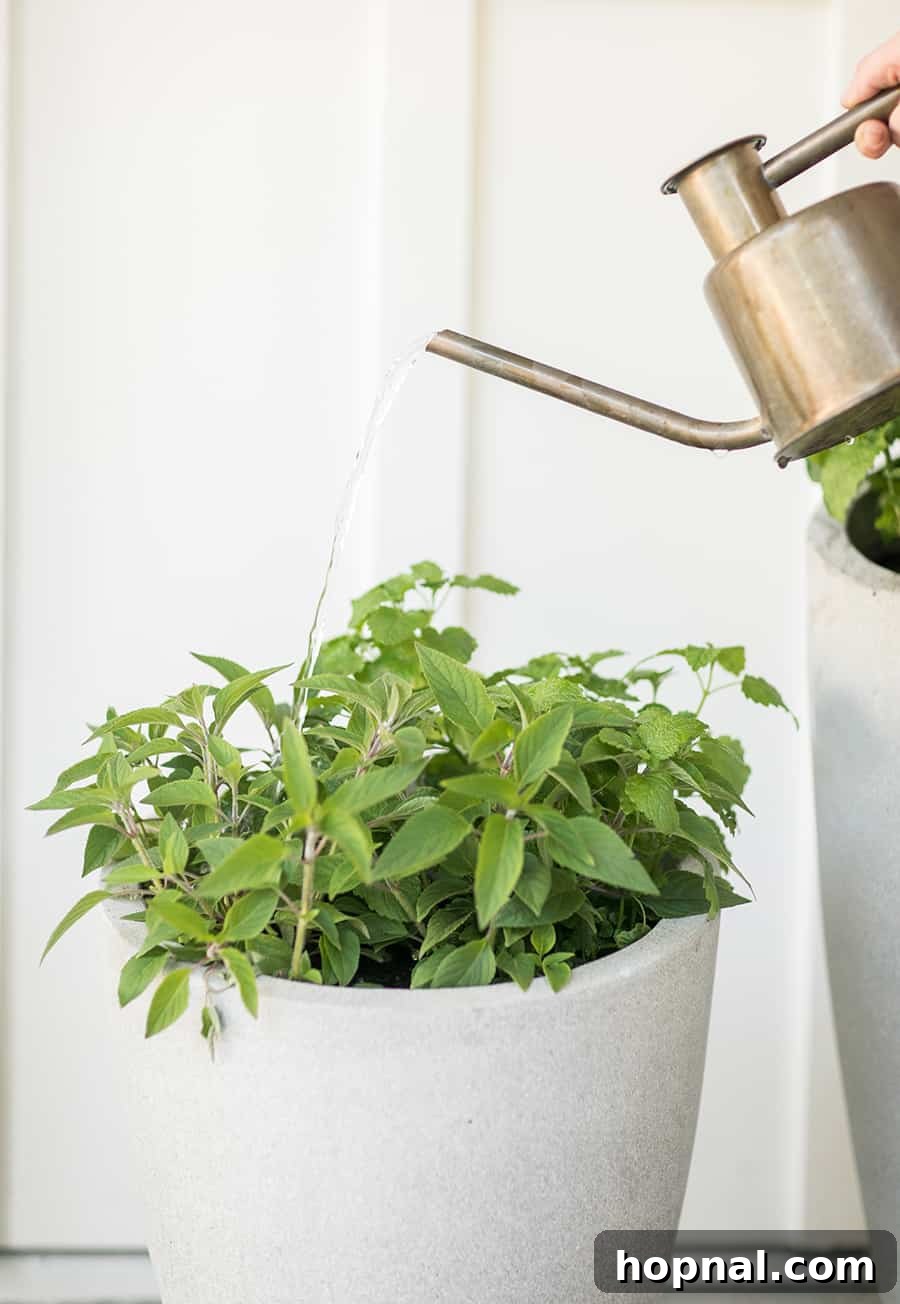
Proper and consistent watering is critical for the health and vitality of your tea herbs. Over-watering can lead to root rot, while under-watering can cause wilting and stunted growth. If you live in an area with limited rainfall, experience frequent dry spells, or simply want to automate your gardening, consider installing a drip irrigation system. This highly efficient method delivers water directly to the plant roots, minimizing waste through evaporation and ensuring consistent moisture levels. It’s especially beneficial for potted herbs, which can dry out much faster than those in the ground. A drip system takes the guesswork out of daily watering, allowing your plants to thrive even when you’re busy or away.
Smart Spacing and Companion Planting
While many herbs can happily coexist in the same pot or garden bed, some require special consideration due to their vigorous growth habits. Mint, for example, is notoriously enthusiastic and can quickly overtake its neighbors if not contained. To prevent it from dominating and suffocating other delicate plants in your tea garden, it’s almost always best to plant mint in a separate container or a designated area with root barriers. This keeps its aggressive root system contained while still allowing you to enjoy its fresh, invigorating flavor. Researching the specific growth habits and needs of your chosen herbs will help you plan an efficient, harmonious, and productive garden layout that allows every plant to flourish.
Harvesting Your Bounty: From Garden to Cup
Once your herbs are flourishing and vibrant, the exciting part truly begins: harvesting your bounty! To ensure continuous growth, maximum flavor, and optimal plant health, it’s important to harvest correctly and at the right time. For most leafy herbs like mint or lemon balm, snip off the top few inches of growth, leaving enough foliage for the plant to continue photosynthesizing and encourage new, bushier growth. For flowers like chamomile or marigold, pick the blooms when they are fully open and vibrant. Rose petals should be collected when fresh and fragrant, while rose hips are harvested later, after the flower fades and the fruit matures. Regular harvesting actually stimulates plants to produce more, leading to a more abundant and consistent supply for your tea blends.
Optimal Harvesting Techniques
Always harvest your herbs and flowers in the morning after the dew has dried but before the intense heat of the day. This is typically when the essential oils and flavors are most concentrated, yielding the best quality tea. Use clean, sharp shears or scissors to make precise, clean cuts, which prevents damage to the plant and promotes faster healing. After harvesting, gently rinse your herbs and flowers if needed to remove any dust or small insects, then either use them fresh immediately or prepare them for drying for later use. Air-drying in a cool, dark, well-ventilated area is a simple and effective method for preserving your tea garden’s bounty, ensuring you have delicious homemade tea all year round.
Simple Steps for Brewing Fresh Herbal Tea
Brewing fresh tea directly from your garden is a wonderfully simple and satisfying experience. For most herbs, place a small handful of fresh leaves or flowers (or 1-2 teaspoons of dried herbs per cup) in a tea infuser, a French press, or directly into a mug. Pour hot (but not boiling, as boiling water can sometimes scald delicate herbs) water over the herbs. Cover the mug or pot and let it steep for 5 to 10 minutes, depending on your desired strength and the specific herb. Strain out the herbs, sweeten with honey or a natural sweetener if desired, and enjoy! Experiment with different combinations from your garden to create unique and personalized blends that cater perfectly to your taste and mood.
Recommended Herbs for Your Tea Garden
Here’s an expanded list of fantastic herbs and flowers, perfect for creating a diverse and flavorful tea garden. Each offers unique properties and tastes, allowing for endless possibilities in your homemade blends:
- Bergamot (Monarda didyma): Provides the distinctive citrusy, slightly spicy, and floral note reminiscent of Earl Grey tea. Its leaves are excellent for infusions.
- Chamomile (Matricaria chamomilla): Famous for its calming and sleep-inducing properties; the small, daisy-like flowers are harvested for a gentle, apple-like tea.
- Calendula (Marigold): The vibrant petals add a beautiful golden color and a mild, slightly peppery or tangy flavor to teas, often used for its soothing properties.
- Grapefruit Mint (Mentha piperita ‘Grapefruit’): An invigorating and unique mint variety with a distinct grapefruit aroma and flavor, absolutely perfect for refreshing iced teas.
- Hibiscus (Hibiscus sabdariffa): Known for its vibrant crimson color and tart, cranberry-like flavor. Rich in antioxidants, it makes a beautiful and healthful tea.
- Hyssop (Hyssopus officinalis): Offers a slightly bitter, minty, and subtly licorice-like flavor. Historically used for respiratory health, it adds depth to blends.
- Jasmine (Jasminum officinale): The highly fragrant white flowers are commonly used to naturally scent green tea, imparting a delicate, intoxicating floral note.
- Lemon Balm (Melissa officinalis): A wonderfully soothing herb with a gentle, sweet lemony scent. Known for its stress-relieving and mood-lifting qualities.
- Lemon Verbena (Aloysia citrodora): Features an intense, clean, and bright lemon flavor and aroma, more potent than lemon balm, great for digestive aid and refreshing brews.
- Pineapple Sage (Salvia elegans): A unique sage variety with a sweet, fruity, and distinctly pineapple-like fragrance and flavor, lending itself beautifully to summery teas.
- Rose (Rosa species): Both delicate petals (for floral flavor and aroma) and rose hips (the fruit, rich in Vitamin C and offering a fruity tang) are valuable for tea.
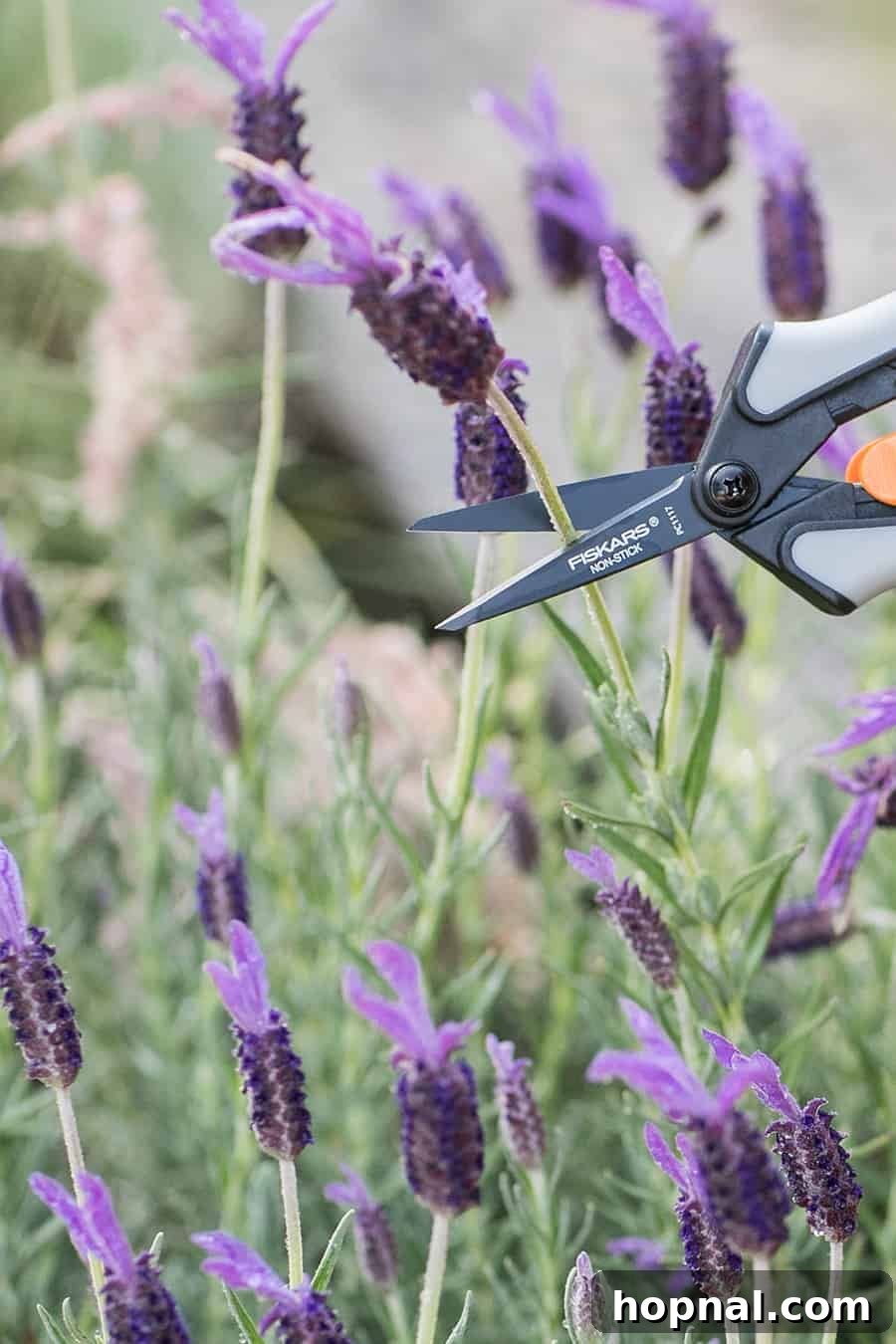
- Spanish Lavender (Lavandula stoechas): The fragrant flowers offer a calming, aromatic, and slightly sweet flavor, excellent for relaxation teas.
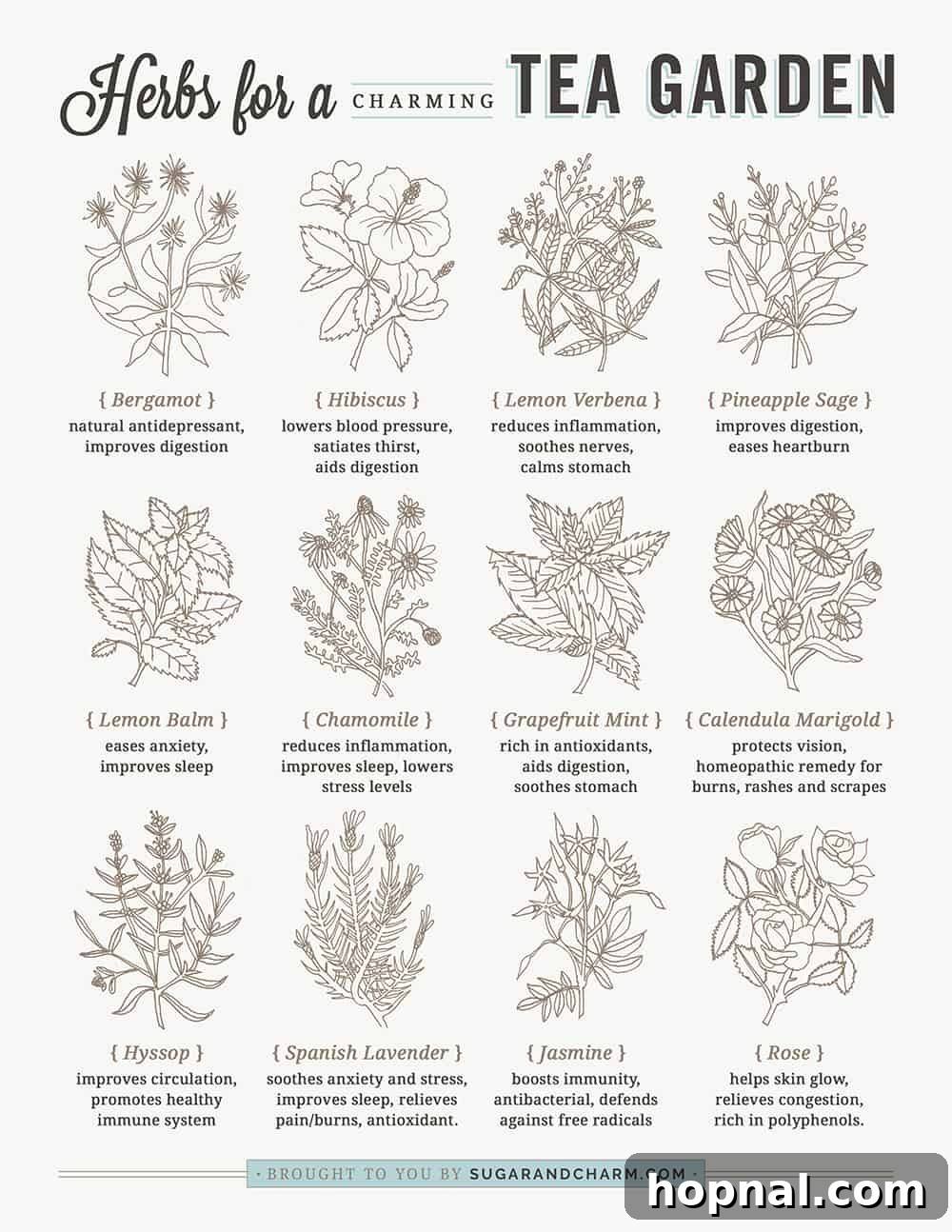
To help you visualize and plan your ideal garden, we’ve even created a Sugar and Charm tea garden chart, illustrating some of these charming herbs that are ideal for cultivating your own delightful and endlessly customizable tea blends.

Tools and Techniques for a Flourishing Herbal Haven
Maintaining a thriving and productive tea garden requires more than just good intentions; it demands the right tools and a smart approach to their use. Investing in quality gardening equipment makes the entire process much more enjoyable and efficient, allowing you to focus on the pure joy of cultivation rather than wrestling with inadequate gear.
Smart Watering Solutions
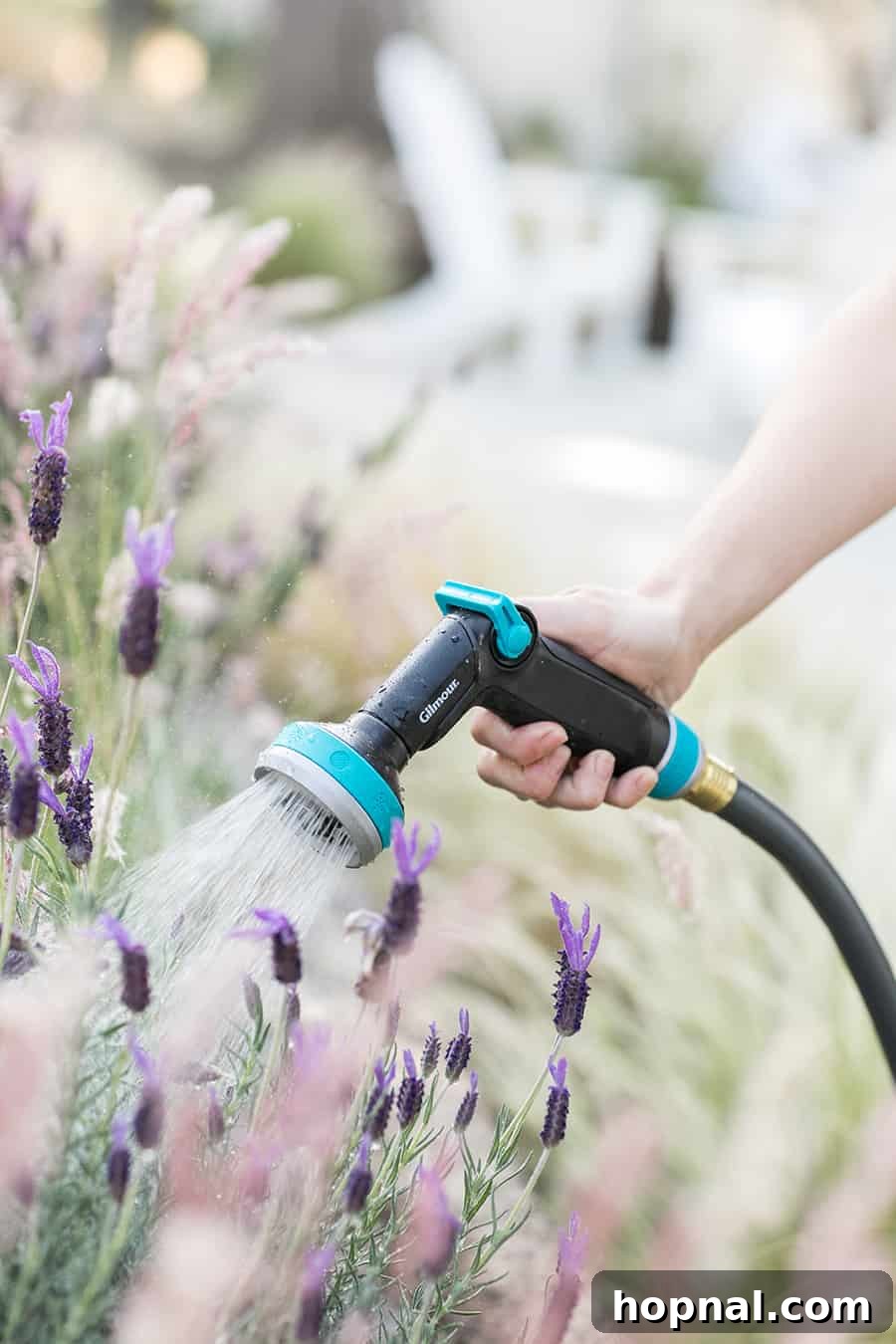
For superior plant and landscape maintenance, I’ve personally found products from Gilmour and Fiskars to be absolutely invaluable. Gilmour’s hoses, nozzles, and sprinklers are engineered to work together seamlessly, creating an effective and adaptable watering system tailored to your garden’s every need. Their nozzles, for instance, often feature multiple spray patterns – my personal favorite is the gentle mist, which is perfect for delicate herbs and seedlings without damaging them. The innovative swivel feature on these nozzles is a true game-changer, allowing for effortless pivoting without causing the hose to twist, kink, or tangle. This ergonomic design makes daily watering a pleasure, not a chore, and ensures a leak-free connection, saving precious water and preventing frustration. I’m truly addicted to these products and find myself reaching for them almost daily!
Precision Pruning and Harvesting Tools
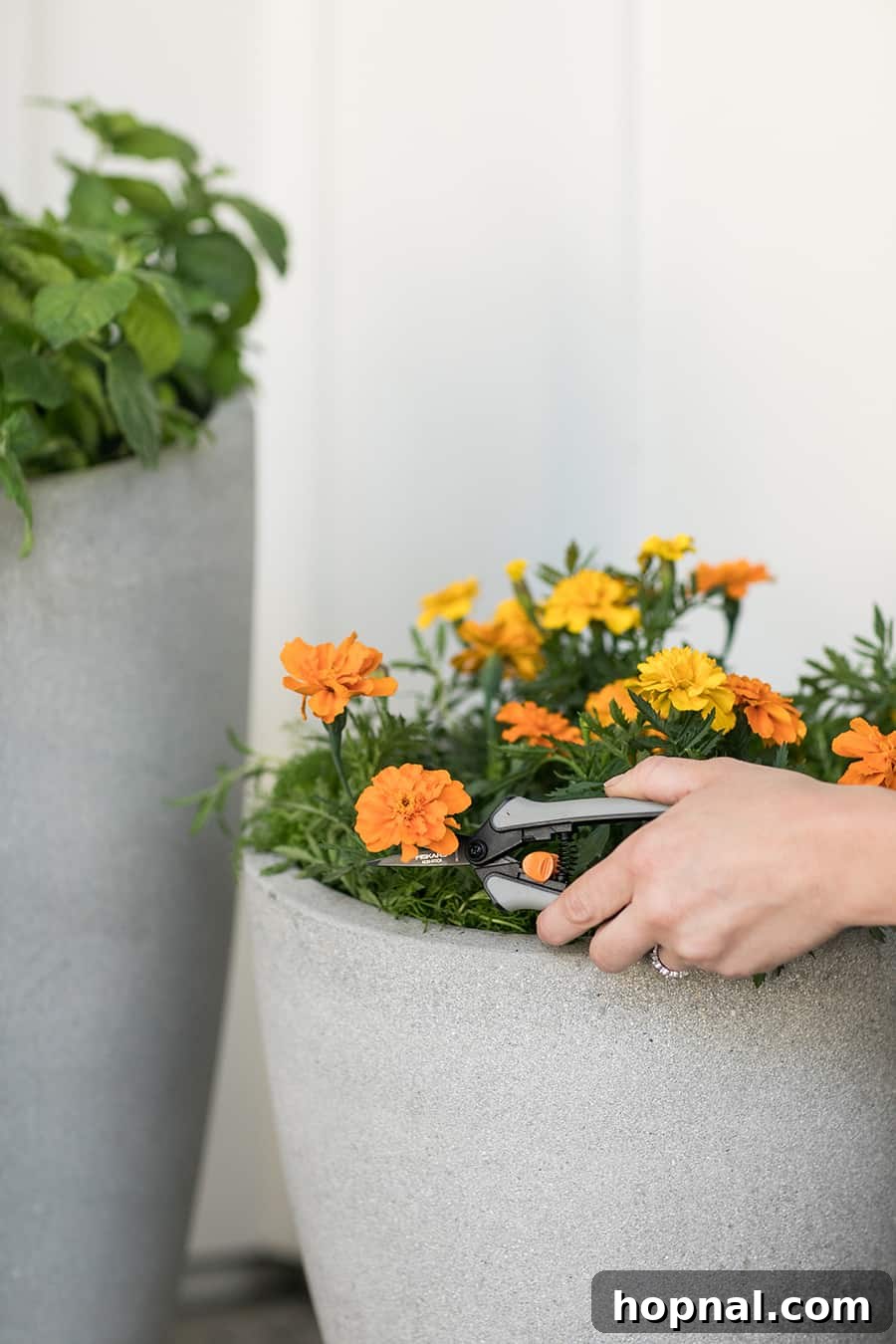
When it comes to harvesting your precious herbs and maintaining their health, precision is absolutely key. For snipping delicate leaves, fragrant flowers, and fine stems, small, sharp clippers are indispensable. They are ideally designed for precise trimming, shaping, and quick snips on smaller plants, significantly reducing jamming and plant damage while encouraging vigorous new growth. These specialized tools ensure that your harvest is clean, efficient, and that your plants remain healthy and productive throughout the growing season.
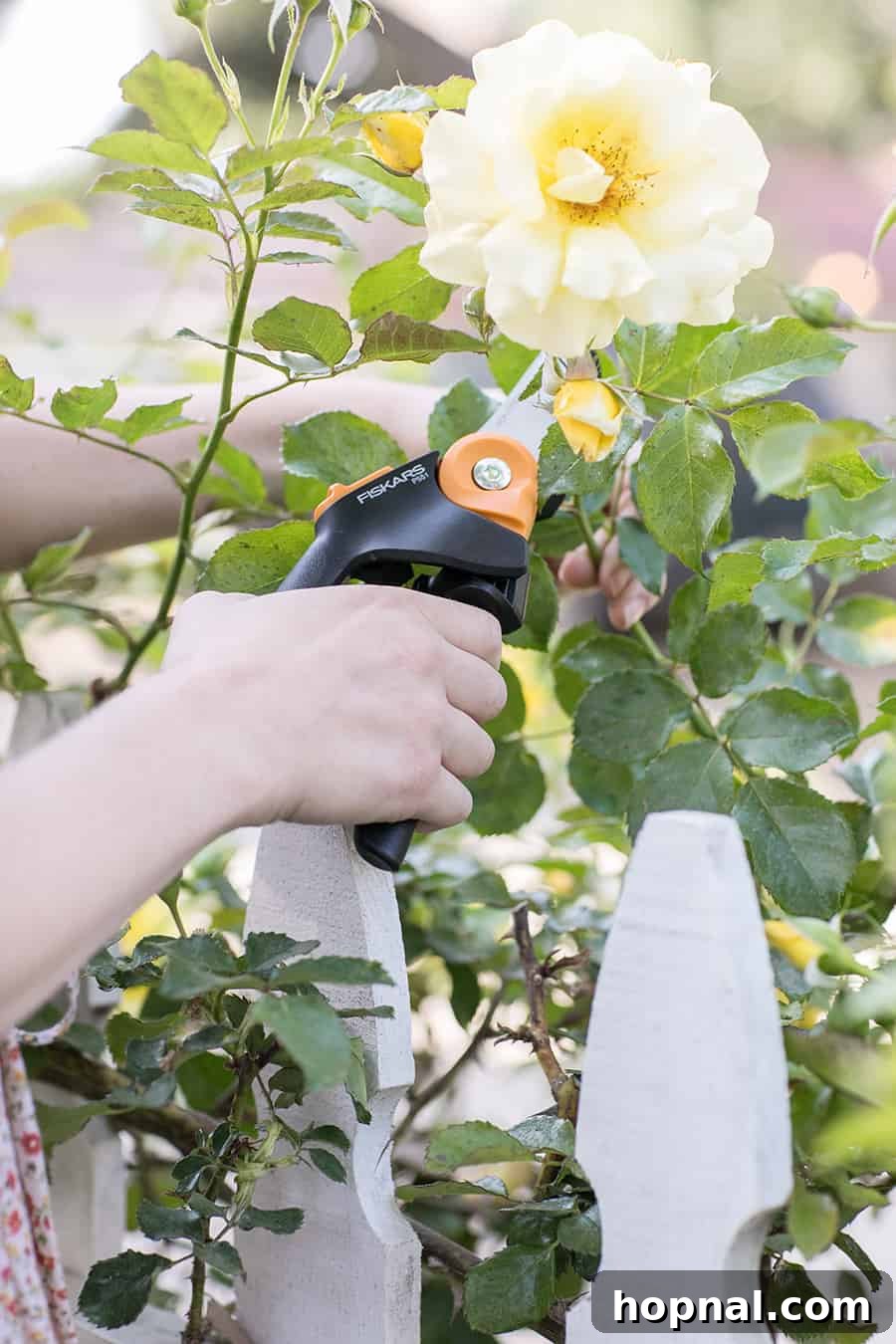
For more robust plants and woody stems, such as the thicker branches of rose bushes or established woody herbs like rosemary, a heavier-duty tool like the Fiskars PowerGear2™ Pruner is absolutely essential. These advanced pruners feature a rolling handle and optimized gears that significantly amplify cutting power, especially in the thickest part of the branch where resistance is highest. This innovative design is incredibly helpful, particularly when tackling larger pruning tasks like maintaining a dozen or more rose bushes, making even tough cuts smooth, effortless, and less strenuous on your hands.
More Garden Inspiration You’ll Love!
If you’re looking for even more ways to bring nature into your home, enhance your gardening skills, or simply expand your green thumb, explore these related guides and discover new projects:
- Create Your Own Indoor Herb Garden: Year-Round Freshness
- Design an Edible Potted Floral Garden: Beauty You Can Eat
- DIY Cement Planters: A Creative and Durable Project for Your Plants
- Transform Your Bathroom with DIY Shower Bundles: A Spa Experience at Home
- The Complete Guide to Growing Hellebore Flowers: Winter’s Delight
- Your Essential Indoor Plant Guide: Bringing Greenery Indoors
Conclusion: Sip and Savor Your Homemade Tea
Creating an organic tea garden is a truly enriching journey of discovery, offering not only beautiful foliage and fragrant blooms but also a sustainable, wholesome source for your favorite herbal infusions. From meticulously selecting unique herbs and edible flowers to mastering the art of harvesting and brewing, every step brings you closer to enjoying the purest, most personalized cups of tea imaginable. We truly hope you feel inspired to embark on your own tea garden adventure this spring, transforming your outdoor space into a haven of health, flavor, and natural beauty. Please share your thoughts, tips, and experiences in the comments below, and don’t forget to share your beautiful garden photos with us on social media @sugarandcharm! Happy gardening and happy brewing!